
The question of whether Puerto Rico is a part of the United States is one that frequently arises, sparking curiosity among travelers and those interested in global affairs. The answer, while seemingly straightforward, is nuanced and deeply rooted in history, politics, and culture. For anyone considering a trip to this vibrant Caribbean gem, understanding its unique relationship with the mainland United States is crucial, as it impacts everything from travel requirements to local governance and economic conditions.
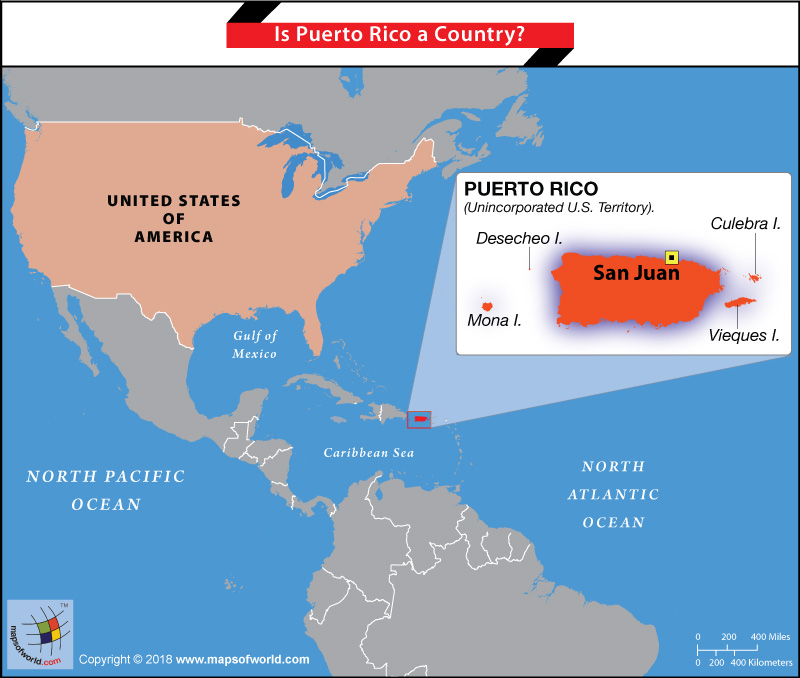
Puerto Rico is, in fact, an unincorporated territory of the United States. This distinct political status grants its residents U.S. citizenship, utilizes the U.S. dollar as its currency, and falls under the purview of many U.S. federal laws and agencies. However, it also means that while Puerto Rico is undoubtedly “part of” the United States in a fundamental sense, it operates with a significant degree of local autonomy and without full statehood representation.

For travelers, this unique status translates into a seamless travel experience for U.S. citizens, who do not require a passport to visit, mirroring domestic travel within the continental United States. International visitors, on the other hand, will find that the entry requirements for Puerto Rico are the same as those for any other U.S. destination. Beyond the technicalities, Puerto Rico offers an extraordinary blend of tropical landscapes, rich history, and vibrant culture that beckons adventurers, history buffs, and sun-seekers alike. From the cobblestone streets of Old San Juan to the lush rainforests of El Yunque National Forest and the breathtaking bioluminescent bays, it truly is a destination unlike any other, offering a taste of the Caribbean with the convenience of a domestic U.S. territory.
Understanding Puerto Rico’s Unique Status
The political relationship between Puerto Rico and the United States is a fascinating and often misunderstood aspect of its identity. As an unincorporated territory, Puerto Rico occupies a unique position, sharing many federal ties with the mainland while maintaining its own distinct governmental structure and cultural heritage.
The Commonwealth Connection: More Than Just a Territory
Puerto Rico has been an unincorporated territory of the United States since 1898, following the Spanish-American War. Under the 1952 constitution, it adopted the title of “Commonwealth of Puerto Rico,” a term that emphasizes its self-governing capabilities. While Puerto Rico has its own constitution, legislature, and governor, its ultimate sovereignty lies with the U.S. Congress.
What this means in practical terms is that Puerto Rico operates under U.S. federal law, and its residents are U.S. citizens. This grants them the freedom to travel, live, and work anywhere within the United States without immigration hurdles. The official currency is the USD, the U.S. postal system is in place, and federal agencies such as the FBI, EPA, and FDA extend their jurisdiction to the island. However, critically, Puerto Rico does not have voting representation in the U.S. Congress, nor does it participate in U.S. presidential elections. This creates a complex dynamic where residents benefit from U.S. citizenship but lack full political representation at the federal level.
A History of Connection and Debate
The relationship dates back to the conclusion of the Spanish-American War, when Spain ceded Puerto Rico to the United States under the Treaty of Paris. In 1917, the Jones-Shafroth Act granted U.S. citizenship to Puerto Ricans. Over the decades, discussions about Puerto Rico’s political future—whether it should become a U.S. state, gain full independence, or remain a commonwealth with enhanced autonomy—have been ongoing and often contentious. Various referendums have been held, reflecting the diverse opinions of the island’s population. This ongoing debate underscores the unique and evolving nature of Puerto Rico’s place within the American family.
A Traveler’s Perspective: What Does This Mean for Your Trip?
For travelers, the political status of Puerto Rico primarily translates into convenience and a familiar framework, especially for those arriving from the mainland United States. It effectively bridges the gap between an international adventure and a domestic getaway, offering the best of both worlds.
Seamless Travel for US Citizens
One of the most significant advantages for U.S. citizens planning a vacation to Puerto Rico is the ease of entry. A valid government-issued photo ID, such as a driver’s license, is all that’s needed for air travel, just like flying between New York and Miami. There are no customs or immigration checkpoints upon arrival from the mainland, streamlining the travel process considerably. This eliminates the need for passport applications or renewals, making spontaneous trips to this Caribbean paradise effortlessly accessible. Furthermore, the use of the USD eliminates currency exchange hassles, and U.S. postal services mean familiar shipping and mailing options are available. Even the prevalence of U.S. retail chains and banking institutions provides a comforting sense of familiarity while still being immersed in a distinct cultural landscape.
International Visitors & Practicalities
For international travelers, the requirements for visiting Puerto Rico are identical to those for entering any other part of the United States. This means that depending on your country of origin, you may need a U.S. visa or an ESTA (Electronic System for Travel Authorization) under the Visa Waiver Program. All standard U.S. entry procedures apply, including interactions with the TSA at airports.
Regardless of your nationality, several practical aspects make travel to Puerto Rico generally straightforward. English is widely spoken, especially in tourist areas and major cities like San Juan, though Spanish remains the primary language and is deeply ingrained in daily life and culture. This bilingual environment enriches the experience, allowing visitors to engage with local traditions while navigating comfortably. The legal and regulatory framework is largely aligned with the United States, which can provide a sense of security and predictability, from consumer protections to driving laws. For those seeking an exotic escape without venturing into entirely unfamiliar territory, Puerto Rico strikes a perfect balance.
Puerto Rico: An Unforgettable Caribbean Destination
Beyond its political status, Puerto Rico shines as a world-class travel destination, offering an unparalleled array of natural beauty, historical depth, and vibrant cultural experiences. It’s a place where adventure meets relaxation, and history intertwines with contemporary life, making it a compelling choice for any traveler.
Diverse Landscapes and Natural Wonders
Puerto Rico’s geography is remarkably diverse for its size, boasting everything from lush rainforests to desert-like dry forests, stunning beaches, and unique bioluminescent bays.
- El Yunque National Forest: The only tropical rainforest in the U.S. National Forest System, El Yunque is a haven for hikers and nature lovers. Its misty peaks, cascading waterfalls, and diverse flora and fauna, including the beloved coqui frog, create an enchanting atmosphere. Trails range from easy walks to challenging climbs, leading to breathtaking panoramic views.
- Bioluminescent Bays: Puerto Rico is home to three of the world’s five bioluminescent bays. The brightest and most famous is Mosquito Bay on Vieques island, where microscopic organisms light up the water with every movement, creating a magical, glowing spectacle. Other notable bays are in Fajardo and La Parguera.
- Pristine Beaches: The island boasts hundreds of miles of coastline, offering a beach for every preference. Flamenco Beach on Culebra is consistently ranked among the world’s best for its powdery white sand and turquoise waters. Luquillo Beach provides calm, palm-lined shores perfect for families, while the western coast around Rincón is a surfer’s paradise. Don’t miss Playa Sucia in Cabo Rojo for its dramatic cliffs and lighthouse views.
- Karst Region and Caves: The north-central region features a dramatic karst landscape with limestone hills, sinkholes, and a vast network of caves, such as those found in Camuy River Cave Park near Arecibo. For the truly adventurous, Mona Island, an uninhabited natural reserve, offers pristine wilderness and extensive cave systems.
Vibrant Culture and Culinary Delights
Puerto Rico’s culture is a rich tapestry woven from Taíno, Spanish, and African influences, manifesting in its music, art, festivals, and, most deliciously, its cuisine.
- Old San Juan: A UNESCO World Heritage site, Old San Juan is a living museum. Its narrow, cobblestone streets, vibrant colonial architecture, and impressive forts like Castillo San Felipe del Morro and Castillo de San Cristóbal tell centuries of stories. Strolling through the colorful squares, visiting artisan shops, and enjoying live music in the evenings are essential experiences. The governor’s mansion, La Fortaleza, is also a significant historical landmark.
- Music and Dance: The rhythmic beats of salsa, bomba, and plena are the heartbeat of Puerto Rico. Live music venues are abundant in San Juan and beyond, inviting visitors to dance the night away. Festivals celebrating music, art, and patron saints are common throughout the year, offering a glimpse into local traditions.
- Culinary Journey: Puerto Rican cuisine is a flavorful fusion known as “cocina criolla.” Must-try dishes include:
- Mofongo: Fried plantains mashed with garlic, olive oil, and pork cracklings, often served with a choice of meat or seafood.
- Lechón Asado: Whole roasted suckling pig, a true culinary event, especially popular in the central mountainous region of Guavate.
- Pasteles: Similar to tamales, made from grated green bananas, plantains, and other root vegetables, filled with meat, and wrapped in banana leaves.
- Alcapurrias: Fritters made from green bananas and yautía, filled with ground beef or crab.
- Coquito: A creamy coconut-based rum drink, traditionally enjoyed during the holiday season.
- Rum Distilleries: Puerto Rico is synonymous with rum. Take a tour of the famous Casa Bacardí distillery near San Juan to learn about the rum-making process and enjoy a tasting.
Activities for Every Traveler
Whether you’re an adrenaline junkie, a history enthusiast, or simply seeking relaxation, Puerto Rico has something to offer.
- Water Sports: The island’s warm waters are perfect for snorkeling, scuba diving (especially around La Parguera and Mona Island), kayaking, paddleboarding, and sailing. The west coast’s consistent swells make it a premier surfing destination.
- Adventure Tourism: Go zip-lining through the canopy of El Yunque or explore the subterranean wonders of the Camuy River Cave Park. For a unique experience, try canyoning or rappelling down waterfalls.
- Historical and Cultural Tours: Beyond Old San Juan, visit the grand architecture of Ponce, including the iconic Serrallés Castle. Explore indigenous history at sites like La Cueva del Indio in Arecibo, featuring Taíno petroglyphs.
Where to Stay: Accommodation Options in Paradise
Puerto Rico offers an extensive range of accommodation options to suit every budget and travel style, from opulent resorts to charming boutique hotels and practical long-term rentals. The island’s robust tourism infrastructure ensures that visitors can find the perfect home base for their adventure.
From Luxury Resorts to Boutique Stays
For those seeking an indulgent escape, Puerto Rico’s luxury resorts provide world-class amenities and breathtaking settings. The Condado Vanderbilt Hotel in San Juan offers historic elegance with oceanfront views and exceptional service. Further east, the St. Regis Bahia Beach Resort is known for its pristine golf course and lush natural surroundings, while the Ritz-Carlton Reserve Dorado Beach redefines luxury with its exclusive, serene environment. These resorts typically feature multiple pools, gourmet dining, spa services, and direct beach access.
In contrast, Old San Juan is renowned for its charming boutique hotels, often housed in beautifully restored colonial buildings. These properties offer a more intimate experience, blending historic ambiance with modern comforts. They are ideal for travelers who want to be immersed in the city’s vibrant culture and have easy access to its iconic landmarks and nightlife.
Villas, Apartments, and Unique Stays
For families, groups, or those planning an extended visit, vacation rentals offer flexibility and a home-away-from-home experience. Platforms like Airbnb and VRBO list countless options, from beachfront apartments in Luquillo and Rincón to secluded villas in the hills. These often come with fully equipped kitchens, multiple bedrooms, and private pools, providing excellent value for longer stays.
Puerto Rico also boasts unique local accommodations known as “paradores.” These are typically small, family-owned inns or guesthouses located outside of the major metropolitan areas, often offering an authentic taste of rural Puerto Rican hospitality and cuisine. They are perfect for travelers looking to explore the island’s interior and discover hidden gems. Budget-conscious travelers will also find plenty of affordable hotels and hostels, particularly in areas popular with backpackers and surfers.
Amenities and Booking Tips
When choosing accommodation, consider the amenities that are most important for your trip. Beach access, swimming pools, on-site dining, and proximity to attractions are common considerations. Many resorts cater specifically to family trips, offering kids’ clubs and family-friendly activities, while others focus on romantic getaways or business stays with conference facilities.
It’s always advisable to book accommodations in advance, especially during peak season (December to May) or around major holidays and festivals. Reading recent reviews can provide valuable insights into service quality, location, and the overall guest experience. Comparing prices across different booking platforms can also help secure the best deals.
Planning Your Puerto Rican Adventure
A well-planned trip to Puerto Rico will ensure you make the most of its diverse offerings. From getting around to understanding local customs, a few key considerations can enhance your experience.
Getting There and Around
Most international and mainland U.S. flights arrive at Luis Muñoz Marín International Airport (SJU) in San Juan, which is a major hub for the Caribbean. From here, taxis, ride-sharing services, and rental cars are readily available.
While San Juan itself has a reasonably good public transportation system and is walkable, renting a car is highly recommended if you plan to explore outside the capital. This provides the freedom to visit El Yunque, the surf towns of the west coast, or the historic city of Ponce at your own pace. Be aware that rural roads can be winding and sometimes narrow. Ferries operate between Fajardo on the main island and the smaller islands of Vieques and Culebra, offering access to their stunning beaches and bioluminescent bays.
Best Time to Visit & Essential Tips
The best time to visit Puerto Rico is generally during the dry season, from December to May, when the weather is cooler and less humid, and the risk of hurricanes is low. The peak tourist season falls between mid-December and April, so expect higher prices and larger crowds. The hurricane season runs from June to November, and while travel is still possible, it’s crucial to monitor weather forecasts and consider travel insurance.
- Sun Protection: The Caribbean sun is intense. Always use high-SPF sunscreen, wear a hat, and seek shade, especially during midday.
- Hydration: Drink plenty of water to stay hydrated in the tropical climate.
- Language: While English is spoken, particularly in tourist areas, learning a few basic Spanish phrases will go a long way in showing respect and enhancing your interactions with locals.
- Local Currency: The U.S. dollar is the official currency. Credit cards are widely accepted, but it’s good to have some cash for smaller vendors or rural areas.
- Tipping: Tipping customs are similar to the mainland United States (15-20% for good service).

Safety and Local Etiquette
Puerto Rico is generally a safe destination for tourists, but like any travel location, it’s wise to exercise common sense. Be aware of your surroundings, especially in crowded areas or when out at night. Avoid walking alone in unfamiliar neighborhoods and keep valuables out of sight.
Respect for local culture and customs is always appreciated. Puerto Ricans are known for their warmth and hospitality. A friendly “hola” or “gracias” will always be well-received. Dress codes are generally casual, but modest attire is advisable when visiting churches or more formal establishments. Embrace the “island time” mentality; things might move at a slightly slower pace, which is all part of the relaxed Caribbean charm.
In conclusion, Puerto Rico is unequivocally a part of the United States, albeit with a unique and complex political identity. This status offers a remarkable blend of familiarity and exotic adventure for travelers. It’s a destination where you can enjoy the conveniences of domestic travel while immersing yourself in a vibrant Caribbean culture, exploring breathtaking natural wonders, and savoring distinctive culinary delights. Whether you’re seeking a luxurious resort experience, a cultural deep dive into Old San Juan, or an exhilarating outdoor adventure in El Yunque National Forest, Puerto Rico promises an unforgettable journey that combines the best of both worlds.
LifeOutOfTheBox is a participant in the Amazon Services LLC Associates Program, an affiliate advertising program designed to provide a means for sites to earn advertising fees by advertising and linking to Amazon.com. Amazon, the Amazon logo, AmazonSupply, and the AmazonSupply logo are trademarks of Amazon.com, Inc. or its affiliates. As an Amazon Associate we earn affiliate commissions from qualifying purchases.