
The question “Who founded Puerto Rico?” delves into a rich tapestry of history, spanning thousands of years before the arrival of European explorers and continuing through centuries of colonial influence. While a simple answer might point to a specific explorer, the true founding of this vibrant Caribbean island is a narrative woven by multiple cultures and epochs, each leaving an indelible mark on its landscape, people, and traditions. For travelers eager to explore its sun-kissed beaches, lush rainforests, and historic cities, understanding this layered past offers a deeper appreciation for the unique charm and resilience of Puerto Rico. From its earliest indigenous inhabitants to the Spanish conquistadors who charted its course into the modern era, the story of Puerto Rico’s founding is an essential journey for anyone seeking to immerse themselves in its local culture, explore its famous landmarks, and experience its distinct lifestyle.
The Island’s First Inhabitants: A Legacy of Ancient Cultures
Long before any European set foot on its shores, Puerto Rico was a thriving home to several indigenous groups, whose contributions represent the island’s true genesis. These early inhabitants shaped the land, developed complex societies, and created a rich cultural heritage that continues to resonate today. Their story is fundamental to understanding the island’s deep roots and provides a fascinating backdrop for any visit focused on historical exploration and cultural immersion.
Pre-Columbian Societies: From the Arcaicos to the Taíno
The earliest known inhabitants of Puerto Rico were the Arcaicos, or Archaic people, who arrived from South America around 4,000 years ago. These nomadic hunter-gatherers were skilled in fishing and foraging, leaving behind archaeological evidence of their simple yet effective tools. Their existence, though perhaps less dramatic than later arrivals, marked the first “founding” of human presence on the island, adapting to its unique ecosystems and beginning the long process of human interaction with its natural beauty.
Following the Arcaicos were the Saladoides, named for their distinctive pottery styles. Arriving from the Orinoco River basin around 2,000 years ago, the Saladoides were agriculturalists, introducing crops like yuca (cassava) and maize to the island. Their villages were more permanent, indicating a shift towards settled communities and more complex social structures. For visitors exploring Puerto Rico’s interior, particularly near archaeological sites, glimpses into these ancient lifestyles can be incredibly enriching, offering a connection to the island’s earliest farmers and artisans.
The most prominent and influential of Puerto Rico’s pre-Columbian cultures were the Taíno. Descendants of the Saladoides, the Taíno people flourished across the Greater Antilles and had established a sophisticated society on the island they called Borikén by the time Europeans arrived. Their society was highly organized, featuring caciques (chiefs), intricate spiritual beliefs centered around zemís (idols representing deities or ancestors), and a communal way of life. They lived in villages with bohíos (round houses) and played batú (a ceremonial ball game) in designated plazas. The Taíno were skilled navigators, farmers, and artisans, creating beautiful pottery, intricate carvings, and elaborate jewelry. Their diet consisted primarily of agricultural products like yuca, sweet potatoes, and various fruits, supplemented by fish and small game.
The legacy of the Taíno is still deeply embedded in Puerto Rican culture today. From words like “hamaca” (hammock), “barbacoa” (barbecue), and “huracán” (hurricane) that have entered the global lexicon, to local traditions, culinary influences, and archaeological sites, their presence is felt throughout the island. Travelers interested in local culture and history can explore sites that showcase Taíno ceremonial plazas and artifacts, offering a tangible link to these original founders. Engaging with this indigenous heritage provides a profound layer to any Puerto Rico experience, highlighting the island’s ancient roots that predate colonial influences.
The Arrival of Europeans: A New Era Begins
The year 1493 marked a pivotal moment in Puerto Rico’s history, ushering in an era of profound transformation that forever altered the island’s trajectory. The arrival of European explorers, driven by imperial ambitions and the quest for new trade routes, initiated the colonial chapter of Puerto Rico’s founding, establishing a new political and social order that would shape its identity for centuries to come.
Christopher Columbus and the First Encounter
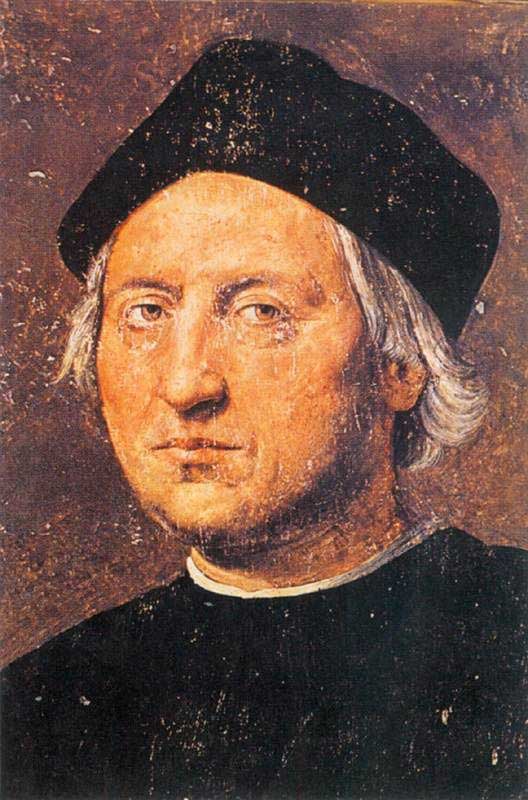
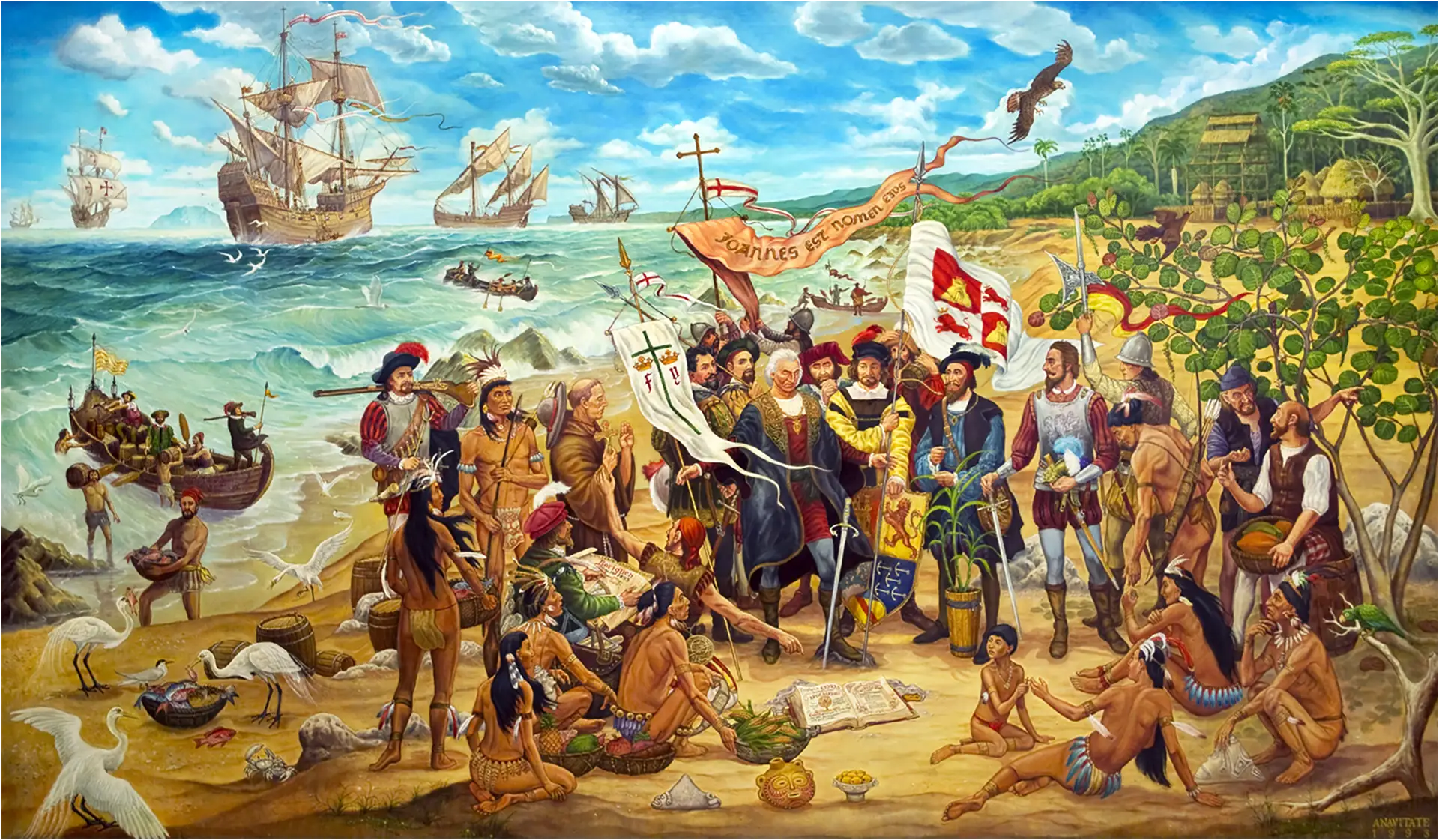
On his second voyage to the Americas, Christopher Columbus sighted the island of Borikén on November 19, 1493. He landed on the western coast, likely near what is now Aguada or Mayagüez, and claimed the island for the Spanish Crown. Columbus renamed the island San Juan Bautista (Saint John the Baptist), reflecting the religious fervor of the era.
During this brief initial encounter, Columbus’s crew observed the Taíno people, noting their villages and peaceful demeanor. While Columbus did not establish a permanent settlement during this visit, his discovery laid the groundwork for future Spanish colonization. This moment, though brief, represents the beginning of the European “founding” of Puerto Rico, introducing the island to the global stage and initiating the complex interplay of cultures that defines it today. Travelers visiting modern Aguada can reflect on this historic landing, imagining the pristine shores that greeted the first Europeans and pondering the profound changes that were about to unfold.
Juan Ponce de León and the Establishment of the First Settlement
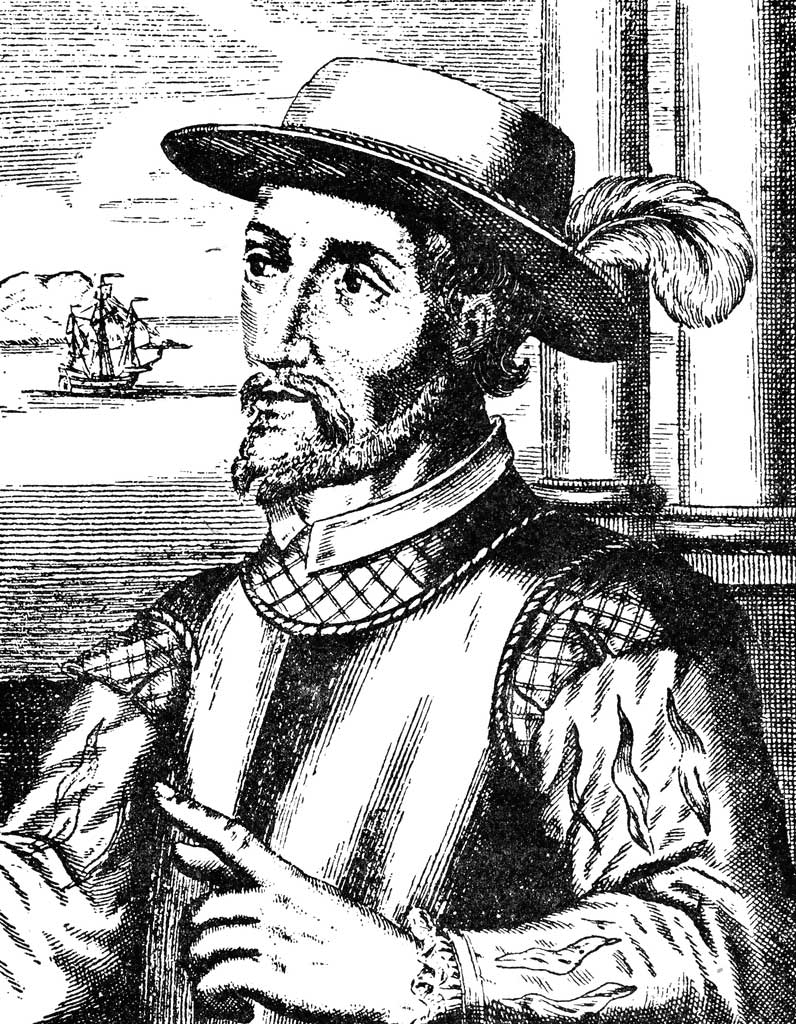
The true “founding” of a permanent European presence in Puerto Rico began in 1508 with the arrival of Juan Ponce de León. A Spanish conquistador who had served under Columbus on his second voyage and later established a reputation as a military leader in Hispaniola, Ponce de León was granted permission by the Spanish Crown to explore and colonize San Juan Bautista.
In 1508, Ponce de León established the first Spanish settlement at Caparra, near what is now the modern capital. This initial site, chosen for its proximity to gold deposits, proved challenging due to its inland location and marshy surroundings. For those interested in delving into the island’s colonial past, visiting the historical remnants of Caparra provides a stark contrast to the bustling modern city it once foreshadowed.
Two years later, in 1510, the settlement was relocated to a more defensible and advantageous coastal site, an islet that offered a natural harbor. This new location became known as Puerto Rico (Rich Port), and eventually, the entire island adopted this name, while the city itself became San Juan. Ponce de León was appointed the first governor of Puerto Rico, effectively establishing Spanish colonial rule.
The early years of this colonial founding were marked by a complex and often tragic interaction between the Spanish settlers and the indigenous Taíno population. The Spanish imposed the encomienda system, forcing Taíno to labor in gold mines and on plantations, leading to widespread suffering, rebellion, and a devastating decline in the indigenous population due to disease and harsh conditions. The colonial project brought profound cultural and demographic shifts, laying the foundation for the diverse, yet complex, society that characterizes Puerto Rico today. Exploring Old San Juan with its ancient streets and historical buildings, travelers can walk in the footsteps of Ponce de León and the early settlers, experiencing the tangible legacy of this pivotal period.
Shaping the Island: Colonial Development and Enduring Heritage
Following the initial establishment of Spanish rule, Puerto Rico rapidly developed into a strategically vital outpost for the Spanish Empire in the Americas. Its geographical position made it a crucial gateway for ships navigating between Europe and the New World, leading to significant investment in fortifications and infrastructure that stand as prominent landmarks today. This period of colonial development, spanning centuries, solidified Puerto Rico’s role and further shaped its unique cultural identity.
Strategic Importance and Fortifications
Puerto Rico’s strategic location made it a coveted prize for other European powers, including the English, French, and Dutch. To protect its valuable port and prevent incursions, the Spanish Crown invested heavily in constructing formidable defenses around San Juan. These magnificent fortifications, built over centuries, are not only engineering marvels but also major tourist attractions and UNESCO World Heritage Sites.
The most iconic of these is El Morro (officially Castillo San Felipe del Morro), a massive citadel perched at the entrance to San Juan Bay. Its construction began in the 16th century and continued for over 250 years, featuring six levels, deep dungeons, and imposing walls designed to withstand naval attacks. Standing guard over the entrance, El Morro successfully repelled numerous assaults, including those led by Sir Francis Drake in 1595 and the Dutch in 1625. For history buffs and those seeking breathtaking views, exploring the labyrinthine passages and windswept ramparts of El Morro is an unforgettable experience, offering a tangible connection to Puerto Rico’s defensive past.
Equally impressive is Castillo San Cristóbal, the largest fortress built by the Spanish in the New World. It was designed to protect San Juan from land-based attacks and covers an astonishing 27 acres. Its construction began in 1634 and continued through the late 18th century, creating a complex system of tunnels, moats, and outer defenses. Together, these fortresses symbolize Puerto Rico’s enduring role as a key military stronghold and are essential stops on any cultural or historical tour of the island. Many hotels and resorts in Old San Juan offer easy access to these landmarks, making them convenient for guests wanting to dive into the island’s profound history.
Another significant landmark from this era is La Fortaleza, built between 1533 and 1540. Originally intended as a fortress to defend the harbor, it eventually became the official residence of Puerto Rico’s governor. Today, it is the oldest continuously used executive mansion in the Americas and serves as the governor’s office and residence, another UNESCO World Heritage Site that offers a glimpse into centuries of governance and power. The blend of military architecture and stately residence makes La Fortaleza a unique historical attraction, exemplifying the continuous evolution of the island’s foundational structures.
Cultural Synthesis and Enduring Heritage
The long period of Spanish colonial rule was also a time of profound cultural synthesis. The initial encounter between the Taíno and Spanish cultures was soon followed by the forced arrival of enslaved Africans, primarily from West Africa, who brought their own vibrant traditions, languages, and beliefs to the island. This tripartite cultural mix — indigenous, European, and African — blended over centuries to form the unique and dynamic Puerto Rican identity that is celebrated today.
This rich cultural fusion is evident in every aspect of Puerto Rico’s daily life. The cuisine, for instance, is a delicious tapestry of influences. Dishes like mofongo (fried plantains mashed with garlic and pork cracklings), pasteles (meat-filled masa wrapped in plantain leaves), and arroz con gandules (rice with pigeon peas) reflect Taíno agricultural products, Spanish cooking techniques, and African spices. For food tourism enthusiasts, Puerto Rico offers an unparalleled culinary journey, where every meal tells a story of its blended heritage.
Music and dance are equally vibrant expressions of this cultural heritage. Genres like salsa, bomba, and plena showcase African rhythms, Spanish melodies, and indigenous vocalizations. Festivals and local celebrations throughout the year are fantastic opportunities for travelers to immerse themselves in these lively traditions, offering authentic experiences that go beyond typical tourist attractions. The Spanish language, with its distinct Puerto Rican dialect, also stands as a testament to the enduring colonial legacy, yet it is infused with words and expressions that hint at the island’s diverse past.
The art and architecture of Puerto Rico also narrate this story of cultural blending. The colorful colonial buildings of Old San Juan, with their intricate balconies and cobblestone streets, transport visitors back to Spanish colonial times. Contemporary art often incorporates indigenous motifs and Afro-Caribbean themes, creating a modern aesthetic that is deeply rooted in history. Understanding this complex cultural heritage enhances any travel experience, allowing visitors to connect with the soul of the island and its people. For those seeking unique cultural experiences, Puerto Rico offers a profound journey into the heart of a truly multicultural society.
Modern Puerto Rico: A Vibrant Destination Rooted in History
Today, Puerto Rico stands as a testament to its complex and multifaceted founding. It is a place where ancient indigenous legacies intertwine with centuries of Spanish colonial rule and the rich contributions of African cultures, all under the contemporary influence of its relationship with the United States. This rich tapestry of history has forged a unique and captivating destination, offering a diverse array of experiences for every type of traveler.
For those drawn by history and landmarks, the cobblestone streets of Old San Juan are a living museum. Here, magnificent Spanish fortresses like El Morro and Castillo San Cristóbal stand proudly, inviting visitors to explore their storied past. The brightly colored colonial buildings house boutique hotels, charming restaurants serving authentic Puerto Rican cuisine, and shops filled with local crafts, offering a perfect blend of historical immersion and modern amenities. Whether you’re interested in luxury travel with stays at historic resorts or a budget-friendly trip exploring local eateries, Old San Juan provides an unforgettable experience.
Beyond the historical urban centers, Puerto Rico’s natural beauty continues to be a major draw. The lush El Yunque National Forest, the only tropical rainforest in the U.S. National Forest System, offers breathtaking hikes, cascading waterfalls, and an unparalleled opportunity for eco-tourism. The island’s pristine beaches, from the surfing havens of Rincón to the tranquil sands of Flamenco Beach on Culebra island, cater to every preference, whether you seek adventure or relaxation. Many villas and apartments are available for booking near these natural attractions, offering comfortable and scenic accommodation options.
The vibrant local culture is another cornerstone of the Puerto Rican experience. From the pulsating rhythms of salsa and bomba that fill the night air to the warm hospitality of its people, the island offers countless opportunities for cultural immersion. Food tours, art walks, and visits to local markets allow travelers to engage directly with the island’s unique heritage and support its communities. For families, Puerto Rico provides a safe and exciting destination with attractions ranging from bioluminescent bays to child-friendly resorts, ensuring an enriching experience for all ages.
In conclusion, the question “Who founded Puerto Rico?” does not have a single answer but rather a symphony of voices spanning millennia. It was founded by the ingenuity of its indigenous peoples, the ambition of European explorers, and the resilience of African communities, all contributing to the rich tapestry of its history. This complex legacy is precisely what makes Puerto Rico such a compelling destination today – an island where every street, every dish, and every melody tells a part of its foundational story. Whether you’re planning a long-term stay to fully absorb its rhythms or a short visit to explore its famous attractions, Puerto Rico promises an experience that is as historically profound as it is beautifully unforgettable.
LifeOutOfTheBox is a participant in the Amazon Services LLC Associates Program, an affiliate advertising program designed to provide a means for sites to earn advertising fees by advertising and linking to Amazon.com. Amazon, the Amazon logo, AmazonSupply, and the AmazonSupply logo are trademarks of Amazon.com, Inc. or its affiliates. As an Amazon Associate we earn affiliate commissions from qualifying purchases.