
The question “How far is Oakland from San Francisco?” is often the first step in planning an adventure across the dynamic Bay Area. While seemingly a simple query about physical distance, it opens up a world of exploration, revealing the diverse travel options, unique attractions, and distinct lifestyles that define these two iconic California cities. Separated by the sparkling waters of San Francisco Bay, Oakland and San Francisco are more than just geographical neighbors; they are vibrant cultural hubs, each offering a unique tapestry of experiences for travelers, from the bustling urban energy and historic landmarks to serene natural escapes and world-class culinary scenes.
Understanding the proximity and accessibility between these two cities is crucial for anyone looking to maximize their Bay Area itinerary. Whether you’re a first-time visitor eager to tick off famous attractions or a seasoned traveler seeking authentic local culture, the journey between Oakland and San Francisco is an integral part of the overall experience. This guide delves into the precise distances, estimated travel times, and an array of transportation methods, ensuring your transition between these metropolitan gems is as seamless and enjoyable as possible. We’ll also explore what makes each city a compelling destination, helping you decide where to stay and what to explore, whether you’re planning a quick day trip, a leisurely long-term stay, or a business trip blending work with pleasure.
Bridging the Bay: Understanding the Distance Between Oakland and San Francisco
While visually close, the exact distance between Oakland and San Francisco can vary depending on your specific starting and ending points, as well as the mode of transportation you choose. Generally, the core of Downtown Oakland to the heart of Downtown San Francisco is a relatively short stretch, primarily connected by one of the Bay Area’s most iconic structures.
The Direct Route: Miles and Minutes Across the Bay
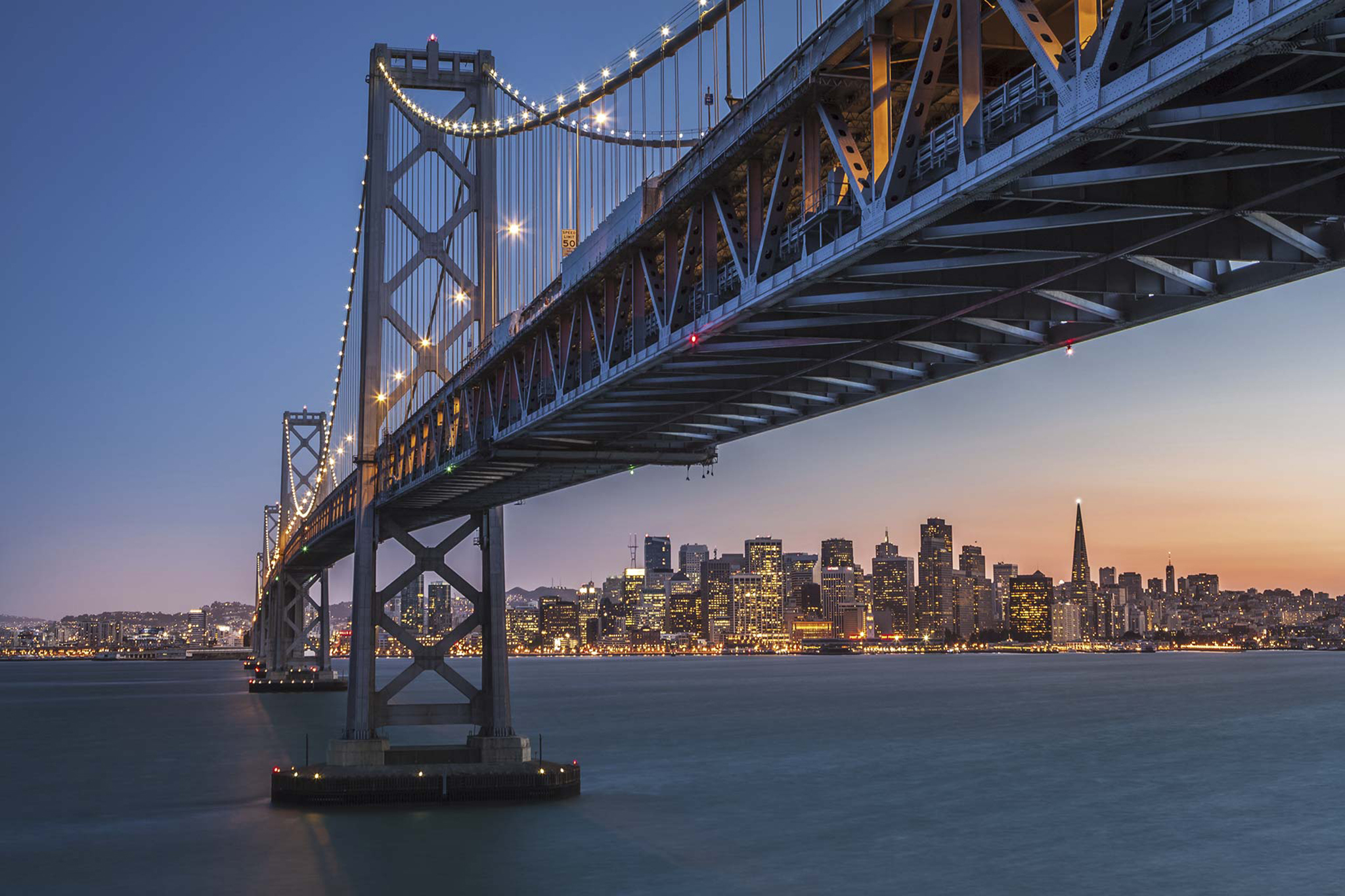
The most common and direct route between Oakland and San Francisco is via the San Francisco–Oakland Bay Bridge, often simply called the Bay Bridge. This engineering marvel spans approximately 8.4 miles (13.5 kilometers) from end to end. If you’re driving, the distance from downtown to downtown is typically around 10-12 miles (16-19 kilometers).
Under ideal traffic conditions, a drive across the Bay Bridge can take as little as 15-20 minutes. However, the Bay Area is notorious for its peak-hour congestion, especially during weekday commutes. During these times, the same drive can easily stretch to 45 minutes to over an hour, so planning your travel times is essential. The bridge is also a toll bridge for westbound traffic (towards San Francisco), which is collected electronically via FasTrak or license plate billing.
More Than Just Miles: A Tale of Two Cities
Beyond the measurable distance, Oakland and San Francisco represent distinct cultural identities. San Francisco is globally renowned for its postcard-perfect landmarks, Victorian architecture, steep hills, and innovative spirit. It’s a city that draws millions for its iconic sights, diverse neighborhoods, and world-class tourism infrastructure.
Oakland, on the other hand, often called “The Town,” boasts a grittier, more authentic local culture and a burgeoning arts and food scene. It’s a city celebrated for its diversity, progressive politics, and vibrant community spirit. While it may not have as many globally recognized landmarks as its neighbor, Oakland offers a rich tapestry of experiences, from serene urban lakes to historic waterfront districts. Many visitors choose to stay in Oakland for its often more affordable accommodation options and then travel to San Francisco for specific attractions, or vice-versa, creating a dynamic Bay Area itinerary. This interplay makes understanding travel between the two critical for any comprehensive guide to the region.
Seamless Journeys: Navigating Between Oakland and San Francisco
The good news for travelers is that the Bay Area offers a comprehensive network of transportation options, making travel between Oakland and San Francisco relatively straightforward and often enjoyable. From efficient public transport to scenic ferry rides, there’s a method to suit every preference and budget, enhancing your overall travel experience.
Public Transportation: Efficient and Scenic Options
For many, public transportation is the preferred way to cross the bay, offering convenience, cost-effectiveness, and often stunning views.
BART (Bay Area Rapid Transit)
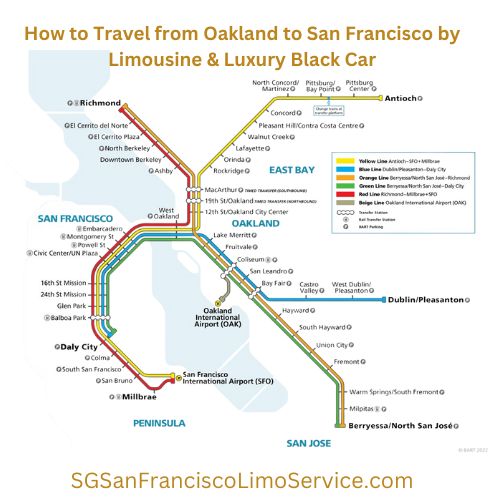
The Bay Area Rapid Transit (BART) system is the lifeline connecting Oakland and San Francisco. This electric commuter rail operates through an underwater tube beneath the Bay, providing a fast and reliable link.
- Convenience: BART stations are strategically located in both cities. Key stations in Oakland include 12th Street Oakland City Center, 19th Street Oakland, and Lake Merritt, connecting to areas like Uptown, Downtown, and Chinatown. In San Francisco, stations like Embarcadero, Montgomery Street, Powell Street, and Civic Center/UN Plaza place you right in the heart of major attractions and business districts, including Union Square and the Ferry Building.
- Travel Time: A typical BART ride from Downtown Oakland to Downtown San Francisco takes approximately 15-20 minutes. This is often faster than driving during peak hours, as it bypasses bridge traffic entirely.
- Cost: Fares are based on distance, but a one-way trip between the core areas generally costs between $4-$5. BART tickets can be purchased at stations, or you can use a Clipper Card (a reusable transit card).
- Frequency: Trains run frequently throughout the day, with reduced service in the evenings and on weekends.
Ferry Services
For a more picturesque and leisurely journey, the San Francisco Bay Ferry offers an unbeatable experience.
- Routes: Ferries primarily run from Jack London Square in Oakland to the Ferry Building and Pier 41 in San Francisco.
- Scenic Views: This mode of transport doubles as a scenic tour, offering breathtaking panoramic views of the Bay Bridge, Alcatraz Island, the San Francisco skyline, and the Golden Gate Bridge on clear days. It’s often considered one of the best travel experiences in the Bay Area.
- Travel Time: Ferry rides typically last around 25-30 minutes, not including boarding time.
- Cost: Fares are comparable to BART, often a few dollars more for the experience. Clipper Card is accepted.
- Experience: The Ferry Building in San Francisco is a landmark in itself, housing a gourmet marketplace, perfect for grabbing a bite before or after your journey.
AC Transit Buses

While less common for direct city-to-city commutes compared to BART or the ferry, AC Transit operates bus lines that cross the Bay Bridge, connecting various points in the East Bay with San Francisco. These can be a viable option, especially for travelers staying in areas not directly served by BART. However, bus travel is subject to the same traffic conditions as driving a car, which can lead to longer travel times during peak hours.
Driving and Ride-Sharing: Flexibility and Convenience
For those who prioritize flexibility or have luggage, driving or using ride-sharing services remain popular choices.
- Driving: Having your own vehicle offers the most flexibility for exploring at your own pace, especially if your itinerary includes sites outside the immediate city centers. However, this comes with several considerations:
- Traffic: As mentioned, Bay Bridge traffic can be severe, adding significant time to your journey.
- Tolls: The westbound Bay Bridge toll varies by time of day, typically ranging from $7-$9.
- Parking: San Francisco is infamous for its expensive and challenging parking. Factor in parking garage costs, which can quickly add up, or be prepared for a hunt for street parking. Many hotels in San Francisco also charge steep daily parking fees.
- Ride-Sharing (Uber/Lyft) and Taxis: Services like Uber and Lyft are readily available in both cities and offer door-to-door convenience.
- Cost: Fares can vary significantly based on demand (surge pricing), time of day, and traffic conditions. A trip between Oakland and San Francisco can range from $30-$60 or more.
- Convenience: Ideal for those with luggage, late-night travel, or when you prefer not to navigate public transport. Taxis are also available but tend to be slightly more expensive.
Cycling: For the Adventurous Traveler
While not for everyone, avid cyclists can also make the journey between Oakland and San Francisco. It’s important to note that cycling directly across the main span of the Bay Bridge is not permitted for the full length. However, there is a dedicated pedestrian and bike path on the eastern span of the Bay Bridge (the Oakland side), offering spectacular views and connecting Oakland to Yerba Buena Island and Treasure Island. From there, cyclists would need to take another mode of transport (like a specific shuttle or ride-share) to complete the journey into San Francisco. This option is best suited for those seeking a unique outdoor experience and who are comfortable with varied terrain and combining modes of transport.
Exploring the Jewels of the Bay: What Awaits You
Whether you choose to base yourself in Oakland or San Francisco, both cities offer an incredible array of attractions, activities, and cultural experiences. Understanding what each city brings to the table can help you craft the perfect Bay Area adventure.
Oakland’s Vibrant Charms: Beyond the Bridge
Oakland is a city of dynamic neighborhoods, thriving arts, and a burgeoning culinary scene. It’s an excellent choice for travelers looking for an authentic California experience with a slightly more relaxed pace than its bustling neighbor.
- Lake Merritt: A stunning tidal lagoon and the jewel of Oakland, offering a 3.4-mile path popular for jogging, cycling, and picnics. You can also rent paddle boats or gondolas. It’s a natural urban oasis, perfect for enjoying nature within the city.
- Jack London Square: A historic waterfront area named after the famous author, bustling with restaurants, shops, and entertainment venues. You can catch a ferry to San Francisco from here, explore the historic USS Potomac (FDR’s floating White House), or enjoy fresh seafood.
- Uptown Arts District: This area has undergone a significant revitalization, becoming a hub for art galleries, live music venues like the historic Fox Theater and Paramount Theatre, and trendy bars and restaurants. It’s a fantastic spot for nightlife and local culture.
- Oakland Museum of California: A unique museum that showcases the history, natural sciences, and art of California. Its terraced gardens and diverse collections make it a rewarding visit.
- Chinatown: One of the oldest Chinatowns in the United States, offering a vibrant array of shops, authentic eateries, and cultural experiences.
- Food Scene: Oakland’s culinary landscape is incredibly diverse, from Michelin-starred restaurants to casual food trucks. The city is known for its farm-to-table ethos and wide range of international cuisines.
- Accommodation: Oakland offers a variety of accommodation options, including boutique hotels in Uptown, well-known chains near the airport, and charming vacation rentals in residential neighborhoods, often at a more attractive price point than San Francisco.
San Francisco’s Iconic Allure: A World-Class Destination
San Francisco needs little introduction, as its landmarks are recognized worldwide. It’s a city that consistently ranks as a top global destination for its unique blend of scenic beauty, cultural richness, and vibrant lifestyle.
- Golden Gate Bridge: No visit to San Francisco is complete without seeing this engineering marvel. Walk, bike, or drive across it for incredible views of the Pacific Ocean and San Francisco Bay.
- Alcatraz Island: Take a ferry to this infamous former prison for a fascinating glimpse into its history. Book tickets well in advance!
- Fisherman’s Wharf & Pier 39: A lively waterfront area known for its seafood, souvenir shops, street performers, and the famous sea lions at Pier 39.
- Golden Gate Park: Larger than New York’s Central Park, this sprawling urban oasis houses the California Academy of Sciences, the de Young Museum, the Japanese Tea Garden, and countless walking paths and gardens.
- Coit Tower: Perched atop Telegraph Hill, this iconic tower offers 360-degree views of the city and bay, along with historic murals inside.
- Union Square: The city’s premier shopping district, home to luxury boutiques, department stores, theaters, and a wide selection of upscale hotels.
- Lombard Street: The “most crooked street in the world” is a fun (and often crowded) photo opportunity.
- Neighborhoods: Explore the colorful Victorian houses of Haight-Ashbury, the vibrant murals and Mission Burritos of the Mission District, or the upscale boutiques of Pacific Heights.
- Accommodation: San Francisco offers an extensive range of hotels, from historic boutique hotels and luxury resorts to budget-friendly hostels. Expect higher prices, especially in prime tourist areas like Union Square or Fisherman’s Wharf. Many accommodation options provide unique suites and amenities to enhance your stay.
Choosing Your Base: Oakland or San Francisco for Your Bay Area Adventure
Deciding where to stay is a key part of planning your Bay Area trip, heavily influencing your travel budget, daily commute, and overall experience. Both Oakland and San Francisco offer distinct advantages as a home base.
Staying in Oakland: Value and Local Flavor
Choosing Oakland as your base offers a blend of affordability, authentic local culture, and convenient access to the entire Bay Area.
- Pros:
- More Affordable Accommodation: Generally, hotel rates and apartment rentals in Oakland are more budget-friendly than in San Francisco, allowing you to save on your overall trip costs, which is great for budget travel or long-term stays.
- Authentic Local Culture: Immerse yourself in Oakland’s vibrant arts scene, diverse culinary landscape, and community-focused atmosphere. It often feels less touristy than San Francisco.
- Easier Access to the East Bay: If your plans include exploring beyond San Francisco to areas like Berkeley, Wine Country, or further inland, Oakland provides a more central starting point.
- Oakland International Airport (OAK): For those flying into OAK, staying in Oakland eliminates the need for an immediate cross-bay journey.
- Considerations: Your primary focus will determine if Oakland is the best choice. While travel to San Francisco is easy via BART or ferry, it still adds a daily commute to your itinerary, which might not be ideal if you plan to spend every waking hour exploring San Francisco’s landmarks.
Staying in San Francisco: Centrality and Iconic Experiences
Choosing San Francisco means you’re right in the thick of the action, with most major attractions within easy reach.
- Pros:
- Proximity to Major Attractions: Many of San Francisco’s most famous sights—the Golden Gate Bridge, Fisherman’s Wharf, Alcatraz—are either walkable or a short public transport ride away.
- Extensive Hotel Options: The city boasts a vast selection of hotels, from opulent luxury resorts offering unparalleled amenities to charming boutique hotels and serviced apartments perfect for family trips or those seeking a long-term stay.
- Walkability: Many San Francisco neighborhoods are highly walkable, allowing you to explore the city’s unique charm on foot.
- Vibrant Nightlife and Dining: The city offers an endless array of dining and entertainment options, many within easy reach of central accommodation hubs.
- Cons: Higher accommodation costs are a significant factor, as are parking challenges and potential for larger crowds, especially during peak tourist seasons. For budget travel, San Francisco might require more careful planning.
Ultimately, whether you choose Oakland or San Francisco as your primary base, the excellent connectivity between them ensures that you won’t miss out on any of the Bay Area’s wonders. Consider your priorities—budget, preferred atmosphere, and specific attractions—to make the best decision for your travel style.
In conclusion, the distance between Oakland and San Francisco is a mere handful of miles, easily traversable by a variety of efficient and enjoyable transportation methods. From the rapid transit of BART to the scenic beauty of a ferry ride across the bay, bridging these two distinct cities is a key part of any comprehensive Bay Area travel itinerary. Each city offers a unique flavor, Oakland with its burgeoning arts scene and authentic local culture, and San Francisco with its iconic landmarks and world-renowned attractions. By understanding the nuances of their proximity and the wealth of options for moving between them, you can craft a visit that seamlessly blends the charms of both, ensuring a truly unforgettable Bay Area experience. Whether you seek luxury travel with all the amenities or a budget-friendly trip focused on local food and culture, the journey between Oakland and San Francisco is an adventure in itself.
LifeOutOfTheBox is a participant in the Amazon Services LLC Associates Program, an affiliate advertising program designed to provide a means for sites to earn advertising fees by advertising and linking to Amazon.com. Amazon, the Amazon logo, AmazonSupply, and the AmazonSupply logo are trademarks of Amazon.com, Inc. or its affiliates. As an Amazon Associate we earn affiliate commissions from qualifying purchases.