
The allure of Napa Valley, with its rolling vineyards, world-class wineries, and gourmet dining experiences, beckons travelers from across the globe. For many, the journey begins in the vibrant metropolis of San Francisco, a city renowned for its iconic landmarks, diverse culture, and stunning bay views. A common question for those planning a getaway to California’s wine country is: “How far is Napa Valley from San Francisco?” This guide will delve into the distances, travel times, various transportation options, and offer insights into making your trip from the bustling city to the tranquil vineyards as seamless and enjoyable as possible.

Distance and Travel Time: Mapping Your Route to Wine Country
The distance between San Francisco and Napa Valley isn’t vast, making it an ideal destination for a day trip, a weekend escape, or a longer, more immersive experience. The exact distance can vary slightly depending on your starting point in San Francisco and your specific destination within the Napa Valley, which stretches from the city of Napa in the south to Calistoga in the north.
On average, the drive from downtown San Francisco to the heart of Napa (the main gateway to the valley) is approximately 50 to 60 miles (80 to 97 kilometers).
Factors Influencing Travel Time
While the mileage might seem modest, several factors can influence the actual travel time:
- Traffic Conditions: San Francisco and its surrounding Bay Area are notorious for traffic congestion, especially during peak commute hours (typically 6-9 AM and 3-6 PM on weekdays). A drive that might take 1 hour and 15 minutes in light traffic could easily stretch to 2 hours or more during these times. Planning your departure to avoid these periods is highly recommended.
- Specific Destination in Napa Valley: The further north you travel into the valley, the longer your drive will be. For instance, reaching Yountville adds another 10-15 minutes, while St. Helena or Calistoga could add 20-30 minutes beyond the city of Napa.
- Route Taken: There are a couple of primary routes, each offering slightly different travel times and scenic experiences.
Considering these variables, you can generally expect the journey by car to take anywhere from 1 hour and 15 minutes to 2 hours on average.
Getting There: Transportation Options from San Francisco to Napa Valley
Exploring Napa Valley requires a bit of planning, especially when it comes to transportation. While self-driving offers maximum flexibility, other options cater to different preferences, whether you prioritize convenience, sustainability, or the desire to indulge in wine tastings without worrying about driving.
Driving Yourself: The Most Flexible Option
Driving remains the most popular way to reach Napa Valley from San Francisco. It provides the freedom to explore the numerous wineries, gourmet restaurants, and charming towns at your own pace.
There are two main routes to consider:
- Via the Golden Gate Bridge and US-101 North: This route offers breathtaking views as you cross the iconic Golden Gate Bridge. After crossing, you’ll follow US-101 North through Marin County to Novato, then take CA-37 East across the San Pablo Bay marshes, eventually connecting to CA-29 North, which runs directly through the heart of Napa Valley. This route is often favored for its scenic beauty, especially the bridge crossing.
- Via the Bay Bridge and I-80 East: This route takes you over the Bay Bridge into the East Bay, where you’ll take I-80 North towards Vallejo. From there, you’ll exit onto CA-37 West (briefly) or connect directly to CA-29 North. While less scenic than the Golden Gate Bridge route, it can sometimes be quicker, especially if you’re departing from the eastern parts of San Francisco or if traffic on the Golden Gate Bridge is particularly heavy.
Important Note for Drivers: Always designate a sober driver if you plan on participating in wine tastings. Many wineries offer spit buckets, and tasting small amounts can quickly add up. Consider hiring a private driver for the day or utilizing local taxis/ride-shares once in Napa Valley.
Public Transportation: A Multi-Leg Journey
While not as direct as driving, it is possible to reach Napa Valley using a combination of public transit, though it involves multiple transfers and generally takes longer.
- BART to Ferry to Bus: Take BART from San Francisco to the Embarcadero Station or another station connected to the San Francisco Bay Ferry terminal. Catch a ferry from the Ferry Building in San Francisco to Vallejo. From the Vallejo Ferry Terminal, you can transfer to a Vine Transit bus (Route 10) which travels up CA-29 through Napa Valley towns like Napa, Yountville, and St. Helena. This option is scenic, especially the ferry ride, but it’s time-consuming (2.5-3.5 hours minimum) and less convenient for winery hopping.
Private Tours and Shuttles: Convenience and Guided Experiences
For a hassle-free experience, many travelers opt for guided tours or private shuttle services.
- Group Tours: Numerous tour companies offer full-day trips from San Francisco to Napa Valley (often including Sonoma Valley as well). These tours typically include round-trip transportation, visits to 2-3 wineries, and sometimes lunch or other activities. This is an excellent option for those who want a curated experience and don’t want to worry about logistics or driving.
- Private Car Services/Shuttles: For a more luxurious and personalized experience, you can hire a private car service or a dedicated shuttle. These services offer door-to-door transportation, often in comfortable vehicles, and can be customized to your preferred itinerary. This is ideal for groups or those seeking a premium travel experience without the burden of driving.
Ride-Sharing Services: On-Demand Flexibility
Ride-sharing services like Uber or Lyft are available from San Francisco to Napa Valley. While convenient for one-way travel, the cost can be significant, ranging from $100-$200 or more, depending on demand and vehicle type. It’s generally not recommended for round trips or for touring the valley itself due to the potential for high costs and limited availability of drivers in more remote vineyard areas.
Making the Most of Your Trip: What to See and Do in Napa Valley
Once you’ve arrived, Napa Valley unfolds as a playground for the senses, offering far more than just wine. Its reputation as a premier travel destination is built on a foundation of exceptional experiences in tourism, local culture, and lifestyle.
Iconic Wineries and Tasting Experiences
The primary draw of Napa Valley is, of course, its wine. The valley boasts hundreds of wineries, from small, family-owned operations to grand, internationally recognized estates.
- Classic Tastings: Most wineries offer tasting flights, allowing you to sample a selection of their wines. Many require reservations, especially for weekends and during peak season. Consider visiting renowned establishments like Castello di Amorosa, a Tuscan-style castle winery, or the elegant Domaine Carneros known for its sparkling wines. For those interested in premium Cabernet Sauvignon, a visit to Opus One Winery or Robert Mondavi Winery offers an insight into the region’s rich winemaking history.
- Cave Tours and Educational Experiences: Many wineries provide guided tours of their vineyards, production facilities, and underground wine caves, offering a deeper understanding of the winemaking process. These experiences often conclude with a curated tasting.
- Food and Wine Pairings: Elevate your tasting experience with a guided food and wine pairing, where expert sommeliers explain how different wines complement various dishes, enhancing both the flavors.
Culinary Delights and Fine Dining
Napa Valley is as famous for its culinary scene as it is for its wines. It’s a gastronomic paradise, home to some of the world’s most celebrated restaurants and chefs.
- Michelin Guide Stars: Yountville alone boasts multiple Michelin Guide-starred restaurants, including the legendary The French Laundry by Thomas Keller. Reservations for such establishments often need to be made months in advance.
- Bistros and Cafes: Beyond fine dining, you’ll find an abundance of fantastic bistros, casual cafes, and farm-to-table restaurants that highlight the region’s fresh, local produce. Bouchon Bistro, also in Yountville, offers classic French fare in a more relaxed setting.
- Oxbow Public Market: In the city of Napa, the Oxbow Public Market is a vibrant hub featuring local vendors, artisanal foods, cafes, and gourmet shops, perfect for a casual lunch or picking up some local delicacies.
Beyond Wine: Other Attractions and Experiences
While wine is central, Napa Valley offers a wealth of other attractions and activities.
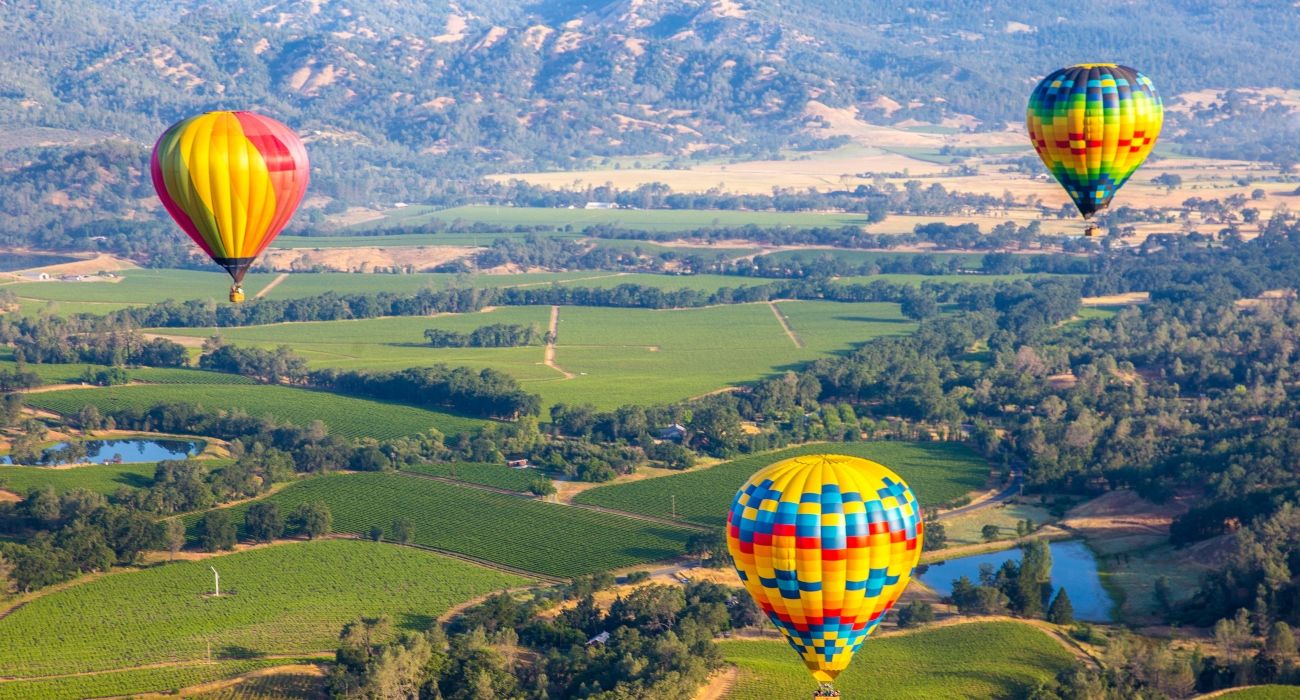
- Hot Air Balloon Rides: Experience the breathtaking beauty of the valley from above with a sunrise Hot Air Balloon ride, offering panoramic views of vineyards, mountains, and the occasional morning fog.
- Spa and Wellness: Calistoga is particularly known for its natural hot springs and mud baths, offering rejuvenating spa treatments that are perfect for relaxation.
- Art Galleries and Boutiques: Stroll through the charming towns like St. Helena and Yountville, which feature numerous art galleries, boutique shops, and artisanal craft stores.
- The Napa Valley Wine Train: Enjoy a gourmet meal aboard a beautifully restored antique train as it winds its way through the valley’s picturesque landscapes. The Wine Train offers various dining experiences, from lunch to dinner, and often includes winery stops.
Where to Stay: Accommodation in Napa Valley
To truly immerse yourself in the Napa Valley experience, consider an overnight stay. The region offers a diverse range of accommodations, from ultra-luxury resorts to charming bed and breakfasts, catering to every budget and style of traveler.
Luxury Resorts and Boutique Hotels
For those seeking an indulgent escape, Napa Valley is home to some of California’s most exquisite resorts, often featuring world-class spas, fine dining, and stunning vineyard views.
- Auberge du Soleil (Rutherford): Perched on a hillside overlooking olive groves and vineyards, this iconic resort offers unparalleled luxury, a Michelin Guide-starred restaurant, and an award-winning spa.
- Bardessono Hotel & Spa (Yountville): Known for its sophisticated design and commitment to sustainability, Bardessono offers spacious suites, a rooftop pool, and a serene spa experience in the heart of Yountville.
- Solage Calistoga (Calistoga): A modern and chic resort in Calistoga, famous for its geothermal pools, contemporary bungalows, and the renowned Solbar restaurant.
- Silverado Resort and Spa (Napa): Offering golf courses, multiple pools, and a full-service spa, Silverado Resort provides a more expansive resort experience, popular for both leisure and business stays.
- Carneros Resort and Spa (Napa): Located in the picturesque Carneros region, this resort features private cottages with outdoor showers, fire pits, and offers a luxurious farm-country escape.
Charming B&Bs and Guesthouses
For a more intimate and personalized experience, the valley’s bed and breakfasts and guesthouses offer a cozy retreat, often with delicious homemade breakfasts and local insights from hosts. These options allow travelers to immerse themselves in the local culture and hospitality. Many are housed in beautifully restored historic homes or quaint farmhouses, providing a unique charm that larger hotels might lack.
Vacation Rentals and Villas
For families, groups, or those planning a longer stay, vacation rentals, apartments, and private villas are excellent choices. These accommodations often come with fully equipped kitchens, multiple bedrooms, and private outdoor spaces, offering a home-away-from-home feel. Websites specializing in vacation rentals provide a wide selection, from rustic farmhouses to modern luxury estates, allowing visitors to compare options and find the perfect fit for their needs and budget.
Planning Your Napa Valley Adventure: Tips and Considerations
A trip to Napa Valley requires thoughtful planning to ensure a memorable experience. From timing your visit to managing your budget, a few key tips can help you navigate this world-class destination.
Best Time to Visit
- Spring (March to May): The vineyards are lush and green, mustard flowers bloom vibrantly between the rows, and the weather is generally mild and pleasant. This is a popular time, so book accommodations and tastings in advance.
- Summer (June to August): Warm and sunny, perfect for outdoor activities. This is peak tourist season, meaning higher prices and larger crowds. Reserve everything well in advance.
- Fall (September to November): Harvest season! This is arguably the most exciting time to visit, with grapes being picked and the valley buzzing with activity. The weather is usually beautiful, and the fall foliage is stunning. It is also the busiest and most expensive time.
- Winter (December to February): The quietest season, offering lower prices and fewer crowds. Wineries are less busy, and you might find more intimate tasting experiences. The weather can be cool and rainy, but clear days are crisp and beautiful.
Budgeting for Your Trip
Napa Valley can be an expensive destination, but there are ways to enjoy it regardless of your budget.
- Winery Tastings: Tasting fees typically range from $25 to $75 per person, with some exclusive experiences costing upwards of $100+. Look for wineries that waive tasting fees with a bottle purchase. Consider a wine pass if visiting multiple wineries.
- Dining: Fine dining experiences can be very costly. Balance high-end meals with casual lunches at places like Oxbow Public Market or picnics purchased from local delis.
- Accommodation: Prices fluctuate significantly based on season and day of the week. Weekday stays in the off-season will be more budget-friendly. Consider staying in the city of Napa for slightly more affordable hotel options compared to towns like Yountville or St. Helena.
- Transportation: Driving yourself is generally the most cost-effective option if you have a designated driver. Group tours can also be a good value for single travelers or couples.

Essential Packing List
Beyond your usual travel essentials, consider these items for your Napa Valley adventure:
- Layers: Even on warm days, mornings and evenings can be cool, especially in cellars.
- Comfortable Shoes: You’ll likely be doing a fair amount of walking, especially if taking vineyard tours.
- Sun Protection: Hat, sunglasses, and sunscreen are essential, particularly during warmer months.
- Hydration: Bring a reusable water bottle. It’s crucial to stay hydrated, especially when consuming alcohol.
- Cooler Bag: If you plan to purchase wine, a small cooler bag can help keep bottles at a stable temperature until you return home, protecting your precious souvenirs.
The journey from San Francisco to Napa Valley is more than just a commute; it’s the beginning of an unforgettable travel experience. Whether you seek luxurious indulgence, culinary excellence, or simply the tranquility of rolling vineyards, Napa Valley promises a distinct blend of culture, lifestyle, and natural beauty, all within a comfortable distance from the vibrant city by the Pacific Coast. Plan wisely, drive safely, and prepare to be enchanted by California’s most celebrated wine region.
LifeOutOfTheBox is a participant in the Amazon Services LLC Associates Program, an affiliate advertising program designed to provide a means for sites to earn advertising fees by advertising and linking to Amazon.com. Amazon, the Amazon logo, AmazonSupply, and the AmazonSupply logo are trademarks of Amazon.com, Inc. or its affiliates. As an Amazon Associate we earn affiliate commissions from qualifying purchases.