
San Francisco, a city synonymous with iconic landmarks, vibrant culture, and a perpetually evolving meteorological tapestry, beckons travelers with its unique charm. Understanding the prevailing weather conditions is not merely a logistical consideration; it is an integral part of crafting an unforgettable San Francisco experience. This guide delves into the nuances of San Francisco’s climate, offering insights to help you pack wisely and plan your adventures, whether you’re scaling the heights of the Golden Gate Bridge or savoring the culinary delights of North Beach.
Understanding San Francisco’s Microclimates and Seasonal Variations
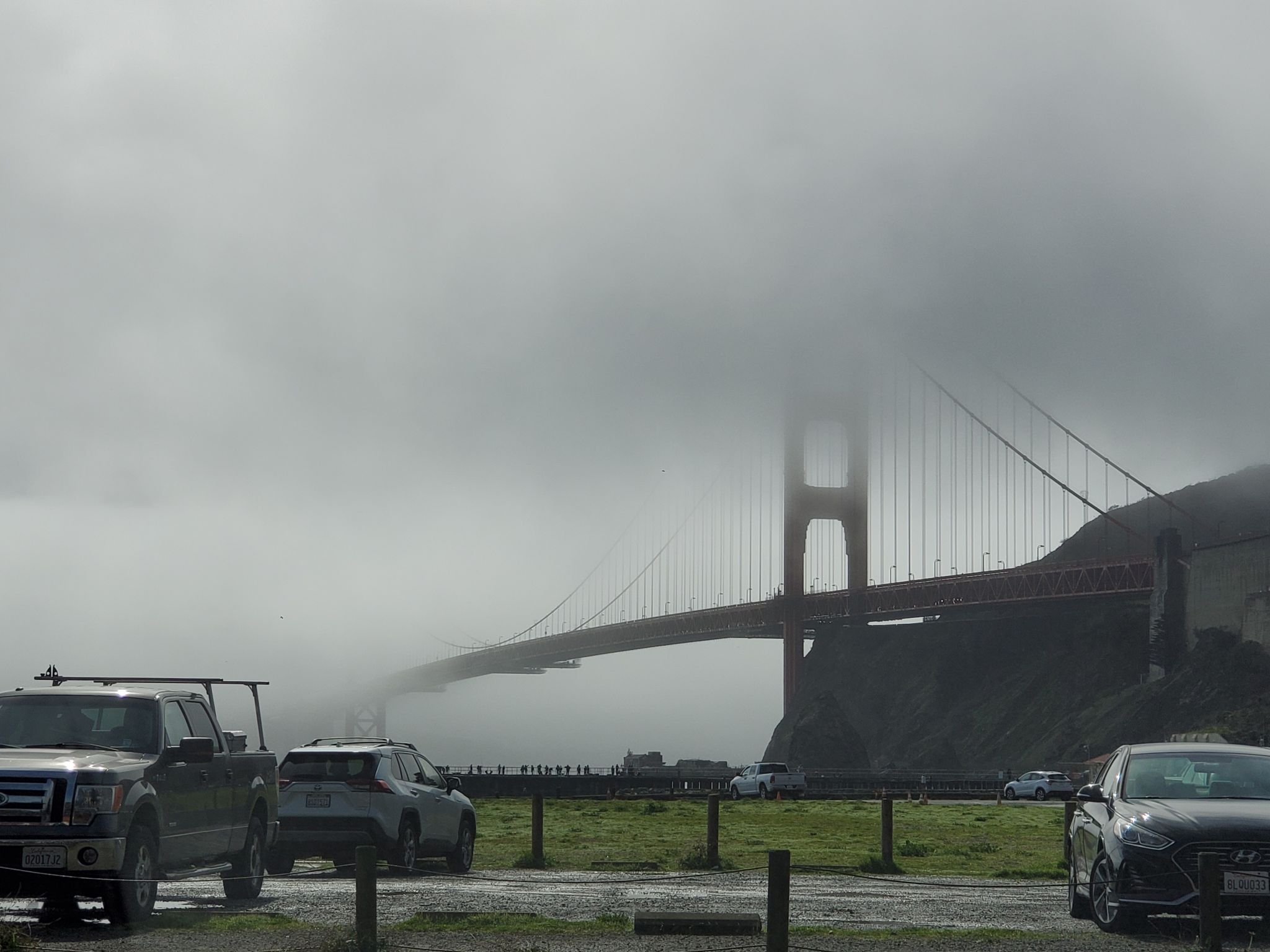
San Francisco’s geography, nestled on a peninsula with the Pacific Ocean to its west and the San Francisco Bay to its east, creates a fascinating array of microclimates. This means that the weather can differ significantly even within a few miles. The city’s iconic fog, a regular visitor, plays a crucial role in moderating temperatures and shaping the daily atmospheric narrative.

The Influence of the Pacific Ocean and San Francisco Bay
The cool waters of the Pacific Ocean are the primary driver of San Francisco’s famously mild, yet often cool, summers. During the warmer months, prevailing westerly winds draw this cool ocean air inland. As this moist air encounters the warmer landmass, it rises, condenses, and forms the characteristic fog that frequently blankets the western and northern parts of the city, particularly in the mornings and evenings. This fog acts as a natural air conditioner, keeping summer temperatures surprisingly moderate, often in the 60s Fahrenheit, even when inland cities like Sacramento swelter in the 90s.
The San Francisco Bay, on the other hand, can influence the eastern and southern parts of the city. While still subject to ocean breezes, these areas may experience slightly warmer temperatures and less fog, especially during the late afternoon and evening. This geographical dichotomy means that a sunny afternoon in the Mission District could be accompanied by a thick fog rolling through Ocean Beach.
Seasonal Weather Patterns: A Year-Round Destination
San Francisco can be visited year-round, with each season offering its own distinct weather personality and set of potential activities.
Spring (March – May): A Gentle Awakening
Spring in San Francisco is characterized by a gradual warming of temperatures and a decrease in rainfall. While early spring can still see lingering showers, by April and May, the city typically enjoys more sunshine and crisp, pleasant days. The fog often begins to recede, offering clearer skies and more comfortable conditions for outdoor exploration. This is an excellent time to visit if you prefer cooler temperatures for walking and sightseeing, with average daytime highs in the low to mid-60s Fahrenheit.
Summer (June – August): The Foggy Embrace
Contrary to what many might expect, San Francisco’s summers are not typically hot and sunny. Instead, they are defined by the pervasive influence of the marine layer. June, often referred to as “June Gloom,” and July can be particularly foggy and cool, especially in the western neighborhoods. August often sees the fog begin to burn off earlier in the day, allowing for more sunshine. Temperatures generally remain cool, with highs rarely exceeding the low 70s Fahrenheit, even in the sunniest areas. Layers are absolutely essential for summer in San Francisco, as you can experience cool, foggy mornings giving way to breezy, sunny afternoons, and then back to cool evenings.
Autumn (September – November): The “Indian Summer”
San Francisco’s most reliable and warmest weather often occurs in the fall, a phenomenon sometimes referred to as an “Indian Summer.” The marine layer tends to dissipate more frequently during September and October, leading to the clearest skies and warmest temperatures of the year. This is when the city truly shines, with extended periods of sunshine and comfortable highs often reaching the mid-70s Fahrenheit. November can see a return to cooler, breezier conditions as the winter rainy season approaches, but it remains a beautiful time to visit with fewer crowds.
Winter (December – February): Mild and Sometimes Wet
San Francisco winters are generally mild, with temperatures rarely dropping below freezing. While rain is more common during these months, it typically comes in the form of showers rather than prolonged downpours. There are still plenty of sunny, crisp days interspersed with the rain. Daytime temperatures usually range from the mid-50s to low 60s Fahrenheit. This season is ideal for enjoying the city’s indoor attractions, cozying up in cafes, and experiencing the dramatic coastal views with fewer tourists.
Preparing for San Francisco’s Unique Weather: Essential Packing and Planning Tips

Navigating San Francisco’s climate requires a proactive approach to packing and planning. The key to comfort and enjoyment lies in embracing the city’s variable conditions.
The Art of Layering: Your Wardrobe’s Best Friend
The most crucial piece of advice for visiting San Francisco, regardless of the season, is to embrace layering. The rapid temperature shifts and the omnipresent fog mean you can experience a significant temperature change within a few hours.
- Base Layer: A comfortable t-shirt or long-sleeved shirt forms your foundation.
- Mid-Layer: A fleece jacket, a sweater, or a light cardigan provides insulation.
- Outer Layer: A windbreaker, a waterproof jacket, or a light-to-medium weight coat is essential. Even in summer, a windproof outer layer is invaluable against the coastal breezes.
Think in terms of shedding or adding layers as the day progresses or as you move between different microclimates. A simple trip from the sunny Ferry Building Marketplace to the often foggy Palace of Fine Arts can necessitate a change in your attire.
Footwear for Exploration
Comfortable walking shoes are non-negotiable. You’ll likely be doing a lot of walking to explore neighborhoods like Chinatown or to ascend the city’s famous hills. Consider shoes that offer good support and can handle a variety of surfaces. If your visit falls within the rainy season, waterproof footwear or those that can dry quickly are a wise choice.
Accessories to Consider
- Scarf: A light scarf can add warmth and style, and it’s easily removed when not needed.
- Hat: A brimmed hat can provide sun protection on clearer days, while a beanie might be welcome on cooler, foggier mornings.
- Sunglasses: Even on foggy days, the sun can be bright when it breaks through.
- Umbrella: A compact, travel-sized umbrella is useful for unexpected showers during the wetter months.
Practical Weather Forecasting and Planning Your Day
Staying informed about the daily forecast is essential for maximizing your San Francisco adventure.
Utilizing Reliable Weather Resources
Several excellent resources can help you stay updated on San Francisco’s weather.
- Local News Websites: Major San Francisco news outlets often provide detailed local weather forecasts.
- Weather Apps: Popular weather applications offer real-time updates, hourly forecasts, and radar information. Look for apps that specifically provide detailed information for San Francisco.
- City-Specific Weather Blogs or Websites: Some travel websites or blogs dedicated to San Francisco may offer insights into the day’s weather patterns.
When checking the forecast, pay attention to not just the temperature but also the wind speed and direction, as well as the likelihood and timing of fog. This will help you anticipate conditions, for example, if you plan to visit Alcatraz Island where wind and fog can significantly impact the experience.
Adapting Your Itinerary to the Forecast
Once you have a clear understanding of the day’s weather, you can adapt your itinerary accordingly.
- Sunny and Clear Days: These are perfect for outdoor activities like exploring the Golden Gate Park, walking along the waterfront, or visiting attractions like the California Academy of Sciences. Pack lighter layers and enjoy the sunshine.
- Foggy or Overcast Days: These days are ideal for delving into San Francisco’s rich cultural offerings. Visit museums such as the de Young Museum or the San Francisco Museum of Modern Art (SFMOMA), explore indoor markets like the Ferry Building Marketplace, or enjoy the vibrant atmosphere of neighborhoods like Union Square. Don’t forget your layers to stay comfortable.
- Rainy Days: Embrace the opportunity to experience San Francisco’s cozy side. Enjoy a leisurely brunch, explore independent bookstores, catch a show, or visit an aquarium. Many of the city’s iconic cable car routes are still operational and offer a unique way to see the city, even in light rain.
By understanding and respecting San Francisco’s dynamic weather, you can ensure your visit is comfortable, enjoyable, and filled with the memorable experiences this captivating city has to offer. The city’s climate, though sometimes unpredictable, is an intrinsic part of its identity and adds to its unique allure.
LifeOutOfTheBox is a participant in the Amazon Services LLC Associates Program, an affiliate advertising program designed to provide a means for sites to earn advertising fees by advertising and linking to Amazon.com. Amazon, the Amazon logo, AmazonSupply, and the AmazonSupply logo are trademarks of Amazon.com, Inc. or its affiliates. As an Amazon Associate we earn affiliate commissions from qualifying purchases.