
Planning a trip to the iconic city by the bay often conjures images of rolling fog, charming Cable Cars, and the majestic Golden Gate Bridge. Yet, one of the most common questions travelers ask is, “What’s the weather like in San Francisco?” It’s a question with a famously nuanced answer, as San Francisco’s climate is as unique and unpredictable as its hilly terrain and vibrant culture. Far from a typical Californian sun trap, this city boasts distinct microclimates, a surprising summer chill, and a generally mild year-round temperament that demands a strategic approach to packing and planning. Understanding San Francisco’s meteorological quirks is not just about avoiding a surprise chill; it’s essential for maximizing your travel experiences, from choosing the perfect time to visit specific landmarks to selecting the ideal accommodation that suits your lifestyle and ensuring you’re dressed for every adventure. Let’s delve into the fascinating world of San Francisco’s weather and discover how to make the most of your visit, come fog or shine.
Unraveling San Francisco’s Microclimates and Year-Round Appeal
San Francisco is famous for its mild Mediterranean climate, yet it defies easy categorization. Unlike many cities that experience four distinct seasons with significant temperature swings, San Francisco tends to hover in a comfortable range for most of the year. However, this comfort is often punctuated by dramatic local variations that create a mosaic of distinct microclimates across the city. This phenomenon means that while one neighborhood might be bathed in sunshine, another just a few miles away could be shrouded in thick fog. Understanding these nuances is key to appreciating the city’s unique charm and planning an itinerary that accounts for its meteorological personality.
The Enigma of San Francisco Fog
The undisputed star of San Francisco’s weather show is its iconic fog, affectionately known as “Karl the Fog” by locals. This isn’t just any ordinary mist; it’s a dramatic natural phenomenon that plays a crucial role in the city’s climate and visual appeal. The fog forms when warm, moist air from the Pacific Ocean meets the cooler landmass and water of the San Francisco Bay. As the warmer air flows over the colder water, it cools and condenses, creating the dense, low-lying cloud cover that frequently blankets the city.
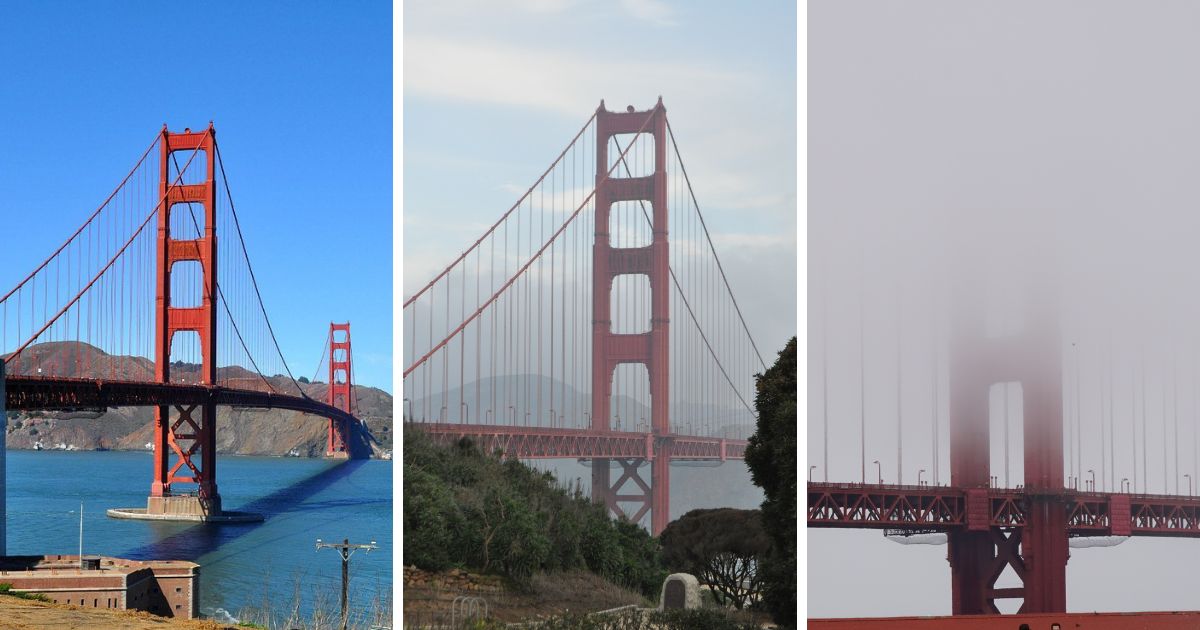
The fog’s prevalence varies significantly by season and location. During the summer months, from June to August, the fog is at its most active, often rolling in during the late afternoon or evening and burning off by midday. This creates San Francisco’s famously cool summers, a stark contrast to the scorching temperatures often found just a short drive inland in California’s valleys. Neighborhoods closer to the ocean, such as the Outer Sunset and Richmond District, experience more persistent fog and cooler temperatures. In contrast, eastern neighborhoods like the Mission District or Potrero Hill, which are further inland and shielded by hills, tend to be significantly warmer and sunnier. This striking difference means you might need a jacket in one part of the city while enjoying sunbathing just a few minutes away. The fog also dramatically impacts views of iconic landmarks like the Golden Gate Bridge, sometimes obscuring it entirely, only to reveal its grandeur later in the day.
A City of Seasons (or Lack Thereof)
While most places define their years by four distinct seasons, San Francisco operates on a slightly different calendar. The city’s Mediterranean climate is characterized by mild, wet winters and dry, cool summers. Extreme temperatures, whether hot or cold, are rare. Snow is virtually unheard of, and temperatures rarely drop below freezing. Similarly, sweltering heatwaves are infrequent, though they can occur, particularly in late summer or early fall.
Instead of traditional temperature-driven seasons, San Francisco’s “seasons” are more defined by the presence or absence of fog and rain. The local climate is heavily influenced by the cool Pacific Ocean current and the natural air conditioning it provides. This creates a remarkably consistent annual temperature range, making the city a comfortable destination almost any time of year, provided you’re prepared for its particular brand of mildness. This consistency makes it a fantastic destination for extended stays or business travel, as unpredictable weather rarely disrupts plans too severely.
Seasonal Deep Dive: Planning Your San Francisco Adventure
To truly unlock the best of San Francisco, understanding its seasonal weather patterns is crucial. While temperatures don’t fluctuate wildly, the amount of sunshine, fog, and rainfall can dramatically influence your experience and the activities you’ll enjoy most.
Spring (March-May): Mild Breezes and Blooming Beauty
Spring in San Francisco is generally characterized by mild temperatures, increasing sunshine, and decreasing rainfall compared to winter. Average daytime temperatures range from the mid-50s to low-60s Fahrenheit (13-17°C). The omnipresent fog starts to recede slightly, offering clearer skies more frequently, particularly in the mornings and late afternoons. This makes spring an excellent time for outdoor exploration before the summer crowds and persistent fog arrive.
Travelers can enjoy pleasant strolls through Golden Gate Park, where gardens burst with color, or take a scenic bike ride across the Golden Gate Bridge. Boat tours around Alcatraz Island are particularly enjoyable with the crisp, clean air and often stunning visibility. Spring is also a great time for food tourism, with outdoor markets starting to thrive and restaurant patios becoming more inviting. For those seeking budget travel options, spring often presents reasonable accommodation rates before the peak summer season begins.
Summer (June-August): Foggy Summers and Coastal Cool
Paradoxically, San Francisco’s summer is often its coolest and fuzziest season. While the rest of California swelters, San Francisco remains cool, with average temperatures in the mid-50s to high-60s Fahrenheit (13-20°C). The fog is at its most prevalent during these months, often rolling in most afternoons, especially along the coast and through the Golden Gate. This is due to the strong temperature differential between the hot inland valleys (like Napa Valley and Sonoma) and the cool Pacific Ocean, which pulls the marine layer into the bay.
Despite the fog and cool temperatures, summer is peak tourist season, drawing visitors from around the world. While beach days might be chilly, many indoor attractions and cultural events thrive. Museums like the California Academy of Sciences and the Exploratorium offer engaging escapes. Exploring the bustling Fisherman’s Wharf or the vibrant neighborhoods like Chinatown provides plenty of sheltered activities. Layers are absolutely essential during a San Francisco summer, as the day can start sunny and turn foggy and chilly in a matter of hours.
Autumn (September-November): The Golden Window
Many locals and seasoned travelers agree that autumn is the absolute best time to visit San Francisco. Often referred to as “Indian Summer,” these months bring the warmest, sunniest, and clearest weather of the year. The pervasive summer fog largely dissipates, giving way to brilliant blue skies and comfortably warm temperatures, often reaching the high-60s to low-70s Fahrenheit (18-22°C). Evenings remain mild, making it perfect for outdoor dining and enjoying city lights.
This “golden window” is ideal for exploring all of San Francisco’s iconic outdoor landmarks. Take a leisurely walk or bike ride through the Presidio, enjoy uninterrupted views of the Golden Gate Bridge from Sausalito, or meander down the crooked curves of Lombard Street. It’s also an excellent time for wine country tours to Napa Valley or Sonoma, where the vineyards are in their full glory during harvest season. Due to the favorable weather, this is a popular time for travel, so booking hotels and attractions well in advance is highly recommended.

Winter (December-February): Rainy Days and Festive Cheer
San Francisco winters are mild but wet, marking the city’s rainy season. Temperatures typically hover in the high-40s to low-50s Fahrenheit (8-13°C), rarely dropping below freezing. While rainfall can be significant, it often comes in intermittent showers rather than continuous downpours, leaving plenty of dry periods for exploration. The fog is less prevalent than in summer, but misty, overcast days are common.
Despite the rain, winter has its own charm. The city is beautifully decorated for the holidays, and fewer tourists mean attractions are less crowded. It’s a fantastic time for cozy indoor activities: exploring world-class museums, enjoying the vibrant culinary scene, or catching a performance. Shopping in Union Square or browsing the artisan goods at the Ferry Building Marketplace are popular pastimes. For those seeking budget travel deals, winter typically offers the lowest accommodation rates outside of major holiday weekends. Remember to pack a good waterproof jacket and sturdy, comfortable shoes.
Optimizing Your Visit: Weather-Wise Travel Tips and Activities
Successfully navigating San Francisco’s unique weather patterns is key to an enjoyable and comfortable trip. Being prepared means you can focus on the city’s incredible attractions, diverse culture, and unforgettable experiences, rather than being caught off guard by a sudden change in temperature or a rogue fog bank.
Packing Smart for San Francisco’s Whims
The golden rule for packing for San Francisco is layers, layers, layers! Regardless of the season, you will likely experience a range of temperatures in a single day, or even within a single neighborhood. Start with a comfortable base layer, add a sweater or fleece, and always carry a medium-weight, windproof, and preferably waterproof jacket. Even on a seemingly sunny summer day, the temperature can drop significantly once the fog rolls in or as you approach the coast. A scarf can also be surprisingly useful.
Comfortable walking shoes are non-negotiable. San Francisco is a city best explored on foot, with its steep hills and charming streets, so make sure your footwear can handle both inclines and extensive walking. If visiting in winter, an umbrella or a waterproof jacket with a hood is a smart addition, though locals often brave light rain without one. Don’t forget sunglasses, even on foggy days, as the sun can break through unexpectedly and glare off wet surfaces.
Iconic Landmarks Through the Seasons
The weather profoundly impacts how you experience San Francisco’s famous landmarks.
- The Golden Gate Bridge is breathtaking in sunshine, but equally dramatic when shrouded in fog. Consider visiting at different times of day or on multiple days to catch both perspectives. Autumn generally offers the clearest views.
- Alcatraz Island tours are largely indoors, so they are suitable for any weather, though the boat ride can be chilly or wet. Views of the skyline from Alcatraz are best on clear days.
- Golden Gate Park, with its diverse gardens and attractions, is wonderful in spring when flowers bloom, and in autumn for pleasant walks. Summer fog can make it feel mystical but also cooler, so dress appropriately.
- Lombard Street and the Painted Ladies of Alamo Square are photo opportunities year-round, but sunlight enhances their vibrant colors. Clear autumn days are ideal for capturing these iconic scenes.
- Pier 39 and Fisherman’s Wharf are bustling regardless of weather. Indoor attractions, shops, and restaurants provide refuge from cool or rainy conditions, while sunny days invite outdoor dining and watching the sea lions.
Culinary Experiences and Nightlife, Rain or Shine
San Francisco’s world-class culinary scene and vibrant nightlife offer exceptional experiences, irrespective of the weather. On crisp, clear autumn evenings, enjoy rooftop bars with panoramic city views or dine al fresco on a heated patio. During cooler summer days or rainy winter evenings, the city’s cozy cafes, intimate wine bars, and Michelin-starred restaurants become even more inviting havens. The diverse range of eateries, from authentic Chinatown dim sum spots to innovative Mission District bistros, ensures there’s always a delicious escape from the elements.
The city’s cultural events and live music venues also thrive year-round. From jazz clubs to comedy shows, there’s always something happening after dark. Whether you’re seeking a casual meal after a day of sightseeing or a sophisticated evening out, San Francisco’s gastronomic and entertainment landscape is designed to be enjoyed in all its meteorological moods.
Accommodation and Lifestyle: Finding Your Perfect San Francisco Stay
Your choice of accommodation and how you approach your trip can also be influenced by San Francisco’s climate. The city offers a vast array of options, catering to every preference and budget, and understanding the weather can help you make the best booking decision.
Hotels and Resorts for Every Season
San Francisco boasts an impressive selection of hotels, from luxurious resorts to charming boutique inns and budget-friendly hotels. When considering your stay, think about how the weather might affect your comfort and plans.
- Luxury Hotels: Establishments like The Ritz-Carlton, San Francisco or the Four Seasons Hotel San Francisco offer unparalleled amenities. In cooler months, features like indoor pools, spas, and cozy lobby fireplaces can be particularly appealing. Many also offer excellent dining options, providing a perfect refuge from inclement weather.
- Boutique and Mid-Range Hotels: These often offer a more localized feel. Consider locations. If you prefer more sun, a hotel in the Mission District might be warmer than one near the coast. If you embrace the fog, a stylish hotel near Alamo Square offers classic views (when clear!).
- Vacation Rentals and Apartments: For longer stays or family trips, an apartment with a kitchen can be a great option. This allows you to cook meals, providing a warm, comfortable base regardless of the weather outside. Heating is standard, but air conditioning is less common due to the mild climate, though some newer or luxury units may offer it.
Always check reviews for information on heating, comfort, and noise levels, especially if you’re sensitive to temperature fluctuations. Booking in advance, especially for peak seasons like autumn or summer, is always a good idea for securing the best rates and desired locations.
Tailoring Your Trip: Luxury, Budget, Family, or Business
San Francisco’s weather also plays a role in tailoring your trip to a specific lifestyle or purpose.
- Luxury Travel: If clear skies and stunning views are paramount for your luxury travel experience, consider visiting in autumn. This season offers the best chance for panoramic vistas from exclusive rooftop lounges or private suites. Spa days and gourmet dining experiences remain exceptional year-round.
- Budget Travel: Budget travelers can find excellent deals on accommodation and flights during the winter months, outside of major holidays. While there might be rain, the city’s numerous free attractions, such as walking across the Golden Gate Bridge or exploring Golden Gate Park, are still accessible, and museums offer indoor entertainment.
- Family Trips: Families visiting in summer should be prepared for cool weather and fog, especially if planning beach visits. Focus on indoor activities like the Exploratorium, the California Academy of Sciences, or the Aquarium of the Bay. Spring and autumn offer more consistently pleasant outdoor weather for playgrounds and parks.
- Business Stays: For business stays, San Francisco’s mild climate is generally favorable. Traffic can be a consideration regardless of weather, but rain can occasionally cause delays. Reliable transportation and centrally located hotels near the Financial District or Union Square are key.
In conclusion, the weather in San Francisco is an integral part of its identity, contributing to its unique charm and often sparking lively conversation. While it may not always deliver the sun-drenched stereotype of California, its mild temperatures, captivating fog, and distinct seasonal variations offer a diverse palette of experiences. By understanding its microclimates and planning with layers in mind, you’re not just preparing for the weather; you’re embracing the very essence of this magnificent city. Whether you’re seeking the clearest autumn views, the cozy charm of a winter rain, or the cool reprieve of a foggy summer, San Francisco promises an unforgettable travel adventure in every season.
LifeOutOfTheBox is a participant in the Amazon Services LLC Associates Program, an affiliate advertising program designed to provide a means for sites to earn advertising fees by advertising and linking to Amazon.com. Amazon, the Amazon logo, AmazonSupply, and the AmazonSupply logo are trademarks of Amazon.com, Inc. or its affiliates. As an Amazon Associate we earn affiliate commissions from qualifying purchases.