
San Francisco, a city renowned for its iconic landmarks, vibrant culture, and breathtaking vistas of the Pacific Ocean, is a mosaic of distinct neighborhoods, each possessing its own unique character and story. Among these, the Tenderloin stands out as one of the most intriguing, and often, misunderstood. For travelers planning a visit to this captivating California metropolis, understanding the Tenderloin’s location, history, and contemporary pulse is essential for a comprehensive and authentic San Francisco experience. Far from being just another urban district, the Tenderloin is a living, breathing testament to the city’s complex social fabric, its enduring spirit of resilience, and its incredible cultural diversity. This article aims to shed light on exactly where the Tenderloin is situated, delve into what makes it such a vital part of the San Francisco narrative, and provide insights for visitors looking to explore beyond the postcard-perfect images.
Understanding the Tenderloin’s Geography and History
To truly grasp the essence of the Tenderloin, one must first pinpoint its exact location within the sprawling urban landscape of San Francisco and then explore the rich, often tumultuous, history that has shaped its identity. It’s a neighborhood that defies easy categorization, challenging visitors to look beyond superficial perceptions and discover the layers of culture and community beneath.
Pinpointing the Neighborhood
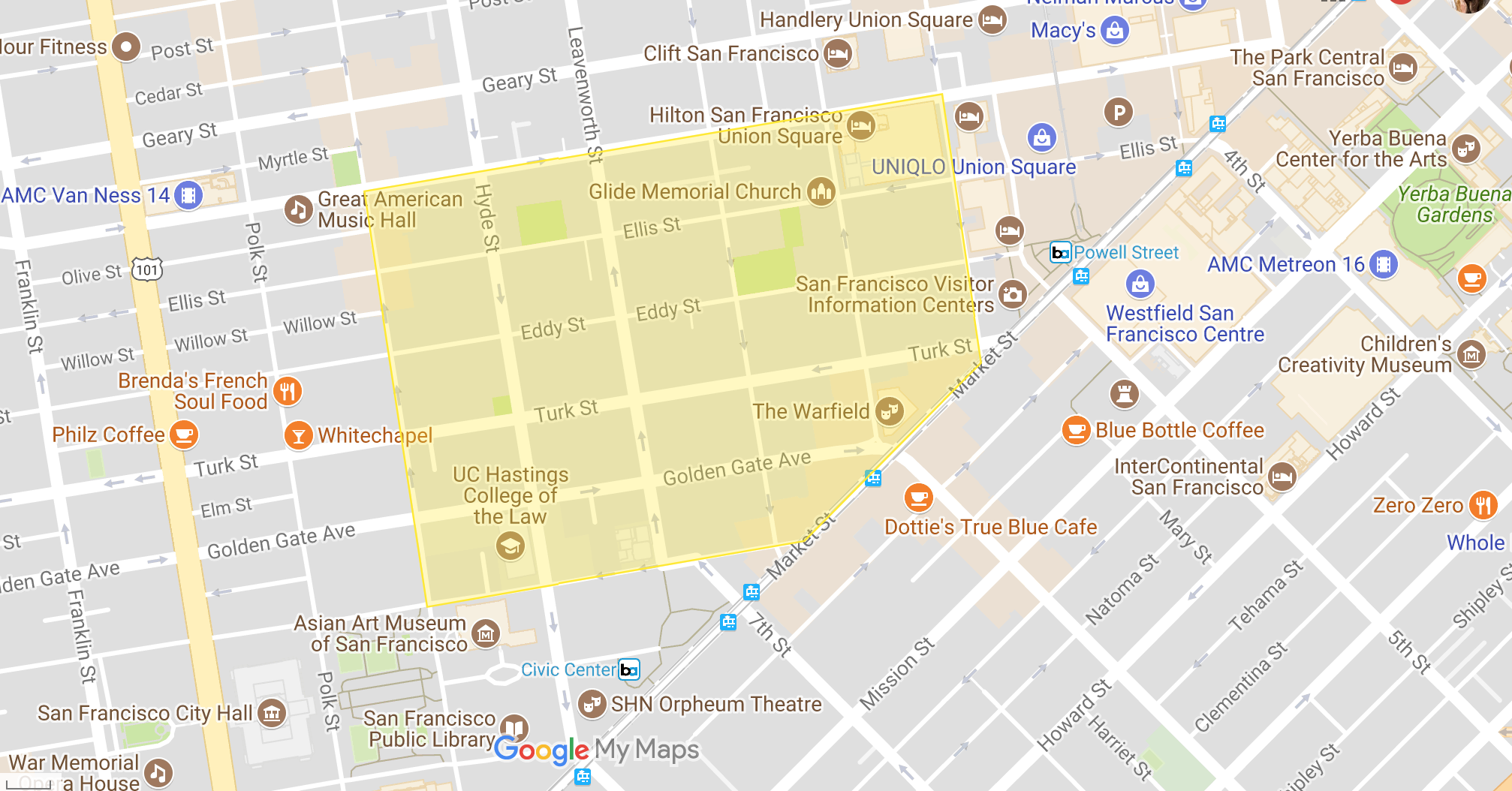
The Tenderloin occupies a significant and strategically central position in downtown San Francisco. Geographically, it is roughly bounded by Geary Street to the north, Market Street to the south, Van Ness Avenue to the west, and the area just west of Union Square to the east. This places it directly adjacent to some of San Francisco’s most popular tourist destinations and commercial hubs.
For context, it sits just a few blocks southwest of the bustling shops and luxury hotels of Union Square, the city’s premier shopping district. To its south lies Market Street, a major thoroughfare and a central transportation corridor with access to BART (Bay Area Rapid Transit) and MUNI lines, connecting the Tenderloin to virtually every other part of the city and the wider Bay Area. To the west, Van Ness Avenue marks a distinct boundary, beyond which lie more affluent residential areas and cultural institutions. Its downtown location means it’s incredibly accessible for those staying in San Francisco hotels or exploring the city’s core, yet it maintains an atmosphere distinctly different from its immediate neighbors. This proximity to high-traffic areas often surprises first-time visitors who might associate its reputation with more remote urban locales.
A Glimpse into its Past
The history of the Tenderloin is as complex and layered as San Francisco itself. Originally developed in the late 19th and early 20th centuries, it quickly became a melting pot for immigrants, artists, and those seeking refuge or opportunity. The flat topography of the area, distinct from San Francisco’s famous hills, made it attractive for development, leading to a dense concentration of residential hotels, theaters, and commercial establishments.
During the Prohibition era, the Tenderloin gained notoriety for its numerous speakeasies and illicit activities, earning it the moniker for which it is still known today – a reference to the ease with which police officers could afford prime cuts of meat (tenderloin steak) due to the bribes they received. This era cemented its reputation as a haven for the unconventional and the underground.
Throughout the 20th century, the neighborhood continued to be a vibrant center for jazz clubs, performing arts, and a safe haven for marginalized communities, including a significant LGBTQ+ population long before the Castro district became widely recognized. It was a place where working-class families, struggling artists, and new arrivals could find affordable accommodation and a sense of community amidst the transient nature of big city life. Post-World War II, with changing urban demographics and economic shifts, the Tenderloin began to face significant challenges, including poverty, homelessness, and drug use, issues that unfortunately persist to some extent today. However, it also fostered a strong sense of community and activism, with residents and non-profit organizations working tirelessly to address these issues and preserve the neighborhood’s unique cultural heritage. Its historic buildings, many of which survived the 1906 earthquake, tell tales of resilience and a continuous struggle for identity and recognition within a rapidly gentrifying city.
The Tenderloin Experience: Culture, Food, and Community
Beyond its geographic coordinates and historical context, the Tenderloin offers an immersive cultural experience unlike any other in San Francisco. It’s a neighborhood that rewards the curious traveler with authentic encounters, a kaleidoscope of culinary delights, and a deep sense of community that thrives amidst urban challenges. For those interested in local culture, diverse populations, and a vibrant arts scene, the Tenderloin is an unmissable destination for cultural tourism.
A Tapestry of Cultures
The Tenderloin is arguably one of San Francisco’s most ethnically diverse neighborhoods, serving as a first home for many immigrants and refugees from around the world. This demographic richness has created a truly international atmosphere, where different languages are spoken, traditions are celebrated, and various cultures coexist. The most prominent examples include a significant Vietnamese community, particularly concentrated around the Little Saigon area within the Tenderloin. Here, you’ll find businesses, community centers, and religious institutions catering to the Vietnamese diaspora.
Similarly, the neighborhood has a strong Filipino presence, with many residents tracing their heritage back to the Philippines. Other communities, including those from Southeast Asia, Africa, and Central America, also contribute to the Tenderloin’s rich cultural mosaic. This incredible diversity is not merely a demographic fact; it permeates every aspect of daily life, from the storefronts and community organizations to the public art and, most notably, the food. Exploring the streets of the Tenderloin is like taking a mini-world tour, offering a glimpse into global cultures right in the heart of an American city.
Culinary Adventures
For food enthusiasts, the Tenderloin is a hidden gem, offering an astonishing array of affordable and authentic international cuisines. Unlike the upscale, Michelin-starred restaurants found in other parts of San Francisco, the Tenderloin’s dining scene is characterized by its unpretentious, family-run eateries that serve up generational recipes.

The Vietnamese food scene is particularly renowned. Visitors can savor aromatic pho, flavorful banh mi sandwiches, and fresh spring rolls at incredibly reasonable prices. Beyond Vietnamese fare, you’ll find excellent Thai restaurants serving spicy curries and pad thai, Filipino eateries offering adobo and lumpia, and diverse Latin American options. There are also classic American diners and historic dive bars that have been neighborhood mainstays for decades, offering a taste of old San Francisco. The culinary landscape here is not about trendy fusion; it’s about authentic flavors, hearty portions, and a true reflection of the neighborhood’s immigrant roots. Engaging with the food scene in the Tenderloin is a fantastic way to experience the local culture and connect with the diverse communities that call this area home.
Arts and Nightlife
Despite its challenges, the Tenderloin has always been a vital center for the arts and continues to host a dynamic, albeit sometimes gritty, nightlife. The neighborhood is home to several historic theaters, including the magnificent Curran Theatre and the Golden Gate Theatre, which regularly host Broadway productions and major concerts, drawing crowds from across the Bay Area. These grand venues stand as symbols of the Tenderloin’s historical significance in the performing arts.
Beyond the marquee theaters, the Tenderloin also nurtures a vibrant grassroots arts scene. Small galleries showcase local artists, community art projects bring color to public spaces, and various non-profit organizations support artistic expression as a means of social change and community building. The neighborhood also has a burgeoning independent music scene, with smaller venues and bars hosting local bands and performers.
For nightlife, the Tenderloin offers an eclectic mix. While some areas are best avoided late at night, others boast historic bars with rich stories, new cocktail lounges, and performance spaces that echo its past as a hub for jazz and entertainment. It’s a place where you can find a quiet drink in a classic tavern or stumble upon an avant-garde performance, all within a few blocks. This blend of high culture and street-level artistry makes the Tenderloin a fascinating destination for those seeking an authentic and unvarnished glimpse into San Francisco’s creative pulse.
Navigating the Tenderloin: Tips for Visitors
Visiting the Tenderloin offers a unique perspective on San Francisco, one that goes beyond typical tourist brochures. For adventurous travelers, it promises an authentic experience. However, like any dense urban environment, especially one with a complex social landscape, it requires a thoughtful approach. Understanding its proximity to major landmarks, being aware of safety considerations, and knowing your accommodation options are key to a rewarding visit.
Proximity to Major Attractions
One of the most striking aspects of the Tenderloin is its incredibly central location, which puts it within easy reach of many of San Francisco’s most famous attractions. For example, the luxury shops and hotels of Union Square are just a short walk to the east, making it easy to transition between two vastly different urban environments. The Financial District, with its towering skyscrapers and corporate buzz, is also very accessible, offering insight into the city’s economic engine.
To the south, the Civic Center area, home to San Francisco’s City Hall, the Asian Art Museum, and the main library, is also within walking distance. This proximity means that visitors staying in or near the Tenderloin have excellent access to public transportation, including BART and MUNI lines along Market Street, which can whisk them away to destinations like Fisherman’s Wharf, Pier 39, Alcatraz ferry departure points, and even the Golden Gate Bridge viewing areas. This makes the Tenderloin, despite its distinct character, an incredibly convenient base for exploring the wider city. Its central location makes navigating San Francisco efficient, minimizing travel time and maximizing exploration opportunities.
Safety and Awareness
It’s important to approach a visit to the Tenderloin with a realistic understanding of its challenges. The neighborhood faces issues common to many urban core areas in the United States, including homelessness, drug use, and petty crime. While significant efforts are being made by community organizations and city initiatives to address these concerns, visitors should exercise caution and maintain situational awareness, particularly after dark.
Here are a few practical tips for navigating the Tenderloin safely:
- Be Mindful of Your Surroundings: Pay attention to where you are walking and who is around you.
- Avoid Walking Alone at Night: If you must walk in the evening, try to do so with a companion or stick to well-lit, more heavily trafficked streets.
- Do Not Flaunt Valuables: Keep expensive cameras, jewelry, and smartphones out of sight as much as possible.
- Trust Your Instincts: If a situation or street feels uncomfortable, it’s always best to turn around and find an alternative route.
- Support Local Businesses: Engage with the community by patronizing the local shops and restaurants, which helps foster a safer and more vibrant environment.
While it’s crucial to be aware, it’s equally important not to let fear overshadow the opportunity to experience the neighborhood’s unique cultural vibrancy. Many residents and community workers are working hard to make the Tenderloin a better place, and respectful engagement from visitors can be a part of that positive change.
Accommodation and Lifestyle Considerations
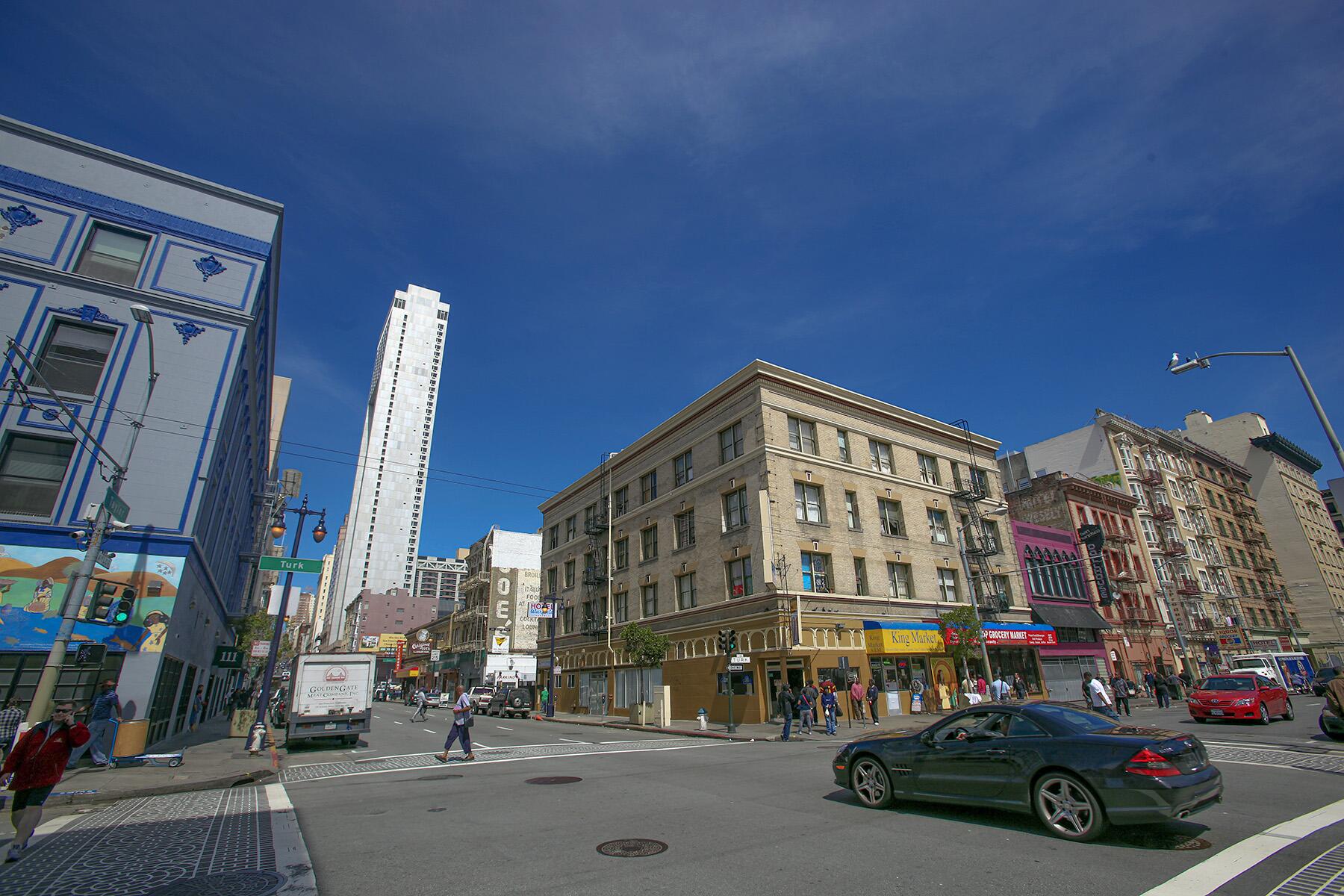
For travelers considering accommodation, the Tenderloin and its immediate surroundings offer a range of options, from budget-friendly hotels to more established properties that have historical significance. Many of the buildings are older residential hotels that have been converted or maintained, providing a glimpse into the city’s past. For those on a budget travel plan, staying within the Tenderloin can offer more affordable rates compared to the premium prices found in Union Square or Nob Hill. However, travelers seeking luxury travel experiences or resorts with extensive amenities might prefer hotels just outside the Tenderloin’s core, though still within a short walk of its attractions.
The lifestyle in the Tenderloin is decidedly urban and gritty. It’s a place of constant activity, with bustling streets, diverse storefronts, and a palpable sense of community. For visitors interested in local culture, immersive experiences, and a departure from conventional tourism, staying or spending time in the Tenderloin can be deeply rewarding. It’s an ideal choice for those who appreciate authenticity, are interested in social dynamics, and are comfortable navigating a diverse and sometimes challenging urban environment. It offers a counter-narrative to the polished image of San Francisco, providing a richer, more nuanced understanding of the city’s identity. When booking accommodation, it’s always wise to read recent reviews and consider the specific street location within the Tenderloin, as conditions can vary block by block.
In conclusion, the Tenderloin is a geographical and cultural anchor in San Francisco. It’s not merely “where” it is located, but “what” it represents: a neighborhood of deep historical significance, incredible cultural diversity, and an undeniable human spirit. For the inquisitive traveler, the Tenderloin offers a vibrant, unfiltered lens through which to view the real San Francisco—a city that embraces complexity, celebrates diversity, and continuously strives for progress. By approaching it with an open mind, respect, and a bit of street smarts, visitors can uncover a rewarding and deeply memorable experience that goes far beyond the typical tourist trail, truly understanding the heart and soul of this iconic American city.
LifeOutOfTheBox is a participant in the Amazon Services LLC Associates Program, an affiliate advertising program designed to provide a means for sites to earn advertising fees by advertising and linking to Amazon.com. Amazon, the Amazon logo, AmazonSupply, and the AmazonSupply logo are trademarks of Amazon.com, Inc. or its affiliates. As an Amazon Associate we earn affiliate commissions from qualifying purchases.