
The allure of the Pacific Northwest is undeniable, a region where dynamic cities meet breathtaking natural beauty. Two of its brightest gems, Seattle, Washington State, and Vancouver, British Columbia, beckon travelers with their vibrant cultures, stunning waterfronts, and a plethora of experiences. For many, the journey between these two metropolitan hubs is an essential part of exploring this unique corner of North America. Whether you’re planning a weekend getaway, a business trip, or an extended vacation, understanding the distance and the various ways to traverse it is the first step in crafting an unforgettable adventure.
This comprehensive guide delves into everything you need to know about traveling from Seattle to Vancouver, covering distances, transportation options, border crossing essentials, and how to maximize your travel experience. From the bustling markets and iconic landmarks of Seattle to the scenic parks and diverse culinary scene of Vancouver, prepare to embark on a journey that promises both convenience and discovery. We’ll explore how to navigate this popular corridor, ensuring your trip is as smooth and enjoyable as possible, whether your lifestyle leans towards luxury travel, budget-conscious exploration, family-friendly adventures, or efficient business stays.
The Distance & Geographic Overview: Bridging Two Nations
The question of “how far” between Seattle and Vancouver is more than just a number; it defines the essence of cross-border travel in the Pacific Northwest. These two major cities are not just geographically close but are also linked by a shared spirit of innovation, a love for the outdoors, and a distinct regional identity.
By Road: The Most Common Route
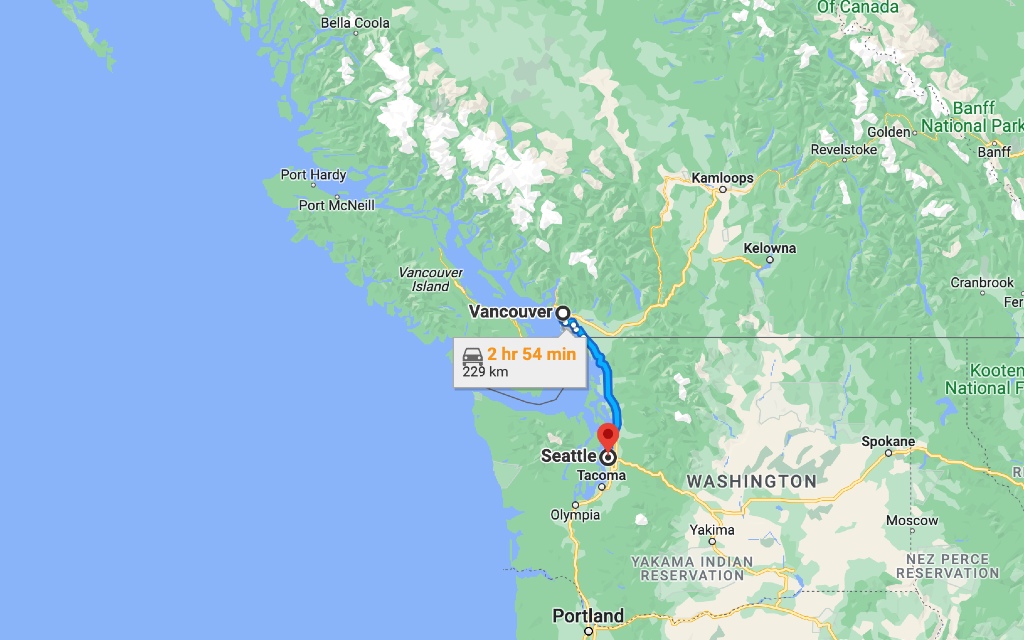
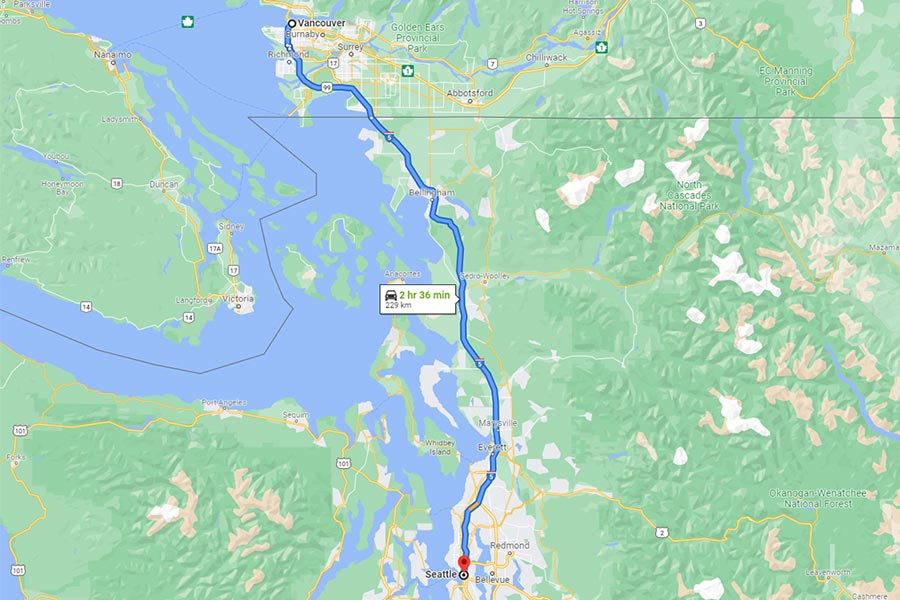
For the vast majority of travelers, the journey from Seattle to Vancouver is undertaken by road. The primary artery connecting these two cities is Interstate 5 (I-5) in the United States, which seamlessly transitions into Highway 99 in Canada after crossing the international border.
The typical driving distance between downtown Seattle and downtown Vancouver is approximately 140 to 150 miles (225 to 240 kilometers). This distance can vary slightly depending on your exact starting and ending points within each city. On average, a direct drive without significant stops or border delays usually takes 2.5 to 3.5 hours. However, it’s crucial to factor in potential variables such as traffic congestion, especially during peak hours around both metropolitan areas, and the time spent at the international border crossing.
The route is generally straightforward, offering scenic glimpses of the Pacific Northwest’s diverse landscapes, from the urban sprawl near Seattle to the charming towns like Bellingham and the agricultural lands approaching the Canadian border. This makes driving a popular choice for those who appreciate flexibility and the option to explore along the way, turning a simple commute into a mini-road trip adventure.
As the Crow Flies: A Direct Measurement
While practical travel routes almost always involve roads or established corridors, understanding the “as the crow flies” distance provides a baseline for the true geographic proximity. The straight-line distance between Seattle and Vancouver is approximately 115 miles (185 kilometers). This aerial measurement highlights just how close these two major urban centers are, making quick flights a viable, albeit less scenic, option for those prioritizing speed above all else. This relatively short distance also underscores the potential for future high-speed rail links or enhanced multimodal transportation options.
Understanding the Pacific Northwest Corridor
The corridor connecting Seattle and Vancouver is a vital economic and cultural link. It encompasses a dynamic landscape that includes major cities, agricultural areas, coastal communities, and natural parks. This connectivity fosters a unique cross-border tourism dynamic, allowing visitors to experience the best of both the United States and Canada within a relatively short journey. From the vibrant tech scene of Seattle to the diverse multicultural fabric of Vancouver, the journey itself is a passage through distinct regional identities woven into the larger tapestry of the Pacific Northwest.
Navigating the Journey: Transportation Options
Choosing the right mode of transport between Seattle and Vancouver depends on your priorities: cost, comfort, speed, and desire for scenic views. Each option offers a unique experience, catering to different travel styles and preferences, whether you’re a luxury traveler, on a budget, planning a family trip, or heading for a business stay.
Driving: Freedom and Flexibility
Driving remains the most popular choice for many, offering unparalleled flexibility. You control your schedule, can stop at whim, and have the convenience of your own vehicle upon arrival.
- Pros: Flexibility, ability to carry more luggage, ideal for scenic detours, suitable for family trips.
- Cons: Potential for border delays, traffic congestion, parking costs in cities.
- Tips: Check border wait times online (e.g., CBP and CBSA websites), travel during off-peak hours (early morning or late evening), ensure your vehicle insurance covers cross-border travel. Consider carpooling for a more sustainable and cost-effective trip. You’ll pass through Blaine, Washington, and Surrey, British Columbia, at the border. The main crossing is Peace Arch Border Crossing, but the Pacific Highway Border Crossing (also known as Douglas) is another option often used for commercial traffic and can sometimes be less busy for passenger vehicles.
Bus Services: Economical and Convenient
Several reputable bus companies operate daily services between the two cities, offering a budget-friendly and hassle-free alternative.
- Providers: FlixBus, BoltBus (often operating under Greyhound in this region), and QuickShuttle are common options.
- Pros: Affordable fares, no need to worry about driving or parking, comfortable seating, Wi-Fi on some services.
- Cons: Fixed schedules, potential for longer travel times due to multiple stops and border processing for all passengers.
- Ideal for: Budget travelers, solo adventurers, or those who prefer to sit back and relax. Bus terminals are typically centrally located, making onward travel in both cities convenient.
Train Travel: Scenic and Relaxing
The Amtrak Cascades route offers one of the most picturesque ways to travel between Seattle and Vancouver. The train journey takes you along the stunning coastline, past charming towns, and offers breathtaking views of Puget Sound and the surrounding mountains.
- Route: The train departs from King Street Station in Seattle and arrives at Pacific Central Station in Vancouver.
- Travel Time: Approximately 4 hours.
- Pros: Extremely scenic, comfortable seating, dining car, relaxed atmosphere, less stress at the border (customs and immigration often occur on the train or at the station).
- Cons: Less frequent departures than buses, can be more expensive than bus travel, subject to occasional delays (landslides, track issues).
- Ideal for: Leisure travelers, those seeking a unique experience, or individuals who value comfort and views over speed. It’s an experience in itself, offering a glimpse into the lifestyle of train travel.
Flying: The Fastest Option
While not as common for this relatively short distance, flying is an option for those in a hurry or connecting from further afield. Several airlines offer direct flights.
- Airports: Seattle-Tacoma International Airport (SEA) to Vancouver International Airport (YVR).
- Flight Time: Approximately 1 hour.
- Pros: Fastest travel time, convenient for connecting flights.
- Cons: High cost, time spent on airport transfers, check-in, security, and baggage claim often negates the time saved for this short distance.
- Ideal for: Business travelers with tight schedules or those making onward international connections. Remember that while the flight is short, the entire door-to-door journey can easily take 4-5 hours or more.
Other Options: Rideshares, Shuttles
While less common for cross-border trips due to regulatory complexities, private shuttle services exist for pre-booked groups or luxury travelers. Rideshare services like Uber and Lyft generally do not operate across the international border for standard rides, though specialized long-distance services might be available but often at a premium. For a business stay, a private car service offers convenience and professionalism.
What to Expect at the Border Crossing
Crossing the international border between the United States and Canada is a routine procedure, but it requires preparation to ensure a smooth transition. Both nations have strict entry requirements that travelers must meet.
Essential Documentation
Regardless of your mode of transport, having the correct and valid identification is paramount.
- For U.S. and Canadian Citizens: A valid passport is the most recommended and universally accepted document for air, land, and sea travel. Alternatively, for land and sea travel, an Enhanced Driver’s License (EDL), a NEXUS card, or a Free and Secure Trade (FAST) card are acceptable.
- For International Visitors: A valid passport is always required. Depending on your nationality, you may also need a visa or an Electronic Travel Authorization (eTA) for Canada or an ESTA for the United States. Always check the latest entry requirements for both countries well in advance of your trip.
- Children: All children, including infants, must have their own valid travel documents. If traveling with minors for whom you do not have full legal custody (e.g., grandparents, aunts/uncles, or one parent traveling alone), it’s highly advisable to carry a consent letter from the absent parent(s) or legal guardian(s).
Tips for a Smooth Crossing
Preparation and awareness can significantly reduce stress and wait times at the border.
- Check Wait Times: Before you depart, consult the official border agency websites (CBP for U.S. and CBSA for Canada) for real-time border wait times. This is especially critical if driving.
- Have Documents Ready: Keep passports, visas, or other identification easily accessible, not buried in your luggage.
- Declare Goods: Be honest and declare all goods you are bringing into the country. This includes purchases, alcohol, tobacco, and any food items. Failing to declare can lead to fines, confiscation, and even denial of entry.
- Prohibited Items: Be aware of items prohibited in either country (e.g., firearms, certain agricultural products, some medications without a prescription). Research these beforehand.
- NEXUS Program: For frequent travelers, enrolling in the NEXUS program can significantly expedite border crossings via dedicated lanes and expedited processing. It’s a fantastic investment for anyone regularly traveling between the US and Canada.
Making the Most of Your Seattle to Vancouver Trip
The journey between Seattle and Vancouver is more than just transportation; it’s an opportunity to discover two distinct yet harmonious urban experiences. By planning your itinerary, selecting appropriate accommodation, and engaging with local culture, you can elevate your trip from a simple commute to a rich travel experience.
Planning Your Itinerary: Stopovers and Attractions
Even if you’re driving directly, considering a few key stops can enhance your journey. If you have extra time, transforming the trip into a multi-day adventure is highly recommended.
- In Seattle: Before you depart, explore iconic landmarks like the Space Needle, wander through the vibrant Pike Place Market, delve into music history at the Museum of Pop Culture (MoPOP), or enjoy the lively atmosphere of the Seattle waterfront. For accommodation, options range from luxury stays at the Grand Hyatt Seattle or Four Seasons Hotel Seattle to more budget-friendly boutique hotels, catering to every lifestyle.
- En Route: The city of Bellingham, just south of the border, offers charming cafes, local breweries, and access to outdoor activities near Whatcom Falls Park. It’s a great place to stretch your legs, grab a meal, or even spend a night.
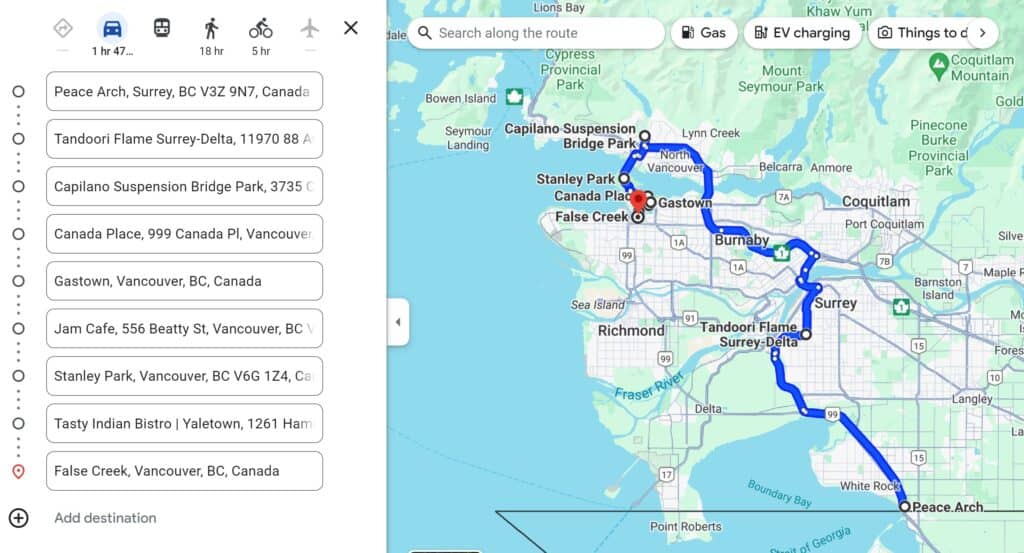
- In Vancouver: Upon arrival, immerse yourself in the city’s diverse offerings. Cycle or walk through Stanley Park, explore the historic cobblestone streets of Gastown, discover culinary delights at Granville Island Market, or seek adventure at the Capilano Suspension Bridge Park. The city is incredibly walkable and boasts an excellent public transit system, TransLink, including the Canada Line that connects the airport to downtown.
Accommodation Choices in Both Cities
Both Seattle and Vancouver are renowned for their world-class accommodation options, catering to every taste and budget, from opulent resorts to cozy apartments and convenient business hotels.
- Luxury Travel: Indulge in sophisticated suites and unparalleled service at properties like the Fairmont Pacific Rim or The Westin Bayshore, Vancouver in Vancouver, or W Seattle in Seattle. These hotels often feature exquisite dining, spa services, and prime locations near major attractions. Consider booking well in advance, especially during peak tourist seasons, to secure the best rates and room types.
- Budget Travel: Hostels, guesthouses, and smaller, independent hotels offer comfortable stays without breaking the bank. Look for options slightly outside the immediate downtown core but with good access to public transportation for more affordable rates. Websites and apps specializing in accommodation reviews and comparisons can help you find hidden gems.
- Family Trips: Opt for hotels with family-friendly amenities such as swimming pools, spacious suites, or complimentary breakfast. Vacation rentals (apartments, villas) can also be an excellent choice for families, providing more space, a kitchen for meal preparation, and a home-away-from-home feel.
- Business Stays: Hotels near convention centers, business districts, or airports, like the Pan Pacific Vancouver or The Sutton Place Hotel Vancouver, often cater to business travelers with amenities like executive lounges, meeting rooms, high-speed internet, and efficient transport links. Proximity to transit and reliable Wi-Fi are key considerations.
Exploring Local Culture and Cuisine
The cultural and culinary experiences in Seattle and Vancouver are highlights of any visit.
- Foodie Paradise: Both cities are renowned for their fresh seafood, vibrant coffee scenes, and diverse ethnic cuisines. In Seattle, don’t miss the clam chowder at Pike Place Market or the innovative farm-to-table restaurants. Vancouver boasts an incredible array of Asian cuisine, particularly Chinese and Vietnamese, and a thriving food truck scene. Explore local markets, join a food tour, or simply venture into different neighborhoods to sample the culinary landscape.
- Arts and Entertainment: From live music venues in Seattle’s Capitol Hill to the theater scene in Vancouver’s Granville Street, there’s always something happening. Check local listings for concerts, art exhibitions, and cultural festivals that often reflect the diverse communities inhabiting these cities.
- Outdoor Activities: Embrace the Pacific Northwest’s love for the outdoors. Both cities offer easy access to hiking, biking, kayaking, and skiing. Stanley Park in Vancouver and Discovery Park in Seattle provide urban green spaces for recreation, while short drives can take you to majestic mountains and pristine coastlines.
The journey from Seattle to Vancouver is much more than just covering a geographical distance. It’s an opportunity to immerse yourself in the dynamic culture of the Pacific Northwest, experiencing two distinct yet equally captivating cities. Whether you choose the freedom of the open road, the scenic charm of a train ride, or the efficiency of air travel, careful planning will ensure your adventure is smooth, enjoyable, and filled with lasting memories. So pack your bags, prepare your documents, and get ready to discover the incredible journey that awaits you between these two North American jewels.
LifeOutOfTheBox is a participant in the Amazon Services LLC Associates Program, an affiliate advertising program designed to provide a means for sites to earn advertising fees by advertising and linking to Amazon.com. Amazon, the Amazon logo, AmazonSupply, and the AmazonSupply logo are trademarks of Amazon.com, Inc. or its affiliates. As an Amazon Associate we earn affiliate commissions from qualifying purchases.