
Seattle, the Emerald City, is famous for many things: its vibrant coffee culture, iconic landmarks, a thriving tech scene, and, perhaps above all, its reputation for rain. For prospective travelers, curious locals, or those simply planning a move to the Pacific Northwest, understanding Seattle’s weather patterns, particularly its rainfall, is crucial. While the city’s rainy image is largely accurate, the reality often surprises those who expect a constant deluge. The truth is, Seattle receives less annual rainfall than many other major United States cities, though it makes up for it with a higher number of cloudy and drizzly days.
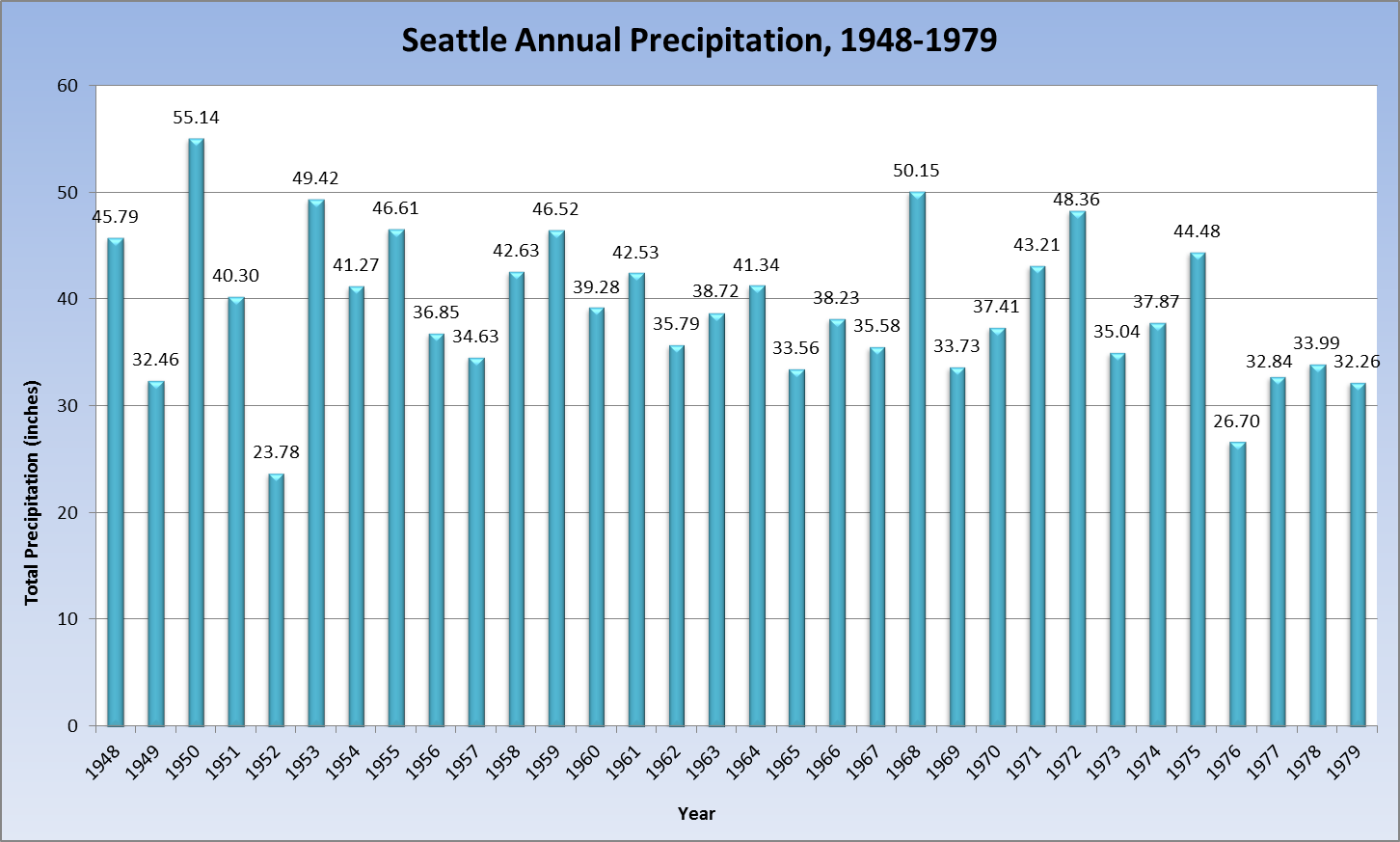
On average, Seattle receives approximately 38 inches (about 965 mm) of rain per year. This figure, while significant, is often eclipsed by cities like New York City, which gets around 50 inches, or Miami, with over 60 inches. The key distinction lies in the type of rain and its distribution throughout the year. Seattle’s precipitation tends to be a persistent, light drizzle or steady rain rather than heavy downpours, spread across a greater number of days, creating that characteristic overcast sky. This unique meteorological profile shapes the local lifestyle, influences travel decisions, and offers a distinctive charm to visitors.
Unpacking Seattle’s Rainy Reputation: Perception vs. Reality
The popular image of Seattle as a perpetually wet city is deeply ingrained, yet it’s a stereotype that often misleads. While it’s true that Seattle experiences many days with some form of precipitation, these are not always torrential storms. Instead, light rain, mist, and persistent drizzle are the norms, contributing to the lush, green landscapes that earned the city its “Emerald” moniker.
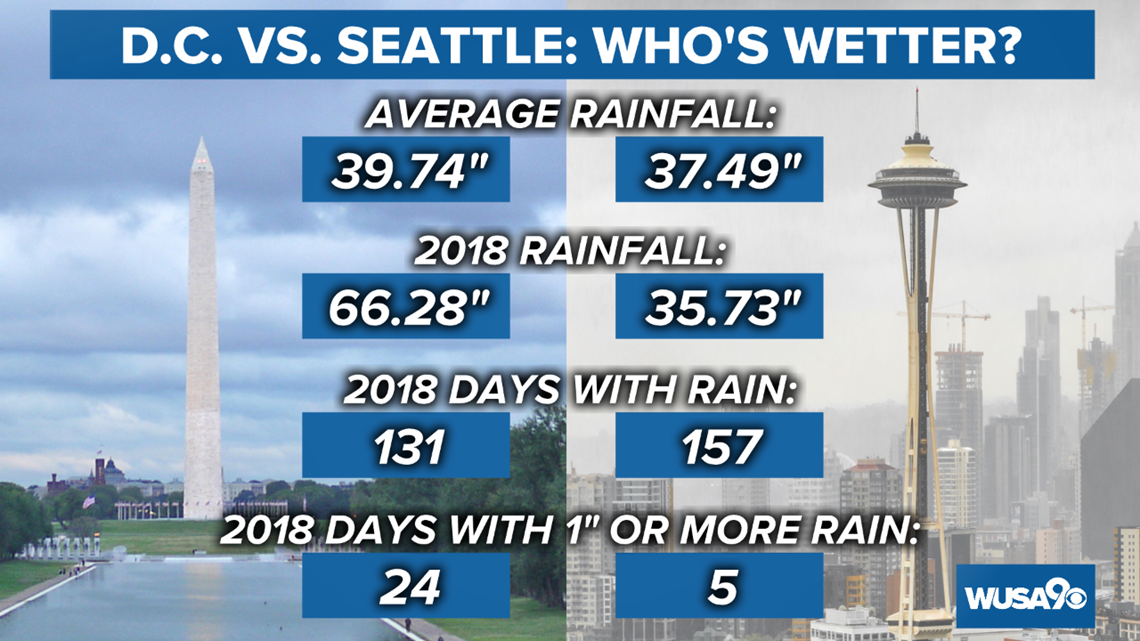
Many visitors expect a constant downpour, but are often surprised by the mild nature of Seattle’s rain. The average number of rainy days (days with at least 0.01 inches of precipitation) hovers around 150-160 per year. This means that roughly half the year sees some form of rain, but the intensity is typically low. This consistent moisture, combined with relatively mild temperatures, prevents the region from experiencing the harsh winters or sweltering summers found elsewhere. The Olympic Mountains to the west create a rain shadow effect for areas east of them, but Seattle itself sits exposed to the moisture-laden air currents from the Pacific Ocean.
Understanding this nuance is vital for planning a trip. Travelers expecting bright, sunny days exclusively might find themselves disappointed outside of the summer months. However, those who embrace the cozy, often atmospheric conditions will discover a city that truly thrives in its distinctive climate. The rainfall sustains the vibrant natural beauty of the surrounding Washington State and makes attractions like Discovery Park or the numerous city parks incredibly verdant. It also fuels a unique urban culture, with a strong emphasis on indoor activities, excellent coffee, and a resilient, outdoor-loving populace undeterred by a little drizzle.
Seasonal Breakdown of Seattle’s Rainfall
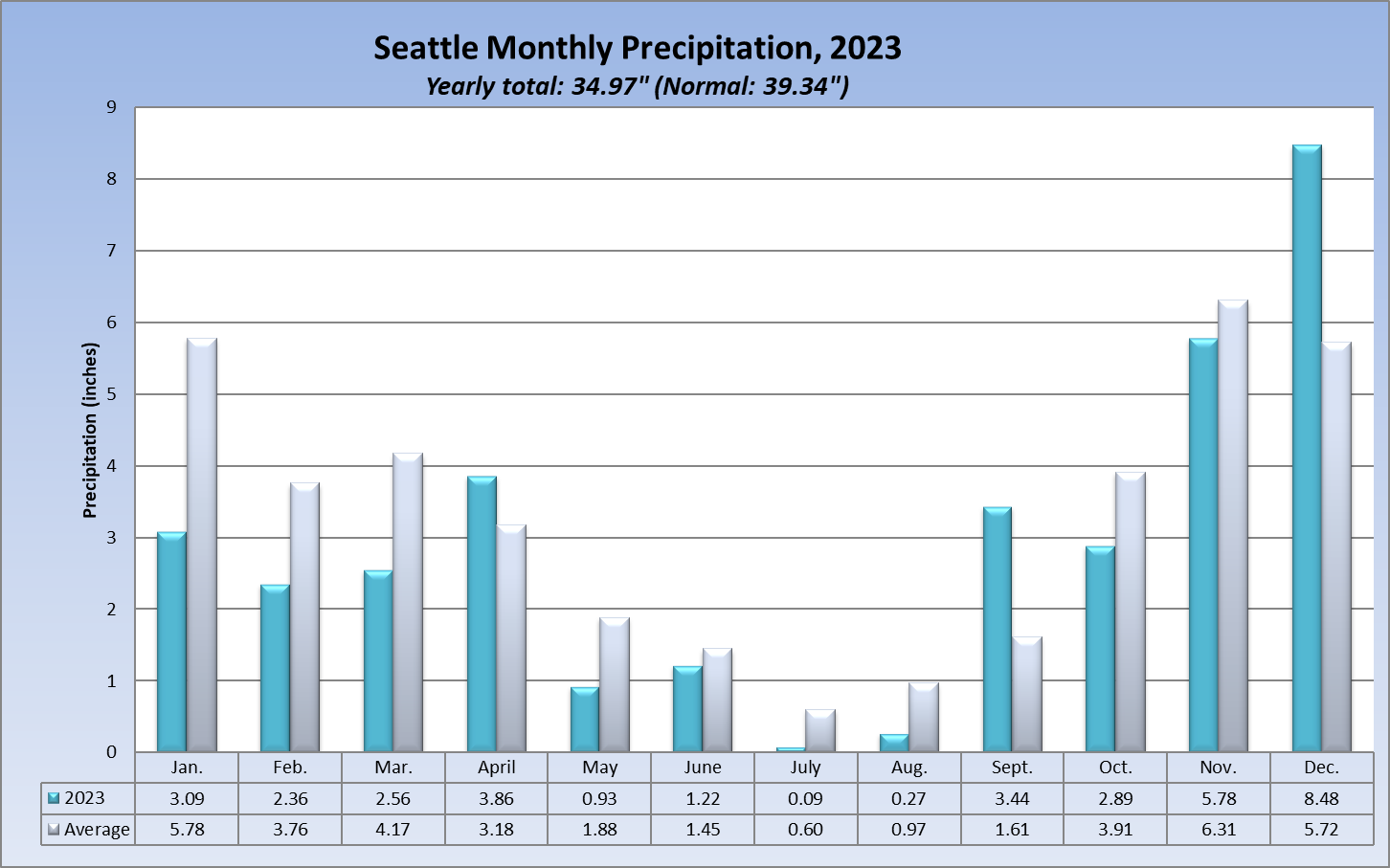
The annual average of 38 inches doesn’t tell the full story without considering the seasonal variations. Seattle’s weather follows a distinct pattern, heavily influenced by its proximity to the Pacific Ocean and the Cascade Mountains.
- Fall (September – November): This is when the rain begins to pick up significantly. As summer transitions, temperatures cool, and the city sees a marked increase in both the frequency and volume of rain. October and November are typically some of the wettest months, with monthly averages often exceeding 4-5 inches. The days grow shorter, and the skies become consistently overcast, though the autumn foliage can be stunning in its brief, vibrant display.
- Winter (December – February): Winter is the peak rainy season, characterized by cool, damp, and often gray days. December, January, and February are usually the wettest months, each averaging around 5-6 inches of rain. Snow is relatively rare in Seattle proper, accumulating perhaps once or twice a year, if at all, and usually melting quickly. Temperatures remain mild, typically above freezing, making for a prolonged period of light to moderate rainfall. This is the ideal time to explore Seattle’s indoor attractions, from world-class museums to cozy cafes.
- Spring (March – May): Spring sees a gradual decrease in rainfall, though it remains quite wet, especially in March. April and May bring more intermittent sunny days interspersed with showers. The famous “April showers” are very much a reality here, but they give way to increasingly longer and brighter periods. This season is beautiful as the city’s abundant greenery comes alive, making outdoor walks enjoyable between rain showers.
- Summer (June – August): This is Seattle’s driest and most popular season. June, July, and August are characterized by long, sunny days, low humidity, and very little rain. July and August often see less than an inch of rain each, making them prime months for outdoor activities, festivals, and enjoying the city’s parks, lakes (Lake Union, Lake Washington), and the Puget Sound. Temperatures are comfortably warm, rarely reaching extreme highs.
Traveling to Seattle: Embracing the Elements
For any traveler planning a trip to Seattle, understanding and preparing for the city’s unique weather is paramount. While summer offers the most consistently dry and sunny experience, Seattle’s charm extends through all seasons, provided you come prepared.
Best Time to Visit and What to Pack
The best time to visit Seattle largely depends on your priorities.
- For sunny weather and outdoor activities: Late June to early September is ideal. This is peak tourist season, so expect larger crowds and higher prices for accommodation and flights.
- For fewer crowds and a more authentic local experience: Spring (April-May) and Fall (September-October) offer a good balance. You’ll encounter more rain but also beautiful transitional scenery, vibrant urban life, and often better deals on hotels.
- For a cozy, cultural immersion and winter deals: November to March is perfect for those who enjoy museums, theater, culinary experiences, and don’t mind the damp, cool weather.
Regardless of when you visit outside of high summer, packing layers is always recommended. Even in summer, evenings can be cool. Essential items include:
- Waterproof jacket: This is non-negotiable. Forget umbrellas; locals rarely use them as the wind often makes them impractical. A good quality, lightweight, hooded waterproof jacket is your best friend.
- Water-resistant shoes: Comfortable, waterproof shoes or boots will make exploring much more pleasant.
- Layers: Sweaters, fleeces, and long-sleeved shirts are perfect for adjusting to indoor and outdoor temperatures.
- Quick-drying fabrics: Helpful for unexpected dampness.
Accommodation Considerations for Seattle’s Climate
When booking accommodation in Seattle, consider how the weather might influence your stay. Many Seattle hotels, from luxury resorts to boutique apartments, are well-equipped to provide a comfortable retreat regardless of the weather outside.
- Hotels with amenities: Look for hotels offering amenities like indoor pools, fitness centers, excellent dining options, or cozy lounges. A hotel like the Fairmont Olympic Hotel or the Hyatt Regency Seattle provides luxurious indoor spaces perfect for unwinding after a day out. For a more boutique experience, the Kimpton Hotel Monaco Seattle or Thompson Seattle offers stylish interiors and often superb restaurants.
- Location: Staying in a central location, such as downtown, Belltown, or South Lake Union, provides easy access to indoor attractions via public transport or a short walk. This minimizes exposure during rainy periods.
- Apartment-style accommodations: For longer stays or family trips, an apartment or serviced suite can offer more space and the convenience of a kitchen, perfect for enjoying a cozy evening in.
- Reviews and comparison: Always check reviews, especially regarding heating/cooling systems and soundproofing, to ensure a comfortable stay, especially during the wetter months.
Experiencing Seattle, Rain or Shine: Top Attractions and Lifestyle
Seattle’s distinctive climate has profoundly shaped its culture and attractions. The city is adept at providing captivating experiences year-round, making it a fantastic destination regardless of the forecast.
Iconic Landmarks and Indoor Wonders
Seattle boasts an array of landmarks and attractions that are either partially or entirely indoors, or simply gain a different kind of magic in the misty weather.
- Pike Place Market: This historic public market is a must-visit, offering a vibrant sensory experience under its covered stalls. Watch the fishmongers throw salmon, browse local crafts, sample fresh produce, and enjoy delicious food, all sheltered from the elements.
- Space Needle: While the view can be obscured on very cloudy days, the observation deck of the Space Needle offers a unique perspective of the city, especially with its revolving glass floor. Paired with a visit to the adjacent Chihuly Garden and Glass, an breathtaking indoor exhibition of glass art, it makes for an unforgettable experience.
- Museums: Seattle has a rich museum scene. The Museum of Pop Culture (MoPOP) is a dynamic space celebrating music, science fiction, and popular culture. The Seattle Art Museum (SAM) offers diverse collections. For families, the Pacific Science Center provides interactive exhibits.
- Seattle Public Library: An architectural marvel in itself, this downtown library is a warm, inviting space to explore, read, or simply admire the unique design.
- Seattle Aquarium: Located on Pier 59, it’s a fantastic indoor attraction showcasing marine life from the Pacific Northwest and beyond.
- Amazon Spheres: These impressive biospheres offer a tropical escape with thousands of plant species. Public access tours are often available, providing a warm, humid contrast to the outdoor weather.
- Starbucks Reserve Roastery: A temple to coffee, offering a theatrical, immersive experience far beyond a typical coffee shop, perfect for a rainy afternoon.
Local Culture and Lifestyle
The rain isn’t just a weather phenomenon in Seattle; it’s an intrinsic part of the city’s lifestyle. Locals have cultivated a resilient and creative culture that thrives in harmony with the climate.
- Coffee Culture: It’s no surprise that Seattle is the birthplace of Starbucks and a hub for independent coffee shops. The cozy atmosphere of a warm cafe on a drizzly day is a quintessential Seattle experience. Exploring the myriad of local roasters and baristas is a rewarding activity.
- Craft Beer and Wine: The Pacific Northwest is renowned for its craft beverage scene. Seattle’s breweries and wineries offer excellent indoor tasting rooms, perfect for unwinding.
- Culinary Scene: From fine dining to food trucks, Seattle’s culinary landscape is diverse and exciting. Many restaurants offer inviting atmospheres and innovative menus that highlight fresh, local ingredients.
- Outdoor Resilience: Despite the rain, Seattleites are an outdoorsy bunch. They hike, bike, and run year-round, equipped with the right gear. Parks like Gas Works Park or Kerry Park offer stunning city views that can be particularly atmospheric on a misty day. For those seeking nature, the surrounding forests and mountains, kept lush by the rainfall, offer incredible beauty.
Ultimately, while Seattle may not get as much annual rain as its reputation suggests, its consistent drizzle and numerous cloudy days define its character. This unique climate fosters a vibrant, resilient culture that offers a wealth of experiences for every type of traveler. Embrace the elements, pack appropriately, and you’ll discover why the Emerald City shines, rain or shine.
LifeOutOfTheBox is a participant in the Amazon Services LLC Associates Program, an affiliate advertising program designed to provide a means for sites to earn advertising fees by advertising and linking to Amazon.com. Amazon, the Amazon logo, AmazonSupply, and the AmazonSupply logo are trademarks of Amazon.com, Inc. or its affiliates. As an Amazon Associate we earn affiliate commissions from qualifying purchases.