
Seattle, the Emerald City, is renowned for its iconic skyline, innovative tech industry, and a vibrant cultural scene. Yet, beneath the glass and steel, there lies a city deeply intertwined with its natural environment, a place where lush greenery flourishes with remarkable vigor. For both seasoned gardeners and curious travelers, understanding Seattle’s planting zone offers a profound insight into what makes this Pacific Northwest gem so uniquely verdant and appealing. Beyond the allure of its famous landmarks, Seattle’s climate fosters an incredible botanical diversity that shapes its local culture, outdoor activities, and even its culinary landscape.
This guide will delve into Seattle’s specific USDA Hardiness Zones, explain what these classifications mean for both plants and people, and explore how this unique horticultural context contributes to the city’s charm as a travel destination. From its world-class public gardens to its thriving farm-to-table restaurants and sustainable living practices, Seattle’s green heart beats strong, offering a rich tapestry of experiences for every visitor and resident.
Understanding Seattle’s USDA Hardiness Zones
The concept of planting zones, officially known as USDA Plant Hardiness Zones, provides a standardized system for gardeners and horticulturists to determine which plants are most likely to thrive in a particular location. Developed by the United States Department of Agriculture (USDA), this system is based on the average annual extreme minimum winter temperature, divided into 10-degree Fahrenheit zones, which are further split into ‘a’ and ‘b’ sub-zones representing 5-degree differences. For anyone exploring a destination with an interest in its natural beauty, or considering a longer stay, understanding these zones is key to appreciating the local flora.
The Basics of Planting Zones
At its core, a planting zone tells you how cold it typically gets in a given area during the winter. This information is crucial because a plant’s ability to survive the coldest temperatures of the year is a primary factor in its overall hardiness. If a plant is rated for Zone 7, for instance, it means it can generally withstand winter temperatures down to 0-10°F. If planted in a colder zone (e.g., Zone 6), it might not survive the winter without significant protection. Conversely, if planted in a much warmer zone, it might not get the necessary chill hours or could struggle with excessive heat.
However, it’s important to remember that these zones are averages. Microclimates – localized atmospheric conditions that differ from those of the surrounding area – can significantly influence plant survival. Factors like proximity to large bodies of water, urban heat islands, elevation, and even the orientation of a specific garden bed can create pockets that are slightly warmer or colder than the general zone classification. This nuance is particularly relevant in a city like Seattle, where the topography and water features create a diverse array of growing conditions within a relatively small area.
Pinpointing Seattle’s Zone
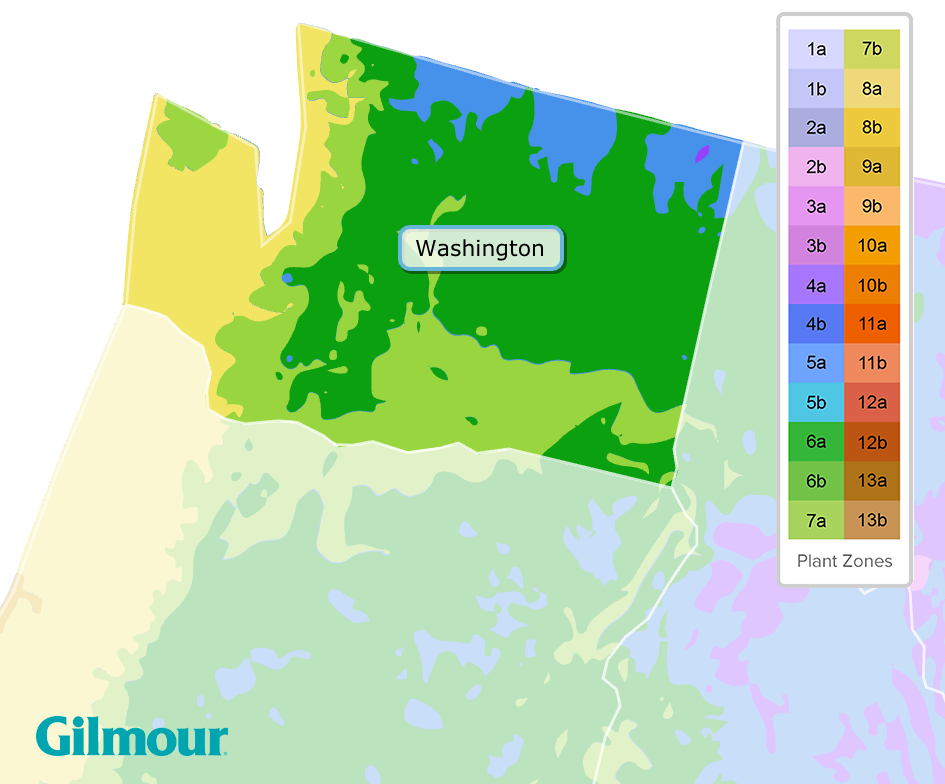
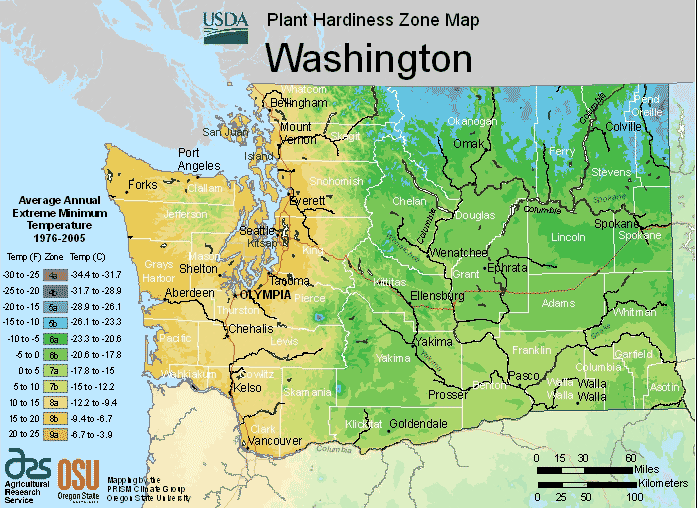
So, what planting zone is Seattle? Generally speaking, most of Seattle falls within USDA Hardiness Zone 8b. This means that the average annual extreme minimum winter temperature ranges from 15°F to 20°F (-9.4°C to -6.7°C). Some areas, particularly those closer to the moderating influence of Puget Sound or within sheltered urban landscapes, might even push into Zone 9a, where the minimum temperatures are between 20°F and 25°F (-6.7°C to -3.9°C).
This relatively mild winter climate, combined with consistent rainfall, sets Seattle apart from many other cities at similar latitudes. Several key geographical factors contribute to Seattle’s favorable planting zone:
- Proximity to the Pacific Ocean: The vast expanse of the Pacific Ocean acts as a giant thermal battery, moderating temperatures year-round. Warm ocean currents keep winter temperatures from plummeting too low and summer temperatures from soaring too high.
- The Olympic Mountains Rain Shadow: To the west, the Olympic Mountains create a rain shadow effect, shielding Seattle from some of the heaviest coastal precipitation. While Seattle is known for its rain, it often receives less annual rainfall than areas directly on the coast.
- Puget Sound’s Influence: The waters of Puget Sound further temper the local climate, preventing extreme cold snaps. Properties directly along the waterfront or on islands often benefit from slightly warmer conditions.
These factors allow for a remarkably diverse range of plants to thrive, making Seattle a haven for gardeners and a captivating destination for anyone interested in botany and natural landscapes.
Gardening and Green Spaces: A Seattle Signature
Seattle’s mild climate and abundant rainfall, largely dictated by its Zone 8b/9a classification, cultivate an environment where plant life flourishes with an almost magical intensity. This isn’t just a detail for local gardeners; it’s a defining characteristic that shapes the city’s aesthetics, its recreational opportunities, and its appeal as a unique travel destination. The city’s commitment to preserving and enhancing its green spaces makes it a truly verdant escape.
A Gardener’s Paradise
For horticulturists, Seattle is nothing short of a paradise. The long growing season, often extending from early spring into late fall, coupled with sufficient moisture, allows for an incredible array of plants to prosper. Seattle is particularly famous for its acid-loving plants, such as vibrant rhododendrons, delicate azaleas, elegant camellias, and showy hydrangeas, which often grow to impressive sizes. Beyond these ornamental beauties, a wide variety of fruits and vegetables thrive, from berries and apples to an extensive range of leafy greens and root crops.
This favorable climate encourages a vibrant gardening culture. Residents take immense pride in their private gardens, transforming urban lots into lush sanctuaries. Community gardens are popular hubs of activity, fostering local connections and providing fresh produce. For travelers, this means that even a stroll through a residential neighborhood can be a delightful botanical tour, revealing meticulously cared-for landscapes that reflect the city’s green ethos.
Iconic Public Gardens and Parks
Seattle’s planting zone is perhaps best showcased in its numerous public gardens and parks, which serve as major attractions for tourists and cherished escapes for locals. These green landmarks are not merely patches of nature but meticulously curated botanical collections that offer both beauty and educational value.
One of the most prominent is the Washington Park Arboretum. A joint venture between the University of Washington, the city of Seattle, and the Arboretum Foundation, this 230-acre botanical garden is home to a world-renowned collection of woody plants. Visitors can wander through diverse ecosystems, from the serene Japanese Garden to the extensive Rhododendron Glen, marveling at species that thrive in Seattle’s mild climate. It’s a perfect spot for nature lovers, offering tranquil walking trails and stunning photographic opportunities.

Another must-visit is the Volunteer Park Conservatory, located within Volunteer Park in the heart of Capitol Hill. This historic glasshouse, modeled after London’s Crystal Palace, houses an impressive collection of tropical, subtropical, and desert plants. Even on a rainy Seattle day, the conservatory offers a warm, humid escape into a vibrant world of exotic flora.
South of the city center lies the Kubota Garden, a 20-acre masterpiece blending Japanese garden concepts with native Pacific Northwest flora. Created by Fujitaro Kubota over 60 years, it features waterfalls, ponds, rock gardens, and an exquisite array of trees and shrubs, all thriving in Seattle’s amenable climate. It’s a serene destination for quiet contemplation and a testament to the versatility of the local growing conditions.
For those seeking more expansive urban wilderness, Discovery Park offers 534 acres of natural sanctuary on the shores of Puget Sound. While not a manicured garden in the traditional sense, its forests, meadows, and sea cliffs are home to a rich variety of native plants that flourish in the Zone 8b environment, providing stunning vistas and opportunities for hiking, birdwatching, and connecting with the raw beauty of the region. These green havens are not just beautiful; they are integral to the Seattle experience, drawing visitors from around the globe to explore its botanical wonders.
Seattle’s Green Lifestyle: Beyond the Garden Gates
Seattle’s favorable planting zone extends its influence far beyond public parks and private gardens, permeating the city’s lifestyle, its culinary scene, and its overarching commitment to sustainability. This “green” aspect is a significant draw for tourists seeking authentic local experiences and for those considering Seattle as a potential long-term destination.
Farm-to-Table and Local Food Scene
The mild climate and long growing season directly contribute to Seattle’s thriving farm-to-table movement. Local farmers and producers can cultivate a wide array of fresh, seasonal ingredients, leading to a vibrant culinary scene celebrated for its emphasis on quality and local sourcing. Farmers’ markets abound throughout the city, offering everything from artisanal cheeses and baked goods to an impressive bounty of fruits, vegetables, and flowers.
The most famous of these, Pike Place Market, is a living testament to Seattle’s agricultural richness. While perhaps best known for its fish throwing, the market is also a treasure trove of fresh produce, locally grown flowers, and specialty food items, all benefiting from the productive growing conditions of the surrounding region. Visitors can embark on food tours, sample exquisite local cuisine at world-class restaurants, or simply enjoy the freshest ingredients prepared with a regional flair. This connection between the land and the plate is a quintessential Seattle experience, deeply rooted in its planting zone advantages.
Eco-Tourism and Sustainable Practices
Seattle is widely recognized as a leader in environmental stewardship and sustainable living. The city’s lush environment, fostered by its moderate climate, naturally encourages an appreciation for nature and prompts initiatives aimed at preserving it. This translates into various eco-tourism opportunities and sustainable practices that enhance the visitor experience.
Urban forestry programs are robust, ensuring that Seattle maintains its high tree canopy cover. Public transportation options are extensive, encouraging less reliance on private vehicles. Many hotels and accommodations, such as the luxurious Fairmont Olympic Hotel or the modern Hyatt Regency Seattle, embrace green certifications and sustainable operations, appealing to environmentally conscious travelers.
The city’s natural setting also promotes a deeply ingrained outdoor lifestyle. Hiking in nearby state parks, kayaking on Lake Union or Puget Sound, biking along scenic trails, or simply enjoying a picnic in one of the many green parks are all popular activities. This blend of urban sophistication with accessible natural beauty, largely facilitated by the mild climate and rich biodiversity of its planting zone, makes Seattle an ideal destination for those seeking an active, green, and culturally rich travel experience.
Planning Your Seattle Visit: Embracing the Outdoors
For visitors to Seattle, understanding its planting zone can significantly enhance the travel experience, especially for those who appreciate natural beauty and outdoor activities. The city’s unique climate makes it a year-round destination, but certain seasons truly highlight its botanical splendor.
Best Times to Visit for Garden Enthusiasts
While Seattle’s evergreen landscape offers beauty throughout the year, specific seasons provide particularly spectacular displays:
- Spring (March to May): This is arguably the most vibrant time for garden enthusiasts. The city explodes with color as rhododendrons, azaleas, cherry blossoms, and magnolias come into full bloom. The air is fresh, and the gardens are at their most dynamic. It’s an ideal time for exploring the Washington Park Arboretum and other botanical sites.
- Summer (June to August): Seattle summers are legendary – warm, sunny, and relatively dry. Gardens are in full lushness, and outdoor activities abound. This is perfect for enjoying Discovery Park or strolling through Pike Place Market for fresh produce and flowers.
- Fall (September to November): As temperatures cool, Seattle’s deciduous trees offer a stunning display of autumn colors, particularly in parks and residential areas. While flower blooms may subside, the rich tapestry of reds, oranges, and yellows provides a different kind of botanical beauty.
- Winter (December to February): Even in winter, Seattle’s Zone 8b climate ensures a relatively mild season. Evergreen trees provide continuous greenery, and specific winter-blooming plants like camellias can still be found. It’s a quieter time for gardens but offers unique opportunities for cozy indoor explorations and crisp outdoor walks.
Accommodation and Green Escapes
When planning your trip, consider accommodations that allow you to fully immerse yourself in Seattle’s green character. Many boutique hotels are situated near lush urban parks, offering easy access to nature walks and serene views. Vacation rentals with private gardens or balconies overlooking green spaces provide a more intimate connection to the local flora.
Areas like Capitol Hill, with its elegant homes and proximity to Volunteer Park, or neighborhoods near Lake Union or Lake Washington, offer picturesque settings. For a luxurious stay that combines urban convenience with an appreciation for natural elegance, hotels like the historic Fairmont Olympic Hotel downtown or the modern Hyatt Regency Seattle place you within easy reach of Seattle’s many outdoor attractions, providing a comfortable base for exploring everything from its vibrant markets to its tranquil gardens. Whether you’re seeking urban adventures or peaceful natural retreats, Seattle’s unique planting zone ensures a verdant backdrop for an unforgettable travel experience.
In conclusion, Seattle’s classification primarily within USDA Hardiness Zone 8b, with pockets of 9a, is far more than a mere horticultural detail. It is a fundamental aspect of the city’s identity, dictating the lushness of its landscapes, the bounty of its local produce, and the very rhythm of its green lifestyle. For gardeners, it’s a canvas for diverse botanical experiments. For travelers, it presents a city where nature is not just observed but experienced – from world-class botanical gardens and expansive urban parks to a culinary scene rich with local ingredients. Seattle is a city that breathes green, inviting all who visit to explore its vibrant ecosystems and embrace its unique connection to the natural world.
LifeOutOfTheBox is a participant in the Amazon Services LLC Associates Program, an affiliate advertising program designed to provide a means for sites to earn advertising fees by advertising and linking to Amazon.com. Amazon, the Amazon logo, AmazonSupply, and the AmazonSupply logo are trademarks of Amazon.com, Inc. or its affiliates. As an Amazon Associate we earn affiliate commissions from qualifying purchases.