
The city’s location, nestled between the saltwater expanse of [Puget Sound] and the freshwater [Lake Washington], with the majestic [Cascade Mountains] to the east and the [Olympic Mountains] to the west, creates a unique microclimate that is surprisingly milder than many other cities at similar latitudes. This maritime influence moderates temperatures, resulting in cool, wet winters and warm, relatively dry summers. Debunking the myth of constant downpours, [Seattle] experiences more drizzle and light rain than heavy storms, contributing to its lush green landscape that thrives year-round. From the iconic [Space Needle] piercing through a rare cloudless sky to the bustling energy of [Pike Place Market] under a gentle autumn mist, [Seattle]’s weather is an integral part of its identity and appeal.
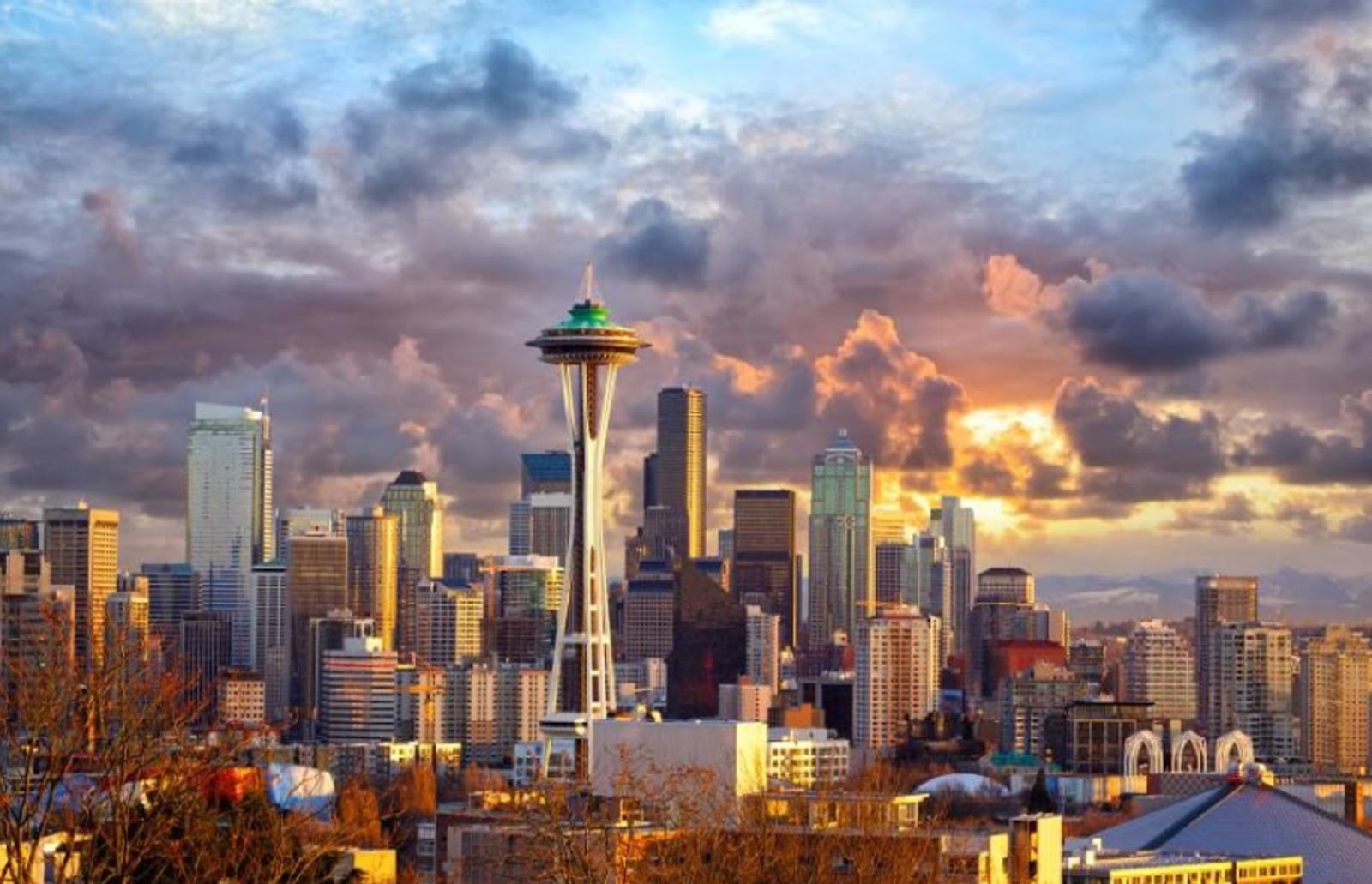
Unraveling Seattle’s Climate: A Seasonal Snapshot
Understanding [Seattle]’s year-round weather patterns is crucial for any travel itinerary. Each season presents a unique set of atmospheric conditions, influencing the city’s attractions, activities, and even the type of accommodation you might seek. From the blossoming promise of spring to the crisp allure of autumn, [Seattle] offers diverse experiences tailored to its changing skies.
Spring’s Awakening (March-May): Mildness and Blossoms
As winter’s grip loosens, [Seattle] awakens with a fresh, verdant beauty. Spring, spanning from March to May, is a season of transition characterized by gradually warming temperatures and diminishing rainfall compared to the peak winter months. Average daytime temperatures range from the low 40s to mid-60s Fahrenheit (4-18°C). While rain is still frequent, it often comes in the form of light showers, interspersed with glorious breaks of sunshine that highlight the city’s blooming cherry trees and vibrant gardens.
For travelers, spring in [Seattle] offers a delightful balance. It’s an excellent time for those who appreciate fewer crowds and more moderate prices for flights and accommodation. Strolling through the meticulously maintained [Chihuly Garden and Glass] becomes an even more enchanting experience as real flora mirrors the glass artistry. Outdoor activities begin to beckon, with pleasant conditions for exploring [Discovery Park]’s expansive trails or visiting the [Woodland Park Zoo]. This shoulder season is ideal for budget-conscious travelers or those seeking a relaxed pace, perhaps opting for charming boutique hotels in neighborhoods like [Capitol Hill] or [Fremont], which offer a taste of local culture and excellent dining without the summer rush.
Summer’s Embrace (June-August): Sunny Skies and Outdoor Adventures
[Seattle]’s summer is legendary among locals and increasingly sought after by tourists, transforming the city into a vibrant hub of outdoor activity. From June to August, the city sheds its cloudy cloak for long, sunny days and comfortable temperatures, typically ranging from the mid-60s to low 80s Fahrenheit (18-27°C). Rainfall is minimal, making these months the driest period of the year. This is undeniably the peak travel season, and for good reason. The extended daylight hours, sometimes stretching past 9 PM, maximize opportunities for exploration and enjoyment.During summer, [Seattle] truly shines. Iconic landmarks like the [Space Needle] offer unparalleled views of the cityscape, [Puget Sound], and surrounding mountain ranges under clear skies. [Pike Place Market] buzzes with even more energy, its stalls overflowing with fresh produce and artisanal crafts. This is the perfect time to enjoy waterfront activities, from kayaking on [Lake Union] or [Lake Washington] to taking a scenic ride on one of the [Washington State Ferries] across [Puget Sound], offering breathtaking vistas of the [Olympic Mountains]. Luxury travelers often gravitate towards upscale accommodations such as the historic [Fairmont Olympic Hotel] or the modern [Hyatt Regency Seattle], which provide premium amenities and convenient access to downtown attractions. Families can also find excellent resort-style options or spacious apartments for extended stays, leveraging the glorious weather for adventures like day trips to [Mount Rainier National Park] or the [Olympic National Park].
Autumn’s Palette (September-November): Crisp Air and Golden Hues
As summer transitions into autumn, [Seattle] reveals a different kind of beauty, with cooler temperatures, brilliant fall foliage, and a gradual return of the characteristic Pacific Northwest rain. September still often feels like an extension of summer, offering warm, dry days, but by October and November, temperatures dip to the 40s and 50s Fahrenheit (4-15°C), and rainfall becomes more consistent. The city’s parks and tree-lined streets erupt in a spectacular display of reds, oranges, and yellows, making it a picturesque time for exploration.
Autumn is an excellent choice for travelers who appreciate crisp air and fewer crowds, or those on a business trip who can enjoy the city’s sophisticated dining scene and vibrant arts culture. While outdoor activities like hiking might require waterproof gear, the changing leaves make walks in [Kerry Park] or along the waterfront incredibly scenic. Cozy cafes and renowned breweries become popular havens, reflecting [Seattle]’s deep-rooted coffee and craft beer culture. Accommodation prices begin to soften after the summer peak, making it a good time to find deals on well-appointed hotels like [The Edgewater Hotel] with its stunning waterfront views, offering a comfortable base for exploring the city’s local culture and culinary delights.
Winter’s Serenity (December-February): Mild, Wet, and Vibrant Indoors
[Seattle]’s winter, from December to February, is defined by its mild temperatures and significant rainfall, rather than harsh cold or heavy snow. Average temperatures hover in the 30s and 40s Fahrenheit (0-10°C), rarely dropping below freezing for extended periods. While it is the wettest season, characterized by frequent, light rain and persistent cloud cover, heavy snowfall is an uncommon event within the city limits. Despite the grey skies, the city remains vibrant with holiday festivities and a thriving indoor scene.For those who don’t mind embracing the “sweater weather” and an umbrella, winter offers a unique charm. It’s an ideal time to delve into [Seattle]’s rich cultural offerings, from the immersive exhibits at the [Museum of Pop Culture] to the holiday light displays and cozy restaurants. The lack of extreme cold makes it comfortable for exploring indoor attractions and enjoying the city’s renowned culinary scene. Many hotels, especially those catering to business stays or luxury travel, offer enticing packages during the off-peak season. For those considering long-term stays, the milder winter provides a comfortable backdrop for settling into city life. The holiday markets and festive atmosphere add a special allure, making it a magical time to experience [Seattle]’s unique blend of urban sophistication and natural beauty, often with a warm drink in hand.
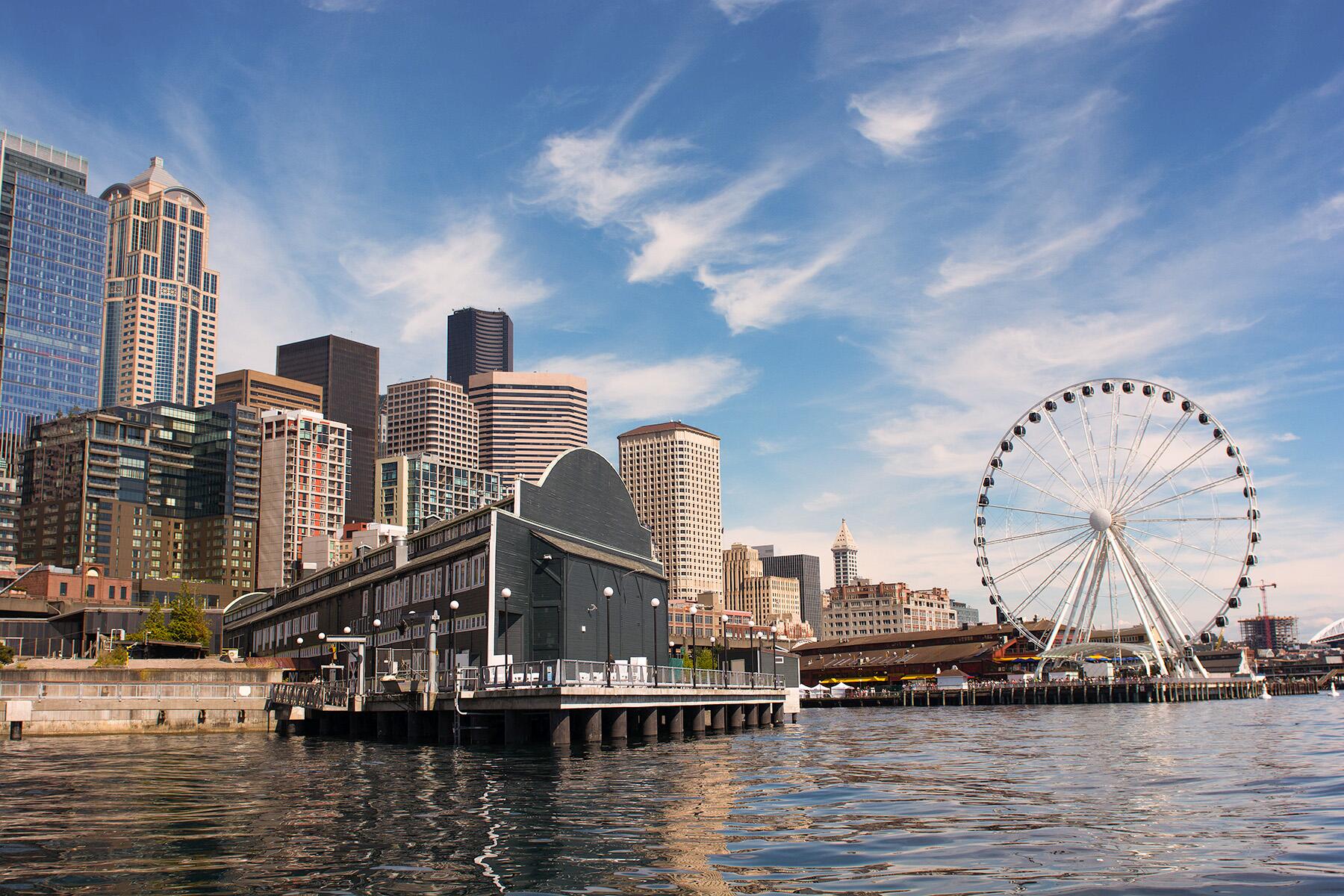
Beyond the Rain Myth: Seattle’s True Weather Story
The persistent stereotype of [Seattle] as an perpetually rainy city often overshadows the nuanced reality of its climate. While it’s true that [Seattle] receives a substantial amount of precipitation annually, the type of rain is crucial to understanding its true weather story. Unlike cities that experience torrential downpours or violent thunderstorms, [Seattle]’s rain is typically light, often a persistent drizzle or mist that locals affectionately refer to as “liquid sunshine.” This gentle, continuous moisture is what earned the city its “Emerald City” moniker, sustaining the lush greenery that defines the region.
The perception of endless rain is also influenced by the number of “rainy days,” which can be high. However, these often count days with only a trace of precipitation. Heavy, soaking rains are less common, and when they do occur, they are rarely prolonged. Furthermore, a significant portion of [Seattle]’s annual rainfall occurs during the winter months, leaving glorious, dry summers that are among the most pleasant in the United States. Visitors expecting constant deluges might be surprised to find many days with just light clouds or even clear skies, especially outside of winter.
Another factor is the high percentage of cloudy days, particularly from October to May. While this can sometimes feel oppressive to those accustomed to more consistent sunshine, it contributes to the city’s cozy, introspective atmosphere, fostering a vibrant indoor culture of coffee shops, independent bookstores, and art galleries. Embracing this aspect of [Seattle]’s weather is part of the authentic experience. It encourages a different pace of travel, one that savors warm beverages, intimate conversations, and the comfort of indoor attractions, while still allowing for breaks of sunshine that illuminate the city’s natural beauty and iconic landmarks.
Planning Your Seattle Adventure: Weather-Wise Travel Tips
Successfully navigating [Seattle]’s diverse climate requires a bit of foresight, but with the right preparation, you can enjoy all the city has to offer, regardless of the season. Thoughtful packing and an adaptable itinerary will ensure your trip is comfortable and memorable, aligning perfectly with your travel style, whether it’s luxury travel, a budget-friendly escape, or a family adventure.
Essential Packing for Every Season
Regardless of when you visit, layering is paramount in [Seattle]. Even on summer days, evenings can bring a chill. For spring, autumn, and winter, waterproof and windproof outerwear is non-negotiable. A good quality, compact umbrella is always a wise addition, though locals often opt for hooded jackets. Comfortable, waterproof shoes are also essential, especially if you plan on exploring attractions like [Pike Place Market] or [Discovery Park] on foot. In summer, lighter layers are sufficient, but a sweater or light jacket for evenings is still recommended. Don’t forget sunglasses, as bright days can be surprisingly intense after periods of cloud cover, particularly when enjoying views from [Kerry Park]. For those planning day trips to mountainous areas like [Mount Rainier National Park], more robust hiking gear, including waterproof boots and insulated layers, will be necessary year-round.
Embracing Indoor and Outdoor Experiences
[Seattle]’s weather encourages a dynamic approach to activities. During the glorious summer months, the city truly comes alive outdoors. This is the ideal time for kayaking on [Lake Union], exploring the vibrant waterfront, or hiking through urban green spaces like [Discovery Park]. Boating on [Puget Sound] or taking a ferry ride to one of the islands offers unparalleled views of the skyline and surrounding natural wonders. Families can enjoy the [Woodland Park Zoo] or scenic bike rides along the numerous trails.When the weather turns wetter, [Seattle] excels at providing a wealth of indoor entertainment. This is when the city’s rich cultural scene shines. Museums such as the [Museum of Pop Culture] and the [Chihuly Garden and Glass] offer hours of captivating exploration. The city’s thriving coffee culture invites travelers to cozy up in one of its many independent cafes, perfect for an afternoon of people-watching or quiet contemplation. Craft breweries and distilleries offer tours and tastings, showcasing [Seattle]’s innovative spirit. For luxury travelers, indulging in fine dining experiences or attending a performance in one of [Downtown Seattle]’s elegant theaters provides sophisticated entertainment. Even on a rainy day, shopping at [Pike Place Market] under its covered awnings remains a quintessential [Seattle] experience.
Choosing Your Ideal Season (and Accommodation)
The “best” time to visit [Seattle] largely depends on your travel preferences and priorities:
- Summer (June-August): Ideal for first-time visitors, families, and those seeking outdoor adventures and guaranteed sunshine. Expect peak crowds and higher prices for hotels and flights. Consider booking luxury resorts or popular downtown hotels like the [Hyatt Regency Seattle] well in advance. For longer stays, vacation rentals near attractions are popular.
- Spring (March-May) & Autumn (September-November): Perfect for budget travelers, those seeking local culture, and visitors who appreciate milder weather with fewer crowds. These shoulder seasons offer good value for accommodation, from charming boutique hotels in [Belltown] to more affordable options. They are excellent for business stays, offering a blend of professional convenience and leisure opportunities.
- Winter (December-February): Best for those interested in indoor cultural experiences, holiday festivities, and finding the lowest travel prices. It’s a great time for a cozy getaway or a long-term stay, allowing you to immerse yourself in [Seattle]’s unique lifestyle. Hotels like [The Edgewater Hotel] offer a memorable experience with waterfront views, regardless of the weather.
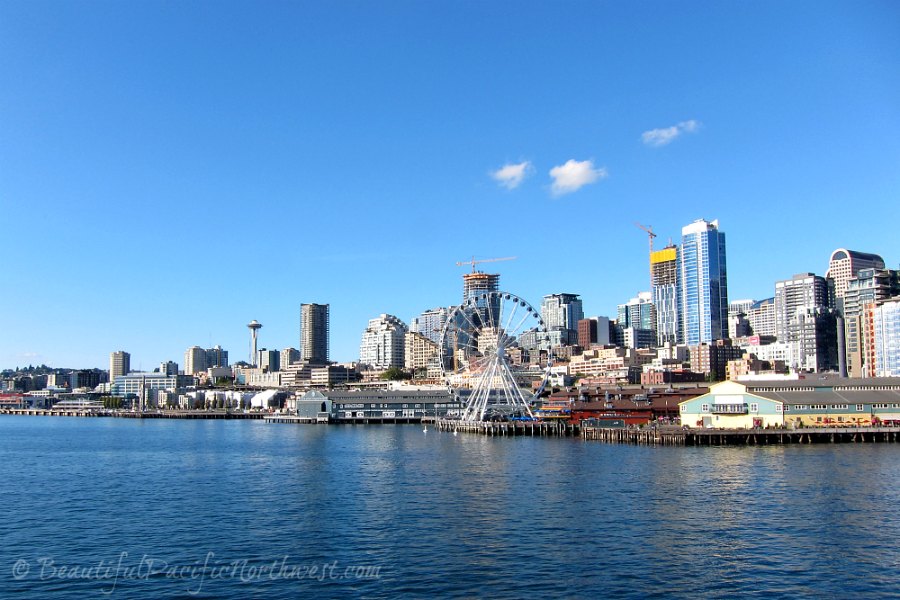
Exploring Beyond the City: Regional Climate Influences
While [Seattle]’s urban climate is largely moderated by its proximity to the water, venturing beyond the city limits reveals significant regional variations that impact day trips and extended excursions. The majestic [Cascade Mountains] to the east, home to [Mount Rainier National Park] and [Snoqualmie Falls], experience far more extreme weather. Winter brings heavy snowfall, making ski resorts popular, but also impacting road access. Even in summer, mountain elevations mean cooler temperatures and the possibility of afternoon showers, requiring appropriate gear for hiking or camping.
To the west, the [Olympic Peninsula], dominated by the [Olympic National Park], presents a dramatic contrast. The western slopes receive some of the highest rainfall in the continental [United States], nurturing temperate rainforests, while the eastern “rain shadow” areas are considerably drier. Understanding these regional differences is vital for planning activities like exploring the rugged coastlines, ancient forests, or alpine meadows. A clear summer day in [Seattle] might still mean snowfields or misty conditions at higher elevations in [Mount Rainier] or the [Olympic Mountains]. Always check specific forecasts for your chosen destination outside the city to ensure a safe and enjoyable experience, making the most of the diverse natural beauty that surrounds [Seattle].
In conclusion, the weather in [Seattle], [Washington], is much more dynamic and enjoyable than its rainy reputation suggests. Each season offers a distinct character, influencing everything from the availability of outdoor activities and the charm of its landmarks to the diverse range of accommodation options and local cultural experiences. By understanding its temperate maritime climate, with its mild, wet winters and surprisingly sunny summers, travelers can confidently plan a trip that aligns with their personal preferences, ensuring an enriching and memorable visit to this captivating [Pacific Northwest] gem.
LifeOutOfTheBox is a participant in the Amazon Services LLC Associates Program, an affiliate advertising program designed to provide a means for sites to earn advertising fees by advertising and linking to Amazon.com. Amazon, the Amazon logo, AmazonSupply, and the AmazonSupply logo are trademarks of Amazon.com, Inc. or its affiliates. As an Amazon Associate we earn affiliate commissions from qualifying purchases.