
For many, the name “Boston Butt” evokes a sense of culinary curiosity, perhaps even confusion. Is it a specific part of a cow from Boston? A strange, regional pastry? Neither. In the vibrant tapestry of global cuisine, particularly within the United States, the Boston Butt holds an esteemed position, revered by pitmasters and home cooks alike for its incredible versatility and flavor potential. It is, in essence, a cut of pork shoulder, specifically the upper portion, often including a piece of the blade bone. This humble cut is the undisputed king of slow-cooked, succulent dishes, most notably the legendary pulled pork that draws travelers to the culinary hotspots of the American South and beyond.
Understanding the Boston Butt is not just about dissecting a piece of meat; it’s about delving into a rich history, exploring diverse cooking techniques, and appreciating its profound impact on regional food cultures, making it a fascinating subject for any food-loving traveler or culinary adventurer. This article will unravel the mystery behind its peculiar name, explore its culinary applications, and guide you on how to experience its delicious legacy as part of your next travel or lifestyle adventure.
Unraveling the Mystery: Definition and Origins
The journey to understanding the Boston Butt begins with its very identity: what it is and how it acquired such an intriguing name. This section delves into the specifics of this beloved pork cut and traces the historical threads that weave together its unique nomenclature.
The Cut Above: What Exactly is a Boston Butt?
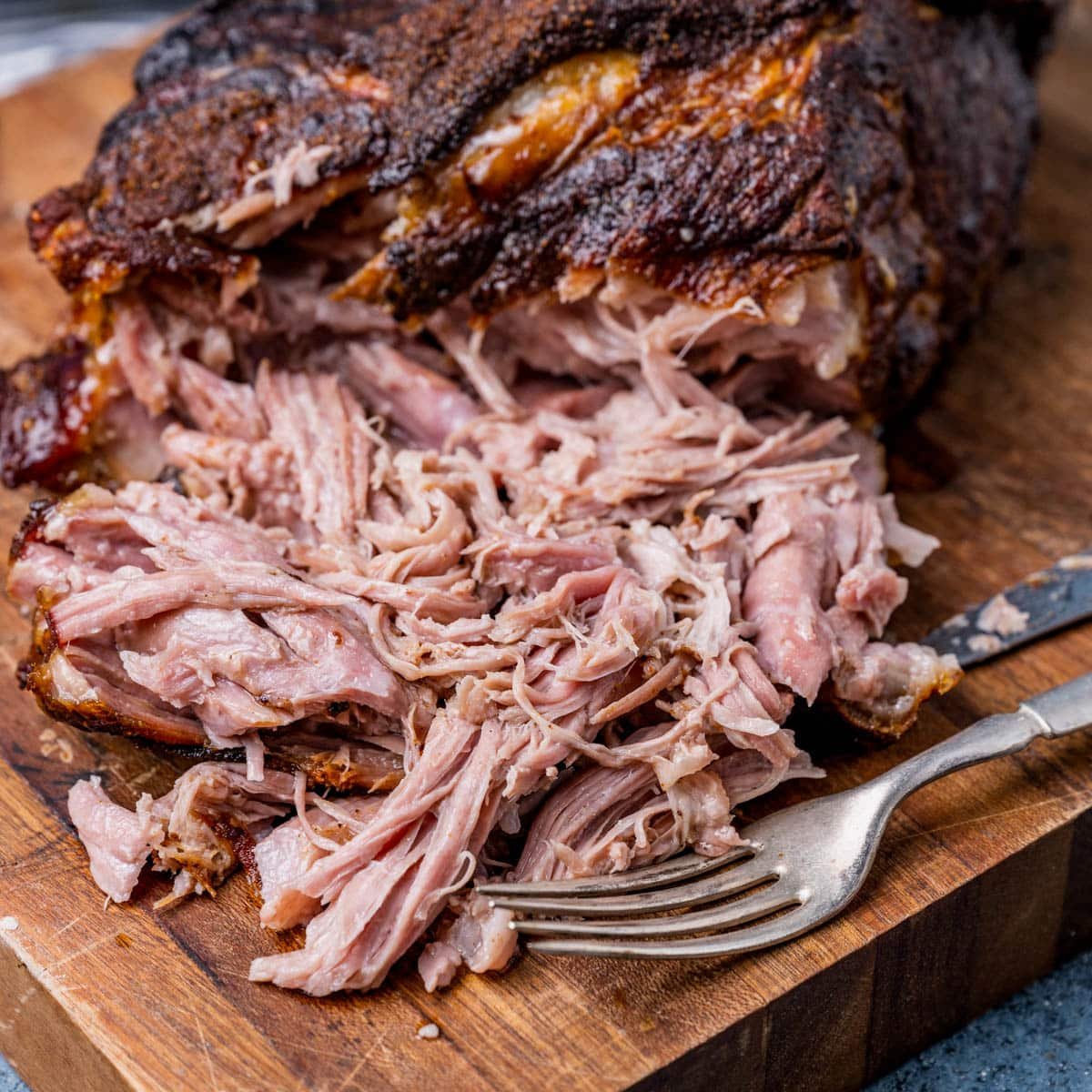
Despite its misleading name, the Boston Butt is actually derived from the shoulder of a pig, not the rear. More precisely, it’s the upper part of the pig’s front shoulder, often referred to as the pork shoulder or pork butt. This cut typically weighs between six and ten pounds and is characterized by its generous marbling of fat and connective tissue. These attributes, often considered undesirable in leaner cuts, are precisely what make the Boston Butt so exceptional for slow cooking. The fat slowly renders during extended cooking times, basting the meat from within, while the connective tissues break down into gelatin, resulting in incredibly tender, moist, and flavorful pork that practically melts in your mouth.
Unlike a leaner pork loin or tenderloin, which are best suited for quick grilling or searing, the Boston Butt thrives under low and slow heat. This makes it the ideal candidate for methods like smoking, braising, and slow roasting, transforming what might otherwise be a tough cut into a culinary masterpiece. Its versatility makes it a staple in numerous dishes across various cuisines, although its most famous incarnation remains the quintessential pulled pork.
A Tale of Two Names: Why “Boston” and Why “Butt”?
The origins of the name “Boston Butt” are rooted in a charming piece of American culinary history, stretching back to colonial times in New England. The “butt” in the name refers to an old English word for a barrel or cask, not the anatomical rear end of the pig. In colonial New England, butchers would often take less prized cuts of pork, including the shoulder, and pack them into these wooden barrels for storage and transportation. This practice was particularly common in Boston, which was a major port and hub for trade at the time.
The pork packed into these “butts” or barrels became known as “Boston butts” to distinguish them from other pork products. Over time, as butchering practices evolved, the term stuck to this specific cut, even after the barrel-packing method became less common. So, while you might find the name geographically misleading, it’s a testament to Boston’s historical role in the preservation and distribution of pork, solidifying its place in the lexicon of American gastronomy. This historical anecdote offers a fascinating glimpse into the evolution of food practices and regional influences, adding an extra layer of appreciation for this beloved cut of meat.
The Culinary Canvas: Cooking Methods and Versatility
The true magic of the Boston Butt lies in its incredible adaptability in the kitchen. Its inherent fat and connective tissue are not hindrances but rather the key to unlocking a world of tender, flavorful dishes. This section explores the primary cooking methods that elevate the Boston Butt to culinary stardom and highlights its diverse applications beyond the iconic pulled pork.
Mastering the Art of Slow Cooking: Pulled Pork Perfection
When it comes to the Boston Butt, slow cooking is not just a method; it’s an art form. The most celebrated outcome of this patient approach is undoubtedly pulled pork. Whether smoked over wood, braised in a flavorful liquid, or roasted slowly in an oven, the goal is the same: to render the fat, break down the tough connective tissues, and transform the meat into a fork-tender, shreddable delight.
Smoking: This is perhaps the most iconic method, deeply entrenched in the barbecue traditions of the American South. A well-smoked Boston Butt develops a beautiful dark “bark” on the exterior, a distinct smoke ring just beneath, and an unparalleled smoky flavor that permeates every strand of meat. Pitmasters often use woods like hickory, apple, or oak, carefully controlling temperature and smoke intensity over many hours—sometimes 12 to 18—to achieve perfection. The result is a smoky, savory, and incredibly moist pulled pork, often served with a tangy vinegar-based sauce or a rich tomato-based barbecue sauce.
Braising: For those without a smoker, braising offers a fantastic alternative. The Boston Butt is seared to develop a crust, then submerged partly in a flavorful liquid (broth, cider, beer, or even Dr. Pepper) and slow-cooked in a Dutch oven or slow cooker. The moist environment ensures the meat remains incredibly juicy, and the liquid infuses it with deep, complex flavors. This method often results in a richer, more uniform flavor profile that can be adapted to various cuisines.

Slow Roasting: Similar to braising but typically without submersion, slow roasting in an oven achieves a wonderfully tender result. Rubbed with spices and cooked at a low temperature for several hours, the Boston Butt transforms into succulent pork that can be easily pulled apart. This method is particularly accessible for home cooks and delivers delicious pulled pork with minimal fuss.
Beyond the Sandwich: Diverse Dishes Featuring Boston Butt
While pulled pork sandwiches might be the most famous application, the versatility of the Boston Butt extends far beyond this classic. Its ability to absorb flavors and achieve a fall-apart texture makes it an invaluable ingredient in a myriad of global dishes, offering a compelling reason for culinary exploration during your travels.
Carnitas: Hailing from Mexico, carnitas are a glorious example of the Boston Butt’s potential. Cubed pork is slowly simmered in lard (or oil) with seasonings until tender, then the heat is increased to crisp the edges, creating a delightful contrast of textures. The result is incredibly flavorful, succulent pork with crispy bits, perfect for tacos, burritos, or simply enjoyed on its own. Experiencing authentic carnitas is a highlight for many travelers exploring Mexican cuisine.
Stews and Chili: The robust flavor and texture of Boston Butt make it an excellent choice for hearty stews and chili. Whether it’s a rich pork chili verde or a comforting goulash, the slow-cooked pork adds depth and substance. Its ability to hold up to long cooking times without drying out ensures a tender and satisfying meal.
Cuban-style Roast Pork (Lechón Asado): In Cuba and the wider Caribbean, the pork shoulder (or a whole pig) is often marinated in a potent mojo sauce (citrus, garlic, oregano) and slow-roasted until incredibly tender with a crispy skin. This dish, often served for holidays and special occasions, is a cornerstone of Cuban cuisine. A visit to Havana would be incomplete without savoring this intensely flavored roast pork.
Asian Braised Pork Dishes: In various Asian cuisines, the pork shoulder is commonly used for dishes like Char Siu (Chinese BBQ pork) or various braised pork belly preparations, often flavored with soy sauce, star anise, and five-spice powder. While technically different cuts (Char Siu often uses a leaner shoulder portion, and pork belly is distinct), the principle of slow cooking a fatty cut for tenderness and flavor is shared, demonstrating the global appeal of this cooking philosophy.

The versatility of the Boston Butt truly makes it a global culinary chameleon, offering endless possibilities for delicious meals, whether you’re dining in a street food stall in Mexico or recreating a classic American barbecue in your own kitchen.
A Journey for the Senses: Boston Butt in Food Tourism and American Culture
For travelers with a palate for authentic experiences, the Boston Butt offers a delicious entry point into the heart of American food culture, particularly the storied traditions of barbecue. Exploring where and how this cut is celebrated provides a unique lens through which to discover regional flavors, historical influences, and vibrant local communities.
The Heart of American Barbecue: Regional Flavors and Traditions
The Boston Butt is, without a doubt, the foundation of barbecue in many parts of the United States, especially in the vast culinary landscape of the American South. Each region boasts its distinct style of pulled pork, making a barbecue road trip a truly diverse and delectable adventure for any food tourist.
-
The Carolinas: Both North Carolina and South Carolina are fiercely proud of their barbecue traditions, with pulled pork being a centerpiece. In North Carolina, you’ll find a strong emphasis on whole hog barbecue or shoulder, often dressed with a tangy, vinegar-based sauce that cuts through the richness of the pork. The eastern style is pure vinegar and pepper, while the western (Lexington-style) adds tomato paste and ketchup. South Carolina, particularly around Charleston, is famous for its unique mustard-based “Carolina Gold” sauce, offering a sweet and pungent counterpoint to the smoky pork. A visit to these states promises an authentic taste of slow-smoked perfection.
-
Texas: While Texas is often synonymous with brisket, its barbecue scene also embraces pulled pork, particularly in certain regions and specific pitmaster interpretations. You might find a more minimalist approach to seasoning, allowing the quality of the pork and the smoke from post oak wood to shine. Cities like Austin offer a burgeoning food scene where innovative pitmasters experiment with various cuts, including the Boston Butt.
-
Kansas City: Known as the barbecue capital of the world, Kansas City offers a diverse barbecue experience where nearly everything is smoked, and often slathered in a thick, sweet, and tangy tomato-and-molasses-based sauce. Pulled pork is a staple on most menus here, often served alongside ribs, burnt ends, and smoked chicken.
-
Memphis: Another titan of barbecue, Memphis is famed for both wet and dry ribs, but its pulled pork is equally legendary. Often served on a bun with coleslaw, Memphis pulled pork is typically dry-rubbed and slow-smoked, allowing the rich flavor of the pork to come through, complemented by a range of sauces available on the side.
These regional differences offer a fascinating insight into local preferences and culinary evolution, making a gastronomic tour of these destinations a truly rewarding travel experience. For those passionate about food, understanding these nuances is as enriching as visiting any famous landmark.
From Farm to Festival: Experiencing Barbecue Culture
Beyond the specific regional styles, experiencing barbecue culture as a traveler is about immersing oneself in local traditions, community gatherings, and the sheer joy of good food. The Boston Butt is often at the center of these experiences.
Barbecue Festivals and Competitions: Across the United States, especially in the South, barbecue festivals and competitions are major events that draw crowds from all walks of life. These gatherings are vibrant celebrations of culinary skill, community spirit, and, of course, delicious food. Attending a World Championship Barbecue Cooking Contest in Memphis or a smaller, local cook-off provides an unforgettable insight into the passion and artistry behind slow-smoked pork. Many events offer tasting opportunities, live music, and family-friendly activities, making them perfect for lifestyle travelers seeking authentic cultural experiences.
Visiting Local Smokehouse and Eateries: For a more intimate experience, seeking out local, often unassuming smokehouses and diners is key. These establishments are often family-run, with recipes passed down through generations, and offer a genuine taste of regional barbecue. From the bustling queues at renowned Kansas City joints to hidden gems in rural North Carolina, these places are true cultural landmarks for food enthusiasts. They tell a story of hard work, dedication, and a deep love for the craft of barbecue.
Culinary Experiences and Cooking Classes: For those who wish to delve deeper, many destinations that celebrate barbecue also offer culinary classes focused on smoking and preparing cuts like the Boston Butt. Resorts and specialized cooking schools are increasingly incorporating regional specialties into their programs, providing hands-on opportunities to learn from experts. This kind of experiential travel not only satisfies a craving for delicious food but also equips you with skills to bring a piece of that culinary journey back home. Imagine learning the secrets of authentic pulled pork at a charming boutique hotel near Nashville or a luxury resort offering gourmet barbecue workshops. It transforms a simple meal into an educational and memorable lifestyle experience.
Planning Your Culinary Adventure: Where to Find and Savor Boston Butt
Embarking on a culinary journey centered around the Boston Butt is a rewarding experience for any traveler. Whether you’re a seasoned foodie or simply curious to try this iconic dish, knowing where to look and how to prepare it can enhance your travel plans and lifestyle choices.
Finding Authentic Flavors: Tips for Travelers
When traveling through regions renowned for their barbecue, seeking out authentic Boston Butt dishes requires a bit of savvy.
- Look for Local Recommendations: Don’t just rely on online reviews. Ask hotel staff, locals, or even taxi drivers for their favorite barbecue joints. Often, the best places are not the most quảng cáo but the ones with a long-standing reputation in the community.
- Embrace the “Hole-in-the-Wall”: Many of the most celebrated barbecue spots are unassuming, no-frills establishments. Don’t be deterred by rustic appearances; these places often prioritize flavor and tradition over fancy decor.
- Understand the Menu: Familiarize yourself with the regional barbecue terminology. For instance, in the Carolinas, you might specify “pulled pork with eastern-style sauce” or “chopped pork with Carolina Gold.”
- Go During Off-Peak Hours: Popular barbecue places can have long lines, especially during lunch or dinner rushes. Arriving slightly before or after peak times can save you waiting time and allow for a more relaxed experience.
- Explore Beyond the Obvious: While major cities like Kansas City, Memphis, and Charleston are barbecue meccas, don’t overlook smaller towns or rural areas. Some of the most authentic and celebrated pitmasters operate in less-traveled locations, offering true destination dining experiences.
For budget travelers, local barbecue joints often provide excellent value, offering generous portions of high-quality, slow-cooked meat at accessible prices. For luxury travelers, many upscale resorts and hotels, particularly in the South, are now integrating gourmet barbecue experiences into their offerings, blending traditional flavors with sophisticated dining.
Bringing the Flavor Home: Exploring Cooking Classes and Resorts
The allure of the Boston Butt isn’t confined to restaurants; it’s a fantastic cut to experiment with at home, bringing a piece of your culinary travels into your own kitchen. Many travel-oriented lifestyle choices revolve around food, and learning to master this cut can be a fulfilling endeavor.
- Culinary Resorts and Hotels: Imagine a stay at a Grand Hyatt Hotel in a destination known for its food, offering a special weekend package that includes a barbecue cooking class. Or perhaps a Ritz-Carlton resort in the American South hosting a “Southern Comfort” culinary retreat where guests learn the art of smoking a Boston Butt from a renowned chef. These types of accommodation experiences blend luxury with hands-on learning, creating unforgettable memories. Many properties affiliated with brands like Marriott Bonvoy or Hilton Honors are increasingly designing unique local experiences around food.
- Dedicated Cooking Schools: Beyond resort programs, specialized cooking schools across the United States and even Europe (as American barbecue gains global popularity) offer workshops specifically focused on barbecue, including detailed instruction on preparing and cooking a Boston Butt. These range from intensive multi-day courses to short, immersive sessions, catering to various skill levels and interests.
- Long-Term Stays and Vacation Rentals: For travelers opting for extended stays or self-catering accommodations like villas or apartments, purchasing a Boston Butt from a local butcher and attempting to cook it yourself can be a deeply satisfying cultural immersion. Many vacation rentals come equipped with grills or even smokers, providing the perfect opportunity to experiment with local ingredients and techniques. This approach offers a budget-friendly yet authentic way to savor the flavors of your destination.
In conclusion, the Boston Butt, with its humble origins and complex flavor profile, is far more than just a cut of pork. It’s a culinary landmark, a cornerstone of American food culture, and a delightful subject for exploration for any traveler passionate about food, history, and authentic experiences. Whether you’re seeking it out in its traditional barbecue heartland or learning to master its preparation in a luxury culinary setting, the Boston Butt promises a journey of delicious discovery.
LifeOutOfTheBox is a participant in the Amazon Services LLC Associates Program, an affiliate advertising program designed to provide a means for sites to earn advertising fees by advertising and linking to Amazon.com. Amazon, the Amazon logo, AmazonSupply, and the AmazonSupply logo are trademarks of Amazon.com, Inc. or its affiliates. As an Amazon Associate we earn affiliate commissions from qualifying purchases.