
For many travelers planning a trip to the vast and diverse Lone Star State, the question of whether gambling is a viable entertainment option often arises. Texas, known for its rich history, vibrant culture, expansive landscapes, and iconic cities like Dallas, Houston, San Antonio, and Austin, offers an unparalleled array of experiences – from exploring historic landmarks and enjoying world-class cuisine to embracing its unique outdoor adventures. However, when it comes to the flashing lights and thrilling sounds of a casino floor, the answer for Texas is a bit more nuanced than a simple yes or no.
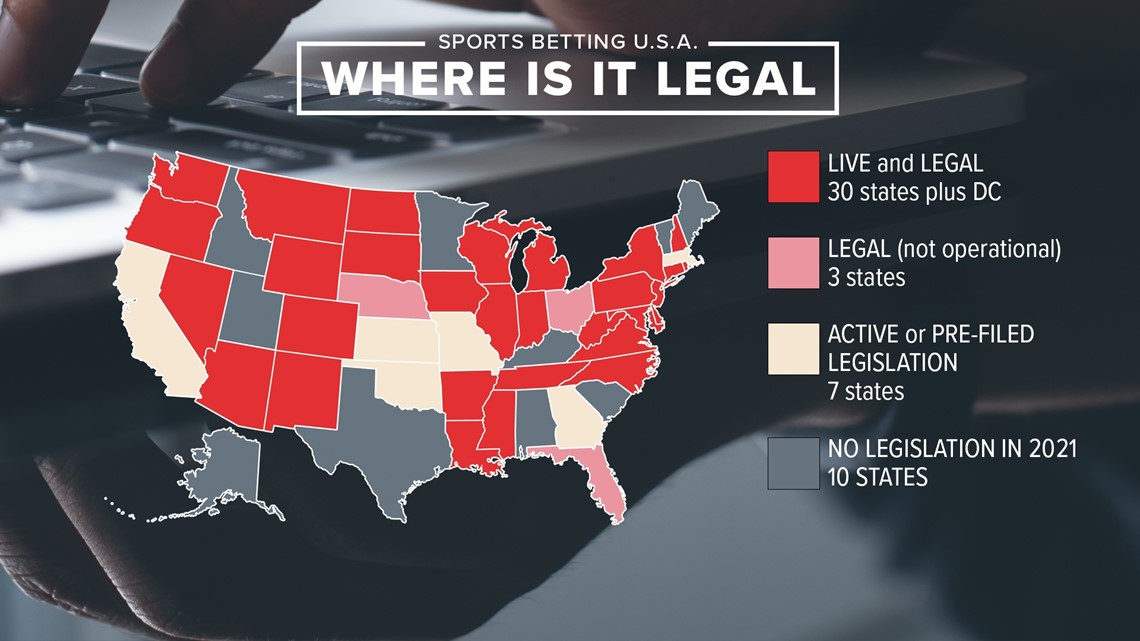
Unlike neighboring states, Texas maintains a relatively conservative stance on gambling, with most forms remaining illegal. This strict approach significantly impacts the tourism and lifestyle landscape, guiding how visitors and residents alike seek out their entertainment. While you won’t find the sprawling casino resorts synonymous with Las Vegas or Atlantic City within most of its borders, a closer look reveals a few specific, legal avenues for those looking to try their luck, alongside a robust discussion about what the future might hold for gaming in this dynamic state.
This guide delves into the current legal framework of gambling in Texas, exploring the limited options available, examining the reasons behind its restrictive laws, and pointing travelers towards the thriving gaming destinations just beyond its borders. We’ll also touch upon the ongoing debates and potential shifts in legislation that could one day transform Texas into a major player in the gambling tourism market, offering new opportunities for accommodation, hotels, and tourism development.
The Lone Star State’s Stance on Gambling
Texas’s relationship with gambling is rooted in a history of conservative values and a strong emphasis on individual responsibility, often clashing with the economic arguments for expanded gaming. Understanding this foundational perspective is key to grasping the current landscape and why the state remains an outlier compared to many of its peers in the United States.
A Strict Legal Landscape
Generally speaking, commercial casino gambling is prohibited under Texas law. The state constitution, heavily influenced by its historical context, defines and restricts what constitutes legal gaming. This means that travelers accustomed to finding slot machines, blackjack tables, or roulette wheels readily available in other states will discover a different reality upon arrival in Texas. The absence of traditional casinos means that the vibrant, integrated resort experiences that combine gaming with luxury accommodation, fine dining, and entertainment venues are largely absent from the Texas tourism portfolio.
This strict legal framework extends to online gambling as well, which is also illegal within the state’s jurisdiction. While many offshore sites operate and are accessible, participating in them carries legal risks and is not endorsed by Texas authorities. For those interested in digital entertainment, the focus remains on social gaming applications that do not involve real money wagering.
The Rationale Behind Texas’s Laws
The reasons for Texas’s conservative gambling laws are multi-faceted, stemming from a blend of social, moral, and political considerations. For decades, strong opposition from various groups, including religious organizations and those concerned about the potential negative societal impacts of widespread gambling (such as addiction, crime, and economic exploitation), has successfully blocked most legislative efforts to expand gaming.
Political dynamics also play a significant role. The Republican Party, which holds a dominant position in state politics, has historically been less inclined to support gambling expansion. While there are proponents within both parties who advocate for the economic benefits that casinos could bring, the political will to overcome entrenched opposition has not yet materialized into significant legislative change. This has led to a situation where Texas continues to see its residents and their gaming dollars flow across state lines, supporting the economies of neighboring states.
Legitimate Gambling Opportunities in Texas
Despite the general prohibition, there are a few specific, state-sanctioned forms of gambling that exist legally within Texas borders. These options offer a glimpse of regulated gaming and provide unique experiences for those traveling through the state.
The Texas Lottery
The most ubiquitous and accessible form of legal gambling in Texas is the Texas Lottery. Established in 1992, the lottery offers a variety of games, including scratch-offs, daily draws, and multi-state jackpot games like Powerball and Mega Millions. For travelers, participating in the lottery is incredibly easy, with tickets available at convenience stores, grocery stores, and various retail outlets across the state.
While not the high-stakes casino experience many seek, the Texas Lottery provides a small thrill and the dream of a big win, contributing significantly to public education and veteran services in the state. It’s a low-key way to engage with legal gambling and perhaps add a touch of excitement to a travel itinerary, whether you’re visiting Austin’s live music scene or exploring the historic missions of San Antonio.
Pari-Mutuel Betting: Horse and Greyhound Racing
Another legal form of gambling in Texas is pari-mutuel betting on horse and greyhound races. This allows individuals to wager on the outcomes of live races, with the odds determined by the total amount wagered on each competitor. The state licenses and regulates several racetracks, offering a unique blend of sport and speculation.
Notable horse racing venues include Lone Star Park in Grand Prairie (near Dallas/Fort Worth) and Sam Houston Race Park in Houston. These facilities not only host exciting races but also often feature dining options, live entertainment, and family-friendly events, making them attractive destinations for a day out. For travelers interested in the pageantry and competitive spirit of racing, these parks offer a legitimate and enjoyable way to engage in legal betting. The Texas Racing Commission oversees these operations, ensuring fair play and responsible conduct.
Charitable Bingo: Community and Fun
Bingo halls are a common sight in communities across Texas, operating legally under strict regulations as a form of charitable gaming. Organizations licensed by the state can host bingo games, with a portion of the proceeds benefiting their charitable causes. This type of gambling emphasizes community engagement and fundraising over large-scale commercial profit.
For travelers, attending a charitable bingo game can offer a unique cultural experience, providing insight into local community life and an opportunity to support a good cause. While the stakes are typically modest, the atmosphere can be lively and engaging, offering a casual and legal way to participate in a form of gaming. It’s a far cry from a bustling casino, but it embodies a different facet of Texas’s approach to controlled gaming.
Native American Gaming: Sovereign Lands
The complex legal landscape of gambling in the United States includes provisions for Native American tribes to operate gaming facilities on their sovereign lands, subject to tribal-state compacts. In Texas, two federally recognized tribes, the Kickapoo Traditional Tribe of Texas and the Alabama-Coushatta Tribe, operate gaming venues that offer certain types of casino-style entertainment.

The most prominent example is the Kickapoo Lucky Eagle Casino Hotel, located in Eagle Pass on the Mexican Border. This facility offers a range of electronic games, including slot machines and poker tables. As a full-fledged casino hotel, it provides extensive amenities, including restaurants, bars, and a significant number of hotel rooms, making it a destination in itself. For travelers seeking a traditional casino experience within Texas, this is the closest legal option.
The Alabama-Coushatta Tribe operates Naskila Gaming near Livingston, which offers Class II gaming machines (electronic bingo games that resemble slot machines). While the legal battle over its operation has been ongoing and complex, it has, at times, provided a limited gaming option in East Texas. These tribal casinos represent unique pockets of casino gaming within the state, offering travel and accommodation opportunities for those willing to make the journey.
Casino Cruises to International Waters
For those yearning for a true casino experience without leaving the Texas Gulf Coast, casino cruises offer an ingenious solution. These cruises depart from port cities like Galveston and Corpus Christi, sailing into international waters where Texas gambling laws no longer apply. Once beyond the state’s jurisdiction, these vessels transform into floating casinos, offering a full range of table games, slot machines, and other gaming options.
Casino cruises provide a unique travel experience, combining the relaxation of a short sea voyage with the excitement of casino gambling. They are often day trips or short overnight excursions, perfect for those staying in coastal areas or willing to travel to the port cities. Travelers can enjoy the scenic views of the Gulf of Mexico, indulge in dining and entertainment, and then try their hand at the tables or slots once in international waters. This option cleverly navigates the legal restrictions, offering a legitimate and popular way for Texans and visitors alike to gamble.
Exploring Gambling Alternatives Near Texas
Given the limited options within Texas, many residents and tourists seeking a comprehensive casino experience look to the state’s more gambling-friendly neighbors. These nearby destinations have capitalized on Texas’s restrictive laws, developing robust gaming industries that cater directly to the Lone Star State market.
Heading East: Louisiana’s Gaming Hubs
Just across the eastern border, Louisiana stands as a beacon for casino enthusiasts. Cities like Shreveport/Bossier City and Lake Charles have become popular weekend getaways for Texans, particularly those from Dallas, Houston, and East Texas. These areas boast a multitude of riverboat casinos and land-based resorts, offering a full spectrum of gaming options, luxurious accommodation, and high-end amenities.
- Shreveport/Bossier City: Located on the Red River near the Texas border, this twin city area is home to several major casinos, including Margaritaville Resort Casino, Horseshoe Bossier City, and DiamondJacks Casino & Hotel. These resorts offer extensive gaming floors, a variety of restaurants, spas, live entertainment, and comfortable hotel rooms, making them ideal for a dedicated gambling holiday. The proximity makes them a convenient drive for many Texans.
- Lake Charles: Further south on Louisiana’s Gulf Coast, Lake Charles has emerged as another premier gaming destination. Resorts like L’Auberge Casino Resort and Golden Nugget Lake Charles are known for their upscale offerings, championship golf courses, sprawling pools, and comprehensive gaming options. They cater to a clientele seeking luxury travel experiences alongside their gaming pursuits. Another option in the area is Isle of Capri Casino Hotel Lake Charles.
These Louisiana destinations have tailored their tourism offerings to attract the Texas market, emphasizing their ease of access and the full resort experience that Texas currently lacks.
Venturing North: Oklahoma’s Thriving Casinos
To the north, Oklahoma presents an even larger and more diverse landscape of tribal casinos. Many of these facilities are strategically located near the Texas border, making them prime destinations for day trips or weekend escapes for residents of Dallas-Fort Worth and North Texas.
The most famous example is WinStar World Casino and Resort in Thackerville, operated by the Chickasaw Nation. Billed as one of the largest casinos in the world, WinStar offers an unparalleled gaming experience with thousands of slot machines, hundreds of table games, a massive poker room, and a dedicated bingo hall. Beyond gaming, it’s a comprehensive entertainment complex featuring multiple hotel towers, a golf course, spa, numerous restaurants, and a large arena for concerts and events. Its sheer scale makes it a significant draw for lifestyle and entertainment travel.
Other prominent tribal casinos in Oklahoma include those operated by the Choctaw Nation, Cherokee Nation, and Creek Nation, among others, providing a wide array of choices for Texans willing to drive a short distance. These resorts represent significant tourism attractions, generating substantial revenue and jobs for Oklahoma, much of which comes from the Texas market.
The Future of Gambling in Texas: A Shifting Horizon
The discussion around gambling in Texas is far from settled. With each Legislative Session, proposals for expanding gambling—ranging from destination resorts to mobile sports betting—are introduced, igniting passionate debates across the state. The future remains uncertain, but the economic arguments for legalization are growing stronger.
Political Debates and Economic Implications
Proponents of expanded gambling, including powerful lobbying groups and prominent investors like Las Vegas Sands (now led by Miriam Adelson following Sheldon Adelson’s passing), highlight the immense economic benefits that legalized casinos could bring. Estimates suggest billions in new tax revenue, thousands of jobs created, and a significant boost to the Texas tourism industry. They argue that this revenue could fund public services, reduce the tax burden on residents, and recapture the vast sums currently flowing to Louisiana and Oklahoma.
Opponents, however, continue to raise concerns about the potential social costs, including increased rates of problem gambling, crime, and the potential for urban decay around casino developments. They emphasize the importance of traditional Texas values and question whether the economic benefits truly outweigh the societal risks. The political landscape at the Texas State Capitol remains divided, making any significant change a challenging uphill battle. While the Adelson family and others have poured millions into lobbying efforts, a constitutional amendment—which would require a two-thirds vote in both legislative chambers and approval by Texas voters—is often necessary for major gambling expansion, a high bar to clear.

Potential Impact on Texas Tourism and Accommodation
If Texas were to eventually legalize destination casinos, the impact on its tourism and accommodation sectors would be transformative. Imagine integrated resorts featuring luxury hotels, convention centers, high-end shopping, and world-class entertainment, akin to those found in Las Vegas or Singapore. Cities like Dallas, Houston, San Antonio, and even Galveston could become major gaming and entertainment hubs, attracting international visitors and diversifying the state’s travel appeal.
Such developments would undoubtedly lead to a boom in hotel construction, offering a wider range of luxury and budget accommodation options. It could also create new job opportunities in hospitality, entertainment, and related services, while stimulating local economies. The potential to combine a casino stay with other popular Texas landmarks and attractions—from tubing down the Comal River or Guadalupe River, exploring Big Bend National Park or Padre Island National Seashore, to experiencing the vibrant culture of cities along the Rio Grande—would create unique travel packages and draw a new demographic of visitors.
The current discussions often revolve around the concept of “destination resorts” that are designed to attract tourists and convention-goers rather than solely focusing on local gamblers. This approach seeks to integrate gaming with broader tourism and lifestyle offerings, aligning with the state’s existing strengths in hospitality and entertainment. However, until legislative hurdles are cleared, these remain aspirational visions for the future of Texas travel.
In conclusion, while the dream of a Las Vegas-style casino resort within the heart of Texas remains a distant one, the Lone Star State does offer a few niche avenues for those looking to gamble legally. From buying a Texas Lottery ticket or enjoying a day at the horse races to visiting a tribal casino or embarking on a casino cruise to international waters, limited options exist. For the full casino experience, however, the vibrant gaming resorts of Louisiana and Oklahoma stand ready to welcome Texas travelers with open arms and endless gaming opportunities. As the debate over gambling continues to evolve in Texas, travelers can stay informed about potential changes that could one day redefine the state’s tourism and entertainment landscape, offering new forms of lifestyle and leisure experiences.
LifeOutOfTheBox is a participant in the Amazon Services LLC Associates Program, an affiliate advertising program designed to provide a means for sites to earn advertising fees by advertising and linking to Amazon.com. Amazon, the Amazon logo, AmazonSupply, and the AmazonSupply logo are trademarks of Amazon.com, Inc. or its affiliates. As an Amazon Associate we earn affiliate commissions from qualifying purchases.