
Texas, a land of sprawling ranches, vibrant cities like Dallas and Houston, and unparalleled natural beauty, beckons millions of travelers each year. From the historic charm of San Antonio to the eclectic culture of Austin and the coastal allure of Galveston, the Lone Star State offers a diverse tapestry of experiences. Whether you’re planning a luxurious resort stay, an adventurous road trip through the Hill Country, or a business trip to El Paso, understanding the local laws is not just good practice, it’s essential for a safe and enjoyable journey. One question that often arises, given Texas’s reputation for strong property rights and self-defense statutes, is a rather stark one: “Can you shoot someone for trespassing?”
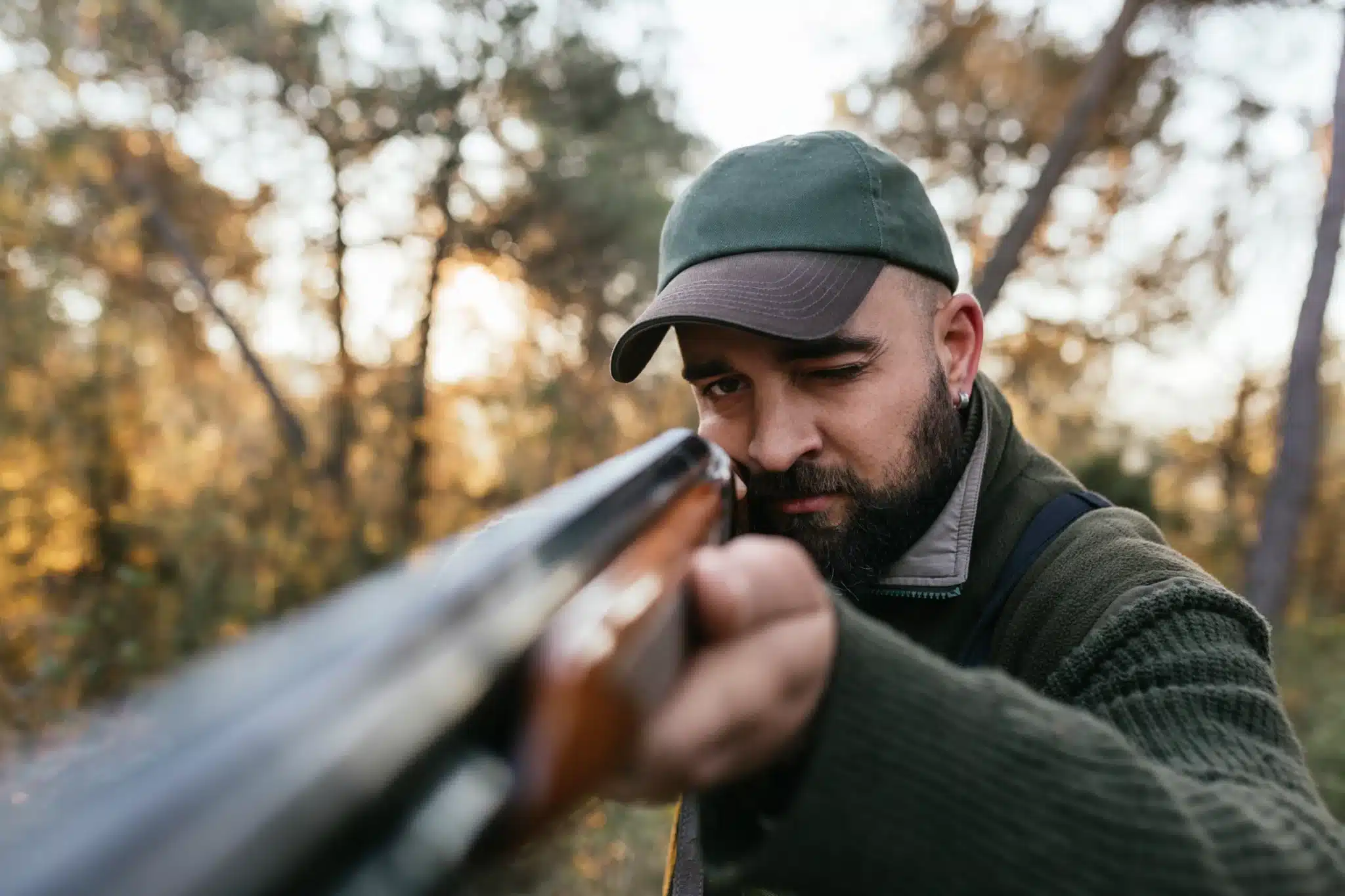
This isn’t a topic for casual conversation but a critical legal and safety consideration. For visitors and residents alike, clarity on this matter is paramount. Our aim here is to demystify the complex interplay between property rights, self-defense, and the use of force under Texas law, specifically as it pertains to trespassers. While this article offers a general overview for informational purposes, it is not a substitute for legal advice. Anyone facing a specific legal situation should consult a qualified attorney. However, by understanding these fundamental principles, travelers can navigate Texas with greater awareness and peace of mind, ensuring their travel experiences are memorable for all the right reasons.
Navigating Texas Law: Self-Defense and Property Rights
Texas is often associated with a rugged individualism and a strong emphasis on personal freedoms, including the right to bear arms and defend oneself and one’s property. However, these rights are not absolute and are governed by a complex framework of laws designed to balance individual liberty with public safety. The question of using deadly force against a trespasser delves deep into the specifics of these statutes, particularly the Castle Doctrine and Stand Your Ground laws.
The Castle Doctrine and Stand Your Ground in Texas
The Castle Doctrine is a legal principle that states an individual has the right to use reasonable force, including deadly force, to protect themselves or others against an intruder in their home or, in many interpretations, their vehicle or place of business. In Texas, this doctrine is robust. It essentially removes the duty to retreat if someone unlawfully and with force enters or attempts to enter a person’s habitation, vehicle, or workplace. The law presumes that if someone is unlawfully and forcefully entering these specific locations, the resident or occupant has a reasonable belief that deadly force is immediately necessary to protect themselves or a third person from the intruder’s use or attempted use of unlawful deadly force.
Complementing the Castle Doctrine is Texas’s Stand Your Ground law. This statute extends the right of self-defense beyond the confines of one’s home or vehicle, allowing an individual to use deadly force in self-defense in any place where they have a legal right to be, without the duty to retreat, if they reasonably believe it is immediately necessary to protect themselves or a third person from the imminent use of unlawful deadly force.
It is critical to understand that both these doctrines, while empowering, are primarily concerned with the defense of self and others from a threat of serious bodily injury or death, not solely the defense of property. A mere act of trespassing, in and of itself, does not automatically justify the use of deadly force under either the Castle Doctrine or Stand Your Ground laws. The key distinction lies in whether the trespasser poses an imminent threat to life or limb.
When Force is Permissible: Understanding Reasonable Belief
Texas law, specifically Penal Code Chapter 9, outlines the circumstances under which force and deadly force may be used. While non-deadly force is generally permissible to protect one’s own property (e.g., physically removing a trespasser without causing serious injury), the bar for using deadly force is significantly higher.
Deadly force is generally not authorized under Texas law for the sole purpose of protecting property. For instance, if a trespasser is merely stealing a lawnmower or a bicycle from your yard, and poses no direct threat to you or others, using deadly force against them would almost certainly be illegal and could lead to serious criminal charges. The law is designed to protect human life above property.
However, there are very specific, narrow exceptions where deadly force may be justified in defense of property, but even then, it is almost always tied to the prevention of certain aggravated felonies or the flight of a perpetrator of such a felony. Texas Penal Code Section 9.42, “Deadly Force to Protect Property,” stipulates that deadly force may be used when a person reasonably believes the deadly force is immediately necessary to prevent the imminent commission of certain crimes like arson, robbery, burglary, theft during the nighttime, or criminal mischief during the nighttime. Critically, it also applies if the deadly force is used to prevent the escape of the perpetrator, and the person reasonably believes that the property cannot be recovered by other means, or that the use of non-deadly force to recover the property would expose them to a substantial risk of death or serious bodily injury.
This is a highly nuanced area. The “reasonable belief” standard is paramount. It means that an ordinary, prudent person in the same situation would believe the deadly force was necessary. This isn’t about what you might feel in the heat of the moment, but what an objective observer would deem rational. If a trespasser merely walks onto your land during the day, or even attempts to steal something non-violently, without threatening anyone, the use of deadly force is almost certainly not justified. The law prioritizes the preservation of life over the sanctity of property, except in very specific circumstances where property crime overlaps with direct threats to safety or highly destructive acts.
Protecting Your Texas Accommodation: A Traveler’s Perspective
For anyone enjoying the diverse accommodation options across Texas – from bustling city hotels and serene resorts to charming bed and breakfasts or private vacation rentals – understanding how to secure your temporary home and navigate potential property-related issues is crucial. While the legal nuances of deadly force are complex, the practical advice for travelers focuses on prevention, awareness, and de-escalation.

Securing Your Hotel or Rental
When you check into a hotel room, a suite at a resort, or a private apartment or villa through a rental platform, you are essentially establishing a temporary “habitation” under Texas law. This means the Castle Doctrine could apply if someone unlawfully and forcefully attempts to enter your occupied space. However, the best defense is always prevention.
- Check Security: Upon arrival, always check the locks on doors and windows. Ensure they are functional and secure.
- Be Mindful of Surroundings: Pay attention to who is around your room or rental unit. If something feels off, report it to hotel staff or your rental host.
- Do Not Invite Strangers: Be cautious about who you allow into your accommodation.
- Report Suspicious Activity: If you notice anyone attempting to enter your occupied room or rental unit unlawfully, your immediate action should be to call local law enforcement (911 in emergencies) and, if possible, retreat to a safe location or secure your door.
- Self-Defense: If you are confronted with an intruder in your occupied accommodation and you reasonably believe they pose an imminent threat of serious bodily injury or death, Texas law generally allows for the use of necessary force, including deadly force, without a duty to retreat. However, this is a last resort. The priority should always be to avoid confrontation if safely possible and to involve authorities. Many hotels offer amenities like 24/7 security or emergency buttons.
Respecting Private Property: A Key to Safe Texas Travel
Texas is vast, and much of its land is privately owned, including enormous ranches, farms, and undeveloped acreage. For tourists exploring Texas’s landmarks, attractions, or natural beauty, it is paramount to respect private property boundaries.
- Look for Signage: Always be on the lookout for “No Trespassing” signs, fences, or other indications of private land. These signs are common, especially in rural areas or near large estates.
- Assume Private Ownership: If a property is not clearly marked as public access (like State Parks, National Parks, or designated public trails), assume it is private. Wandering onto private land without permission constitutes trespassing.
- Consequences of Trespassing: Trespassing in Texas is a criminal offense, typically a misdemeanor, which can result in fines and even arrest. Property owners are legally allowed to use non-deadly force to remove a trespasser from their property. While deadly force is generally not permitted solely for trespassing, provoking a confrontation by ignoring clear boundary warnings is unwise and could escalate a situation unnecessarily.
- Specific Destinations: When visiting areas known for extensive private land, such as the Hill Country with its numerous vineyards and ranches, or the vast landscapes surrounding San Antonio and Dallas, exercise extra caution. Stick to marked paths and public access points. If you’re unsure, it’s always best to ask or find an alternative route. Responsible tourism involves respecting the local laws and customs, including property rights.
Beyond the Law: Responsible Tourism and Personal Safety in Texas
While understanding the legal framework around trespassing and self-defense in Texas is crucial, responsible travel and personal safety extend beyond mere legal compliance. It encompasses proactive measures, situational awareness, and a commitment to de-escalation, all contributing to a more enriching and worry-free experience in the Lone Star State.
Practical Safety Tips for Exploring Texas
Texas’s diverse regions, from the vibrant urban centers of Houston and Austin to the remote wilderness near El Paso, each present unique environments. Adopting smart safety habits can significantly enhance your trip.
- Research Your Destination: Before you go, familiarize yourself with the specific areas you plan to visit. Look into local safety advisories, particularly if you are venturing into less-traveled regions. Websites for tourism boards, local police departments, and even online travel forums can provide valuable insights.
- Situational Awareness: Always be aware of your surroundings. This means not being overly absorbed in your phone, especially in unfamiliar areas or crowded spaces. Note exits, recognize potential threats, and trust your instincts. If a situation feels uncomfortable, remove yourself from it.
- Inform Others of Your Itinerary: Whether you’re hiking in a State Park or simply exploring a new city district, let someone know where you’re going and when you expect to return. This is a basic but incredibly effective safety measure.
- Avoid Confrontation: As a general rule, it’s best to avoid confronting strangers, especially if you perceive them to be on private property where tensions could already be high. If you inadvertently find yourself on private land, apologize politely and retreat immediately.
- Stay on Marked Paths: When exploring Texas’s natural landmarks or hiking trails, always stick to designated paths and areas open to the public. This not only prevents trespassing but also ensures your safety from natural hazards.
- Respect Local Culture and Customs: Texas has a rich and varied culture. Being respectful of local norms, whether in a small rural town or a bustling metropolis, can help you blend in and avoid misunderstandings.

When in Doubt: De-escalation and Seeking Assistance
Despite all precautions, unforeseen situations can arise. Knowing how to react in such moments is key to personal safety and conflict resolution.
- De-escalation is Key: If you find yourself in a tense situation, whether due to a perceived trespass or another misunderstanding, your primary goal should be de-escalation. Maintain a calm demeanor, avoid aggressive language or body language, and apologize if you believe you have made an error. Creating further conflict is rarely beneficial.
- Contact Law Enforcement: If you feel threatened, witness suspicious activity, or are involved in an incident, contact local law enforcement immediately. For emergencies, dial 911. For non-emergencies, you can contact the local police department or the Texas Department of Public Safety. They are the professionals equipped to handle disputes and enforce laws safely and appropriately.
- Travel Insurance: For those considering extended stays or adventurous expeditions, comprehensive travel insurance can provide an invaluable safety net. It can cover everything from medical emergencies to trip interruptions and even legal assistance if needed, offering an added layer of peace of mind.
Ultimately, enjoying the incredible diversity that Texas has to offer comes down to informed choices and responsible actions. By being aware of your surroundings, respecting the boundaries of private property, and understanding the general principles of Texas law regarding self-defense, you can ensure your journey through this magnificent state is not only exciting but also remarkably safe.
In conclusion, the question of whether one can shoot someone for trespassing in Texas elicits a nuanced answer: generally, no, not just for trespassing. The use of deadly force is a grave matter, reserved by Texas law for situations where there is a reasonable belief of imminent threat of serious bodily injury or death to oneself or others, or in very specific circumstances tied to the prevention of certain aggravated felonies or escape from them. It is not a blanket authorization for property protection. For travelers, this means respecting boundaries, prioritizing personal safety through awareness and de-escalation, and understanding that legal recourse, not immediate deadly force, is the proper response to most property disputes. Explore Texas with wonder, but always with wisdom and respect for its laws and its people.
LifeOutOfTheBox is a participant in the Amazon Services LLC Associates Program, an affiliate advertising program designed to provide a means for sites to earn advertising fees by advertising and linking to Amazon.com. Amazon, the Amazon logo, AmazonSupply, and the AmazonSupply logo are trademarks of Amazon.com, Inc. or its affiliates. As an Amazon Associate we earn affiliate commissions from qualifying purchases.