
Welcome to the vast and beautiful state of Texas! Whether you’re planning an epic road trip through its diverse landscapes, a stay in a charming boutique hotel in San Antonio, or considering making the Lone Star State your new home, understanding local vehicle regulations is paramount. For many years, the iconic Texas inspection sticker was a ubiquitous sight on windshields across the state, a clear indicator that a vehicle had met the required safety and emissions standards. However, like many aspects of modern life and travel, the rules have evolved.
This guide will navigate you through the current requirements, clarify the significant changes that have taken place, and provide essential insights for both residents and visitors. The simple answer to “Do you need an inspection sticker in Texas?” has a nuanced explanation, and grasping the present regulations is key to ensuring your journey – or residency – in Texas is smooth, compliant, and worry-free. From exploring the vibrant culture of Austin to the bustling energy of Houston or the historic charm of Dallas, knowing the ins and outs of vehicle inspections will enhance your Texas experience.

Navigating Texas Roads: The Evolution of Vehicle Inspections
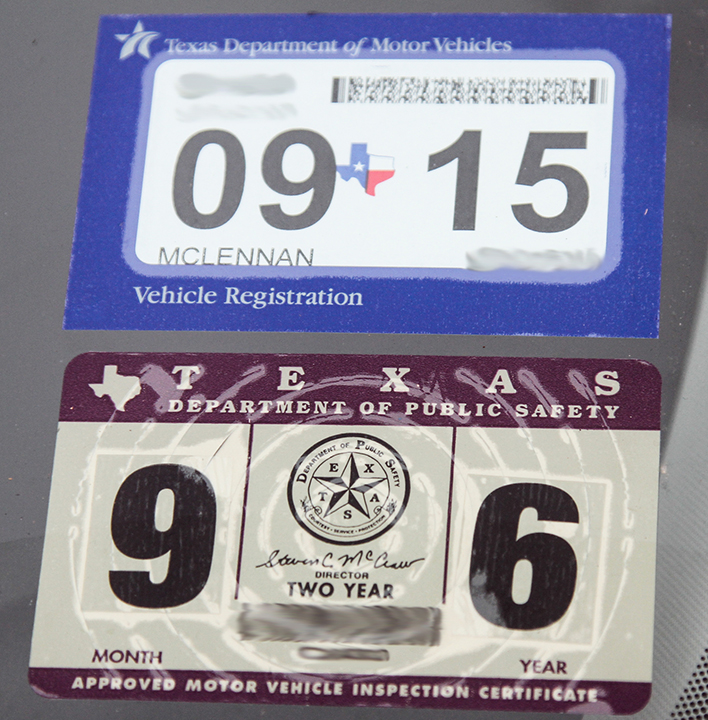
For decades, the two-part system of getting your car inspected and registered, then displaying two separate stickers (one for inspection, one for registration) on your windshield, was a familiar routine for Texas drivers. This system, sometimes affectionately remembered as “two steps, two stickers,” was eventually streamlined into a “Two Steps, One Sticker” initiative. This program aimed to simplify the process by linking the successful completion of a vehicle inspection directly to the registration renewal, resulting in a single physical sticker that served as proof of both. This initiative was designed to make compliance more convenient, but the fundamental requirement of an annual inspection remained.
However, the landscape of vehicle regulation in Texas saw a significant transformation, moving away from physical proof to a more modern, digital system.
The Shift to a ‘No Sticker’ System (Present)
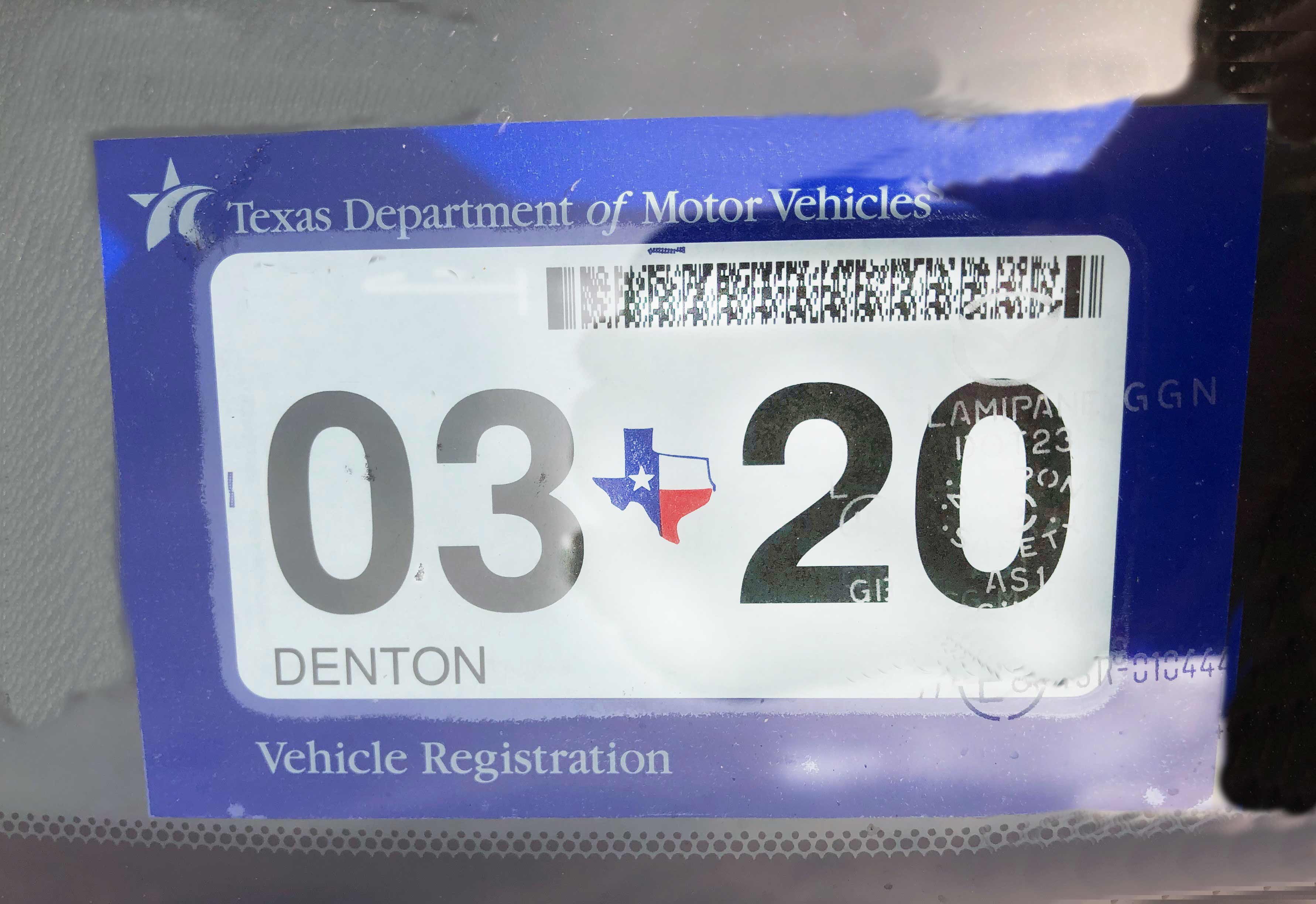
A pivotal change occurred on March 1, 2015, when Texas officially eliminated the physical inspection sticker. This marked a monumental shift in how vehicle compliance is managed and verified within the state. While the visible sticker disappeared from windshields, it’s crucial to understand that the inspection itself did not. The requirement for an annual vehicle inspection remains fully in effect; only the method of proving it has changed.
Under the current system, when your vehicle undergoes its mandatory annual inspection, the results are digitally transmitted by the inspection station directly to the Texas Department of Public Safety (DPS) database. This electronic record then serves as the official proof of inspection. When it comes time to renew your vehicle registration, the Texas Department of Motor Vehicles (DMV) system automatically queries the DPS database to confirm that your vehicle has a valid, current inspection on file. Without a successful inspection record, you will not be able to renew your vehicle’s registration. This integrated digital approach means no more scraping old stickers off your windshield, but it also places a greater emphasis on drivers understanding that while the physical evidence is gone, the legal obligation persists.
What the Inspection Still Entails
Despite the absence of a physical sticker, the comprehensive nature of the Texas vehicle inspection remains unchanged, focusing on both safety and environmental considerations.
1. Safety Inspection: This is a mandatory component for all vehicles registered in Texas. The safety inspection is designed to ensure that your vehicle meets basic operational safety standards, protecting both you and other motorists on the road. Inspectors meticulously check a range of essential components, including:
- Brakes: Ensuring proper functionality and stopping power.
- Lights: Verifying all headlamps, tail lamps, turn signals, and brake lights are operational.
- Tires: Checking tread depth, proper inflation, and overall condition.
- Steering and Suspension: Assessing the integrity and responsiveness of the steering system.
- Horn: Confirming it is audible and functional.
- Mirrors: Ensuring proper placement and condition of rearview and side mirrors.
- Seat Belts: Checking for proper operation and condition for all seating positions.
- Windows and Windshield Wipers: Ensuring clear visibility and functional wipers.
The safety inspection is a critical preventative measure, especially for those embarking on long drives across the vast distances of Texas, perhaps exploring natural wonders like Big Bend National Park or the scenic routes of West Texas.
2. Emissions Inspection: In addition to the safety check, vehicles registered in certain metropolitan areas of Texas are also required to pass an emissions test. Currently, this applies to 17 counties, including those surrounding major cities such as Houston, Dallas, Fort Worth, and Austin. The emissions inspection verifies that a vehicle’s exhaust system meets federal clean air standards, playing a vital role in reducing air pollution and contributing to better air quality for all residents and visitors. This reflects a broader commitment to environmental responsibility, an important aspect of a conscientious lifestyle in any travel destination.
Both safety and emissions inspections are required annually. It’s the driver’s responsibility to ensure their vehicle undergoes these checks within the appropriate timeframe, typically before their registration expires.
For Travelers and Tourists: Understanding Texas Vehicle Laws
Visiting Texas offers an incredible array of experiences, from exploring the vibrant culture of Austin and the historic charm of San Antonio to the vast wilderness of West Texas. For those embarking on a Texas road trip or simply flying into Dallas/Fort Worth International Airport and renting a car, understanding how Texas’ vehicle laws apply to you is essential for a worry-free trip.
Out-of-State Vehicles: What You Need to Know
For temporary visitors to Texas, the rules regarding vehicle inspections are generally straightforward. If you are driving a vehicle registered in another state, you are typically subject to the vehicle inspection laws of your home state, not Texas. This means that as long as your vehicle remains registered in your home state and complies with its inspection requirements, you do not need to obtain a Texas inspection. This allows tourists to freely explore landmarks like the Alamo or the natural beauty of Palo Duro Canyon without additional red tape.
However, this changes if you decide to become a Texas resident. Once you establish residency in the state – for instance, by obtaining a Texas driver’s license, registering to vote, or enrolling children in school – you typically have 30 days to register your vehicle in Texas. Before you can complete this registration process, your vehicle must pass a Texas safety inspection, and an emissions inspection if you reside in one of the designated counties. This is a critical step for anyone considering a long-term stay or permanent move to the state, impacting your ability to integrate into the local lifestyle fully.
Renting a Car in Texas: Are You Covered?
For the vast majority of tourists, renting a car is the preferred method for exploring the diverse regions of Texas. When you rent a vehicle from a legitimate car rental company operating within the state, such as Hertz, Enterprise, or Avis, you can generally have peace of mind regarding inspection compliance. These companies are legally required to ensure that all their vehicles meet state safety and registration requirements, including having a current and valid inspection on file.
As a renter, you are typically not responsible for verifying the inspection status of the vehicle; the rental agency handles this. However, if you have any concerns or simply want reassurance, it’s always acceptable to inquire about the vehicle’s compliance or check the rental agreement for explicit statements regarding state law adherence. This allows you to focus on enjoying your trip, whether you’re cruising along the Gulf Coast or navigating the vibrant streets of Houston’s Galleria area.
Planning a Texas Road Trip: Essential Checks Beyond the Sticker
Even without a physical sticker, a well-maintained vehicle is paramount for safety and enjoyment, especially when traversing the vast distances that Texas offers. While the state’s official inspection ensures a baseline of safety, proactive measures are always recommended for any travel enthusiast. Before hitting the road for an epic Texas road trip, consider these essential checks:
- Pre-Trip Maintenance: Beyond just the official inspection, give your vehicle a thorough once-over. Check your tire pressure and tread depth, fluid levels (oil, coolant, brake fluid), and the condition of your brakes and lights. These simple checks can prevent roadside breakdowns and enhance safety.
- Emergency Kit: Especially if your itinerary includes remote areas of Texas, packing an emergency kit is a wise decision. This should include jumper cables, a first-aid kit, a flashlight, basic tools, extra water, and non-perishable snacks. This aligns with a smart travel lifestyle, ensuring preparedness for any unforeseen circumstances on your adventure.
- Navigation & Fuel Planning: Texas is immense, and distances between towns can be significant. Plan your routes carefully, especially when venturing into less populated regions, and keep an eye on your fuel gauge. Reliable GPS and physical maps are invaluable travel companions.
Living the Texas Lifestyle: Vehicle Maintenance and Compliance
For residents, vehicle compliance isn’t just a legal necessity; it’s an integral part of responsible living and contributes significantly to the overall safety and quality of life in Texas. From daily commutes in bustling cities like Dallas and Fort Worth to weekend getaways to a charming bed and breakfast in Fredericksburg, keeping your vehicle up-to-date with inspections ensures smooth sailing and peace of mind.
Annual Inspections: Why They Still Matter
Even in the absence of a physical sticker, the underlying reasons for requiring annual vehicle inspections in Texas remain as critical as ever. These inspections serve several vital purposes that directly impact public safety, environmental health, and personal responsibility.
- Safety First: The paramount reason for annual inspections is vehicle safety. These checks are designed to detect potential issues with critical components like brakes, steering, tires, and lights before they escalate into dangerous failures. By identifying and rectifying these problems proactively, inspections help prevent accidents, protecting drivers, passengers, and other road users. This is fundamental to a safe lifestyle, allowing you to confidently drive your family to attractions like Six Flags Over Texas or attend events in Houston with assurance.
- Environmental Responsibility: In designated emissions counties, the emissions inspection plays a crucial role in maintaining air quality across Texas. By ensuring vehicles meet federal clean air standards, the state helps reduce harmful pollutants, contributing to a healthier environment for everyone. This aligns with a broader commitment to a sustainable lifestyle and preserving Texas’ diverse natural beauty for future generations.
- Preventative Maintenance: An annual inspection can also serve as a valuable diagnostic tool for vehicle owners. It provides an opportunity for certified professionals to identify minor issues before they develop into major, costly repairs. Catching a worn brake pad or a slowly leaking fluid early can save significant time and money in the long run, making it a smart aspect of vehicle ownership and financial planning.
The Link to Vehicle Registration and Safety
The digital nature of Texas’ current inspection system creates an unbreakable link between your vehicle’s inspection status and its annual registration. This integration is designed to ensure consistent compliance and enhance overall road safety.
- Registration Prerequisite: A valid, current vehicle inspection is a non-negotiable prerequisite for renewing your vehicle registration in Texas. When your registration renewal is due, the DMV system automatically checks the DPS database for a successful inspection record associated with your vehicle’s VIN. Without this record, you will be unable to renew your vehicle’s plates. This means that even though there’s no sticker, the inspection remains a critical annual obligation.
- Digital Verification by Law Enforcement: Law enforcement officers across Texas can instantly verify your vehicle’s inspection status simply by running your license plate number. This real-time digital verification eliminates the need for physical stickers and ensures that drivers are held accountable for maintaining their vehicle’s safety and emissions compliance. This seamless system ensures that non-compliant vehicles are easily identifiable, enhancing public safety on all state roads.
- Ensuring Roadworthiness: This integrated system reinforces that vehicle safety and legal operation are inextricably linked in Texas. By making inspection a mandatory part of the registration process, the state ensures that all registered vehicles are deemed roadworthy, contributing to a safer driving environment for everyone, from those commuting on major interstates to those exploring scenic rural routes.
Finding a Certified Inspection Station
Despite the digital shift, the process of getting your vehicle inspected remains user-friendly and accessible throughout Texas. The state boasts thousands of certified vehicle inspection stations, making it convenient for residents and newcomers alike to fulfill their annual obligation.
These stations are typically independent repair shops, car dealerships, or service centers that have been authorized and certified by the DPS to conduct official vehicle inspections. To find a certified station near you, the Texas DPS website provides an easy-to-use online locator tool. Simply visit their website and enter your zip code, and a list of authorized inspection facilities in your vicinity will appear. This convenience is part of the state’s efforts to make compliance as straightforward as possible, fitting seamlessly into the busy schedules of Texans and ensuring that vehicle safety is never a burden.
Consequences of Non-Compliance: Don’t Get Caught Off Guard
While the absence of a physical sticker might, for some, create a perception of relaxed enforcement, the state of Texas takes vehicle inspection compliance seriously. Failing to meet these requirements can lead to significant inconveniences, financial penalties, and potential safety risks, affecting your travel plans, daily routine, or long-term residency.
Fines and Penalties
Driving a vehicle in Texas without a current, valid inspection on file is a traffic offense. If you are pulled over by law enforcement and your vehicle’s inspection status is found to be expired or non-existent in the DPS database, you can receive a traffic citation.
- Monetary Fines: Fines for driving without a current inspection typically range up to $200, in addition to applicable court costs. These costs can quickly add up, significantly impacting your travel budget or household finances. Repeated offenses or serious safety violations identified during an inspection that are not addressed can lead to even higher penalties.
- Registration Holds: As previously highlighted, a vehicle cannot be registered or have its registration renewed in Texas without a current and valid inspection. Driving with an expired registration is a separate and distinct offense, which carries its own set of fines and penalties, and can even result in your vehicle being towed and impounded. Such disruptions can turn an exciting family trip to Galveston Island or a crucial business meeting into a stressful ordeal.
- Impact on Travel: Imagine planning a meticulously organized itinerary through Texas, only to be pulled over for non-compliance. Not only does this incur fines, but it can also cause significant delays and throw your travel plans into disarray, detracting from the overall experience.
Impact on Insurance and Liability
Beyond direct legal penalties, neglecting your vehicle inspection can have broader implications, particularly concerning your insurance coverage and personal liability in the event of an accident.
- Insurance Coverage: While most standard auto insurance policies in Texas do not explicitly void coverage solely due to an expired inspection, driving an unsafe or unregistered vehicle can potentially complicate claims. In the unfortunate event of an accident, if it is determined that a non-inspected safety component (such as faulty brakes, worn tires, or malfunctioning lights) contributed to the collision, your insurance provider might argue negligence on your part. This could potentially affect the payout of your claim or even increase your premiums.
- Increased Liability: In a scenario where your vehicle’s non-compliance with state safety standards is a contributing factor to an accident, your personal liability could increase significantly. This means you might be held more responsible for damages or injuries than if your vehicle had been fully compliant. This is a crucial consideration for personal well-being and financial security, especially when navigating unfamiliar roads or busy urban centers like Dallas or Austin.
- Peace of Mind: Adhering to annual inspection requirements provides invaluable peace of mind. Knowing that your vehicle has been professionally deemed roadworthy and that you are fulfilling your legal obligations allows you to drive with confidence. This sense of security is vital, whether you’re commuting to work, embarking on a family vacation, or exploring Texas’ iconic landmarks.
Conclusion
So, do you need an inspection sticker in Texas? The definitive answer is no, you no longer need a physical sticker displayed on your windshield. However, the crucial takeaway is that the annual vehicle inspection requirement in Texas is still very much in effect. The system has simply evolved from a visible sticker to an electronic verification process.
This essential annual check ensures that vehicles operating on Texas roads meet critical safety and, in certain areas, emissions standards. It’s about protecting drivers and passengers, contributing to cleaner air, and maintaining overall road safety for everyone. For travelers, understanding these regulations prevents unexpected issues during your visit. For residents, it’s a fundamental aspect of responsible vehicle ownership and contributes to the overall quality of the Texas lifestyle.
Whether you’re a long-time resident, planning a move to the Lone Star State, or simply passing through on an unforgettable vacation, make it a priority to ensure your vehicle is always up-to-date with its annual inspection. This simple, yet vital, step ensures a safer, more enjoyable, and fully compliant experience on the diverse and beautiful roads of Texas. Drive safely, and enjoy all that this remarkable state has to offer!
LifeOutOfTheBox is a participant in the Amazon Services LLC Associates Program, an affiliate advertising program designed to provide a means for sites to earn advertising fees by advertising and linking to Amazon.com. Amazon, the Amazon logo, AmazonSupply, and the AmazonSupply logo are trademarks of Amazon.com, Inc. or its affiliates. As an Amazon Associate we earn affiliate commissions from qualifying purchases.