
Texas – a state synonymous with vast landscapes, a vibrant culture, unparalleled hospitality, and an increasingly popular destination for both temporary travel and long-term residency. From the bustling metropolitan hubs of Houston and Dallas to the live music capital of Austin and the historic charm of San Antonio, the Lone Star State offers a lifestyle that attracts visitors and new residents alike. People come for the unique travel experiences, the booming economy, the diverse culinary scene, and the prospect of building a future.
For anyone considering a move, investing in property – perhaps a luxury villa in Fredericksburg, a stylish apartment in Dallas, or even a scenic ranch in the Texas Hill Country – or simply planning for their financial future while embracing the Texan lifestyle, a crucial question often arises: “Does Texas have an inheritance tax?” Understanding the financial landscape, particularly concerning estate and inheritance taxes, is paramount for sound financial planning, whether you’re eyeing a retirement haven, a family vacation home, or a business expansion. This comprehensive guide will delve into the specifics of inheritance and estate taxes in Texas, providing clarity for anyone with ties to this dynamic state.
Understanding Inheritance vs. Estate Taxes
Before we address Texas’s specific policies, it’s essential to clarify the difference between inheritance tax and estate tax, as these terms are often used interchangeably but represent distinct concepts in the realm of financial planning.
An inheritance tax is a tax paid by the recipient of inherited assets. This means that when a beneficiary receives money or property from a deceased individual, a portion of that inheritance may be taxed before it fully transfers to their possession. The amount of tax often depends on the relationship between the deceased and the beneficiary, with closer relatives typically receiving more favorable tax treatment or even exemptions. Inheritance taxes are less common at the state level in the United States than estate taxes.
An estate tax, on the other hand, is a tax levied on the total value of a deceased person’s estate before any assets are distributed to beneficiaries. It’s essentially a tax on the right to transfer property at death. The estate itself is responsible for paying this tax, not the individual beneficiaries. Both federal and state governments can impose estate taxes, though many states have repealed their estate taxes over the years, aiming to attract wealthier residents and boost economic activity.
For those dreaming of a life in Texas, perhaps settling into a charming B&B in Fredericksburg or investing in a vibrant urban property, understanding these distinctions is key to proper wealth management and ensuring your legacy aligns with your intentions.
Texas and State-Level Death Taxes: A Welcoming Financial Climate
One of the many appealing aspects of establishing roots or investing in Texas is its favorable tax environment. For individuals and families planning their financial future and considering the long-term implications of asset ownership, the news regarding inheritance and estate taxes in the Lone Star State is overwhelmingly positive.
No State Inheritance Tax in Texas
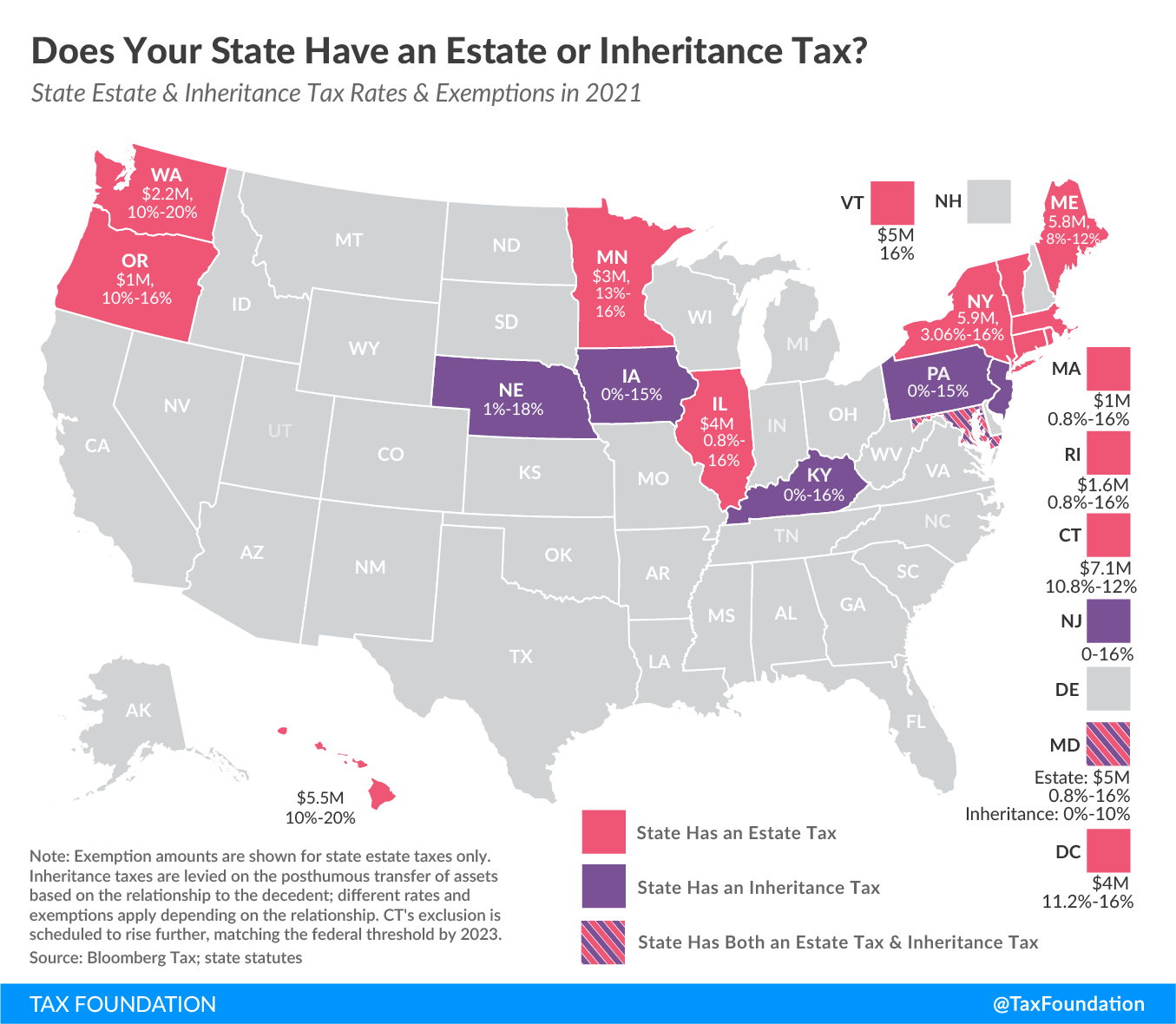
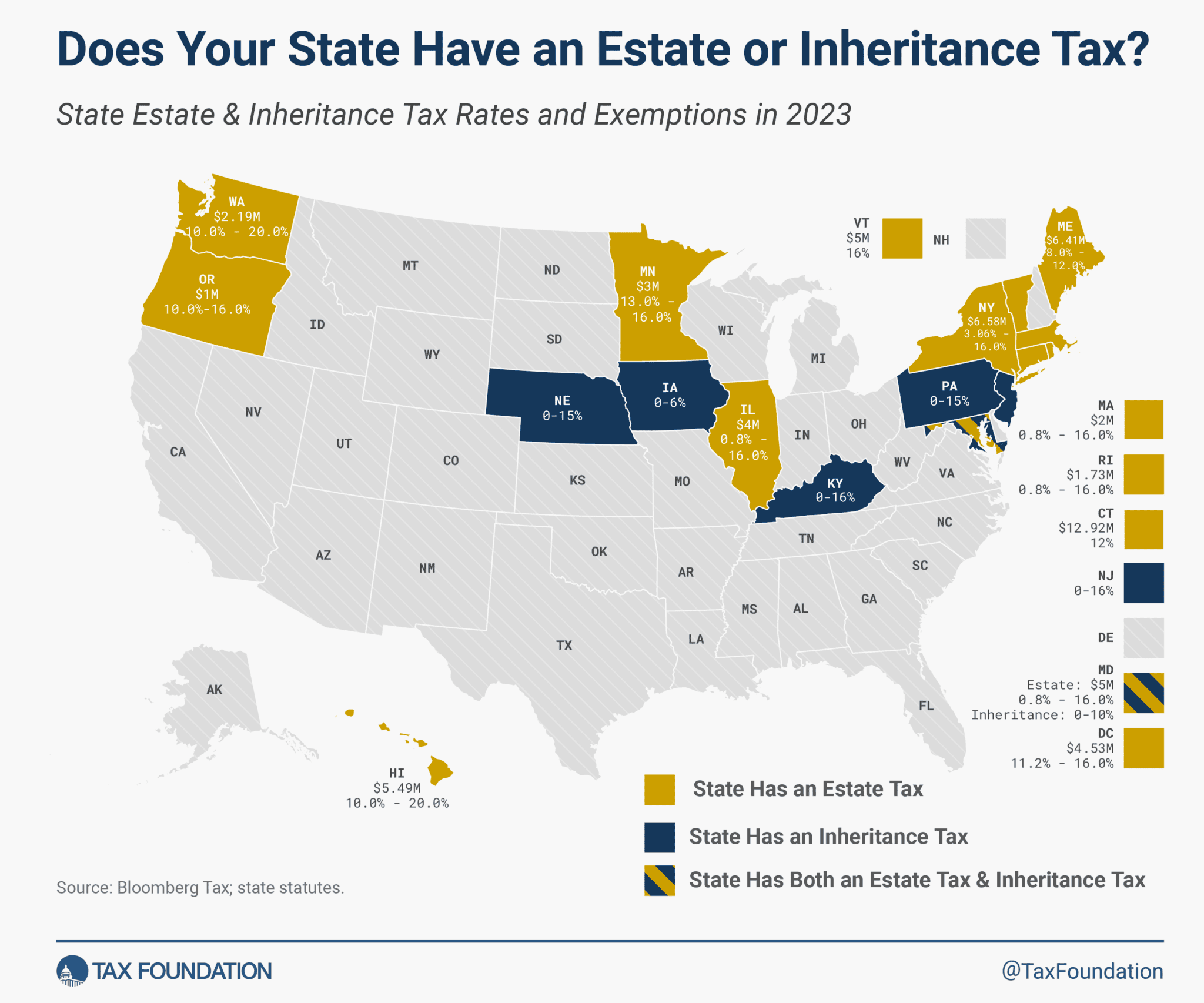
To directly answer the titular question: No, Texas does not have a state inheritance tax. This means that if you are a beneficiary inheriting assets from a deceased individual who was a resident of Texas, or if the assets are located within Texas, you will not be required to pay a state-level tax on that inheritance. This policy stands in contrast to a handful of other U.S. states that do impose inheritance taxes, such as Iowa, Kentucky, Maryland, Nebraska, New Jersey, and Pennsylvania. This makes Texas an attractive location for those looking to maximize the value of their legacy for their heirs.
No State Estate Tax in Texas
Furthermore, expanding on its financially friendly stance, Texas also does not impose a state estate tax. This is a significant advantage for those with substantial assets, from luxury accommodations and investment properties to personal wealth. The concept of a state estate tax was largely diminished across the United States following changes to federal tax law, specifically the Economic Growth and Tax Relief Reconciliation Act of 2001. This act phased out the state estate tax credit, prompting most states, including Texas, to repeal their independent estate taxes.
For individuals who have built a life and accumulated wealth in Texas, perhaps enjoying the unparalleled lifestyle of the Riverwalk in San Antonio or the vibrant arts scene in Houston, these state-level exemptions provide considerable peace of mind. It means that the state itself will not take a portion of their assets upon their death before they are passed on to their loved ones. This absence of state-level death taxes is often a compelling factor for retirees, entrepreneurs, and families considering relocation or significant investments in the Lone Star State. It reinforces Texas’ reputation as a welcoming place for wealth preservation and transfer.
Navigating Federal Estate Tax and Other Financial Considerations
While Texas offers a reprieve from state-level inheritance and estate taxes, it’s crucial to remember that residents of Texas are still subject to federal tax laws. This means that the United States federal government may levy an estate tax on large estates, regardless of which state the deceased resided in. Understanding this federal component and other related financial aspects is vital for comprehensive estate planning, especially for those who have embraced the robust lifestyle and investment opportunities Texas provides.
The Federal Estate Tax: A National Consideration
The federal estate tax is a tax on the right to transfer property at your death. It applies nationwide and is administered by the Internal Revenue Service (IRS). However, this tax only applies to estates exceeding a certain exemption threshold, which is adjusted annually for inflation. For instance, for deaths occurring in 2024, the federal estate tax exemption is a substantial $13.61 million per individual. This means that only estates valued above this considerable amount are subject to federal estate tax. For married couples, this exemption is effectively doubled.
This high exemption level means that the vast majority of estates in Texas and across the United States will not owe federal estate tax. It is primarily a concern for very wealthy individuals and families with significant assets, such as extensive real estate holdings, multiple luxury properties – perhaps a beachfront condo in Galveston and a ranch retreat near Fort Worth – substantial investment portfolios, or valuable business interests. The top federal estate tax rate for taxable estates currently stands at 40%.
It’s important to note that the exemption amount for the federal estate tax is subject to change based on legislation passed by the U.S. Congress. For example, provisions from the Tax Cuts and Jobs Act of 2017 significantly increased the exemption, but some of these changes are set to expire at the end of 2025, potentially reducing the exemption amount in subsequent years unless new legislation is passed. Keeping abreast of these legislative developments is a crucial aspect of proactive estate planning, especially for those enjoying a high-net-worth lifestyle in Texas.
Other Potential Taxes and Financial Considerations
While Texas spares its residents from state-level death taxes, other financial implications related to inherited wealth should not be overlooked. These factors are important for anyone planning their financial legacy, whether they’re seasoned residents or newcomers drawn by Texas’s allure.
1. Income Tax on Inherited Retirement Accounts:
Inherited retirement accounts, such as traditional IRAs or 401(k)s, are generally subject to income tax as distributions are taken by the beneficiary. While the principal assets within these accounts are not subject to estate tax (unless the estate exceeds the federal exemption), the income generated from them will be taxed. This is a crucial point for estate planning, especially when considering how to distribute different types of assets to beneficiaries.
2. Capital Gains Tax on Inherited Property (If Sold):
When you inherit property, such as a vacation home in South Padre Island or a commercial building in El Paso, its cost basis is “stepped up” to its fair market value on the date of the original owner’s death. This “step-up in basis” can significantly reduce or even eliminate capital gains tax if the beneficiary later sells the property. However, if the property’s value continues to appreciate after the inheritance and is then sold for more than its stepped-up basis, the beneficiary would be responsible for capital gains tax on that appreciation. This is an important consideration for families who own multiple properties or are involved in real estate investments as part of their Texas lifestyle.
3. Gift Tax:
The federal government also imposes a gift tax on transfers of wealth made during a person’s lifetime. This is designed to prevent individuals from avoiding estate tax by gifting away all their assets before death. Similar to the federal estate tax, there’s an annual gift tax exclusion (e.g., $18,000 per recipient per year in 2024), and a lifetime gift tax exemption that is unified with the federal estate tax exemption. Any gifts exceeding the annual exclusion amount will reduce the giver’s lifetime exemption. Texas does not have its own state gift tax.
Understanding these additional tax considerations is paramount for anyone engaging in thoughtful estate planning. It’s not just about avoiding inheritance or estate taxes, but also about optimizing the transfer of wealth in the most tax-efficient manner possible, ensuring your legacy is preserved for generations to come.
Estate Planning in Texas: Securing Your Legacy and Lifestyle
For those who have embraced the rich and diverse lifestyle offered by Texas – whether through purchasing a luxury suite, enjoying exclusive travel experiences, or building a home in one of its vibrant communities – thoughtful estate planning is an essential component of financial security. While the absence of state-level inheritance and estate taxes in Texas is a significant advantage, effective planning goes far beyond just tax avoidance. It ensures your wishes are honored, your assets are protected, and your loved ones are provided for, regardless of the size of your estate.
The Importance of Wills and Trusts
At the heart of any solid estate plan are foundational documents like wills and trusts. These legal instruments dictate how your assets will be managed and distributed upon your death or incapacitation.
1. Wills:
A Last Will and Testament is a legal document that specifies how your property and assets should be distributed after your death. In Texas, a valid will designates an executor to manage your estate, names beneficiaries, and can even appoint guardians for minor children. Without a will, your estate will be distributed according to Texas intestate succession laws, which may not align with your personal wishes. For property owners, whether it’s a historic home in Galveston or a modern condo in Austin, a will ensures that these valuable assets pass to your intended heirs smoothly.
2. Trusts:
Trusts are more complex legal arrangements that can offer greater control over your assets and potentially provide benefits like avoiding probate, minimizing estate taxes (for very large estates), and protecting assets from creditors. A common type, a revocable living trust, allows you to maintain control over your assets during your lifetime and designates a trustee to manage and distribute them according to your instructions after your death. For individuals with diverse asset portfolios, perhaps including international investments or multiple properties, trusts can be invaluable tools for managing wealth and ensuring a seamless transition. For those living a luxury travel lifestyle, accumulating assets across various locations, a well-structured trust can simplify management and distribution.
The Probate Process in Texas
When a person dies, their estate typically goes through probate, which is the legal process of validating a will, settling debts, and distributing assets to heirs. Texas is known for having a relatively streamlined probate process compared to some other states, especially if a valid will is in place.
- Independent Administration: One key feature of Texas probate is the option for “independent administration.” If specified in the will, the executor can manage the estate largely without court supervision, which can save time and legal fees.
- Small Estate Affidavit: For very small estates, Texas offers a “Small Estate Affidavit” process that can bypass formal probate entirely.
- Muniment of Title: In some cases where there are no unpaid debts (other than a mortgage on homestead property), and a valid will exists, Texas probate can proceed as a “muniment of title,” which is a less extensive court proceeding focused on confirming property ownership.
While Texas’ probate process can be efficient, creating a comprehensive estate plan with an attorney can help ensure that the process is as smooth and cost-effective as possible for your loved ones. This peace of mind is invaluable, allowing you to fully enjoy the unique attractions and experiences Texas has to offer, from exploring Big Bend National Park to immersing yourself in the history of the Alamo.
Conclusion: Planning for a Worry-Free Texas Legacy
Texas truly stands out as an attractive destination for living, investing, and retirement, in part due to its welcoming tax policies concerning inherited wealth. The clear answer to “Does Texas have an inheritance tax?” is a resounding no. Furthermore, the state does not impose its own estate tax, setting it apart from a handful of other U.S. states that still levy such charges.
This favorable state-level tax environment makes Texas an excellent choice for individuals and families looking to preserve their wealth and ensure their legacy passes efficiently to their chosen beneficiaries. Whether you’ve built a thriving business in Houston, own a charming hotel in Marfa, or simply cherish a family home in Corpus Christi, the absence of state death taxes simplifies the financial planning process.
However, it’s crucial not to overlook the federal estate tax, which applies to exceptionally large estates across the entire United States. While the current federal exemption is substantial, vigilance regarding potential legislative changes is always wise. Additionally, considerations such as income tax on inherited retirement accounts and capital gains tax on the sale of appreciated inherited property remain important aspects of comprehensive financial planning.
For anyone who calls Texas home or dreams of making it their future, a robust estate plan is indispensable. By consulting with qualified legal and financial professionals, you can craft a plan that encompasses your will, trusts, and other directives, ensuring your assets are managed and distributed according to your exact wishes. This proactive approach not only safeguards your financial legacy but also provides immense peace of mind, allowing you and your loved ones to fully enjoy the unparalleled lifestyle, diverse attractions, and vibrant culture that the Lone Star State proudly offers. From exploring the wonders of the NASA Johnson Space Center to enjoying a serene getaway in the Hill Country, a well-planned financial future ensures that your Texas journey, and your legacy, are truly worry-free.
LifeOutOfTheBox is a participant in the Amazon Services LLC Associates Program, an affiliate advertising program designed to provide a means for sites to earn advertising fees by advertising and linking to Amazon.com. Amazon, the Amazon logo, AmazonSupply, and the AmazonSupply logo are trademarks of Amazon.com, Inc. or its affiliates. As an Amazon Associate we earn affiliate commissions from qualifying purchases.