
The image of Texas often conjures vast open plains, rugged cowboys, and endless blue skies. However, beneath this iconic facade lies a surprising truth: Texas is also home to a thriving population of palm trees, particularly in its southern and coastal regions. Far from being a mere anomaly, these verdant symbols of the tropics play a significant role in defining the landscape, culture, and tourism appeal of the Lone Star State. For travelers seeking a unique blend of Southern charm and subtropical allure, understanding where and why palm trees flourish in Texas is key to unlocking an unforgettable journey.

This article delves into the unexpected palm-lined beauty of Texas, exploring the types of palms you can find, the specific climates that support them, and the best destinations for experiencing their tropical embrace. We’ll guide you through vibrant coastal towns, bustling urban centers, and serene natural escapes, highlighting the attractions, accommodations, and lifestyle experiences that await amidst Texas’s surprising palm tree scenery.
The Surprising Greenery of the Lone Star State
While not as universally saturated with palm trees as Florida or California, Texas presents a fascinating case study in botanical diversity. The sheer size of the state, coupled with its varied climatic zones, allows for pockets where these iconic trees not only survive but thrive, creating distinct visual identities for certain regions. The presence of palm trees significantly enhances the aesthetic appeal of many Texas destinations, transforming ordinary landscapes into picturesque settings ideal for relaxation, exploration, and luxurious travel.
Native vs. Introduced Palm Species
The story of Texas’s palm trees is one of both indigenous endurance and horticultural introduction. The state boasts a truly native palm species, the Texas Palmetto (also known as the Mexican Palmetto or Sabal mexicana), which naturally inhabits the subtropical climate of the Rio Grande Valley in deep South Texas. This robust palm can grow quite tall, forming dense groves that contribute to the region’s unique ecosystem and providing a habitat for various wildlife. For centuries, these native palms have been an integral part of the landscape, offering shade and natural beauty.
Beyond its native species, Texas has embraced a wide array of introduced palm varieties that flourish in its warmer zones. The most common of these include the Date Palm (Canary Island Date Palm being a popular cultivar), known for its thick trunk and majestic fronds, and various Washingtonia Palm species, easily recognizable by their tall, slender trunks and fan-shaped leaves. Other popular introduced palms include the Windmill Palm, known for its cold tolerance, and the Cabbage Palmetto, which is also native to parts of the southeastern United States and Louisiana, finding a comfortable home along the Texas coast. These introduced species are often seen adorning city streets, resort properties, and private gardens, adding a touch of exotic flair to urban and recreational spaces.
The Climate That Nurtures Tropical Vibes
The key to Texas’s palm tree proliferation lies in its distinct climatic zones, particularly the subtropical humid climate found in the southern and southeastern parts of the state. This region experiences mild winters, long, hot summers, and ample rainfall, mirroring conditions found in more traditionally tropical locales. The moderating influence of the Gulf of Mexico along the coast is especially crucial, mitigating extreme temperatures and providing the humidity necessary for palms to thrive. While occasional cold snaps can test the resilience of some species, hardier varieties and protective measures ensure that palm trees remain a cherished feature of the landscape.
For travelers, this means that destinations along the coast and in South Texas offer a genuinely tropical feel without ever leaving the continental United States. The warm breezes, sandy beaches, and swaying palms create an ideal setting for leisurely vacations, family trips, and romantic getaways. Hotels and resorts in these areas often capitalize on this natural beauty, designing their properties to maximize views and integrate seamlessly with the palm-lined surroundings, offering amenities that enhance a tropical lifestyle experience.
Coastal Escapes: Where Palms Meet the Gulf
The Texas coastline is arguably the state’s most prominent showcase for palm trees. Here, the warm embrace of the Gulf of Mexico creates a unique environment where the line between the familiar Texan landscape and a more exotic, beach-inspired aesthetic blurs beautifully. These coastal destinations are perfect for those seeking sun, sand, and the soothing sight of palms swaying in the sea breeze.
South Padre Island: A Palm-Fringed Paradise
Perhaps the most quintessential palm tree destination in Texas is South Padre Island. This barrier island, nestled at the southern tip of the state, boasts a genuinely subtropical climate, making it an ideal habitat for a wide variety of palms. From the moment you cross the bridge onto the island, you’re greeted by avenues lined with towering palms, leading to pristine beaches and crystal-clear waters. The island’s resorts and hotels, such as the Margaritaville Beach Resort South Padre Island, meticulously incorporate palm trees into their landscaping, creating a distinctively tropical atmosphere perfect for luxury travel and family vacations.
Visitors to South Padre Island can enjoy a plethora of activities surrounded by palm trees, from relaxing by resort pools to dining at beachfront restaurants. The island is also a gateway to natural attractions like the Padre Island National Seashore, where the rugged coastal beauty is occasionally punctuated by resilient palms. The vibrant local culture, fresh seafood, and myriad water sports further solidify South Padre Island’s reputation as a top-tier Texan palm tree destination.
Galveston’s Historic Palms and Beaches
Further up the coast, Galveston offers a different, yet equally captivating, palm tree experience. This historic island city blends Victorian architecture with sandy beaches, all set against a backdrop of carefully cultivated palm groves. The famous Galveston Seawall is lined with numerous palm trees, creating a scenic drive and walk with views of the Gulf of Mexico. These palms not only enhance the city’s beauty but also symbolize its resilience and rebirth after various storms.
Galveston’s tourism is rich with attractions that benefit from this tropical greenery. Moody Gardens, with its iconic pyramids housing rainforest and aquarium exhibits, features extensive outdoor landscaping adorned with palms. Resorts like The San Luis Resort, Spa & Conference Center offer luxurious stays amidst palm-lined pools and beachfront access. Beyond the beaches, visitors can explore historic districts, enjoy delicious local food, and experience activities at Galveston Island State Park, where nature and the casual elegance of palm trees coexist.
The Rio Grande Valley: A Subtropical Haven
Venturing inland from the coast, the Rio Grande Valley (often simply referred to as “the Valley”) is where Texas’s native palms truly shine. This fertile region bordering Mexico is characterized by its exceptionally warm climate, making it a natural home for the Texas Palmetto. Here, palm trees are not just decorative; they are an integral part of the natural landscape, contributing to the agricultural identity of the region, which is known for its citrus groves and winter vegetable production.
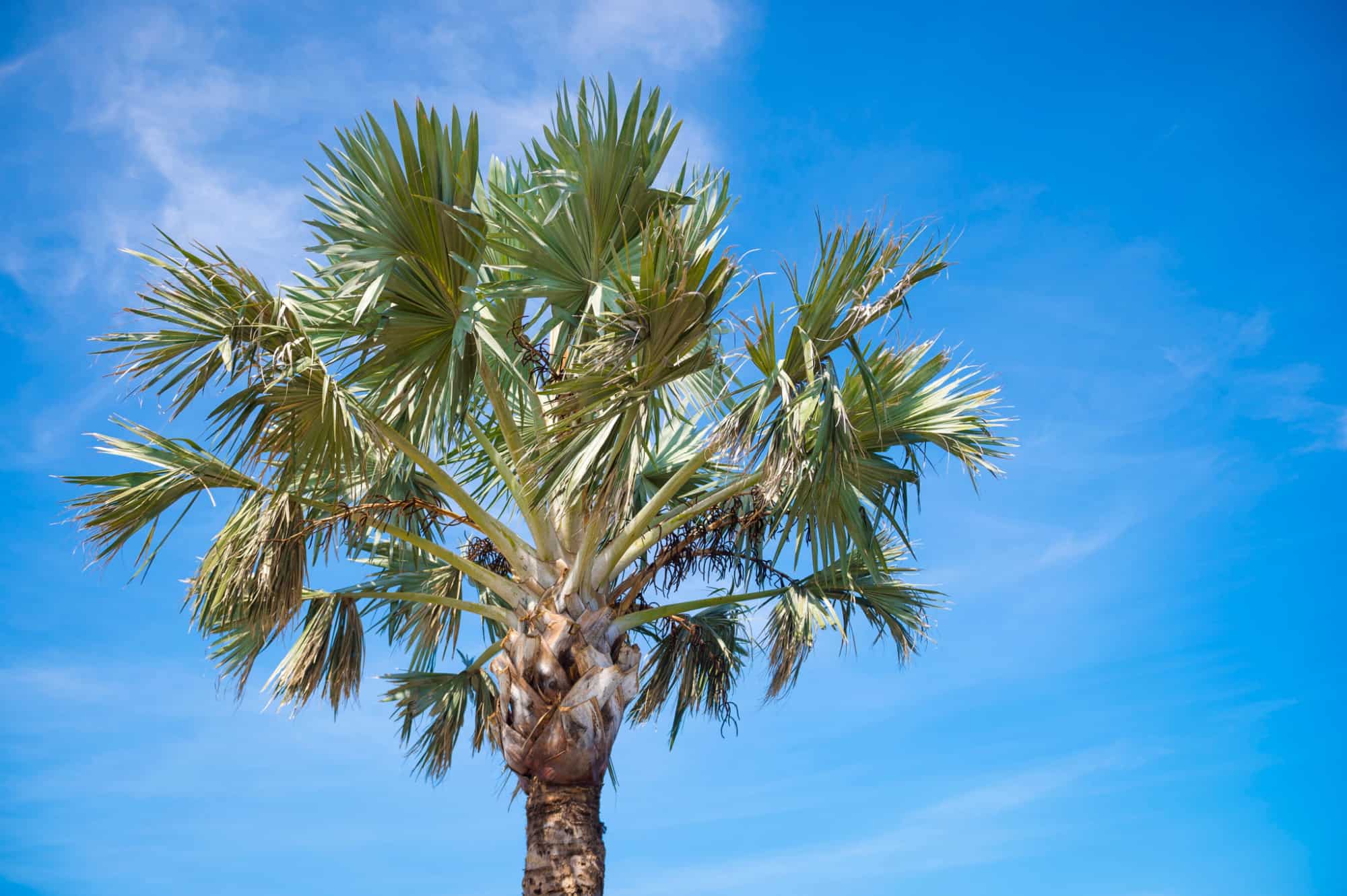
The Rio Grande Valley offers a distinct travel experience, appealing to nature lovers, birdwatchers, and those seeking a more authentic Texan subtropical encounter. While not as overtly resort-focused as South Padre Island, cities like Brownsville and McAllen feature palm-lined streets and parks, and the area’s numerous wildlife refuges provide opportunities to see native palms in their undisturbed glory. This region is ideal for long-term stays during the winter months, offering a warm escape from colder climates, with abundant opportunities for local culture, food exploration, and leisurely activities amidst a naturally palm-rich environment.
Urban Oases: Palms in Texas Cities
Beyond the beaches and rural subtropical zones, palm trees have also found their way into the bustling urban centers of Texas, adding an unexpected touch of the exotic to cityscapes. This strategic landscaping contributes to a unique urban lifestyle, offering residents and visitors green spaces that evoke a sense of warmth and relaxation, even amid the concrete jungle.
Houston’s Lush Boulevards
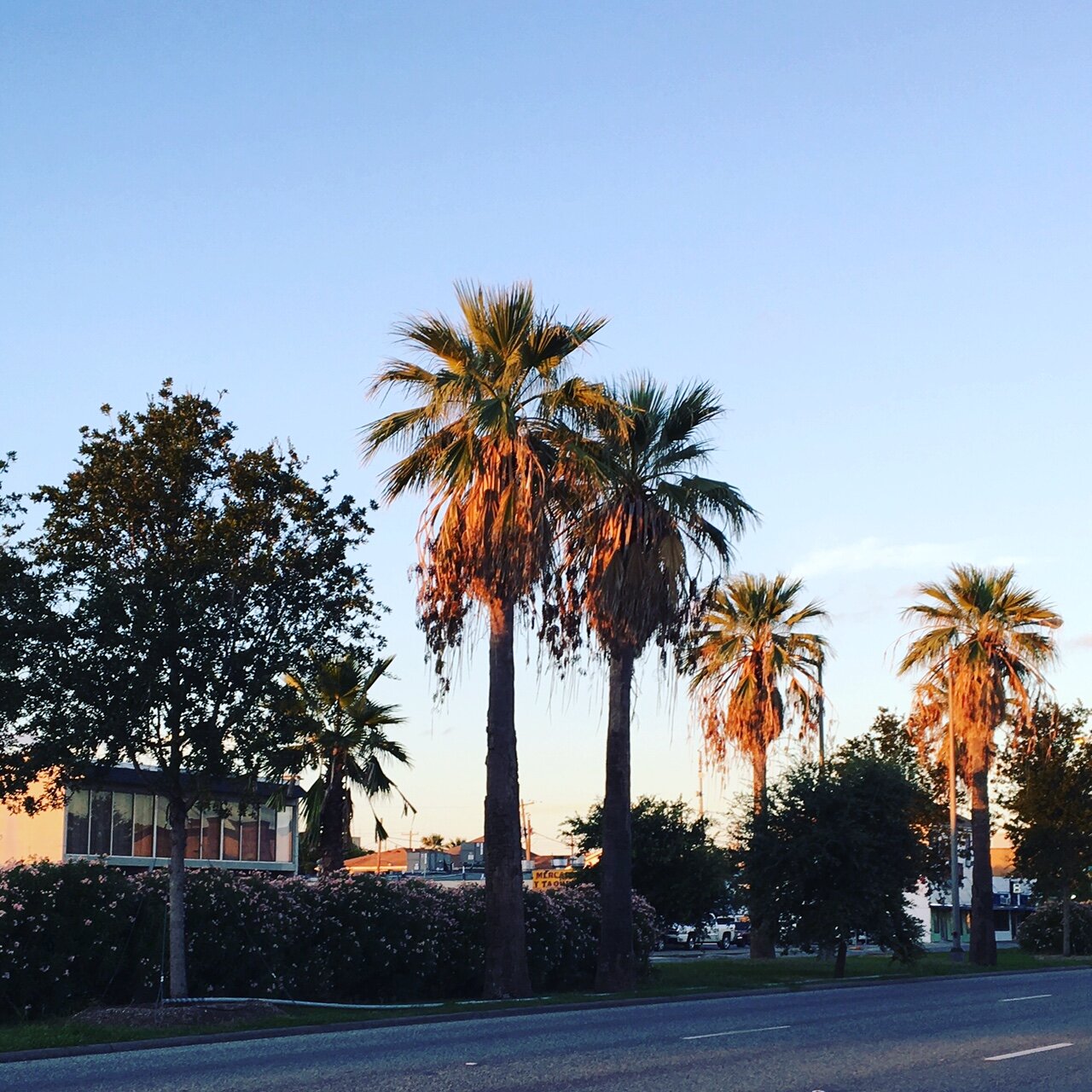
Houston, the largest city in Texas, benefits greatly from its proximity to the Gulf of Mexico and its humid subtropical climate. The city’s expansive boulevards, public parks, and private estates are often adorned with stately palm trees, particularly varieties like the Canary Island Date Palm and Washingtonia Palm. These palms lend a resort-like ambiance to areas such as Uptown Houston, where luxury hotels like The Post Oak Hotel at Uptown Houston boast palm-fringed driveways and pool areas.
For travelers, Houston’s palms provide a refreshing contrast to its towering skyscrapers. Landmarks like Space Center Houston and the Museum District are often set within beautifully landscaped grounds featuring these tropical trees. Even bustling attractions like the Kemah Boardwalk, located just outside the city, are heavily adorned with palms, enhancing the festive atmosphere. Houston’s urban palms contribute to a lifestyle that balances fast-paced city living with pockets of serene, verdant beauty, making it an appealing destination for both business stays and family trips.
Dallas and Austin: Unexpected Palm Accents
Even in cities further north, like Dallas and Austin, where the climate is slightly less forgiving for tropical plants, palm trees make a notable appearance. While less ubiquitous than in Houston or on the coast, they are strategically planted in parks, hotel courtyards, and alongside major thoroughfares to create a specific aesthetic. Varieties like the cold-hardy Windmill Palm are particularly popular in these areas.
In Dallas, you might find palms gracing the entrances of upscale hotels such as Hyatt Centric Dallas Downtown or adding a touch of elegance to the Dallas Arts District and the Dallas Arboretum and Botanical Garden. Austin, known for its “Keep Austin Weird” motto and vibrant outdoor lifestyle, also incorporates palms into its urban fabric, especially around Lady Bird Lake and the grounds of hotels like JW Marriott Austin and Four Seasons Hotel Austin. These urban palms enhance the travel experience by adding a surprising element of tropical charm to these dynamic cities, creating inviting spaces for both locals and tourists.
San Antonio’s Riverwalk Charm
San Antonio offers perhaps the most iconic urban palm tree experience outside of the coastal regions, thanks to its world-famous San Antonio Riverwalk. This pedestrian paradise, winding through the heart of the city, is beautifully landscaped with lush vegetation, including numerous palm trees. The palms, alongside cypress trees and vibrant flowering plants, contribute to the Riverwalk’s romantic and serene atmosphere, making it a top tourist attraction and a landmark destination.
Strolling along the San Antonio Riverwalk, travelers can dine at charming riverside restaurants, explore unique shops, and take scenic boat tours, all under the gentle sway of palm fronds. Hotels lining the Riverwalk, such as the Hilton Palacio del Rio, integrate this greenery into their design, offering rooms with palm-shaded views. Even outside the immediate Riverwalk area, resorts like the JW Marriott San Antonio Hill Country Resort & Spa and La Cantera Resort & Spa, located in the scenic Texas Hill Country periphery, utilize palms to create luxurious, oasis-like settings that enhance the guest experience. The palms in San Antonio are not just plants; they are an integral part of the city’s identity, contributing to its unique blend of history, culture, and leisure tourism.
Planning Your Palm-Infused Texas Getaway
For travelers enchanted by the idea of combining the adventurous spirit of Texas with the tranquil beauty of palm trees, planning your trip strategically will enhance your experience. Whether you’re seeking a luxurious resort stay, a budget-friendly beach trip, or a deep dive into local culture, Texas offers diverse options for a palm-infused adventure.
Top Attractions and Experiences
To fully appreciate Texas’s palm trees, focus on destinations where they are most prevalent and integrated into the local attractions.
- South Padre Island: Beyond its famous beaches, consider visiting the South Padre Island Birding and Nature Center or taking a dolphin watching tour, often departing from palm-lined marinas. The entire island offers a relaxed, resort-centric atmosphere.
- Galveston: Walk or bike along the Seawall, explore the historic Strand District, and spend a day at Moody Gardens. The Galveston Island State Park provides a more natural coastal experience.
- San Antonio: The San Antonio Riverwalk is a must, offering a charming backdrop of palms, restaurants, and shops. Don’t miss the Alamo and the historic missions, which are often complemented by stately palm trees in their grounds.
- Houston: Enjoy the green spaces of Hermann Park or the Houston Zoo, both featuring palms. A visit to Space Center Houston can be combined with leisure time at Kemah Boardwalk, where palms create a festive ambiance.
- Rio Grande Valley: Explore the nature trails at Santa Ana National Wildlife Refuge or Estero Llano Grande State Park to see native palms in their natural habitat, perfect for ecotourism and birdwatching.
Accommodations with a Tropical Flair
Many hotels and resorts across Texas have embraced the palm tree aesthetic, offering guests a true tropical escape. When booking your stay, consider properties that emphasize lush landscaping, palm-lined pools, and views that incorporate these beautiful trees.
- Coastal Resorts: In South Padre Island, look for beachfront resorts like Margaritaville Beach Resort South Padre Island or others that offer direct beach access and expansive pool decks framed by palms. In Galveston, The San Luis Resort, Spa & Conference Center is a prime example of luxury with a tropical feel.
- Urban Hotels: Houston’s The Post Oak Hotel at Uptown Houston is known for its opulent palm-lined grounds. In San Antonio, hotels like Hilton Palacio del Rio or Hotel Contessa along the Riverwalk offer charm and views of the palm-dotted waterfront. Even in Austin, the outdoor spaces of Four Seasons Hotel Austin can provide a peaceful palm oasis.
- Vacation Rentals: For long-term stays or family trips, consider booking an apartment or villa in coastal towns like Corpus Christi, Mustang Island, or Port Aransas, where many properties feature private gardens with palms, offering a more secluded tropical experience.
Lifestyle: Embracing the Texan Palm Dream
The presence of palm trees in Texas supports a diverse range of travel lifestyles. For those seeking luxury travel, resorts in South Padre Island, Galveston, and San Antonio offer high-end amenities, spa services, and gourmet dining against a backdrop of swaying palms. Family trips can thrive in these coastal areas, with safe beaches, kid-friendly attractions, and plenty of outdoor activities. Budget travel is also possible, with numerous public beaches, state parks, and more affordable accommodations providing access to palm-lined landscapes without breaking the bank. Even business stays in Houston or Dallas can be elevated by choosing hotels with well-maintained palm gardens, offering a tranquil escape after a day of meetings. The integration of palm trees into these environments means that no matter your travel style, you can find a piece of the Texan palm dream to suit your desires.
In conclusion, the answer to “Does Texas have palm trees?” is a resounding yes, and their presence adds a fascinating layer to the state’s already rich tapestry of travel experiences. From the native groves of the Rio Grande Valley to the manicured avenues of its major cities and the sandy shores of its Gulf Coast, palms invite travelers to discover a side of Texas that is both unexpected and utterly enchanting. So, pack your bags and prepare to experience the subtropical charm of the Lone Star State, where the spirit of the Wild West meets the serene beauty of the tropics.
LifeOutOfTheBox is a participant in the Amazon Services LLC Associates Program, an affiliate advertising program designed to provide a means for sites to earn advertising fees by advertising and linking to Amazon.com. Amazon, the Amazon logo, AmazonSupply, and the AmazonSupply logo are trademarks of Amazon.com, Inc. or its affiliates. As an Amazon Associate we earn affiliate commissions from qualifying purchases.