
The landscape of travel and personal identification has undergone significant transformations, particularly since the early 2000s. A pivotal piece of legislation shaping this environment is the REAL ID Act, passed by the U.S. Congress in 2005. This act established minimum security standards for state-issued driver’s licenses and identification cards and prohibited federal agencies from accepting for certain purposes driver’s licenses and identification cards from states that do not meet these standards. For residents of Texas, and indeed across the United States, understanding what REAL ID means for their ability to board domestic flights, access federal facilities, and navigate the broader world of travel is crucial.
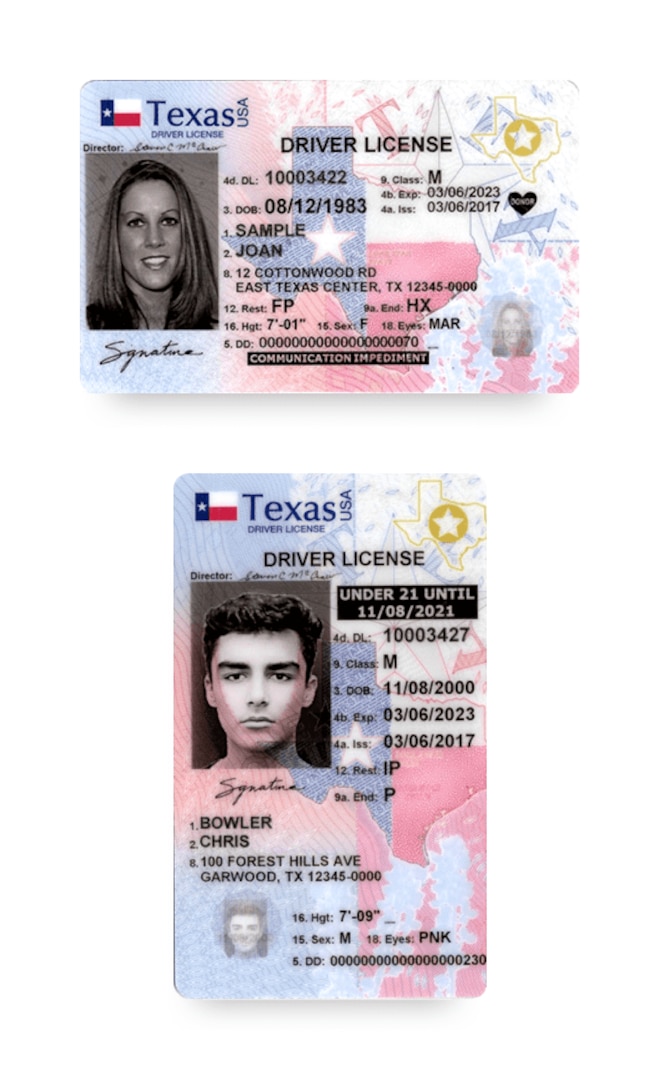
The question, “Does Texas have REAL ID?” is not just a matter of compliance but a key concern for anyone planning a vacation, a business trip, or even just visiting a federal building. The short answer is yes: Texas is fully compliant with the REAL ID Act. The Texas Department of Public Safety (DPS) issues driver’s licenses and ID cards that meet federal REAL ID standards. However, merely having a Texas driver’s license doesn’t automatically mean it’s a REAL ID compliant one. This distinction is vital for ensuring seamless travel and access, especially with the nationwide enforcement deadline looming. This comprehensive guide will delve into the intricacies of REAL ID in Texas, explaining its implications for domestic and international travel, how to ensure your identification is compliant, and alternative documents you can use. Whether you’re a frequent flyer, an adventurer exploring the vast landscapes of Texas, or simply preparing for future eventualities, this information is essential for planning your next journey.
Understanding REAL ID and Its Significance for Travelers
The implementation of the REAL ID Act stems from recommendations made by the 9/11 Commission to improve the security of identification documents. The tragic events of September 11, 2001, underscored the critical need for more robust identity verification processes, especially at points of entry and for access to sensitive areas.
What is REAL ID?
At its core, REAL ID is a set of security standards for state-issued driver’s licenses and identification cards. It’s not a new type of national ID card, but rather a mandate for states to enhance the security features and verification processes for the IDs they already issue. These standards include incorporating anti-counterfeit technology, requiring specific documents for proof of identity and residency, and linking state databases to a broader federal system for verification. The goal is to prevent terrorism and reduce identity fraud by making it harder for individuals to obtain fraudulent identification. For travelers, particularly those relying on domestic air travel, a REAL ID compliant driver’s license or state ID card will become an absolute necessity for boarding flights.
Why REAL ID Matters for Air Travel and Federal Facilities
The primary reason REAL ID has garnered so much attention is its impact on air travel. Once the enforcement date arrives, individuals aged 18 and older will need a REAL ID compliant driver’s license or another acceptable form of identification to fly within the United States. This means that a standard, non-compliant driver’s license will no longer be sufficient for passing through Transportation Security Administration (TSA) checkpoints for domestic flights.
Beyond airports, REAL ID is also required for accessing certain federal facilities, such as military bases, federal courthouses, and other secure government buildings. While most tourists won’t frequently encounter these restrictions, it’s a crucial consideration for anyone with business or personal reasons to visit these sites. For instance, if you’re attending a conference at a federal building or visiting a loved one stationed at a military installation, your ID must be compliant. This broadens the scope of REAL ID’s importance beyond just leisure or business travel, touching various aspects of civic engagement and personal life.
The Enforcement Deadline: What You Need to Know
The enforcement deadline for REAL ID has seen several postponements, often due to unforeseen circumstances like the COVID-19 pandemic. However, the Department of Homeland Security (DHS) has consistently reiterated its commitment to the program. As of the latest update, the enforcement date for REAL ID is set for May 7, 2025. From this date forward, every air traveler 18 years of age and older will need a REAL ID compliant driver’s license or identification card, or another acceptable form of identification, to fly within the United States.
This deadline is significant for all U.S. residents, including those in Texas. It means that there is a limited window to ensure your identification meets the federal standards. Travelers are strongly encouraged not to wait until the last minute to upgrade their identification, as delays at Department of Motor Vehicles (DMV) offices can be substantial closer to the deadline. Proactive preparation can prevent last-minute stress and potential disruptions to your travel plans, whether they involve exploring Texas destinations like Houston or San Antonio, or venturing further afield.
Navigating Texas REAL ID Compliance: Your Options
For Texas residents, understanding whether their current identification is compliant and what steps to take if it isn’t, is straightforward but requires attention to detail.
Is Your Texas ID REAL ID Compliant?
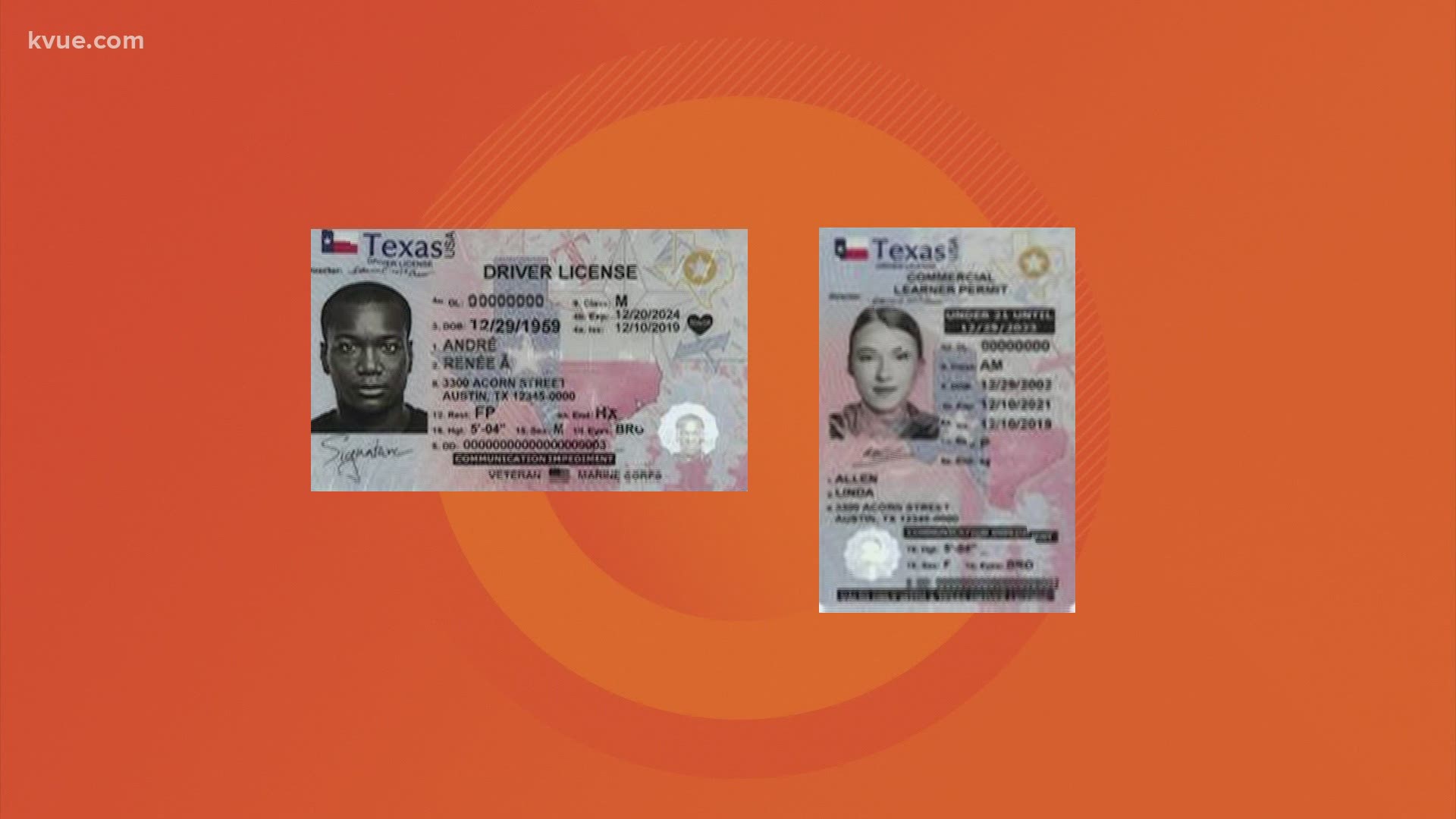
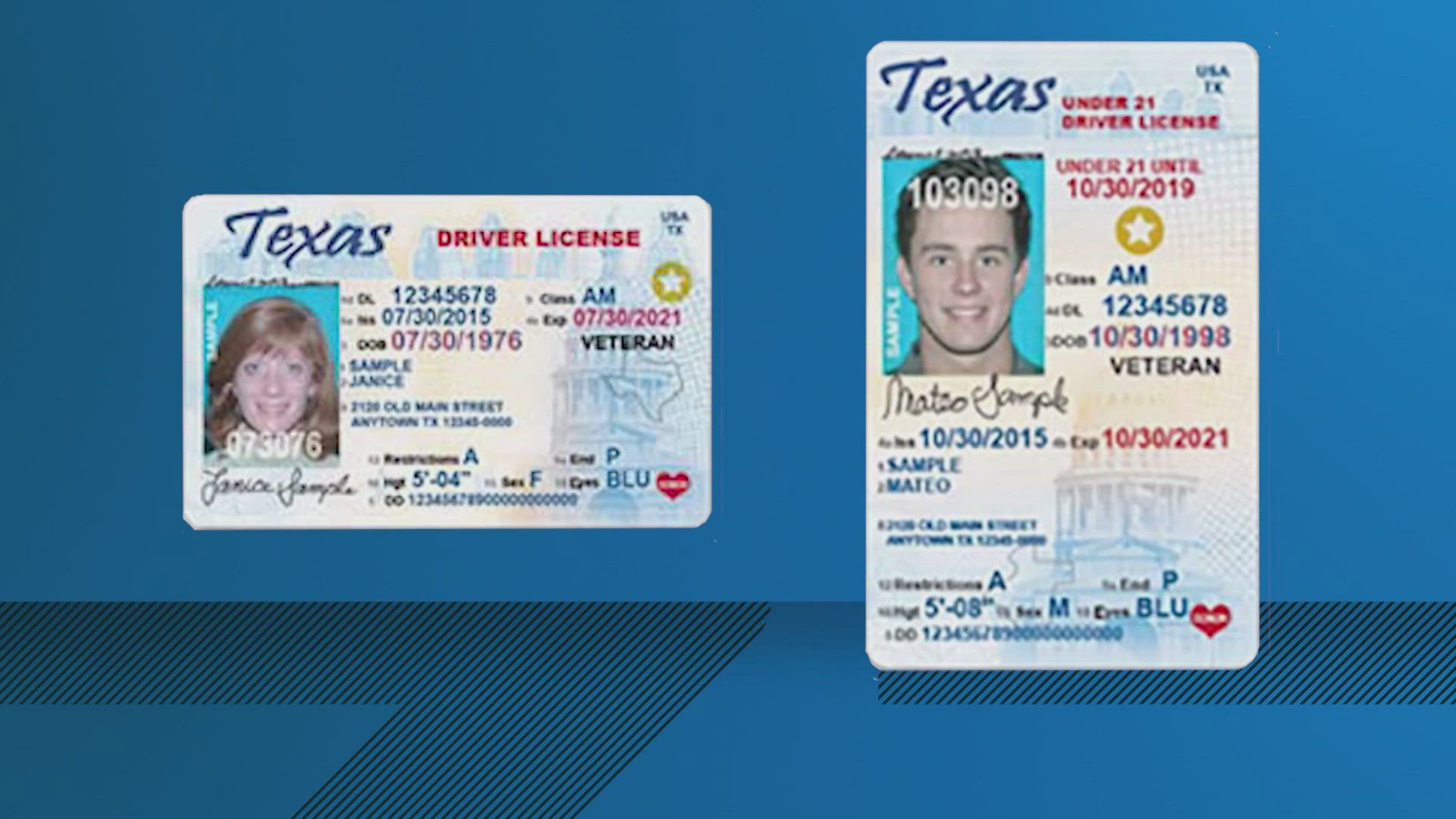
Identifying a REAL ID compliant Texas driver’s license or identification card is simple. Look for a gold star in the upper right-hand corner of your card. This star signifies that the card meets the federal security standards and is acceptable for domestic air travel and access to federal facilities. If your current Texas ID card does not have this star, it means it is not REAL ID compliant and will not be accepted for these purposes after the enforcement deadline.
It’s important to note that even if your card doesn’t have the star, it remains a valid form of identification for other purposes, such as driving, voting, purchasing age-restricted items, or renting a car. The non-compliance only applies to specific federal functions related to security.
Obtaining a REAL ID-Compliant Texas Driver’s License or ID Card
If your current Texas ID lacks the gold star, you’ll need to apply for a REAL ID compliant version. The process generally involves visiting a Texas DPS office in person and providing specific documentation. While the exact requirements can vary slightly, the typical documents you’ll need include:
- Proof of Identity: An original or certified copy of a birth certificate or a U.S. Passport.
- Proof of Social Security Number (SSN): Your Social Security card or a W-2 form.
- Proof of Residency (Two Documents): Utility bills, a lease agreement, or bank statements with your current Texas address.
- Proof of Lawful Status (if not a U.S. citizen): Documents showing your legal presence in the United States.
- Proof of Name Change (if applicable): Marriage certificate, divorce decree, or court order showing legal name changes to connect your current name to the name on your birth certificate or passport.
It’s highly recommended to check the official Texas DPS website for the most up-to-date and complete list of required documents before your visit. Making an appointment online can also save significant waiting time at the DPS office. This process is similar whether you are obtaining a new driver’s license or simply upgrading your existing ID card, ensuring your ability to travel domestically to popular destinations like Austin or Dallas, or even to other states like California or Florida.
Alternative Forms of Identification for Travel
For those who may not wish to obtain a REAL ID compliant Texas driver’s license or ID card, or who need to travel before receiving one, several alternative forms of identification are accepted by the TSA for domestic air travel. These include:
- U.S. Passport or U.S. Passport Card: These are universally accepted for domestic and international travel (for the passport).
- Military ID: Active duty or retired military IDs are acceptable.
- Federally Recognized Tribal ID: For members of federally recognized tribes.
- DHS Trusted Traveler Programs: Cards like Global Entry, NEXUS, or TSA PreCheck are also accepted.
Having a valid U.S. Passport is often the most versatile option, as it serves as a compliant ID for domestic flights and is essential for all international travel. For frequent domestic travelers, combining a TSA PreCheck membership with a REAL ID or passport can significantly streamline the airport security experience, aligning with a lifestyle of efficient and seamless travel.
Planning Your Texas Travels: Beyond REAL ID
While REAL ID focuses on identity verification for federal purposes, it’s just one piece of the puzzle for a comprehensive travel plan. Texas, a state known for its vast size and diverse attractions, offers an incredible array of destinations and experiences. Ensuring your identification is in order simply lays the groundwork for hassle-free exploration.
Domestic Travel Considerations Within Texas and Beyond
For those planning to explore the vast expanse of Texas, from the vibrant cultural scenes of Austin and Houston to the historical significance of San Antonio and the natural beauty of Big Bend National Park, a REAL ID compliant card is invaluable if you plan to fly between cities. Many visitors choose to fly into major hubs like Dallas/Fort Worth International Airport (DFW) or George Bush Intercontinental Airport (IAH) and then connect to smaller regional airports, or even use air travel to quickly traverse the state’s massive distances. For instance, flying from Dallas to El Paso can save hours compared to driving.
Beyond Texas borders, a REAL ID compliant card ensures you can seamlessly fly to any domestic destination across the United States. Whether it’s a family trip to Orlando for theme parks, a business stay in New York City, or a luxury retreat in Hawaii, your Texas REAL ID will serve as your gateway. It streamlines the check-in process at hotels and resorts, makes booking accommodations smoother, and generally removes a layer of potential identification issues from your travel itinerary. This compliance enables budget travel just as much as luxury travel, ensuring accessibility for all types of explorers.
International Travel: The Role of a Passport
While REAL ID is crucial for domestic air travel, it has no bearing on international travel requirements. For any journey beyond the borders of the United States, a valid U.S. Passport is almost always a necessity. This applies whether you’re traveling to Mexico for a quick getaway, embarking on a cruise from Galveston to the Caribbean, or flying to Europe for an extended vacation.
Having a passport also provides an excellent backup for domestic travel in case you lose your REAL ID compliant driver’s license or state ID. For any traveler with aspirations of global exploration, obtaining and maintaining a valid passport is a fundamental step in travel planning. Many Texas residents who live near the border, for example in El Paso or the Rio Grande Valley, routinely use a U.S. Passport Card for land and sea travel to Mexico and Canada, highlighting the versatility of different identification forms.
REAL ID and Visiting Texas’s Iconic Landmarks and Attractions
Most of Texas’s famous places, from historical sites to natural wonders, do not require a REAL ID for entry. Visiting The Alamo in San Antonio, exploring the exhibits at NASA Space Center Houston, or hiking through Guadalupe Mountains National Park or Padre Island National Seashore are generally open to the public without stringent ID checks beyond perhaps verifying age for certain activities.
However, if your journey to these landmarks involves flying domestically, then your REAL ID or an alternative acceptable document becomes essential to get you there. Furthermore, if any of these attractions are located within a federal facility that requires enhanced security, a REAL ID would be necessary for access. For example, some parts of NASA facilities might fall under this category. For the average tourist, though, the main impact of REAL ID on their sightseeing adventures will be limited to their mode of transportation to the destination. It is part of the broader tourism infrastructure that ensures smooth experiences for visitors.
REAL ID and the Future of Travel for Texans
The consistent push for REAL ID compliance signals a future where secure, verifiable identification is paramount for travel and access to federal services. For Texans, adapting to these requirements is key to maintaining unrestricted mobility.
Ensuring a Smooth Travel Experience
The best way to ensure a smooth travel experience post-REAL ID enforcement is through proactive preparation. First, verify if your current Texas driver’s license or ID card has the gold star. If not, make an appointment at your local DPS office and gather all necessary documents well in advance of the May 7, 2025, deadline. Allow ample time for processing, as delays can occur.
For every trip, always double-check TSA guidelines and your airline’s specific policies regarding identification. Having a REAL ID compliant card, coupled with a U.S. Passport for international travel, provides the most robust and flexible identification portfolio for any traveler, whether for solo adventures, family trips, or critical business stays. This approach minimizes potential disruptions and enhances the overall enjoyment of your journey, embodying the spirit of hassle-free lifestyle travel.
REAL ID and Digital Identity in Travel
While REAL ID currently focuses on physical documents, the future of identity verification is increasingly digital. States like Arizona, Maryland, and Utah have already piloted or implemented mobile driver’s licenses (mDLs), which offer a secure, digital version of your physical ID on your smartphone. While Texas has yet to officially roll out an mDL, the trend towards digital identity solutions is growing. These digital IDs, once widely accepted by the TSA and other federal agencies, could eventually complement or even partially replace physical REAL ID cards, offering an even more convenient and secure way to verify identity.
This evolution is particularly relevant for travelers who prioritize efficiency and technological integration in their travel experiences. Imagine boarding a flight or checking into a hotel using only your smartphone, with enhanced security features embedded in the digital verification process. This convergence of technology and security could redefine the future of accommodation and travel, making it even more streamlined.
A Proactive Approach to Travel Planning
Ultimately, a proactive approach is the best strategy for navigating the complexities of REAL ID and ensuring uninterrupted travel. Verify your ID status, plan for its renewal or upgrade well ahead of the deadline, and always keep alternative forms of identification accessible. For frequent travelers, enrolling in TSA PreCheck or Global Entry can further enhance efficiency at airports.
By taking these steps, Texans can continue to enjoy everything from exploring the vibrant urban centers of Houston and Dallas, to relaxing on the beaches of South Padre Island, or venturing to destinations across the globe, all with the peace of mind that their identification is compliant and their journey will be smooth. The REAL ID Act is not an impediment to travel, but rather a framework designed to enhance security, which, in turn, contributes to a safer and more reliable travel ecosystem for everyone.
In conclusion, Texas does indeed have REAL ID. The state issues compliant driver’s licenses and ID cards marked with a gold star, which will be essential for domestic air travel and access to federal facilities starting May 7, 2025. Ensuring your identification meets these federal standards is a critical step for anyone planning to travel or interact with federal agencies. By understanding the requirements, preparing your documents, and considering alternative forms of identification like a U.S. Passport, Texans can navigate the modern travel landscape with confidence and ease. The world of destinations, attractions, and experiences awaits, and with the right identification, you’re ready to explore it all.
LifeOutOfTheBox is a participant in the Amazon Services LLC Associates Program, an affiliate advertising program designed to provide a means for sites to earn advertising fees by advertising and linking to Amazon.com. Amazon, the Amazon logo, AmazonSupply, and the AmazonSupply logo are trademarks of Amazon.com, Inc. or its affiliates. As an Amazon Associate we earn affiliate commissions from qualifying purchases.