
Navigating the rules and regulations of vehicle ownership and operation can often feel like a complex journey, especially when planning a trip or considering a move to a new state. For those with their sights set on the vast and vibrant landscapes of Texas, a common question arises: “Does Texas require vehicle inspection?” The answer, like the state itself, has layers, combining historical practices with recent legislative changes that impact both residents and visitors. Understanding these requirements is not just about compliance; it’s about ensuring a safe, enjoyable, and hassle-free travel experience across the Lone Star State, and for residents, a smooth part of their annual lifestyle.
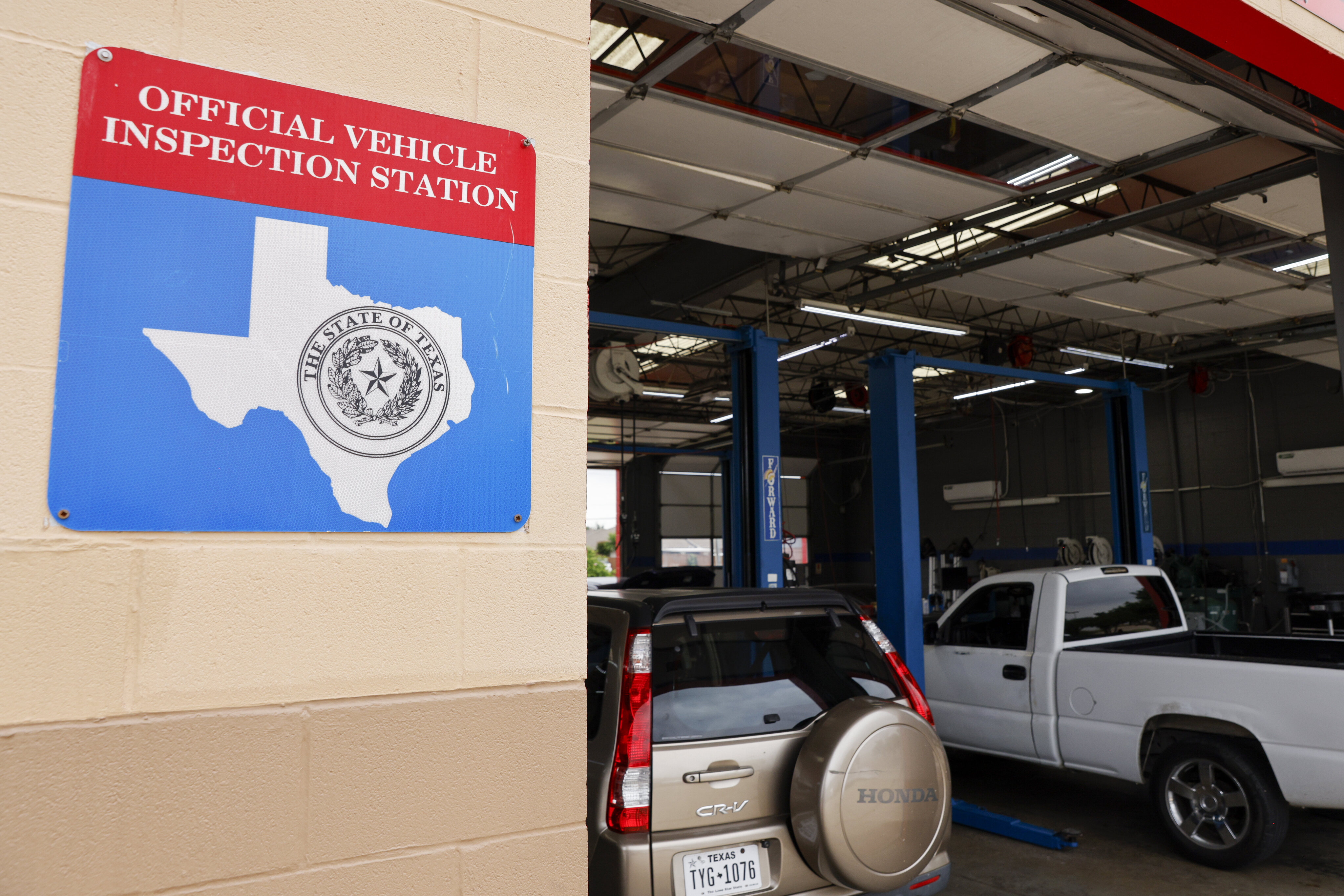
Texas has long been known for its stringent annual vehicle safety inspections. However, recent legislation has introduced significant changes to this long-standing requirement, making it imperative for anyone traveling through or residing in the state to stay informed. While the landscape of vehicle inspections is evolving, the underlying goal remains consistent: to ensure that vehicles operating on public roads meet certain standards for safety and environmental protection. This guide will delve into the current regulations, what these changes mean for you, and how they intertwine with your travel plans, accommodation choices, and overall lifestyle within Texas. Whether you’re embarking on an epic road trip to explore the diverse destinations, settling into a new home, or simply enjoying the local culture, being prepared will ensure your journey is as smooth as the open Texas highway.
Navigating Vehicle Inspections in Texas: What Travelers and Residents Need to Know
The regulations surrounding vehicle inspections in Texas are undergoing a significant transformation, affecting millions of drivers. Historically, all vehicles registered in Texas were required to pass both a safety inspection and, in certain counties, an emissions inspection annually. These inspections were a prerequisite for vehicle registration renewal, designed to ensure vehicles were roadworthy and not contributing excessively to air pollution. The rationale was simple: safer cars lead to safer roads, and cleaner cars lead to a healthier environment. However, the legislative landscape shifted with the passing of Senate Bill 1588 in 2023, which fundamentally alters the inspection process.
The Current State of Texas Vehicle Inspections
As of January 1, 2025, the mandatory annual vehicle safety inspection for most non-commercial passenger vehicles will be eliminated in Texas. This change marks the end of an era, as for decades, Texans have taken their vehicles to state-licensed inspection stations to have crucial components like brakes, tires, lights, and wipers checked. The move was primarily driven by arguments regarding the effectiveness and cost of safety inspections, with proponents of the change suggesting that the registration sticker fee could absorb the revenue loss, and law enforcement could still address unsafe vehicles on the road.
However, it is crucial to understand that emissions inspections will remain mandatory in specific, highly populated counties. These emissions tests are a critical component of air quality control strategies, particularly in metropolitan areas that have historically struggled to meet federal clean air standards. The purpose of an emissions inspection is to verify that a vehicle’s exhaust system is not releasing excessive pollutants into the atmosphere, contributing to smog and other environmental concerns. For vehicles registered in these designated counties, passing an emissions test will continue to be a necessary step before annual registration renewal. This ensures that even with the removal of safety inspections, the state maintains a commitment to environmental responsibility, a factor increasingly important for tourism and lifestyle quality in its major cities.
Who Needs an Inspection and Where?
The question of who needs an inspection post-2025 narrows significantly: primarily, Texas residents whose vehicles are registered in one of the 17 designated emissions testing counties. These counties are generally those encompassing major metropolitan areas and their surrounding suburbs, where population density and traffic congestion contribute more significantly to air quality challenges.
The 17 counties currently requiring emissions inspections are: Brazoria County, Collin County, Dallas County, Denton County, Ellis County, El Paso County, Fort Bend County, Galveston County, Harris County, Johnson County, Kaufman County, Montgomery County, Parker County, Rockwall County, Travis County, Williamson County, and Waller County. If your vehicle is registered in any of these, you’ll still need that emissions check.
For new residents moving to Texas, the rules are slightly different. Upon establishing residency, you typically have 30 days to title and register your out-of-state vehicle. Before you can register, your vehicle will need to pass any applicable Texas inspections. After January 1, 2025, this will mean an emissions inspection if you reside in one of the designated counties, but no safety inspection statewide. It’s a crucial step for integrating into the Texas lifestyle, ensuring your vehicle meets local standards.
Out-of-state visitors and tourists traveling through Texas generally do not need to worry about Texas vehicle inspections. Your vehicle is expected to comply with the inspection laws of your home state. Whether you’re visiting Dallas for its vibrant arts scene, exploring the historic Alamo in San Antonio, or hiking through Big Bend National Park, as long as your vehicle is properly registered and inspected in your state of residence, you’re good to go. This freedom allows travelers to focus on the destinations, attractions, and experiences Texas has to offer without added administrative burdens.
The Inspection Process: What to Expect
For those still requiring an emissions inspection, the process remains relatively straightforward. You’ll need to locate a state-licensed inspection station. These stations are plentiful, particularly in the emissions-testing counties of Houston, Dallas, Austin, and Fort Worth. Many automotive repair shops and quick-lube centers are certified to perform inspections.
When you arrive, you’ll typically need your driver’s license, proof of insurance, and vehicle registration information (though the inspection often precedes registration renewal). The inspector will connect to your vehicle’s On-Board Diagnostic (OBD-II) system to check for any diagnostic trouble codes that indicate a malfunction in the emissions control system. They will also verify that your vehicle’s check engine light is not illuminated. This electronic check is quick and efficient.
The cost of an emissions inspection is typically a modest fee, set by the state, and the process usually takes only 15-30 minutes, provided your vehicle passes without issue. If your vehicle fails, you will be provided with a report detailing the reasons for failure and will need to make necessary repairs before re-inspection. It’s always a good idea to perform basic maintenance – like ensuring your tires are properly inflated and your oil is at the correct level – before an inspection, though these now pertain more to general vehicle health rather than a formal safety check. Preparing your vehicle helps streamline the process, allowing you to quickly move on to exploring Texas’s unique attractions or simply enjoying your everyday lifestyle.
Vehicle Inspections and Your Texas Travel Experience
The evolution of vehicle inspection laws in Texas has significant implications for both avid travelers planning to traverse the state and residents enjoying their daily commutes and weekend getaways. While the elimination of safety inspections might seem to simplify things, understanding the remaining requirements, particularly for emissions, is crucial for a seamless journey through the diverse landscapes and vibrant cities of the Lone Star State. For tourists, it minimizes a potential hurdle, allowing more focus on the travel experience itself. For residents, it streamlines an annual chore, though the responsibility for vehicle upkeep remains.
Planning a Road Trip Through the Lone Star State
For many, exploring Texas means hitting the open road. From the historic missions of San Antonio and the bustling metropolis of Houston (home to Space Center Houston) to the rugged beauty of Big Bend National Park and the vibrant music scene of Austin, a reliable vehicle is paramount. The elimination of safety inspections does not, however, negate the importance of a well-maintained vehicle. On the contrary, ensuring your car is in top condition becomes an even greater personal responsibility.
Before embarking on a Texas road trip, a thorough personal vehicle check is highly recommended. This includes checking tire pressure, fluid levels, brake functionality, and light operation. These basic maintenance steps can prevent breakdowns and ensure your safety and the safety of your passengers on long stretches of highway. For those who frequently travel for business or leisure, considering a full service before a major trip is a wise investment.
Travelers from out of state can breathe easy regarding Texas inspections; their home state’s regulations apply. However, if you’re renting a car within Texas, you can generally expect the rental company to handle all necessary compliance, including any remaining emissions inspections for vehicles registered in applicable counties. Rental car agencies ensure their fleets meet all legal requirements, providing peace of mind for travelers focusing on destinations and experiences. This also extends to various forms of accommodation; whether you’re staying in a luxury resort, a cozy boutique hotel, or a long-term apartment rental, a reliable vehicle is key to enjoying all local attractions and amenities.
Lifestyle Implications for Texas Residents
For Texas residents, the legislative changes simplify one aspect of annual car ownership. The elimination of the safety inspection means one less appointment to schedule and one less fee to pay for many. This change aligns with a modern lifestyle seeking convenience and reduced bureaucratic hurdles. However, the requirement for emissions inspections in specific counties underscores a continued commitment to environmental health, which ties into the overall quality of life and tourism appeal in these urban areas. Houston’s efforts to improve air quality, for example, directly impact the experience of visiting its museums or dining in its acclaimed restaurants, and for residents, it contributes to better public health.
This shift also places greater emphasis on proactive vehicle maintenance. Without a mandated annual safety check, individual drivers are solely responsible for ensuring their vehicle’s lights, brakes, tires, and other critical safety features are in good working order. Regular maintenance not only prolongs the life of a vehicle but also ensures optimal fuel efficiency and reduces the likelihood of unexpected repairs, which can disrupt daily routines or planned family trips. This is a subtle but important aspect of a responsible lifestyle in Texas. For those living in the emissions-testing counties, ensuring your vehicle’s engine is running efficiently is not just good for the environment but can also save money on fuel and avoid the hassle of a failed inspection. Many local garages offer pre-inspection checks that can help identify potential issues before your official emissions test, ensuring a smooth annual renewal process.
Beyond Inspections: Ensuring a Smooth Journey in Texas
While the direct requirements for vehicle inspections in Texas are evolving, the broader commitment to road safety and environmental stewardship remains paramount. For both residents and visitors, focusing on general vehicle maintenance and understanding local driving laws are critical for ensuring a smooth, safe, and enjoyable experience across the vast landscapes of the Lone Star State. These elements contribute significantly to a stress-free lifestyle and memorable travel experiences, whether you’re exploring famous landmarks or hidden gems.
Vehicle Maintenance and Safety Tips
Even without a mandatory annual safety inspection, responsible vehicle ownership dictates that regular maintenance is non-negotiable. For travelers, a breakdown far from home can turn a dream vacation into a nightmare, incurring unexpected accommodation costs and delaying carefully planned itineraries. For residents, a reliable vehicle is essential for daily commutes, school runs, and weekend excursions.
Here are some essential tips for keeping your vehicle road-ready:
- Tire Health: Regularly check tire pressure, including the spare. Properly inflated tires improve fuel efficiency and are crucial for handling, especially at high speeds on Texas’s extensive highways. Inspect tires for wear and tear, and rotate them as recommended by the manufacturer.
- Fluid Levels: Keep an eye on engine oil, coolant, brake fluid, power steering fluid, and windshield washer fluid. Low fluid levels can lead to serious mechanical issues.
- Brakes: Pay attention to any unusual sounds or changes in braking performance. Worn brake pads or rotors compromise safety significantly.
- Lights: Ensure all headlights, taillights, turn signals, and brake lights are functioning correctly. Visibility is key, especially during dawn, dusk, or adverse weather conditions.
- Emergency Kit: Always carry an emergency kit, especially when traversing less populated areas. This should include jumper cables, a first-aid kit, a flashlight, basic tools, water, and non-perishable snacks.
- Regular Servicing: Adhere to your vehicle’s manufacturer-recommended service schedule. Regular tune-ups can identify potential issues before they become major problems.
These proactive measures not only contribute to personal safety but also reduce your environmental footprint, aligning with the spirit of emissions testing in urban areas and fostering a more sustainable lifestyle and tourism industry within Texas.
Understanding Texas Driving Laws
Beyond the physical state of your vehicle, understanding and adhering to Texas driving laws is vital for a hassle-free journey. Ignorance of the law is not an excuse, and traffic violations can lead to fines, points on your license, and even legal complications, detracting from any travel or lifestyle plans.
Key Texas driving laws to remember include:
- Speed Limits: Texas has some of the highest speed limits in the nation, with some rural interstates allowing 85 mph. However, speed limits vary significantly depending on the road type and location. Always pay attention to posted signs. In urban areas like Houston or Dallas, speeds are much lower, and traffic can be heavy.
- Seat Belts: All occupants in a vehicle are required to wear a seat belt, regardless of age or seating position. Children must be properly secured in an appropriate child safety seat or booster seat based on their age, height, and weight.
- Distracted Driving: Texas has a statewide ban on using handheld devices for texting while driving. Many cities also have stricter ordinances, prohibiting all use of handheld cell phones. Focus on the road to avoid accidents and fines.
- Move Over Law: When approaching a stopped emergency vehicle, tow truck, or TxDOT vehicle with flashing lights, drivers are required to either move over to the next adjacent lane (if safe to do so) or slow down to 20 mph below the posted speed limit (or 5 mph on roads with a speed limit of 25 mph or less).
- Right-Turn-On-Red: Unless otherwise posted, a right turn on red is permitted after coming to a complete stop and yielding to all traffic and pedestrians.
Adhering to these laws ensures your safety, prevents unnecessary legal troubles, and allows you to fully immerse yourself in the rich culture, diverse attractions, and welcoming communities that define the Texas experience. From the bustling Riverwalk in San Antonio to the serene vastness of West Texas, responsible driving habits are your best companion.
In conclusion, while the answer to “Does Texas require vehicle inspection?” has become more nuanced with the elimination of annual safety checks for most vehicles, a commitment to vehicle maintenance and an awareness of remaining emissions requirements and general driving laws are paramount. For travelers, this means a smoother journey focused on exploration and discovery. For residents, it translates to a more streamlined annual process coupled with the personal responsibility for roadworthiness. By staying informed and prepared, everyone can enjoy the incredible travel experiences, vibrant lifestyle, and diverse attractions that Texas has to offer, making every trip, whether across the state or just across town, a truly enjoyable one.
LifeOutOfTheBox is a participant in the Amazon Services LLC Associates Program, an affiliate advertising program designed to provide a means for sites to earn advertising fees by advertising and linking to Amazon.com. Amazon, the Amazon logo, AmazonSupply, and the AmazonSupply logo are trademarks of Amazon.com, Inc. or its affiliates. As an Amazon Associate we earn affiliate commissions from qualifying purchases.