
For many, the thought of bureaucratic tasks like obtaining a driving record might seem far removed from the thrill of planning an exotic getaway, a luxurious hotel stay, or an immersive cultural tourism experience. Yet, for anyone who cherishes the freedom of the open road, dreams of exploring new destinations by car, or is contemplating a move to a vibrant new location like the Lone Star State, understanding how to access your driving history is not just a necessity – it’s a fundamental part of a seamless lifestyle and travel itinerary. Whether you’re securing a rental car for a scenic drive along the Texas coast, applying for international driving permits for an adventure abroad, or simply verifying your personal information for insurance in a new city, your driving record serves as a crucial document.
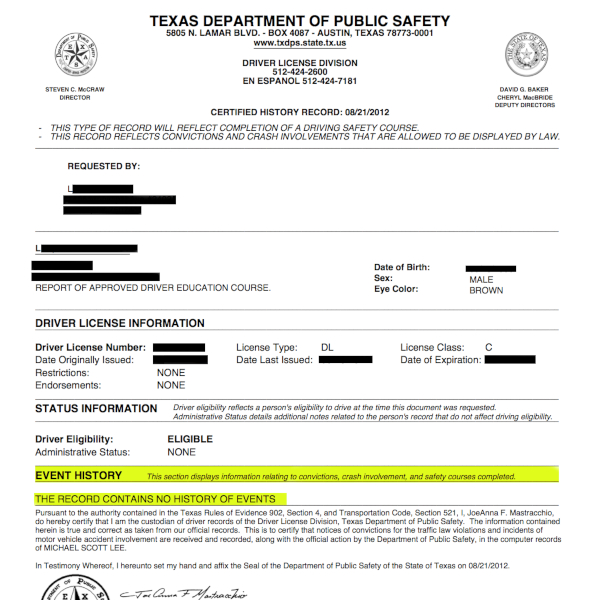
This guide will demystify the process of obtaining your driving record in Texas, weaving in how this seemingly administrative step directly impacts your travel plans, accommodation choices, and overall lifestyle. From navigating the bustling streets of Houston to discovering the charm of San Antonio or the vibrant culture of Austin, a clear driving record can be your passport to hassle-free exploration and a stress-free transition into life in Texas.
Understanding Your Texas Driving Record: More Than Just a Document
Your driving record is more than a mere collection of data; it’s a comprehensive narrative of your driving history within the state. For the adventurous traveler, the discerning hotel guest, or the individual planning a relocation, this document holds significant weight, influencing everything from car rental eligibility to insurance premiums and even certain employment opportunities that often go hand-in-hand with a travel-centric lifestyle.
What’s In Your Driving Record?
A Texas driving record provides a detailed account of your driving activities. Typically, it includes:
- Accidents: Any accidents you’ve been involved in, regardless of fault.
- Traffic Violations: This covers everything from speeding tickets to disregarding traffic signs and more serious offenses.
- Driver License Status: Information about the validity of your license, including any suspensions, revocations, or restrictions.
- Points System: Texas uses a point system where certain moving violations add points to your record, potentially leading to surcharges or license suspension if accumulated excessively.
For travelers, knowing what’s on your record is crucial. Imagine planning a dream road trip from Dallas to Big Bend National Park, only to find out you’re ineligible for a rental car due to an unnoticed suspension. Or perhaps you’re booking an extended stay in a Texas city, requiring a local vehicle, and your insurance quote is unexpectedly high due to old incidents. Regularly reviewing your driving record ensures there are no surprises when you need it most.
Why Your Driving Record Matters for Travel & Lifestyle
The connection between your driving record and your lifestyle, particularly one rich in travel and diverse accommodations, is multifaceted:
- Car Rentals: A clean driving record is paramount for renting vehicles, whether it’s a compact car for navigating city tourism in Austin, a spacious SUV for a family trip to the Space Center Houston, or a luxury sedan for a business stay in Dallas. Rental companies often check your driving history for major infractions, recent accidents, or license suspensions. A problematic record could lead to denial of service or significantly higher costs, disrupting your travel plans and forcing last-minute adjustments to your accommodation and transportation strategy.
- Insurance Rates: For residents of Texas or those considering a long-term stay, your driving record directly impacts your car insurance premiums. A history of accidents or violations can lead to substantially higher rates, affecting your budget for hotels, dining, and other experiences. Maintaining a clean record is a smart lifestyle choice that can save you considerable funds.
- International Travel: While not always directly required, some countries or international driving permit applications might request a driving abstract to verify your history. A solid record eases this process, facilitating seamless exploration beyond Texas’s borders.
- Peace of Mind for Road Trips: Knowing your record is clear provides immense peace of mind. When embarking on an epic road trip through the vast landscapes of Texas, from the historic sites in San Antonio to the Gulf Coast, the last thing you want is a legal issue stemming from an oversight on your driving record. It allows you to focus on the journey, the landmarks, and the experiences rather than administrative worries.
- Relocation and New Beginnings: If you’re moving to Texas and need to transfer your out-of-state license, or if you’re a new resident applying for a Texas license, your driving history from previous states is often considered. Similarly, if you plan to move from Texas, you’ll likely need a certified abstract of your Texas driving record for your new state.
Navigating the Process: How to Obtain Your Texas Driving Record
The Texas Department of Public Safety (DPS) is the primary authority for issuing driving records. They offer several convenient methods, catering to different needs and preferences, whether you’re a digital nomad on the go or someone who prefers a more traditional approach.
Online Options: The Quickest Route for Digital Nomads and Busy Travelers
For most people, especially those with a fast-paced lifestyle centered around travel and quick access to information, obtaining your driving record online is the most efficient method. The official Texas Department of Public Safety (DPS) website provides a secure portal for this service.
To apply online, you will typically need:
- Your Texas Driver License or ID card number.
- Your Date of Birth.
- The audit number from your most recent Texas Driver License or ID card (this is a unique 8-digit number usually found on the back of your card).
- A valid credit card for payment.
The digital process is designed for convenience, allowing you to access your record from a hotel room in Houston, a café in Austin, or even while planning your next international adventure. This method usually provides immediate access to your uncertified record, which is often sufficient for personal review or insurance quotes.
Mail-In Requests: For Traditionalists or Those Without Immediate Internet Access
While less immediate than the online option, requesting your driving record by mail is a viable alternative for those who prefer physical documentation or lack reliable internet access. This method requires a bit more foresight and planning, making it suitable for those who are scheduling a move or planning well in advance.
To request a record by mail:
- You’ll need to complete a Driver Record Request Form (Form DL-16), which is available on the Texas Department of Public Safety (DPS) website for download.
- The form requires your full name, date of birth, Texas Driver License number, and the audit number.
- Include the appropriate fee via check or money order, made payable to the Texas Department of Public Safety.
- Mail the completed form and payment to the address specified on the form.
The turnaround time for mail-in requests can vary, typically ranging from a few days to a couple of weeks, depending on mail service and processing times. This method is often preferred for certified records that may be required for legal purposes or out-of-state license transfers.
In-Person Visits: A Local Texas Experience
For those who enjoy a more personal touch or need a record immediately, visiting a local Texas Department of Public Safety (DPS) office is an option. While this might involve waiting in line, it offers the advantage of speaking directly with a representative and potentially receiving your record on the spot.

Before visiting, it’s advisable to:
- Check the Texas Department of Public Safety (DPS) website for office locations and operating hours in cities like Dallas, Houston, or San Antonio.
- Bring your Texas Driver License or ID card.
- Be prepared to pay the fee, typically by credit card, cash, or money order.
An in-person visit can also be an opportunity to experience local Texas life, perhaps stopping for some authentic barbecue after your appointment or exploring nearby landmarks. While not the most time-efficient for all, it offers a tangible interaction that some prefer, especially when dealing with important documents.
Types of Driving Records and Their Uses
The Texas Department of Public Safety (DPS) offers several types of driving records, each designed for a specific purpose. Understanding the differences is crucial to ensure you request the correct document for your needs, whether it’s for personal review, insurance, or legal requirements.
Type 2A: The Basic Overview
This is often referred to as the “status record” or “abstract.” It provides a concise summary of your driving history, including current license status, original issue date, and any recent violations or accidents.
- Primary Use: This type is generally sufficient for personal review, checking your points, or obtaining insurance quotes. If you’re simply curious about your record before renting a car for a trip to Fredericksburg‘s wine country or need it for general verification, Type 2A is usually what you need. It’s the most commonly requested record for individuals focused on personal lifestyle management and routine checks.
Type 3A: For Legal and Employer Needs
Type 3A is a certified abstract of your complete driving record. It includes all entries of accidents, violations, and enforcement actions. This is a more comprehensive document and comes with an official Texas Department of Public Safety (DPS) seal.
- Primary Use: This record is typically required for employment purposes (especially for jobs involving driving, which could include tour guides or transportation for luxury resorts), legal proceedings, or sometimes by insurance companies for underwriting policies where a detailed history is necessary. If you’re relocating to Texas for a new job that requires driving, this is the record your prospective employer will likely ask for.
Type IR: Certified Abstract
Type IR, or “Certified Abstract with all recorded accidents and violations,” is the most comprehensive and detailed record available. It includes everything found in Type 3A, plus additional historical data on accidents and violations that may not be present in other types.
- Primary Use: This record is often required for out-of-state license transfers, some international agencies, or specific legal scenarios where an exhaustive driving history is mandatory. If you’re moving from Texas to another state and need to transfer your license, the DMV in your new state will likely request a Type IR record for a complete overview of your driving history. Similarly, certain visa applications or long-term residency applications abroad might request this level of detail.
Beyond the Record: Maintaining a Clean Driving History in Texas
For those living a lifestyle that involves frequent travel, new accommodations, and exploring landmarks, a clean driving record isn’t just about avoiding fines; it’s about maintaining flexibility, minimizing stress, and protecting your budget. Proactive management of your driving history in Texas can significantly enhance your travel and living experiences.
Defensive Driving Courses: A Traveler’s Smart Move
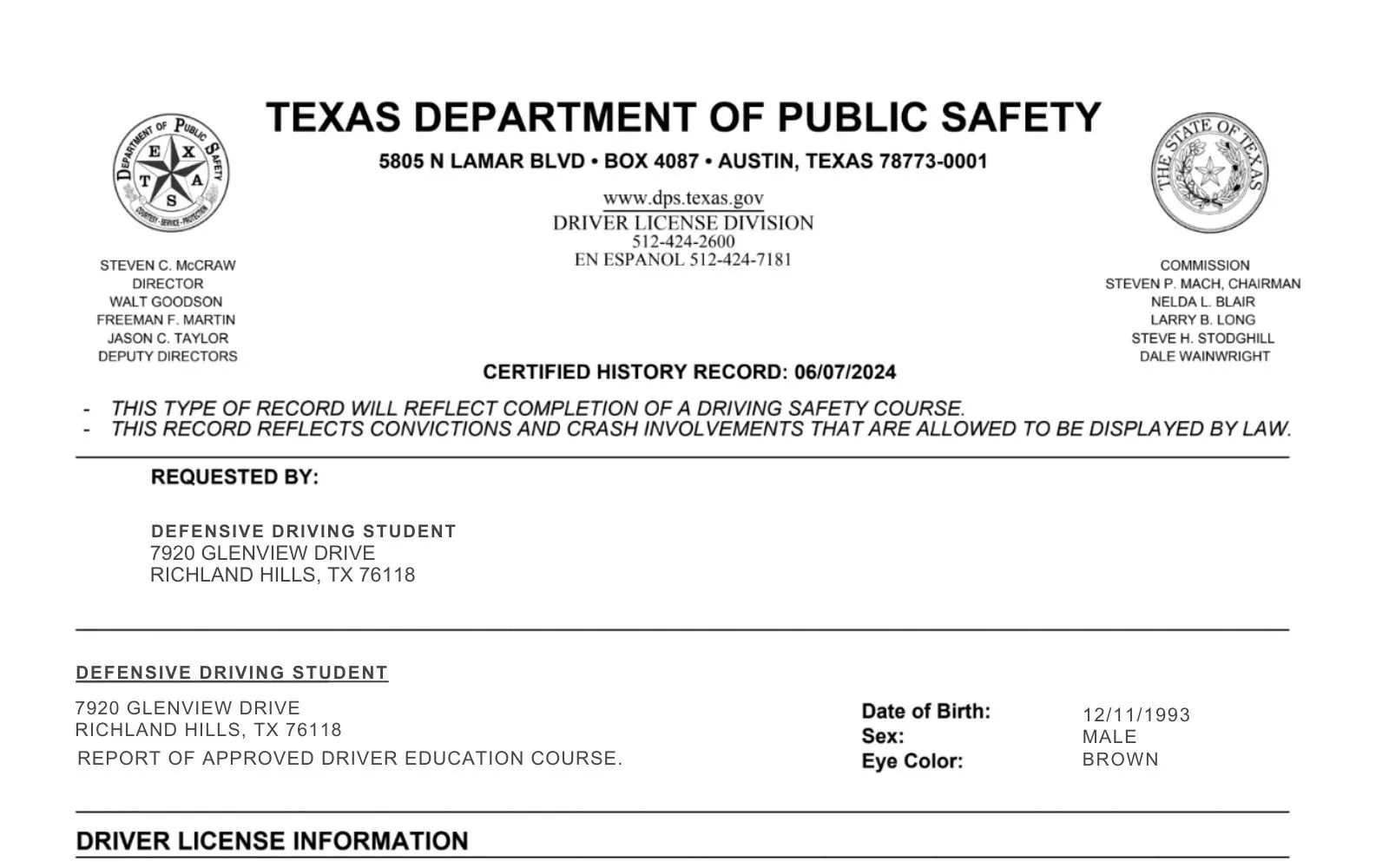
One of the most effective ways to manage and even improve your driving record in Texas is through defensive driving courses. These courses are not just for new drivers; they are a smart investment for anyone who spends significant time on the road, whether for daily commutes or cross-state adventures.
- Dismissing Tickets: In many cases, if you receive a minor traffic ticket in Texas, completing an approved defensive driving course can lead to its dismissal, preventing points from being added to your record and keeping your insurance rates stable. This is a huge benefit for budget travelers or those managing costs for luxury hotel stays.
- Insurance Discounts: Many insurance providers offer discounts for drivers who voluntarily complete defensive driving courses. These savings can accumulate over time, freeing up funds for more memorable travel experiences, better accommodation choices, or local tourism activities.
- Improving Skills for Road Trips: Beyond the administrative benefits, these courses genuinely enhance your driving skills, making you a safer and more confident driver. This is invaluable when navigating unfamiliar roads during a road trip to the Texas Hill Country or adjusting to city driving in places like Dallas or Houston.
Understanding Texas Driving Laws for Visitors and Residents Alike
Whether you’re visiting for a short stay or planning to make Texas your new home, familiarity with local driving laws is paramount. Ignorance of the law is no excuse, and a traffic infraction can quickly sour a vacation or complicate a new beginning.
- Speed Limits: Texas has varying speed limits, particularly on its vast rural highways and urban freeways. Always pay attention to posted signs.
- DWI Laws: Driving While Intoxicated (DWI) laws in Texas are strict, with severe penalties that can devastate your driving record, financial stability, and travel privileges. Using ride-sharing services or designated drivers when enjoying Austin’s nightlife or San Antonio’s Riverwalk is always recommended.
- Distracted Driving: Texas has laws against using handheld devices while driving, particularly in school zones. Staying focused on the road is crucial for safety and avoiding citations that would mar your record.
By proactively understanding and adhering to these laws, you contribute to a clean driving record, ensuring smooth travels and an unburdened lifestyle wherever your adventures in Texas may take you.
In conclusion, while obtaining your driving record in Texas might seem like a mundane administrative task, its implications for your travel adventures, accommodation choices, and overall lifestyle are significant. A clear, well-managed driving history empowers you to explore new destinations without hindrance, secure the best insurance rates, and enjoy the open road with confidence. Whether you’re planning a luxurious escape, an immersive cultural experience, or a permanent move, understanding and maintaining your Texas driving record is a crucial step towards a truly free and fulfilling life out of the box.
LifeOutOfTheBox is a participant in the Amazon Services LLC Associates Program, an affiliate advertising program designed to provide a means for sites to earn advertising fees by advertising and linking to Amazon.com. Amazon, the Amazon logo, AmazonSupply, and the AmazonSupply logo are trademarks of Amazon.com, Inc. or its affiliates. As an Amazon Associate we earn affiliate commissions from qualifying purchases.