
Embarking on a journey, whether it’s a spontaneous road trip through the vast landscapes of Texas or a meticulously planned international escapade, hinges on one surprisingly crucial document: your driver’s license. Beyond its primary function of granting you legal permission to operate a vehicle, a driver’s license serves as your fundamental identification, unlocking everything from hotel check-ins and rental car pickups to accessing certain attractions and confirming your identity at countless points along your travel itinerary. Its loss can instantly transform a carefree adventure into a logistical nightmare, raising questions about everything from legal driving privileges to your ability to board a flight. For those exploring the vibrant culture, delicious cuisine, and stunning natural beauty of the Lone Star State, or simply residing within its borders, understanding the process of replacing a lost driver’s license is not just a bureaucratic necessity, but a vital piece of travel and lifestyle preparedness.
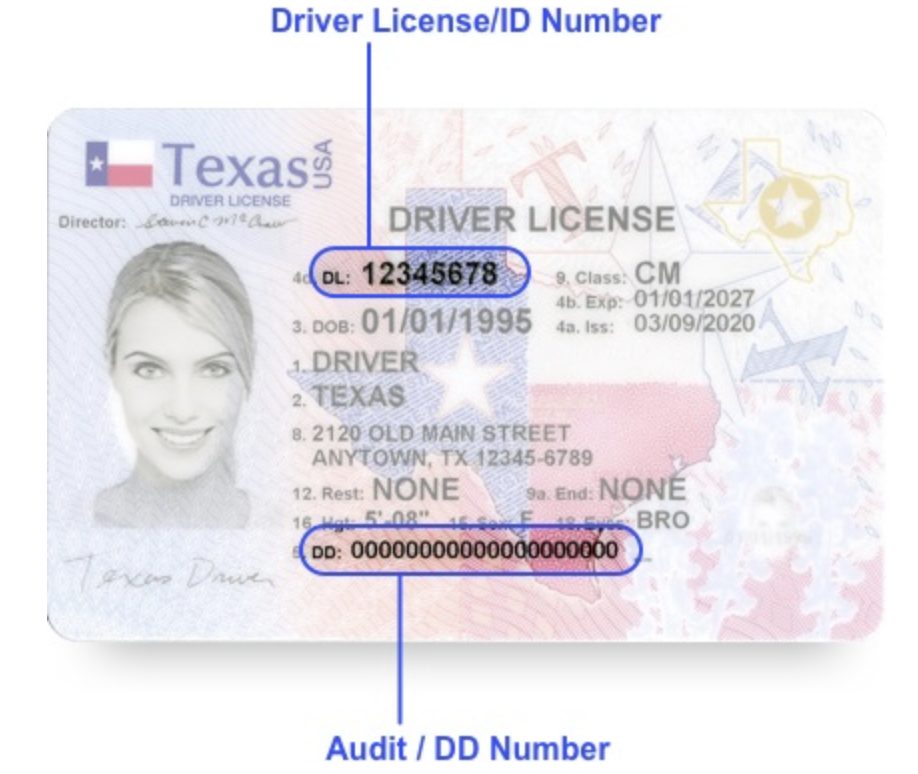
This comprehensive guide aims to demystify the process of replacing a lost driver’s license in Texas, blending practical governmental requirements with essential travel considerations. We’ll navigate the steps you need to take, the documents you’ll need to gather, and offer valuable insights for ensuring a smooth journey, even when unexpected challenges like a lost ID arise. From the bustling streets of Houston to the historic charm of San Antonio or the vibrant music scene of Austin, your ability to move freely and identify yourself confidently is paramount to an enjoyable experience.
The Indispensable Role of Your Driver’s License in Texan Adventures and Beyond
For the avid traveler, the luxury seeker, or the budget-conscious backpacker, a driver’s license is more than just a permit; it’s a passport to freedom. Imagine planning a scenic drive through Big Bend National Park, exploring the coastal beauty of South Padre Island, or simply needing to rent a car for a business trip to Dallas. Each of these scenarios, typical of the diverse travel and lifestyle options Texas offers, absolutely requires a valid driver’s license. Without it, your plans can quickly unravel, leaving you stranded or significantly altering your carefully curated itinerary.
Beyond driving, your license is your primary form of identification. Checking into a Marriott suite, a cozy Hilton resort, or even a quaint local bed and breakfast almost universally demands a government-issued photo ID. Participating in local tourism activities, such as taking a boat tour on the River Walk in San Antonio or visiting Space Center Houston, might require age verification or identity confirmation. Even something as simple as picking up a package or cashing a check can become an insurmountable hurdle without this small, laminated card.
Losing your driver’s license, especially while away from home or in the middle of a trip, can trigger a cascade of stress. It can impact your ability to rent the vehicle you booked months in advance, jeopardizing your road trip across the state. It might complicate checking into the boutique hotel you chose for its unique amenities, forcing extra steps or even denial if alternative identification isn’t available. For many, the ability to drive represents independence, a key component of their lifestyle, whether it’s commuting for work, picking up children, or simply enjoying the open road. Replacing it promptly and correctly is therefore not merely about complying with the law, but about restoring your autonomy and ensuring uninterrupted travel and daily living.
Immediate Actions and Essential Preparations When Your License Goes Missing in the Lone Star State
The moment you realize your driver’s license is gone, a wave of panic is natural. However, a calm and methodical approach is crucial. Your immediate response can significantly streamline the replacement process and mitigate potential risks. This initial phase involves not just thinking about the replacement but also securing your identity.
Reporting the Loss: A Critical First Move
While the Texas Department of Public Safety (DPS) doesn’t strictly mandate reporting a lost license to the police before replacement, it’s a highly recommended step, especially if you suspect theft. Filing a police report, even for a simple loss, creates an official record that can be invaluable in proving your identity if your lost license is used fraudulently. This is particularly important for travelers, as identity theft can be a severe disruption to any lifestyle, potentially leading to financial distress and long-term complications far beyond the immediate inconvenience of replacing an ID. Keep a copy of this report with your other identification documents.
Gathering Backup Identification and Proactive Measures
The importance of having backup identification cannot be overstated. Before embarking on any travel, consider making photocopies or digital scans of your driver’s license, passport, and other key IDs. Store these securely, separate from your wallet. If your license is lost, these copies can serve several purposes:
- Proof of Identity: While not acceptable as primary ID for most official transactions, a photocopy can sometimes aid in establishing your identity when combined with other documents.
- Information Retrieval: It contains your driver’s license number, issue date, and expiration date, all of which are essential for the replacement application.
- Contingency for Travel: In some situations, showing a copy might help explain your predicament to hotel staff or a rental car agency, though they will ultimately require a valid physical ID.
For travelers, especially those venturing outside their immediate area, carrying a passport (if you have one) in a separate secure location is an excellent strategy. A passport is universally accepted as a primary form of identification and can serve as a robust backup if your driver’s license goes missing. For local travel within Texas, a state-issued identification card (if you have one separate from your driver’s license), a military ID, or even a school ID can offer supplementary proof of identity, even if it cannot replace the driving privilege itself.
Navigating the Replacement Process: Your Options with the Texas Department of Public Safety
Once you’ve secured your identity and gathered any backup information, the next step is to formally apply for a replacement license. In Texas, the Department of Public Safety (DPS) is the issuing authority for driver’s licenses, not the Department of Motor Vehicles (DMV) as it is in many other states. The DPS offers several convenient methods for replacement, catering to different circumstances.
The Convenient Online Pathway for Eligible Texans
For many Texas residents, replacing a lost or stolen driver’s license can be a surprisingly straightforward online process, allowing you to quickly get back to planning your next adventure or tackling your daily responsibilities. This method is ideal for those who prefer the efficiency of digital services and meet specific criteria.
Eligibility for Online Replacement:
You can usually replace your license online if:
- You are between 18 and 79 years old.
- Your license has not been expired for more than two years.
- Your license is not suspended, revoked, or canceled.
- You don’t need to change your photo, address, or any other information on the card.
- Your last renewal was completed in person at a DPS office.
The Online Process:
- Visit the DPS Website: Navigate to the official Texas DPS online services portal.
- Provide Required Information: You’ll typically need your driver’s license number, date of birth, and the last four digits of your Social Security Number. Having a copy of your lost license handy can speed this up.
- Pay the Fee: A replacement fee will be charged, payable by credit card. This fee is standard and is the same regardless of the replacement method.
- Confirmation: Once approved, a temporary paper license (PDF) might be available for download and printing, which you can use immediately. Your new physical license will be mailed to the address on file, usually within 2-3 weeks.
This online option is a boon for busy individuals and travelers alike, minimizing disruption to your schedule. However, it’s vital to ensure your mailing address with the DPS is current, especially if you’re traveling or have recently moved.
In-Person: The Direct Approach at a DPS Office
While the online option offers unparalleled convenience, there are scenarios where an in-person visit to a Texas DPS office is necessary. This might include instances where you are ineligible for online renewal, need to update your photo, or require a temporary license immediately.
When In-Person is Necessary:
- You don’t meet the online eligibility criteria (e.g., your license expired more than two years ago, or your last renewal was online).
- You need to change your address or other personal information.
- Your license was previously suspended or revoked.
- You want a new photograph taken.
- You require immediate proof of licensure beyond a printed temporary document, such as a paper receipt from the DPS that signifies successful application.
The In-Person Process:
- Schedule an Appointment: It’s highly recommended to schedule an appointment online via the DPS website. This can significantly reduce wait times, allowing you to better plan your day, whether you’re juggling work commitments or trying to fit it into a tight travel schedule.
- Gather Documents: This is arguably the most critical step. You’ll need to bring a robust set of documents proving your identity, residency, and U.S. citizenship or lawful presence. (More details on specific documents below).
- Visit the DPS Office: Arrive promptly for your appointment. Be prepared for a photo and potentially fingerprints.
- Pay the Fee: The replacement fee will be collected.
- Temporary License: Upon successful application, you will typically be issued a temporary paper license valid for a set period, allowing you to drive legally while awaiting your new card. The physical card will be mailed to you.
The in-person visit, while more time-consuming, provides the reassurance of direct interaction with DPS staff and immediate issuance of a temporary driving permit.
Replacing by Mail: A Niche Option for Out-of-State Residents
The mail-in option is generally reserved for Texas residents who are temporarily residing out of state or country and are unable to use the online system or return to Texas in person. This method is less common for simple replacements within the state.

Conditions for Mail-In Replacement:
- You must be a Texas resident but currently out of state/country.
- You typically cannot have any outstanding issues with your license (e.g., suspension).
- Your license has not been expired for an extended period (usually two years).
The Mail-In Process:
- Download the Application: Obtain the correct application form (DL-1A) from the DPS website.
- Complete and Mail: Fill out the form thoroughly, providing all requested information, including your out-of-state mailing address. You will also need to include photocopies of your proof of identity and a check or money order for the replacement fee.
- Wait for Delivery: Processing times for mail-in applications can be longer, and your new license will be mailed to the address you provided.
This option is a lifesaver for long-term travelers, students studying abroad, or military personnel deployed overseas, ensuring they can maintain their Texas driving privileges.
The Documentation Gauntlet: What You Need to Bring (and Why it Matters for Travel)
Regardless of the method you choose (though particularly for in-person applications), having the correct documentation is paramount. The Texas DPS requires specific proofs to verify your identity, residency, and legal status. Missteps here can lead to frustrating delays, impacting your travel plans or daily routine. For the astute traveler, having these documents readily accessible in a safe, organized manner is a critical component of trip planning.
Proof of Identity (Primary and Secondary)
The DPS has a tiered system for identity verification. You’ll generally need:
- Primary Identification: This could be a U.S. passport, U.S. birth certificate, or a valid permanent resident card.
- Secondary Identification: Documents like a Social Security card, an original marriage certificate, or a court order.
- Supporting Identification: Items such as a valid health insurance card, a utility bill, or a voter registration card might be accepted if primary and secondary forms are insufficient.
For travelers, ensuring your passport is current and easily retrievable (though kept separate from your wallet) is invaluable. If your driver’s license is your only primary ID, losing it makes other strong forms of ID like a birth certificate or Social Security card even more important. Having these documents prepared in advance, perhaps scanned and stored digitally in a secure cloud service (password-protected, of course), can be a lifesaver if originals are lost or stolen while traveling through Texas or beyond.
Proof of Texas Residency
To prove you are a legitimate Texas resident, you’ll typically need two documents that show your name and current Texas address. Examples include:
- Utility bills (electricity, water, gas)
- Rent or mortgage statements
- Mail from government agencies (e.g., IRS, Social Security Administration)
- Insurance policies (auto, home, life)
- Bank statements
If you’re a traveler or temporarily residing in a hotel or short-term rental, obtaining such documents might be tricky. It highlights the importance of keeping your official address with the DPS up-to-date. If you’ve recently moved or are living in temporary accommodations, preparing alternative proof such as a lease agreement or a notarized statement from a landlord is essential.
Proof of U.S. Citizenship or Lawful Presence
This is crucial for ensuring you are legally permitted to hold a Texas driver’s license. Documents might include:
- U.S. passport or passport card
- U.S. birth certificate
- Certificate of Citizenship or Naturalization
- Valid I-551 Permanent Resident Card (Green Card)
- Unexpired foreign passport with a U.S. visa and I-94
Ensuring you have these vital documents, or certified copies, ready for presentation can prevent significant delays in the replacement process. For international travelers or those with non-citizen status, understanding these requirements fully before an issue arises is a must for seamless journeys.
Social Security Number (SSN)
You will need to present your original Social Security card or a government document that contains your name and SSN (e.g., W-2 form, SSA-1099). While the physical card isn’t always required if the number is known and verified electronically, having it available can prevent complications.
Fees and Payment Methods
A standard fee applies for a replacement driver’s license. This fee must be paid at the time of application. DPS offices typically accept cash, check, money order, and major credit cards. For online applications, only credit card payments are accepted. Always confirm the current fee on the official DPS website before applying.
Life on the Road Without a License: Temporary Solutions and Travel Considerations
Losing your driver’s license doesn’t mean your life or travels come to a complete halt, but it does necessitate adaptability and awareness of temporary solutions. Understanding what to do while awaiting your new license is crucial for maintaining your mobility and identification needs.
The Temporary License: Your Immediate Lifeline
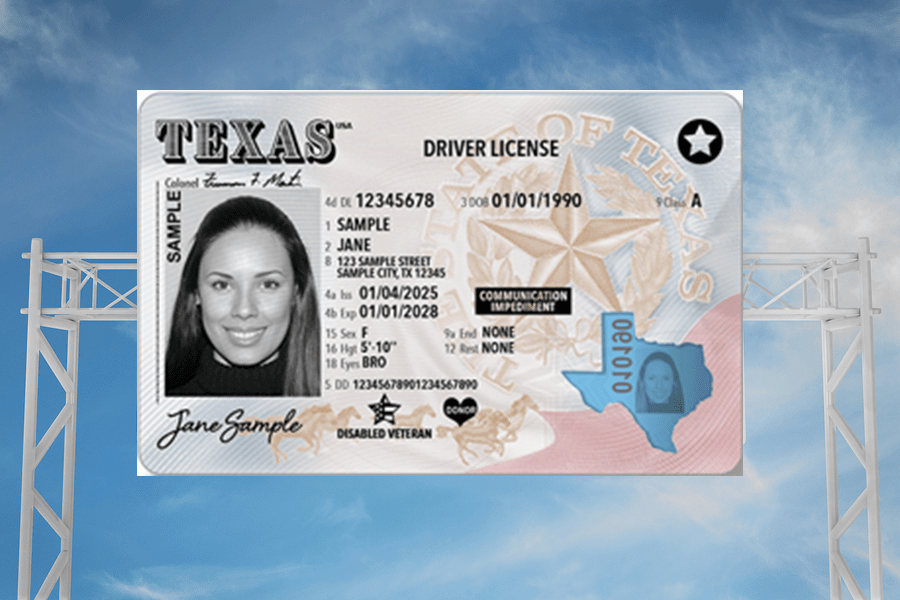
If you apply for a replacement in person at a DPS office, you will typically receive a temporary paper driver’s license on the spot. This document serves as legal proof of your driving privilege in Texas and usually includes your photo and other identifying information. Similarly, an online replacement often provides a downloadable and printable temporary license.
What to Know About Temporary Licenses:
- Validity: Temporary licenses are valid for a limited period (e.g., 30-90 days), providing ample time for your permanent card to arrive by mail.
- Acceptance: While legally valid for driving in Texas, the acceptance of a paper temporary license for identity verification can vary. Law enforcement officers will generally recognize it, but some businesses, particularly those outside Texas, or strict institutions like banks or airport security, may be hesitant.
- Physical Protection: Treat your temporary license with care. Laminate it or keep it in a protective sleeve to prevent damage, as it’s your only official proof until the permanent card arrives.
Navigating Hotels, Car Rentals, and Air Travel
This is where the absence of your physical driver’s license can pose significant challenges for travelers.
- Hotel Check-ins: Most hotels, from a luxury Hyatt to a budget-friendly Wyndham, require a valid government-issued photo ID upon check-in. While a temporary paper license might be accepted in conjunction with another form of ID (like a credit card in your name), it’s not guaranteed. If you have a passport, use it. Otherwise, explain your situation politely and offer any other available identification. Having a copy of your police report (if filed) can also lend credibility.
- Rental Car Companies: Renting a car without a physical, valid driver’s license is extremely difficult, if not impossible. Rental agencies have strict policies for liability and verification. A temporary paper license is usually insufficient. This is perhaps the most significant impediment to travel caused by a lost license. If you foresee renting a car, an in-person DPS visit for a temporary license is a must, but even then, it’s best to call the rental agency ahead of time to confirm their specific policy. Some agencies may allow it if accompanied by another form of photo ID and a valid credit card.
- Air Travel: The Transportation Security Administration (TSA) has specific guidelines for travelers without a valid ID. While they prefer a TSA-accepted photo ID (like a driver’s license or passport), if you don’t have one, you may still be able to fly. You’ll need to go through an identity verification process, which involves providing additional information and undergoing enhanced screening. This process can be time-consuming and stressful, so arrive at the airport significantly earlier. A passport is always the best alternative for air travel.
Beyond Texas: Interstate and International Implications
- Interstate Travel: While your Texas temporary license is legally valid for driving within Texas, its acceptance as official identification outside the state can be inconsistent. Other states’ law enforcement will generally recognize it for driving privileges, but its use as an ID for other services (e.g., purchasing age-restricted items) might be met with skepticism. It’s always best to carry supplementary identification when traveling out of state with only a temporary license.
- International Implications: For international travel, a Texas driver’s license (temporary or permanent) is rarely sufficient as a standalone identification document for entry into foreign countries. A valid passport is absolutely essential for international flights and border crossings. If you lose your driver’s license while abroad, the process of replacing it will likely involve the mail-in option, and you should contact the U.S. Department of State or the nearest U.S. embassy/consulate for guidance on temporary travel documents if your passport is also missing.
Losing a driver’s license can undoubtedly throw a wrench into your travel plans and disrupt your daily lifestyle. However, by understanding the replacement process in Texas and preparing for potential contingencies, you can navigate this challenge with confidence. Proactive measures, like carrying secondary forms of identification and knowing your options, are key to minimizing stress and ensuring that your journey, whether across the street or across the state, remains as seamless and enjoyable as possible. Keep your documents safe, travel smart, and remember that even a lost license doesn’t have to put an end to your next grand Texas adventure.
LifeOutOfTheBox is a participant in the Amazon Services LLC Associates Program, an affiliate advertising program designed to provide a means for sites to earn advertising fees by advertising and linking to Amazon.com. Amazon, the Amazon logo, AmazonSupply, and the AmazonSupply logo are trademarks of Amazon.com, Inc. or its affiliates. As an Amazon Associate we earn affiliate commissions from qualifying purchases.