
Embarking on a journey across the diverse landscapes of Texas is an adventure often sought by both seasoned travelers and first-time visitors. Two of the state’s most vibrant cities, Austin and Houston, beckon with distinct charms, cultures, and countless experiences. A fundamental question for anyone planning a trip between these metropolitan hubs is, “How far apart are they?” Understanding the distance, travel time, and various transportation options is the first step in crafting an unforgettable Texas itinerary.
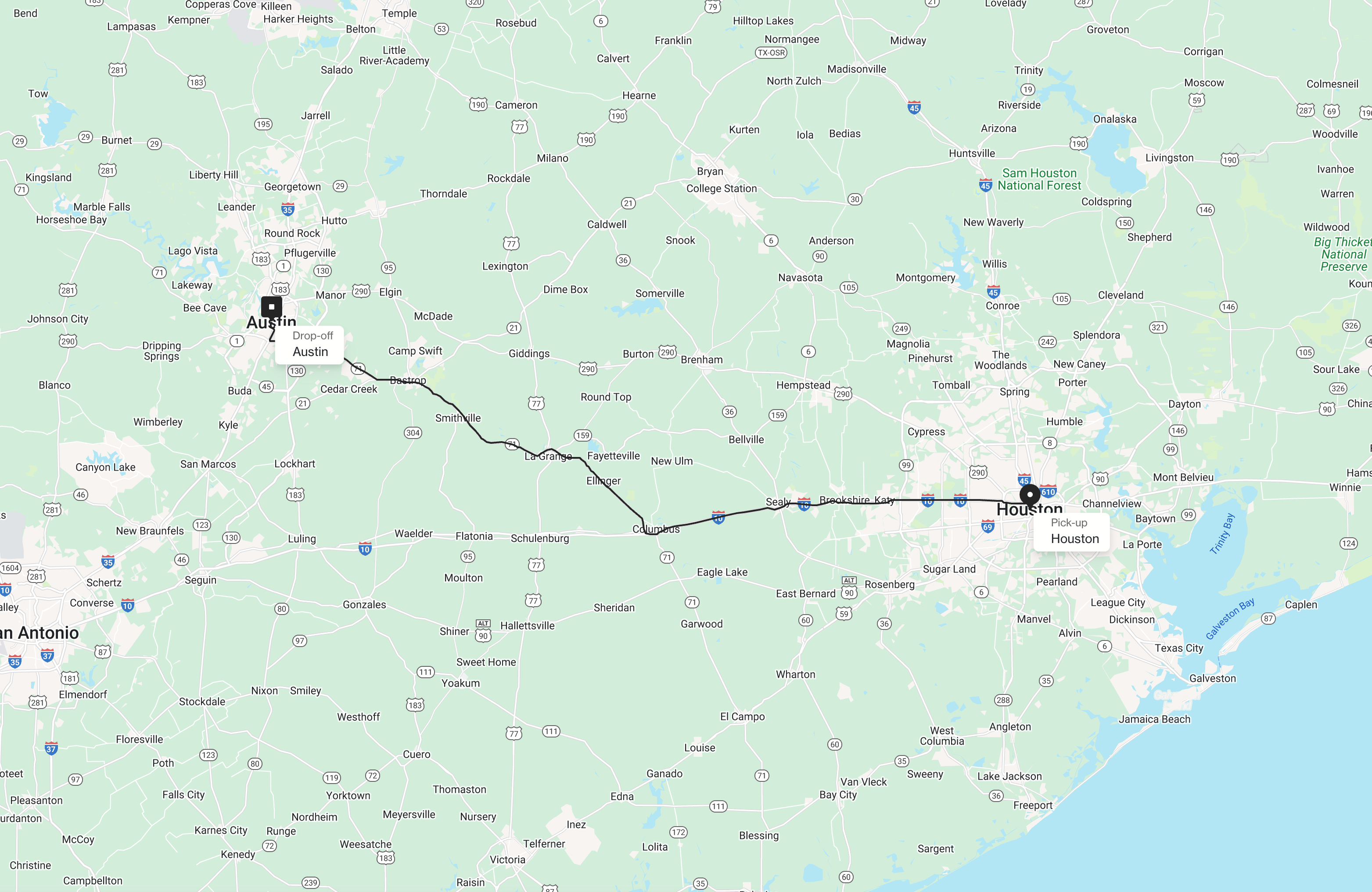
These two titans of the Lone Star State are not just geographically distinct; they represent different facets of Texas life. Houston stands as a sprawling, international metropolis, a hub of commerce, space exploration, and a melting pot of cultures. Austin, on the other hand, is renowned as the “Live Music Capital of the World,” a quirky, progressive city celebrated for its tech scene, outdoor activities, and independent spirit. Whether you’re commuting for business, planning a family vacation, or simply exploring the state’s offerings, the approximately 160-mile (257-kilometer) distance between them offers a manageable and rewarding journey, typically taking around 2.5 to 3 hours by car, depending on traffic and specific routes. This article delves into the nuances of this popular route, offering insights into travel, accommodation, local culture, and lifestyle considerations to help you make the most of your Texas adventure.
The Journey Between Two Texas Titans
Understanding the logistics of traveling from Austin to Houston (or vice versa) is crucial for efficient trip planning. While the direct distance is straightforward, the actual travel time can vary significantly based on your chosen mode of transport, time of day, and specific starting and ending points within each expansive city.
Driving: The Most Popular Route
Driving remains the most popular and flexible option for travelers between Austin and Houston. The primary route involves taking U.S. Highway 290 East from Austin to Houston. This route is generally well-maintained and offers a scenic drive through parts of rural Texas before transitioning into the urban sprawl of Houston.
- Distance: Approximately 160-165 miles (257-265 kilometers).
- Time: Without heavy traffic, the drive typically takes between 2 hours and 30 minutes to 3 hours. However, peak travel times, especially during weekday rush hours or holiday weekends, can extend this significantly. Planning your departure to avoid morning or evening commutes in either city is highly recommended.
- Flexibility: Driving offers unparalleled flexibility, allowing you to stop at charming small towns, roadside attractions, or scenic overlooks along the way. Consider a detour through Washington-on-the-Brazos State Historic Site for a dose of Texas history, or a quick stop in Brenham for some famous Blue Bell Ice Cream.
- Car Rental: For those flying into Texas, renting a car at Austin-Bergstrom International Airport (AUS) or Houston George Bush Intercontinental Airport (IAH) provides immediate mobility. Car rental agencies are abundant, offering a range of vehicles to suit different budgets and travel needs, from compact cars for solo travelers to spacious SUVs for family trips.
Bus Services: An Economical Choice
For budget-conscious travelers or those who prefer not to drive, intercity bus services offer a convenient and affordable alternative. Companies like Greyhound and Megabus operate multiple daily routes between Austin and Houston.
- Cost-Effectiveness: Bus tickets are often significantly cheaper than gas and car rental expenses, making them an attractive option for students, solo travelers, or groups on a tight budget.
- Travel Time: Bus journeys typically range from 3 to 4 hours, depending on the number of stops and traffic conditions.
- Comfort and Amenities: Modern bus services often include amenities like Wi-Fi, power outlets, and comfortable seating, allowing passengers to work, relax, or enjoy entertainment during the trip.
- Station Locations: Bus terminals are usually centrally located in both cities, offering easy access to public transportation or ride-sharing services to reach your final destination. In Houston, the main bus terminal is often located near Downtown Houston, while in Austin, it’s typically close to the city center.
Flying: Quick but Less Direct
While technically faster in terms of air travel time, flying between Austin and Houston is generally not the most practical option due to the relatively short distance. There are no direct commercial flights, meaning any flight would involve a layover, significantly increasing overall travel time and cost.
- Indirect Routes: Travelers would typically need to fly from Austin-Bergstrom International Airport (AUS) to a connecting hub like Dallas/Fort Worth International Airport (DFW) or George Bush Intercontinental Airport (IAH) before catching another flight to William P. Hobby Airport (HOU) or vice versa.
- Total Travel Time: When factoring in check-in, security, layovers, and travel to/from airports, a flight could easily take 4-6 hours or more, surpassing the convenience and speed of driving.
- Cost: Flights tend to be more expensive than driving or taking a bus, especially when considering the potential for multiple legs.
- Niche Use Cases: Flying might only be considered for travelers connecting to another international or domestic flight from one of the Houston airports or if they have extremely tight schedules that align perfectly with the limited indirect flight options.
For most people, driving offers the best balance of convenience, cost, and flexibility for traveling between Austin and Houston.
Exploring Houston: The Energy Capital
Once you arrive in Houston, prepare to be immersed in a city of grand scale and diverse offerings. As the fourth-largest city in the United States, Houston boasts an impressive array of attractions, a world-class culinary scene, and accommodation options to suit every preference, from luxury resorts to comfortable apartments.
Must-See Attractions in Houston
Houston’s landmarks and attractions reflect its rich history in space exploration, arts, and industry.
- Space Center Houston: No trip to Houston is complete without a visit to the official visitor center for NASA Johnson Space Center. Explore historic spacecraft, touch a moon rock, and experience astronaut training simulators. It’s an inspiring destination for all ages.
- Museum District: This cultural epicenter is home to 19 museums, including the renowned Museum of Fine Arts, Houston and the Houston Museum of Natural Science. Many offer free admission, making it an accessible cultural experience.
- Houston Zoo and Hermann Park: Located within the expansive Hermann Park, the Houston Zoo houses over 6,000 animals. Hermann Park itself offers tranquil gardens, a golf course, and pedal boats on the lake.
- The Galleria: For those seeking retail therapy, The Galleria is the largest mall in Texas, featuring high-end boutiques, department stores, an ice rink, and numerous dining options.
- Discovery Green: This urban park in Downtown Houston offers a vibrant space for relaxation and recreation, with a lake, performance stages, dog runs, and often hosts free events and concerts.
Houston’s Culinary Scene and Nightlife
Houston’s culinary landscape is as diverse as its population, offering everything from award-winning fine dining to authentic international cuisine and beloved food trucks.
- Diverse Flavors: Explore the vibrant culinary neighborhoods like Bellaire Chinatown for authentic Asian dishes, Montrose for eclectic and trendy eateries, or the upscale restaurants in River Oaks and Uptown. Houston is particularly known for its Tex-Mex and barbecue, with countless establishments serving up classic dishes.
- Fine Dining: For a luxurious dining experience, Houston boasts several Michelin-starred (or equivalent) caliber restaurants. These establishments offer sophisticated menus, impeccable service, and often stunning ambiance.
- Nightlife: The city comes alive after dark with a variety of nightlife options. From lively bars in Midtown to sophisticated lounges in Uptown and intimate live music venues scattered throughout, there’s a spot for every mood. Catch a show at the Theater District, one of the few districts in the United States with resident professional performing arts organizations for all major disciplines.
Accommodation Options in Houston
Houston offers a vast selection of accommodation, ensuring every traveler finds a perfect fit, whether seeking luxury, budget-friendly options, or something in between.
- Luxury Hotels and Resorts: For a opulent stay, consider the Four Seasons Hotel Houston in Downtown with its stellar service and amenities, or The Post Oak Hotel at Uptown Houston, which offers an ultra-luxury experience with a two-story Rolls-Royce showroom. These properties provide lavish suites, spa services, gourmet dining, and often stunning city views.
- Boutique Hotels: Houston has a growing number of stylish boutique hotels, particularly in neighborhoods like Montrose and River Oaks. These often offer unique design, personalized service, and a more intimate atmosphere.
- Mid-Range and Budget-Friendly: Numerous chain hotels provide comfortable and reliable stays across the city, often concentrated near major attractions or business districts. For extended stays or family trips, consider serviced apartments that offer more space and kitchen facilities, providing a home-away-from-home experience. Booking in advance, especially during major conventions or events, is always advisable to secure the best rates.
Discovering Austin: The Live Music Capital
Just a short drive away, Austin presents a stark but complementary contrast to Houston. Known for its “Keep Austin Weird” motto, this city is a vibrant blend of live music, outdoor adventures, innovative cuisine, and a laid-back, progressive culture.
Top Attractions and Outdoor Activities in Austin
Austin’s appeal lies in its dynamic urban core coupled with easy access to nature.
- Texas State Capitol: An architectural marvel and a significant landmark, the Texas State Capitol offers free tours providing insight into Texas history and politics. Its impressive dome and grounds are a must-see.
- Barton Springs Pool and Zilker Park: Barton Springs Pool, a natural spring-fed swimming pool within Zilker Park, is an iconic Austin experience, offering a refreshing dip year-round. Zilker Park itself is a sprawling urban oasis, perfect for picnics, frisbee, or visiting the Austin Botanical Garden.
- Lady Bird Lake: The heart of Austin’s outdoor scene, Lady Bird Lake (formerly Town Lake) is popular for kayaking, paddleboarding, and running or cycling along the scenic Ann and Roy Butler Hike-and-Bike Trail. Don’t miss the famous bat exodus from under the Congress Avenue Bridge at sunset, a truly unique Austin spectacle.
- South Congress Avenue (SoCo): This vibrant street is famous for its eclectic boutiques, vintage shops, unique restaurants, and live music venues. It’s perfect for strolling, people-watching, and soaking in the “Keep Austin Weird” vibe.
- Circuit of the Americas: For motorsports enthusiasts and concert-goers, the Circuit of the Americas hosts Formula 1 races, MotoGP events, and major concerts, providing high-octane entertainment just outside the city.
Austin’s Unique Food and Entertainment
Austin’s reputation as a foodie paradise precedes it, especially for its legendary barbecue and innovative food truck scene.
- Barbecue Bliss: Austin is home to some of the most acclaimed barbecue joints in the world, including the legendary Franklin Barbecue (be prepared for a long wait!). Other notable spots include La Barbecue and Valentina’s Tex Mex BBQ.
- Food Truck Capital: The city’s food truck culture is unparalleled, offering an astounding variety of cuisines, from gourmet tacos and Korean fusion to classic American comfort food. Exploring food truck parks is a quintessential Austin experience.
- Live Music Capital: True to its moniker, Austin pulses with live music every night of the week. Head to Sixth Street for classic bar hopping and diverse genres, or explore Rainey Street for a more laid-back patio bar experience. For intimate concerts, check out venues in East Austin or South Lamar.
- Craft Beverages: The city boasts a thriving craft brewery scene, numerous distilleries, and an emerging wine region nearby, offering plenty of opportunities for tastings and tours.
Where to Stay in Austin
Austin’s accommodation options cater to its eclectic vibe, ranging from luxurious design hotels to charming boutique inns and vibrant budget-friendly stays.
- Upscale and Boutique Hotels: For a stylish and luxurious experience, consider the W Austin for its chic ambiance and proximity to ACL Live at the Moody Theater, or Hotel ZaZa Austin which combines luxury with a unique, artistic flair. Many high-end hotels are concentrated in Downtown and near Lady Bird Lake.
- Unique Stays: Austin excels in boutique hotels that reflect its quirky personality, often found in neighborhoods like South Congress or East Austin. These offer a more personalized experience and often feature local art and design.
- Apartments and Vacation Rentals: For a true local experience or longer stays, vacation rentals and serviced apartments are widely available. These provide extra space, kitchen facilities, and the opportunity to immerse yourself in various neighborhoods, from the bustling city center to quieter residential areas. Booking in advance is particularly important during major festivals like SXSW or Austin City Limits when demand is high and prices surge.
Making the Most of Your Texas Trip
Traveling between Austin and Houston opens up a world of possibilities, blending urban exploration with natural beauty and cultural immersion. Strategic planning can help you maximize your enjoyment and manage your budget effectively.
Ideal Trip Duration and Budgeting
The ideal length of your trip depends on your interests and available time.
- Combined Trip (4-7 days): To truly experience both cities without feeling rushed, allocate at least two to three full days for each. This allows enough time to explore key attractions, savor local cuisine, and experience the unique nightlife of both Austin and Houston.
- Single City Focus (2-3 days): If your time is limited, pick one city and delve deeper into its specific offerings. For instance, a long weekend in Austin could focus on music, food trucks, and outdoor activities, while a few days in Houston might prioritize museums, space exploration, and upscale dining.
- Budgeting: Texas offers options for all budgets.
- Accommodation: Prices vary widely, from luxury resorts in Houston and boutique hotels in Austin to more affordable chain hotels and vacation rentals. Booking in advance, especially during off-peak seasons or using comparison websites, can secure better deals.
- Food: While both cities boast high-end restaurants, the vibrant food truck scenes in Austin and diverse ethnic eateries in Houston provide delicious and budget-friendly dining options.
- Activities: Many museums in Houston’s Museum District offer free admission, and Austin’s outdoor parks and free live music venues provide ample entertainment without breaking the bank. Factor in costs for guided tours, special events, or concerts you plan to attend.
Combining Business and Leisure
Both Austin and Houston are major business hubs, making them ideal for “bleisure” (business + leisure) trips.
- Houston: As a global center for energy, healthcare (Texas Medical Center), and aerospace, Houston frequently hosts conferences and corporate events. Many hotels offer executive amenities, meeting spaces, and business centers. After your work commitments, unwind with world-class dining, theater performances, or a visit to Space Center Houston.
- Austin: Known as “Silicon Hills,” Austin is a booming tech hub, attracting business travelers for tech conferences, startups, and innovation summits. The city’s vibrant atmosphere makes it easy to transition from a productive workday to an evening of live music or outdoor relaxation by Lady Bird Lake. Many hotels, particularly in Downtown, are equipped with robust business facilities and connectivity.

Essential Tips for Travelers
- Traffic Awareness: Both cities can experience significant traffic, particularly during peak hours. Use navigation apps like Google Maps or Waze to monitor real-time conditions and plan your routes accordingly, especially when driving between the cities or within them.
- Public Transportation: While a car is generally recommended for exploring Texas, both Austin and Houston have limited public transportation systems. Austin offers Capital Metro buses and a commuter rail, while Houston has METRORail and bus services. Ride-sharing services are readily available in both cities.
- Weather: Texas summers can be intensely hot and humid. Spring and fall offer the most pleasant weather for outdoor activities. Pack accordingly, with light clothing, sunscreen, and hats for summer, and layers for cooler months.
- Events Calendar: Check the local events calendars for both cities before your trip. Austin hosts major festivals like SXSW and Austin City Limits, while Houston has the Houston Livestock Show and Rodeo and numerous cultural festivals. These events can impact accommodation availability, prices, and traffic.
In conclusion, the journey between Austin and Houston is more than just covering distance; it’s an opportunity to experience two distinct, yet equally captivating, sides of Texas. Whether you’re drawn by the cultural richness of Houston or the vibrant, laid-back charm of Austin, careful planning and an adventurous spirit will ensure a memorable Texas escape.
LifeOutOfTheBox is a participant in the Amazon Services LLC Associates Program, an affiliate advertising program designed to provide a means for sites to earn advertising fees by advertising and linking to Amazon.com. Amazon, the Amazon logo, AmazonSupply, and the AmazonSupply logo are trademarks of Amazon.com, Inc. or its affiliates. As an Amazon Associate we earn affiliate commissions from qualifying purchases.