
The sheer scale of Texas is often a topic of fascination, a testament to its “bigger is better” philosophy. When one asks, “How many acres in the state of Texas?”, they’re not just seeking a number; they’re hinting at the incredible diversity, vast opportunities, and expansive experiences that await within its borders. Texas, the second-largest state in the United States by both area and population, encompasses a staggering approximately 171,892,800 acres. This translates to roughly 268,596 square miles, a landmass so immense that it often feels like a country unto itself.
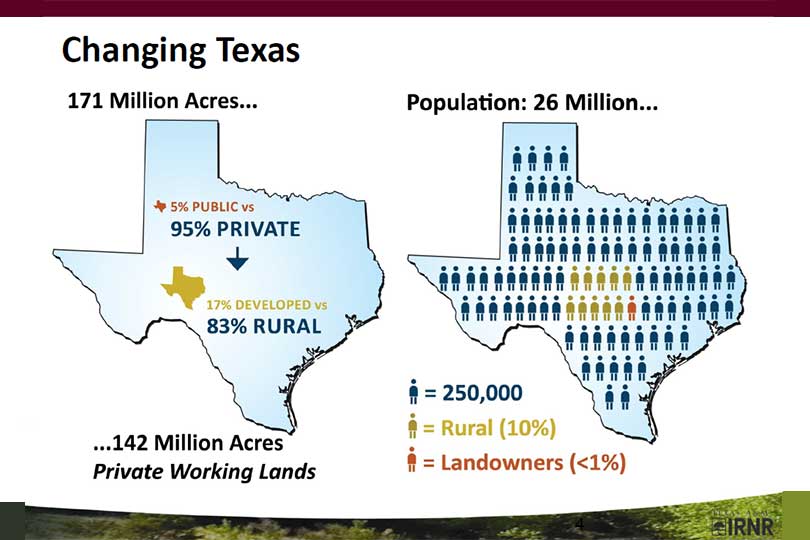
This colossal acreage isn’t just a fun fact for trivia buffs; it’s the fundamental canvas upon which countless travel adventures, unique accommodations, rich cultural explorations, and diverse lifestyles are painted. From the sun-drenched beaches of its Gulf Coast to the majestic peaks of its western mountains, and from its bustling metropolitan hubs to its serene ranchlands, every acre of Texas tells a story. For travelers, this vastness means an endless array of destinations and attractions, while for those seeking a temporary home, it offers an unparalleled spectrum of accommodation options.
The Lone Star State’s Immense Scale: A Traveler’s Perspective
Understanding the vastness of Texas is crucial for anyone planning a visit, considering a move, or simply marveling at its geographical significance. This immense size directly influences travel planning, the availability of diverse tourism activities, and the very fabric of the Texan lifestyle. It’s a land where one can drive for hours and still be within the same state, witnessing dramatic shifts in landscape, culture, and climate.
Unpacking the Numbers: Texas’s Geographic Footprint
To put 171.9 million acres into perspective, consider that Texas is larger than many European nations combined. It’s roughly twice the size of Germany, significantly larger than France, and encompasses an area comparable to the entire country of Afghanistan. Within the United States, only Alaska surpasses it in land area. This scale means that a trip across Texas is not merely a drive; it’s an epic journey.
The state’s immense geographical footprint means that its climate zones are incredibly varied. The western desert regions experience arid conditions, while the eastern piney woods are humid and lush. The Gulf Coast boasts subtropical warmth, and the northern panhandle can experience harsh winters. This climatic diversity, spread across millions of acres, directly impacts the types of outdoor activities available, the best times to visit different regions, and even the local cuisine and culture that have evolved within these distinct environments. Understanding these regional differences is key to fully appreciating the rich tapestry that is Texas tourism.
A Mosaic of Landscapes: From Deserts to Beaches
The 171.9 million acres of Texas are far from homogenous; they are a breathtaking mosaic of ecological zones and natural wonders. This diversity is a primary draw for travelers, offering a smorgasbord of natural attractions and outdoor experiences.
To the west, the Chihuahuan Desert stretches across vast expanses, home to dramatic mountain ranges like those found in Big Bend National Park and Guadalupe Mountains National Park. These areas are perfect for adventurers seeking hiking, stargazing, and unparalleled solitude. Further south along the U.S.-Mexico border, the rugged beauty of the desert unfolds, offering a stark contrast to other parts of the state.
Moving eastward, the landscape gradually transforms into the rolling hills and spring-fed rivers of the Texas Hill Country, a picturesque region known for its vineyards, charming small towns like Fredericksburg, and abundant wildflowers. This area is a popular destination for scenic drives, wine tasting tours, and outdoor recreation such as swimming and tubing in its numerous rivers.
Further east still lies the Piney Woods, a dense forest region reminiscent of the American South, characterized by tall pines, cypress swamps, and serene lakes like Caddo Lake. This area offers opportunities for fishing, boating, and enjoying lush, green landscapes.
Finally, along the southeastern edge, the Texas Gulf Coast beckons with miles of sandy beaches, barrier islands, and vibrant coastal cities. Padre Island National Seashore, the longest undeveloped barrier island in the world, offers unique opportunities for birdwatching, shelling, and beach camping. This incredible natural diversity across millions of acres ensures that every traveler can find their ideal outdoor escape, from rugged mountain trails to tranquil coastal shores.
Navigating the Vastness: Travel and Accommodation Insights
The sheer number of acres in Texas has profound implications for how one travels through the state and where one chooses to stay. Whether it’s a short city break or an extended road trip across multiple regions, logistics and accommodation choices are paramount.
Major Cities and Their Unique Appeals
Within its vast 171.9 million acres, Texas hosts some of the largest and most dynamic cities in the United States, each offering a distinct urban experience.
- Houston, the largest city in Texas, is a global hub for energy, space exploration, and medical innovation. Attractions like the NASA Johnson Space Center draw visitors worldwide, while its vibrant culinary scene and diverse cultural institutions offer endless exploration. Accommodation ranges from luxury downtown hotels to extended-stay apartments perfect for business travelers.
- Dallas, a beacon of modern architecture and upscale living, is renowned for its arts district, high-end shopping, and the historic Sixth Floor Museum at Dealey Plaza. Its metropolitan appeal is complemented by a thriving hotel scene, from boutique properties to grand resorts catering to both leisure and business guests.
- Austin, the state capital, famously proclaims “Keep Austin Weird,” living up to its reputation as a live music capital and a mecca for outdoor enthusiasts and foodies. The city boasts an eclectic mix of accommodations, from trendy downtown hotels near the State Capitol to quirky vacation rentals by Lady Bird Lake.
- San Antonio, rich in history and Mexican heritage, is home to iconic landmarks such as the Alamo and the picturesque Riverwalk. Its charm attracts millions of tourists annually, reflected in a wide range of hotels, from historic gems on the Riverwalk to family-friendly resorts.
- Fort Worth, embodying the spirit of the “Wild West,” offers a taste of traditional Texas culture with its Stockyards National Historic District and world-class museums. Visitors can find accommodations that blend modern comfort with rustic charm.
- El Paso, situated at the westernmost tip of Texas, offers a unique blend of American and Mexican cultures, framed by the Franklin Mountains. Its strategic location offers a gateway to desert adventures and cross-border experiences.
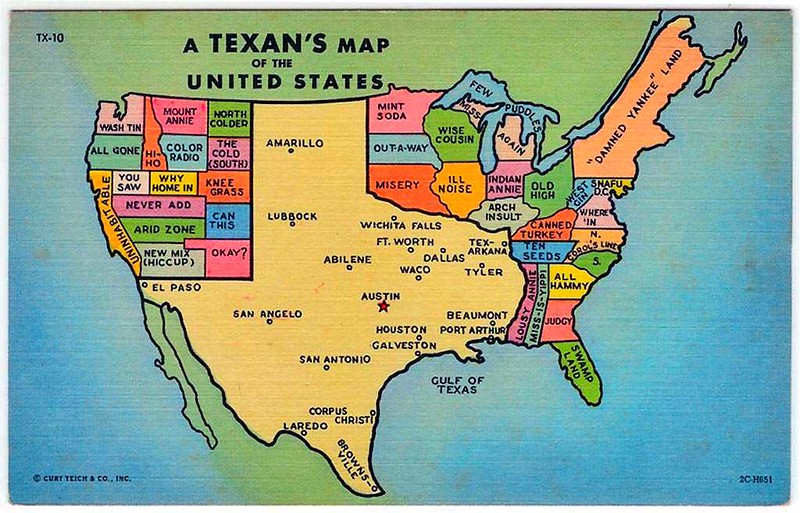
Each city, while distinctly Texan, contributes to the overall mosaic of the state, showcasing how urban life thrives across its vast landscape. The choice of where to stay often depends on the type of experience a traveler is seeking, from bustling city breaks to tranquil suburban escapes.
Diverse Stays: Hotels, Resorts, and Beyond
The extensive acres of Texas support an incredibly diverse accommodation landscape, catering to every preference and budget. Whether you’re planning a luxury travel experience, a budget-conscious family trip, or a long-term business stay, Texas has options.
- Luxury Resorts: In cities like Dallas and Houston, opulent hotels and resorts offer world-class amenities, fine dining, and spas. Outside the urban centers, expansive ranch resorts in the Hill Country provide upscale experiences with horseback riding, golf, and gourmet Texas cuisine.
- Boutique Hotels: Smaller, independently owned hotels and guesthouses thrive in historic districts and charming towns like Fredericksburg and Galveston. These often offer unique character, personalized service, and a deep connection to the local culture.
- Apartments and Villas: For longer stays, families, or groups, apartment-style accommodations and private villas are readily available, particularly in major cities and popular vacation spots. These offer the comfort and convenience of home, often with kitchen facilities and more space.
- Budget-Friendly Options: Throughout the state, numerous motels, economy hotels, and campgrounds provide affordable accommodation for travelers on a tighter budget. Road trippers will find plenty of convenient stops along major highways.
- Unique Stays: The vastness of Texas also allows for truly unique accommodation experiences, from glamping in the desert to cabin rentals by a lake, or even stays on working ranches. These options offer a deeper immersion into the natural beauty and rustic charm of the state.
The sheer volume of choices means that booking and comparison websites are invaluable tools for finding the perfect stay. Reviews offer insights into quality and experience, ensuring travelers can make informed decisions about their accommodation, whether for a quick overnight stop or an extended exploration of the Lone Star State.
Embracing the Texas Lifestyle: Culture, Activities, and Landmarks
The 171.9 million acres of Texas are not just geography; they are the stage for a vibrant and diverse lifestyle, shaped by centuries of history, a blend of cultures, and an enduring independent spirit. This expansive landscape provides an unparalleled backdrop for both everyday living and extraordinary adventures.
Culinary Journeys and Cultural Experiences
The vastness of Texas contributes to an incredibly rich and varied cultural landscape, reflected vividly in its culinary scene. From the panhandle to the Gulf Coast, distinct regional flavors and traditions have emerged.
- Barbecue: A quintessential Texas experience, barbecue varies by region, from the smoked brisket of Central Texas (think places like Lockhart and Taylor) to the diverse offerings found in Houston and Dallas. It’s more than just food; it’s a social event, a pitmaster’s craft, and a cornerstone of local culture.
- Tex-Mex: A delicious fusion of Mexican and American flavors, Tex-Mex cuisine is omnipresent, particularly in cities like San Antonio and El Paso. From sizzling fajitas to cheesy enchiladas, it’s a comfort food staple that speaks to the state’s historical ties with Mexico.
- German and Czech Heritage: In towns across the Hill Country like Fredericksburg and New Braunfels, and in areas like the “Czech Belt,” you’ll find distinct European influences in food (e.g., kolaches, schnitzel) and festivals, showcasing a lesser-known but equally rich layer of Texan culture.
- Coastal Seafood: Along the Gulf Coast, fresh seafood takes center stage, with shrimp, oysters, and various fish prepared in a myriad of ways, from Cajun-influenced dishes to classic fried platters.
Beyond food, Texas offers a calendar full of activities and festivals that celebrate its diverse heritage. From rodeos in Fort Worth to vibrant music festivals in Austin, and from historical reenactments at the Alamo to art walks in Houston’s museum district, there’s always something happening. These local activities provide invaluable tips for experiencing the authentic pulse of Texas.
Iconic Landmarks and Outdoor Adventures
The 171.9 million acres of Texas are dotted with landmarks that tell tales of its storied past and showcase its natural grandeur. For those who love nature, the options are boundless.
- Historical Landmarks: The Alamo in San Antonio is arguably the most famous, a symbol of Texan independence. The State Capitol in Austin, an architectural marvel, and the historic Stockyards in Fort Worth also stand as testaments to the state’s rich history.
- Natural Wonders: Big Bend National Park, spanning over 800,000 acres, offers dramatic desert landscapes, deep canyons, and diverse wildlife. Guadalupe Mountains National Park is home to the highest peak in Texas and pristine wilderness. The Hill Country is famous for its natural swimming holes like Hamilton Pool Preserve and Jacob’s Well. The pristine beaches of Padre Island National Seashore offer a coastal escape.
- Unique Attractions: For something quirky, the Cadillac Ranch near Amarillo offers an unusual art installation in the middle of a vast field.
Outdoor activities abound across these acres. Hiking and backpacking in the national parks, kayaking and paddleboarding on urban rivers, fishing in hundreds of lakes and along the coast, birdwatching, mountain biking – Texas is a playground for adventurers of all types. The sheer space allows for sprawling parks, vast wilderness areas, and a multitude of organized recreational activities, making it a prime destination for nature lovers and adrenaline seekers alike.
Planning Your Texas Adventure: Tips for Every Traveler
Given its enormous size of approximately 171,892,800 acres, planning a trip to Texas requires careful consideration. It’s not a destination you can simply “pop over to” and see in a weekend, unless you’re focusing on a very specific region. The logistics of covering such vast distances, combined with the variety of experiences on offer, means that a well-thought-out itinerary can significantly enhance your travel experience.
Budgeting and Logistics for Long-Haul Explorations
The scale of Texas directly impacts both the budget and logistics of travel.
- Transportation: Driving is often the most practical way to explore Texas. Renting a car is highly recommended for flexibility, especially if you plan to visit multiple cities or natural attractions. Be prepared for long drives between destinations; a road trip from El Paso to Houston is roughly a 12-hour drive alone. Consider fuel costs, which can add up over hundreds or thousands of miles. For inter-state travel, domestic flights connecting major hubs like Dallas/Fort Worth International Airport (DFW) or Houston’s George Bush Intercontinental Airport (IAH) are efficient for covering vast distances quickly.
- Time Allocation: Don’t underestimate the time needed to travel between regions. A suggested minimum for a comprehensive Texas road trip would be 1-2 weeks, ideally more, to truly savor different areas without rushing. Focus on specific regions if your time is limited, for example, a trip dedicated to the Hill Country and Austin, or the Gulf Coast and Houston.
- Budgeting for Stays: Accommodation costs vary widely across the state. Luxury hotels in downtown Dallas will be pricier than a motel in a smaller town. However, the sheer quantity of options ensures that budget travel is entirely feasible, especially with options like camping in state parks or staying in more affordable chain hotels found in abundance. Always book accommodations in advance, particularly during peak seasons or major events, to secure the best rates and availability. Utilizing comparison sites and checking reviews can help stretch your budget further.
Discovering Hidden Gems in the Expansive Landscape
The vastness of Texas means that beyond the well-trodden tourist paths, there are countless hidden gems waiting to be discovered across its millions of acres. This is where the true spirit of adventure and local culture can be found.
- Small Towns: Venture off the main highways into charming small towns that preserve unique cultural legacies, from the German heritage of Comfort to the historic architecture of Jefferson. These towns often host local festivals, offer unique antique shops, and provide a glimpse into authentic Texan life.
- State Parks and Natural Areas: While national parks are grand, Texas boasts over 80 state parks and natural areas, many of which are less crowded but equally stunning. Places like Palo Duro Canyon State Park (the second-largest canyon in the United States), and Caprock Canyon State Park (home to the Official State Bison Herd of Texas) offer incredible hiking, camping, and wildlife viewing opportunities across vast acreages.
- Culinary Trails: Beyond the major cities, explore specific culinary trails like the BBQ trail through Central Texas or the wine trails in the Hill Country. These offer a deeper dive into Texas’s food and drink culture, often leading to encounters with passionate local producers.
- Unique Experiences: Seek out experiences that are distinctly Texan – attend a small-town rodeo, visit a local honky-tonk for live country music, explore a ghost town in West Texas, or spend a day fishing on one of the many lakes.
The immense 171,892,800 acres of Texas offer a truly unparalleled range of experiences for every type of traveler. From the excitement of its major cities to the serenity of its national parks, from its rich history to its vibrant future, Texas stands as a monumental destination, inviting exploration, discovery, and countless memorable adventures. Planning your journey with an awareness of its grand scale will ensure a rich and rewarding exploration of the Lone Star State.
LifeOutOfTheBox is a participant in the Amazon Services LLC Associates Program, an affiliate advertising program designed to provide a means for sites to earn advertising fees by advertising and linking to Amazon.com. Amazon, the Amazon logo, AmazonSupply, and the AmazonSupply logo are trademarks of Amazon.com, Inc. or its affiliates. As an Amazon Associate we earn affiliate commissions from qualifying purchases.