
The vibrant metropolis of Houston, Texas, a sprawling hub of culture, industry, and innovation, serves as a crucial gateway for millions of travelers each year. From business professionals heading to the Texas Medical Center to families embarking on a Texan adventure, understanding the city’s aviation landscape is key to seamless travel planning. When considering air travel to or from this dynamic destination, a common question arises: “How many airports does Houston have?” The answer is multifaceted, reflecting Houston’s role as a major domestic and international nexus, accommodating everything from colossal passenger jets to private executive aircraft.
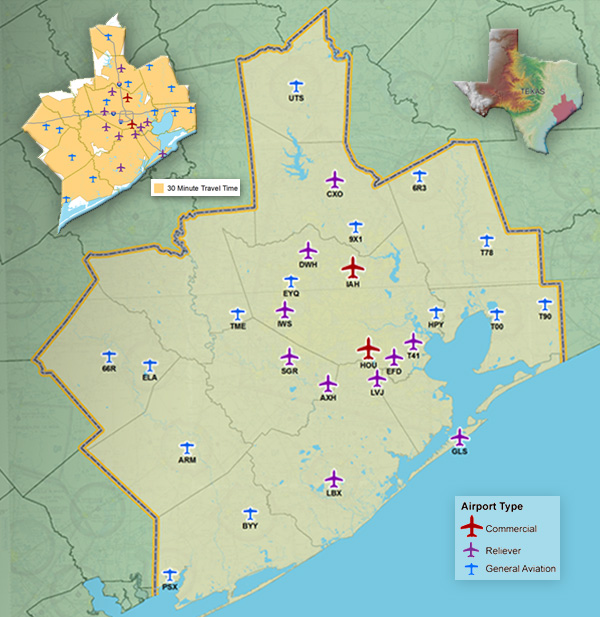
While Houston boasts several airfields, two stand out as the primary commercial airports handling the vast majority of passenger traffic: George Bush Intercontinental Airport (IAH) and William P. Hobby Airport (HOU). These two powerhouses are complemented by a network of smaller general aviation airports that play vital roles in supporting the region’s diverse needs, from corporate travel to flight training. Navigating these options effectively can significantly enhance your travel experience, whether you’re seeking the most direct international route or a convenient domestic connection for a family trip. This comprehensive guide will delve into each of Houston’s airports, helping you determine which one best suits your travel style and itinerary, while also exploring the accommodation and lifestyle options that surround them.
Houston’s Major Commercial Airports: Gateways to the Lone Star State
Houston’s two primary commercial airports are not just points of transit; they are integral components of the city’s identity, each offering distinct advantages and experiences. These modern facilities are equipped to handle millions of passengers annually, connecting the Lone Star State to destinations across the globe and every corner of the United States. Understanding the unique characteristics of IAH and HOU is essential for anyone planning a visit, be it for tourism, business, or a long-term stay.
George Bush Intercontinental Airport (IAH): A Global Hub
Located approximately 23 miles north of Downtown Houston, George Bush Intercontinental Airport (IAH) is the city’s largest and busiest airport, serving as a major international gateway for Texas and the southern United States. IAH is a hub for United Airlines and a key member of the Star Alliance, offering an extensive network of domestic and international flights. Its sheer size and scope cater to a wide array of travelers, particularly those seeking global connectivity or those embarking on a luxury travel experience.
IAH boasts five terminals (A, B, C, D, E), all interconnected by the Skyway automated people mover and a subterranean Inter-terminal Train, ensuring relatively smooth transitions for connecting passengers. The airport handles over 40 million passengers annually, with direct flights to more than 180 destinations worldwide, including major cities across Europe, Asia, Latin America, and the Caribbean. This extensive reach makes IAH an indispensable asset for international tourism and robust business stays. For travelers flying into IAH, the options for experiences are vast, ranging from exploring Houston’s vibrant local culture to embarking on adventures further afield.
The amenities at IAH are designed to cater to the diverse needs of its global clientele. Passengers can find an impressive array of dining options, from quick bites to upscale restaurants, alongside duty-free shopping, luxury boutiques, and essential services like currency exchange and car rental agencies. For those on business trips, several airline lounges offer quiet workspaces, complimentary refreshments, and premium services. Travelers with longer layovers or early morning departures will appreciate the convenient on-site accommodation options, such as the Houston Airport Marriott at George Bush Intercontinental, which is directly connected to Terminal B via a Skywalk, offering comfortable suites and resort-like amenities. Numerous other hotels, including the Hilton Houston North and Marriott Courtyard, are just a short shuttle ride away, providing diverse accommodation choices to suit every budget and preference. IAH truly embodies the modern travel experience, blending convenience with comprehensive services.
William P. Hobby Airport (HOU): A Convenient Choice
Located approximately 11 miles south of Downtown Houston, William P. Hobby Airport (HOU) offers a more compact and often more convenient alternative for domestic travelers. Historically significant as Houston’s original airport, HOU is known for its efficiency and user-friendly design. It primarily serves as a focus city for Southwest Airlines, making it a preferred choice for budget-conscious travelers, family trips, and those flying to destinations predominantly within the United States, Mexico, and the Caribbean.
HOU has consistently received high marks for customer satisfaction, partly due to its single-terminal layout which simplifies navigation and minimizes walking distances. While smaller than IAH, HOU is far from limited, handling over 14 million passengers annually. Its domestic focus and the strong presence of low-cost carriers make it an excellent option for travelers prioritizing affordability and direct flights to popular vacation spots and major U.S. cities. For those visiting attractions like the NASA Johnson Space Center or Space Center Houston, HOU’s southern location can offer a slightly shorter drive.
The airport features a good selection of dining establishments, from fast food to casual sit-down restaurants, alongside various retail stores. While it doesn’t have an on-site hotel directly connected to the terminal like IAH, numerous hotel brands are located just minutes away, offering shuttle services. These nearby accommodations range from extended-stay apartments perfect for long-term stays to comfortable suites ideal for a quick overnight before an early flight. HOU’s accessibility to central Houston and popular attractions makes it an attractive option for tourists looking to dive straight into local culture and experiences without extensive travel from the airport.
Beyond the Big Two: General Aviation and Executive Airports
While IAH and HOU handle the lion’s share of commercial passenger traffic, Houston’s robust aviation ecosystem extends to several other airports dedicated to general aviation, corporate flights, and military operations. These facilities are crucial for the region’s economy, supporting everything from private jet travel for business stays to flight training and emergency services.
Supporting Houston’s Diverse Aviation Needs
Beyond the commercial giants, several other airports contribute significantly to Houston’s impressive air infrastructure:
- Ellington Field Joint Reserve Base (EJA): Located southeast of Houston, EJA serves as a joint military and general aviation airfield. It plays a critical role in defense, homeland security, and provides facilities for NASA’s aircraft operations, including those related to Space Center Houston. While not a commercial airport for public passenger service, it hosts the annual Wings Over Houston Airshow, a major local attraction that draws large crowds and celebrates aviation history.
- Sugar Land Regional Airport (SGR): Situated in Sugar Land, a rapidly growing suburb southwest of Houston, SGR is primarily an executive general aviation airport. It caters to corporate and private aircraft, offering a convenient alternative for business travelers heading to the thriving commercial centers in the area. This airport is often preferred by those seeking luxury travel options and personalized services, avoiding the larger commercial hubs.
- David Wayne Hooks Memorial Airport (DWH): Located northwest of Houston, DWH is one of the busiest general aviation airports in Texas. It serves a diverse clientele, including private aircraft owners, charter services, and flight schools. Its numerous facilities make it a popular choice for those involved in aviation training and regional business travel, demonstrating Houston’s commitment to supporting various aviation segments.
- West Houston Airport (IWS): Found on the western side of the city, IWS is another prominent general aviation airport primarily serving private aircraft and flight training. It offers a convenient location for residents and businesses in the western Houston area, further decentralizing air traffic and providing specialized services tailored to private and recreational flyers.

These regional airports underscore Houston’s extensive reach in the aviation sector, offering tailored services that complement the major commercial hubs. They are vital for executive travel, fostering local culture through airshows, and contributing to the overall lifestyle of residents who engage in recreational flying or require specialized air services.
Choosing Your Houston Airport: A Traveler’s Guide
Deciding which Houston airport to fly into can significantly impact the ease and enjoyment of your trip. The choice often comes down to a few critical factors, each weighing differently based on your travel objectives, budget, and desired experiences. A thoughtful comparison can save you time, money, and stress, enhancing your overall travel guide experience.
Factors to Consider for Your Trip
When planning your journey, keep the following considerations in mind:
- Destination Proximity: Where in Houston are you headed? IAH is north of the city, making it ideal for destinations like The Woodlands or northern suburbs. HOU is south, closer to Downtown Houston, the Texas Medical Center, NASA Johnson Space Center, and the popular coastal city of Galveston. Using a mapping app to check travel times to your final destination from both airports can be incredibly helpful.
- Airline Preference and Route Availability: If you have a preferred airline, your choice might be made for you. United Airlines has a strong presence at IAH, offering a vast array of international and domestic routes. Southwest Airlines is the dominant carrier at HOU, known for its extensive domestic network and competitive fares, making it a favorite for family trips and budget travel.
- Cost of Flights: Flight prices can vary significantly between the two airports, even for similar destinations. Often, HOU might offer more budget-friendly options due to the presence of low-cost carriers. However, IAH can sometimes have competitive international fares. Always compare prices to ensure the best deal for your travel.
- Ground Transportation: Consider how you plan to get to and from the airport. Both airports offer rental cars, taxis, and ride-sharing services like Uber and Lyft. IAH also has a METRO bus service connecting to downtown, while HOU provides access to the MetroRail via bus connections, offering public transport options for travelers seeking to avoid rental car costs. The distance from the city center means that ground transportation costs, whether for a taxi, ride-share, or public transport, should be factored into your overall travel budget.
- Travel Experience: Are you seeking a bustling international hub with extensive amenities and lounge access, or a more streamlined, quicker experience? IAH offers the former, while HOU typically provides the latter. Your personal travel style, whether it leans towards luxury travel or a more practical budget travel approach, will heavily influence this choice.
Navigating to and from Houston’s Airports
Once you’ve chosen your airport, understanding the best ways to get to and from it is crucial for a smooth arrival and departure.
- Rental Cars: Both IAH and HOU have consolidated rental car facilities, accessible via shuttle bus from the terminals. Booking in advance is always recommended, especially during peak travel seasons, to ensure availability and potentially better rates.
- Ride-Sharing and Taxis: Uber, Lyft, and traditional taxi services are readily available at both airports. Designated pick-up zones are clearly marked. This is a convenient option for many, especially if you have luggage or are traveling in a group.
- Public Transportation: From IAH, METRO bus route 102 provides service to Downtown Houston and the METRORail light rail system. From HOU, several METRO bus routes connect to various parts of the city, including direct service to the METRORail Red Line, which offers access to Downtown Houston, the Texas Medical Center, and the Museum District. These options are economical for budget travel, though they may take longer than private transport.
- Airport Shuttles: Many hotels near both airports offer complimentary shuttle services. Additionally, private shuttle companies provide shared-ride or private transfers to various locations around Houston and beyond, including Galveston.
Enhancing Your Houston Airport Experience: Hotels and Amenities
A comfortable airport experience extends beyond the terminal, particularly for those with early flights, late arrivals, or long layovers. Houston’s airports are surrounded by a wealth of accommodation options and in-terminal amenities designed to cater to every traveler’s needs, whether you’re on a business trip, a family vacation, or exploring local culture.
On-site and Nearby Accommodation Options
The availability of hotels near Houston’s airports is a significant advantage for travelers. These range from luxury hotels offering resort-like amenities to budget-friendly suites perfect for an overnight stay.
- At IAH: The Houston Airport Marriott at George Bush Intercontinental is directly connected to the airport, providing unparalleled convenience. It’s an ideal choice for business travelers needing immediate access to terminals or for those seeking luxury travel experiences during a layover. Nearby, a plethora of hotel options cater to different budgets and preferences. You’ll find well-known brands like Hilton Houston North, Marriott Courtyard, and Holiday Inn Express, offering comfortable rooms, suites, and often shuttle services to and from the airport. Many of these hotels also provide amenities like complimentary breakfast, fitness centers, and business services, making them suitable for both short stays and longer accommodation needs.
- At HOU: While there isn’t a hotel directly attached to the terminal, William P. Hobby Airport is surrounded by numerous hotels just a short drive away. Options include various suites and extended-stay hotels, which are great for family trips or those seeking more space and kitchenettes. These accommodations are excellent for travelers wanting easy access to the airport without being far from Downtown Houston and its attractions. Booking in advance is always recommended, especially during peak travel times, to compare reviews and find the best deals.

Dining, Shopping, and Services
Both IAH and HOU have made significant strides in enhancing their in-terminal offerings to improve the overall passenger experience.
- Dining: From quick-service cafes and fast-food favorites to sit-down restaurants offering local flavors and international cuisine, both airports provide diverse dining experiences. Travelers can enjoy Texan BBQ, Mexican dishes, or classic American fare before their flight.
- Shopping: IAH, as an international hub, features a wider array of shopping, including duty-free stores, luxury brands, and various retail outlets for last-minute souvenirs or travel essentials. HOU offers a more curated selection of shops, focusing on convenience items, newsstands, and local gifts.
- Lounges: At IAH, premium travelers can access various airline lounges (e.g., United Airlines Polaris Lounge, Centurion Lounge), offering a quiet retreat, complimentary food and beverages, and business facilities. While HOU has fewer lounge options, it provides comfortable gate areas and a generally less crowded atmosphere.
- Other Services: Both airports offer essential services such as ATMs, currency exchange (primarily at IAH), information desks, pet relief areas, and free Wi-Fi. Car rental agencies are conveniently located, and both airports are continuously working to introduce new amenities that cater to modern traveler expectations, from interactive art installations to wellness facilities, ensuring a pleasant journey from start to finish.
In conclusion, Houston, Texas, is served by a comprehensive network of airports, with George Bush Intercontinental Airport (IAH) and William P. Hobby Airport (HOU) as the primary commercial hubs. Backed by several general aviation fields like Ellington Field Joint Reserve Base and Sugar Land Regional Airport, Houston’s aviation infrastructure is robust and designed to meet every conceivable travel need. Whether you’re flying for business, leisure, or family trips, choosing the right airport and understanding its offerings, from hotels and accommodation to ground transportation and in-terminal services, will ensure your visit to this dynamic city is as smooth and enjoyable as possible.
LifeOutOfTheBox is a participant in the Amazon Services LLC Associates Program, an affiliate advertising program designed to provide a means for sites to earn advertising fees by advertising and linking to Amazon.com. Amazon, the Amazon logo, AmazonSupply, and the AmazonSupply logo are trademarks of Amazon.com, Inc. or its affiliates. As an Amazon Associate we earn affiliate commissions from qualifying purchases.