
The question “How many miles across is Texas?” is more than just a geographical query; it’s an invitation to embark on an epic journey, a challenge to explore a state so vast it feels like a country unto itself. For avid travelers, aspiring explorers, and anyone captivated by the sheer scale of the United States, understanding the dimensions of the Lone Star State is the first step in appreciating its profound travel potential. Far from a simple numerical answer, the distance across Texas unveils a tapestry of diverse landscapes, vibrant cultures, and countless attractions that beckon adventurers to experience its breadth, depth, and spirit.
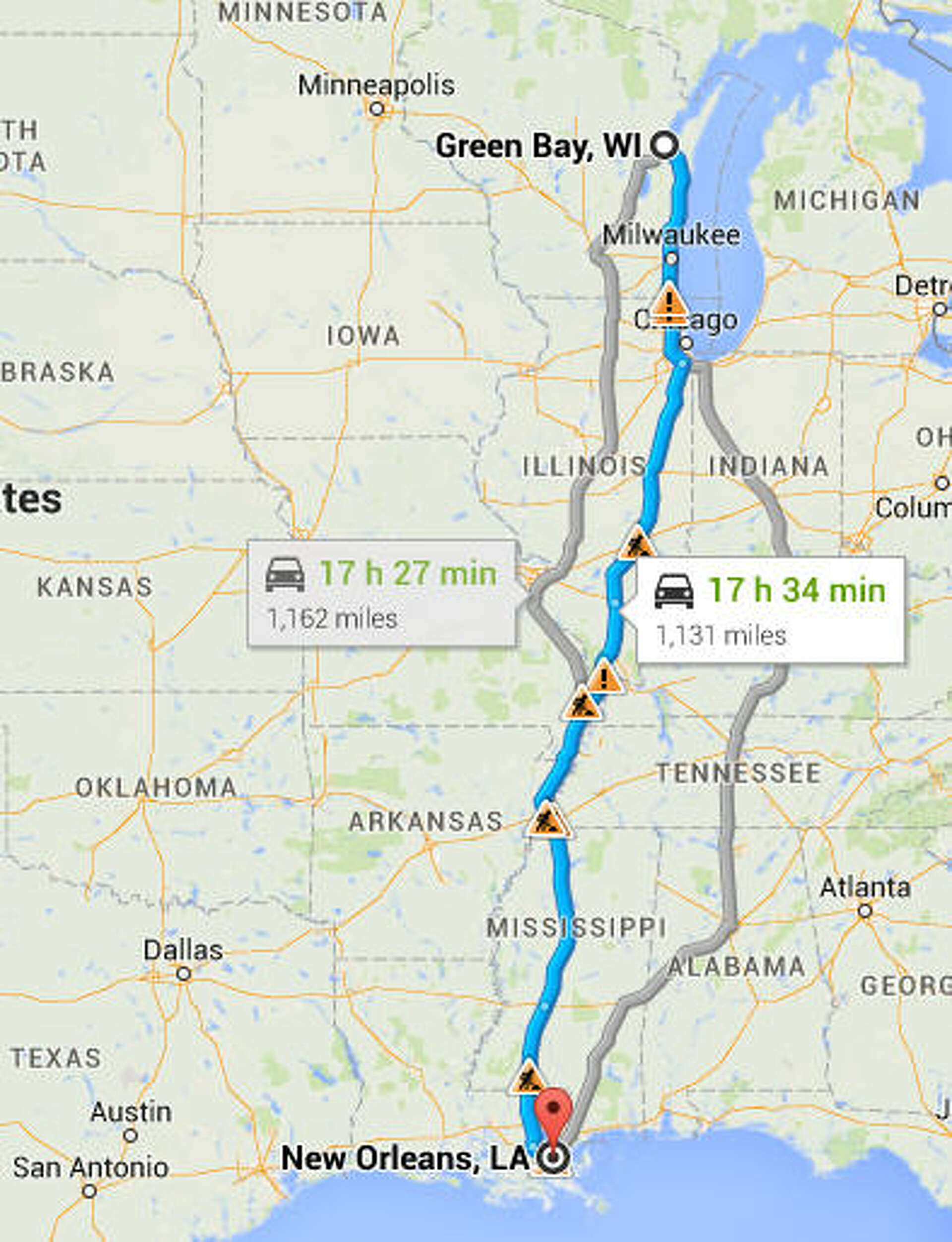
This article delves beyond the mileage, transforming a basic fact into a comprehensive guide for planning an unforgettable Texas expedition. We’ll explore the implications of its vastness for travelers, highlighting everything from iconic landmarks and unique destinations to the best accommodation options and lifestyle experiences that cater to every type of visitor. Whether you’re considering a grand road trip, a series of focused excursions, or an immersive cultural deep-dive, the sheer scale of Texas promises an adventure unlike any other.
The Vastness of the Lone Star State: A Geographic Marvel
To truly grasp the essence of Texas, one must first acknowledge its monumental size. It is the second-largest state in the United States by both land area and population, a distinction that immediately suggests an unparalleled range of experiences.
Geographical Dimensions and Travel Implications
At its widest point, from east to west, Texas spans approximately 773 miles (1,244 kilometers). This measurement, typically taken from the border with Louisiana in the east to the western edge near El Paso, covers an incredible spectrum of ecosystems and cultural zones. From north to south, its length is equally impressive, reaching about 801 miles (1,289 kilometers), stretching from the panhandle’s border with Oklahoma down to the subtropical shores of the Gulf of Mexico near South Padre Island.
What do these numbers mean for a traveler? They mean that crossing Texas is not a quick day trip; it is an expedition demanding careful planning, offering ample opportunities for discovery, and promising a diversity of scenery that few other places can match. A drive from Texarkana to El Paso could easily take 12-14 hours of continuous driving, highlighting the need to break up the journey, explore along the way, and embrace the concept of slow travel. This vastness necessitates a strategic approach to planning your Texas itinerary, transforming a simple drive into a multi-day adventure filled with destinations, attractions, and unique experiences.
Crossing Texas: A Journey Through Diverse Landscapes
The extensive mileage across Texas isn’t just empty space; it encompasses a remarkable array of geographical regions, each offering its own unique appeal and drawing visitors with distinct attractions. From verdant forests to arid deserts, bustling metropolises to serene coastal retreats, the journey across Texas is a living atlas.
From Piney Woods to Gulf Coast Beaches
Starting in East Texas, travelers will encounter the lush, green expanse of the Piney Woods, an unexpected landscape of towering trees, serene lakes, and a deep-seated Southern charm. Here, destinations like the Davy Crockett National Forest and the Big Thicket National Preserve offer opportunities for hiking, fishing, and connecting with nature. This region’s tranquil beauty is a stark contrast to the lively Gulf Coast just a few hours south.
The Texas Gulf Coast is a vibrant stretch of sandy beaches, barrier islands, and bustling port cities. Galveston stands out with its historic architecture, lively Pleasure Pier, and a variety of resorts and beachfront hotels that cater to family trips. Further south, Corpus Christi provides access to the pristine Padre Island National Seashore, a haven for birdwatching and unspoiled beach experiences. The southernmost tip of the coast is home to South Padre Island, renowned for its vibrant nightlife, water sports, and beautiful resorts perfect for a relaxing getaway.
Central Plains and Hill Country Charms
Moving westward, the landscape transitions into the rolling prairies of the Central Plains and the picturesque Texas Hill Country. This is the heart of Texas culture and a prime region for tourism. Austin, the state capital, is a dynamic city celebrated for its “Live Music Capital of the World” status, eclectic food scene, and numerous outdoor activities along Lady Bird Lake. Austin offers a range of accommodation from trendy boutique hotels like Hotel San Jose to luxurious options such as the Four Seasons Austin, catering to both luxury travel and budget travel enthusiasts.
Just a short drive south lies San Antonio, a city steeped in history and vibrant local culture. Its crown jewels include The Alamo, a powerful symbol of Texas independence, and the iconic Riverwalk, a network of pedestrian pathways lined with restaurants, shops, and hotels like Hotel Emma at the Pearl District. The surrounding Texas Hill Country boasts charming towns like Fredericksburg, known for its burgeoning wine industry, and natural wonders like Enchanted Rock State Natural Area. Here, travelers can find unique accommodation ranging from cozy bed and breakfasts to private villas perfect for a tranquil escape.
West Texas Wonders: Deserts and Mountains
The vast distances truly become apparent as you venture into West Texas, a region characterized by its rugged beauty, expansive deserts, and majestic mountain ranges. This part of the state offers a stark contrast to the lush east and central regions, providing an unparalleled sense of solitude and natural grandeur. The undisputed jewel of West Texas is Big Bend National Park, a remote wilderness offering dramatic canyons, desert flora and fauna, and dark night skies perfect for stargazing. Accommodation within and near the park often leans towards rustic lodges or camping, appealing to those seeking an authentic wilderness experience.
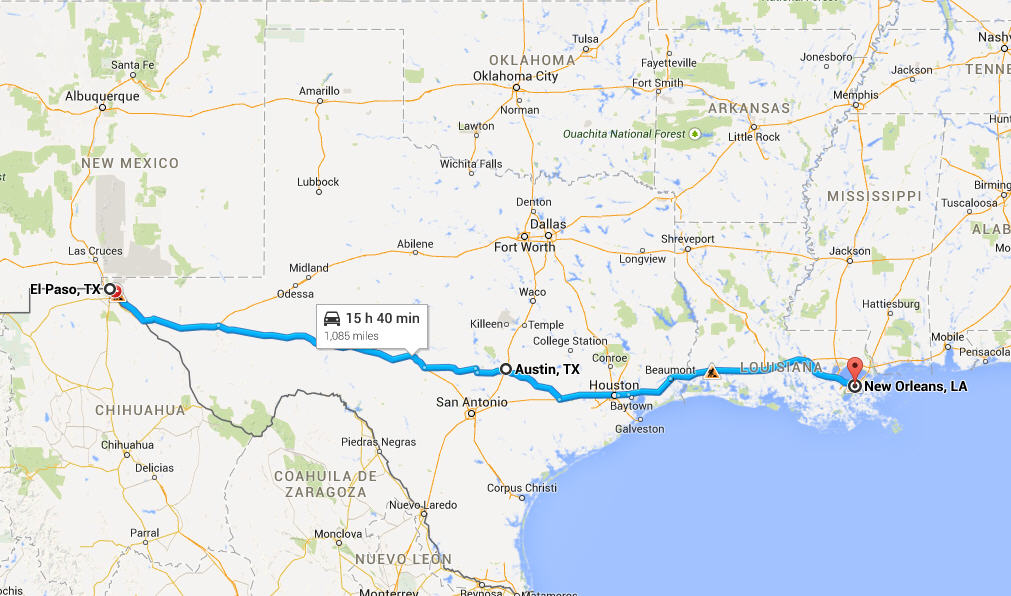
Further west, El Paso stands as a vibrant border city, offering a unique blend of American and Mexican cultures. Its rich history, delicious Tex-Mex food, and stunning mountain backdrop make it a compelling stop for travelers crossing the state. Nearby, the Franklin Mountains State Park provides hiking trails and panoramic views.
Panhandle Plains and North Texas Hubs
To the north, the Texas Panhandle presents a landscape of endless plains, deep canyons, and a strong sense of cowboy heritage. Amarillo is the region’s largest city and a popular stop on historic Route 66, home to the quirky Cadillac Ranch and the impressive Palo Duro Canyon State Park, often referred to as the “Grand Canyon of Texas.”
Slightly southeast, the Dallas-Fort Worth Metroplex serves as a bustling economic and cultural hub. Dallas offers a sophisticated urban lifestyle with world-class dining, upscale shopping, and a vibrant arts scene, including the renowned Dallas Arts District. Sports enthusiasts will appreciate AT&T Stadium, home of the Dallas Cowboys. Luxury hotels and suites abound here, catering to business stays and luxury travel alike. Fort Worth, on the other hand, embraces its Western heritage, most famously at the Stockyards National Historic District, where visitors can witness daily cattle drives and experience authentic cowboy culture. Both cities offer a wide array of accommodation options, from historic hotels to modern apartments suitable for long-term stays.
Planning Your Texas Expedition: Accommodation and Lifestyle
Navigating the vastness of Texas requires more than just a map; it demands thoughtful planning, especially when it comes to where you’ll rest your head and how you’ll immerse yourself in the local lifestyle.
Choosing Your Stay Across the State
The extensive distances mean you’ll likely be staying in multiple locations, making smart accommodation choices crucial for a smooth journey. Texas offers a spectrum of lodging options to fit every preference and budget, from opulent resorts to charming boutique hotels and practical motels.
In major cities like Houston and Dallas, you’ll find a plethora of upscale hotels with premium amenities, perfect for business travelers or those indulging in luxury travel. Consider suites in downtown Houston for proximity to the Museum District or Dallas for easy access to shopping and dining. For a more unique experience, San Antonio’s Riverwalk boasts historic hotels like The Menger Hotel and contemporary properties offering scenic views.
The Texas Hill Country excels in boutique hotels and vacation rentals, including cozy apartments or secluded villas that provide a tranquil escape. For adventurers exploring Big Bend National Park or Palo Duro Canyon, rustic lodges and well-equipped campgrounds are the preferred choices. Websites dedicated to booking and comparison can help you find the perfect match, often with insightful reviews to guide your decision. Many visitors opt for a combination of stays, perhaps a luxury resort in Dallas, followed by a charming bed and breakfast in Fredericksburg, and then a wilderness lodge in West Texas.
Travel Styles and Essential Tips
Given the distances, a road trip is arguably the most authentic way to experience Texas. Consider dividing your journey into manageable segments, perhaps focusing on a particular region for several days before moving on. This approach allows for deeper immersion in local culture, exploration of hidden gems, and enjoyment of regional food specialties like Texas BBQ and Tex-Mex.
Key Travel Tips:
- Time Management: Factor in travel time between destinations. A drive that looks short on a map can still take hours.
- Seasonal Considerations: Summers can be intensely hot, especially in West Texas. Spring and fall offer more temperate weather, ideal for outdoor activities and comfortable exploration.
- Fuel Up: Distances between towns in West Texas can be considerable. Plan your fuel stops carefully.
- Stay Hydrated: Always carry plenty of water, especially if you plan on hiking or spending time outdoors.
- Embrace the Journey: The beauty of Texas lies not just in its major landmarks but also in the vast, open spaces and unexpected discoveries along the way. Travel guides often emphasize the need to slow down and savor the unique experience of the open road.
For family trips, look for resorts with kid-friendly amenities and attractions like theme parks in San Antonio or beaches on South Padre Island. Budget travelers can leverage motels, budget-friendly hotels, and even RV parks to keep costs down while still enjoying the wonders of the state.
Beyond the Miles: Experiencing the Heart of Texas
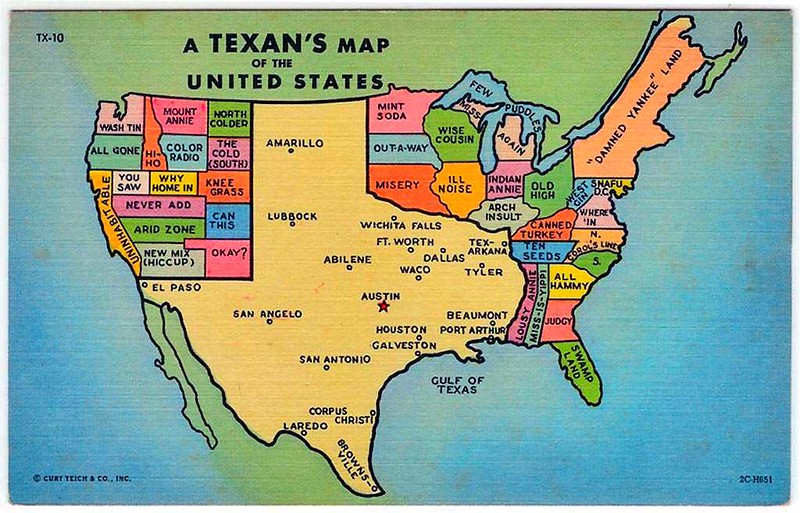
The question of “how many miles across is Texas” ultimately leads to a deeper appreciation for this magnificent state. The numerical answer – nearly 800 miles – only scratches the surface of what it means to traverse this incredible landscape. It’s a journey not merely of distance, but of discovery, transformation, and immersion into a truly distinctive American identity.
Each mile crossed in Texas reveals a new facet of its character, from the towering skyscrapers of Houston and Dallas to the rugged tranquility of Big Bend and the historic charm of San Antonio. It’s a land where cowboy legends meet vibrant urban artistry, where ancient canyons contrast with modern technological hubs, and where diverse cultures blend seamlessly.
Planning your Texas adventure involves more than just mapping out routes; it’s about choosing which experiences to embrace, which landmarks to explore, and which unique accommodations will serve as your home base. Whether you’re seeking a luxurious escape, a budget-friendly road trip, a family vacation packed with attractions, or a solo journey of self-discovery, Texas offers an unparalleled palette of options.
So, when you consider the miles across Texas, remember that each one represents an opportunity. An opportunity to taste incredible food, hear captivating music, witness breathtaking nature, and meet the warm, welcoming people who embody the true spirit of the Lone Star State. The journey is long, but the rewards are immeasurable, promising memories and stories that will last a lifetime.
LifeOutOfTheBox is a participant in the Amazon Services LLC Associates Program, an affiliate advertising program designed to provide a means for sites to earn advertising fees by advertising and linking to Amazon.com. Amazon, the Amazon logo, AmazonSupply, and the AmazonSupply logo are trademarks of Amazon.com, Inc. or its affiliates. As an Amazon Associate we earn affiliate commissions from qualifying purchases.