
In the dynamic landscape of modern living, where every penny counts towards crafting the lifestyle of your dreams – whether that involves luxurious travel, a cozy long-term stay, or exploring new destinations – understanding your financial advantages is paramount. For residents of the Lone Star State, one such significant advantage comes in the form of the Texas Homestead Exemption. This often-underestimated benefit is more than just a reduction in property taxes; it’s a strategic tool that can free up funds, enhance your financial security, and ultimately open doors to more enriching travel and accommodation experiences.
Imagine the possibility of diverting hundreds, or even thousands, of dollars each year from your property tax bill directly into your travel fund, perhaps enabling a weekend getaway to a charming Texas city like Austin or a longer staycation at a serene Texas resort. Or perhaps these savings could contribute to a dream international vacation, a comfortable business trip, or even the initial capital for an extended period of digital nomadism. The Texas Homestead Exemption doesn’t just lighten the load of homeownership; it redefines what’s possible for your personal budget and lifestyle aspirations. This comprehensive guide will delve into the intricacies of this exemption, quantifying its potential savings and illustrating how it can fuel your travel adventures and improve your overall quality of life in Texas.
Understanding the Texas Homestead Exemption: A Foundation for Financial Freedom
At its core, the Texas Homestead Exemption is a provision designed to reduce the taxable value of your primary residence, thereby lowering your annual property tax bill. It’s a vital mechanism that supports homeowners by making living in the state more affordable and sustainable. For those who envision a life rich with exploration and comfortable accommodation, understanding these exemptions is the first step towards optimizing your financial resources. By safeguarding a portion of your income that would otherwise go to taxes, the homestead exemption provides a tangible boost to your discretionary spending, which can directly translate into enhanced travel budgets or improved home amenities that make your primary residence feel like a perpetual retreat.
The Core Savings: Basic & Optional Exemptions
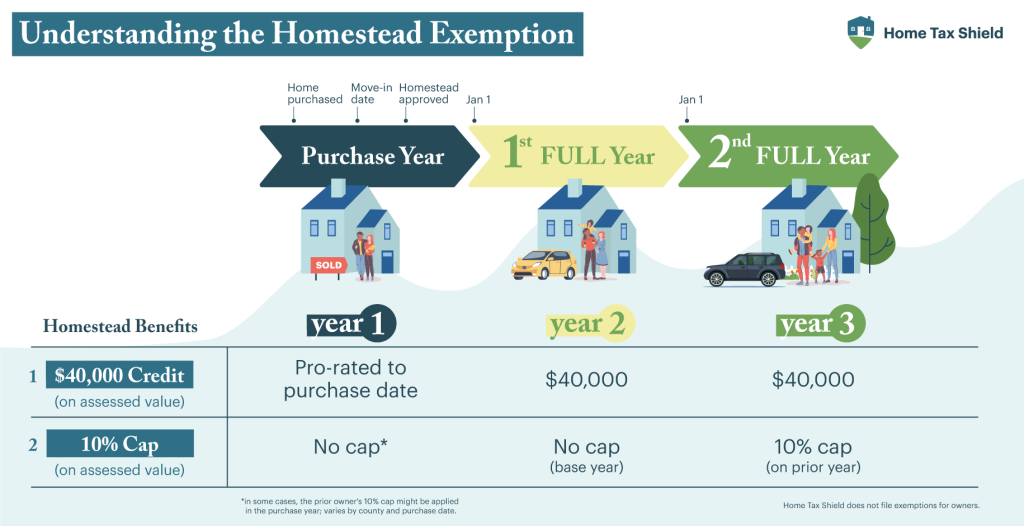
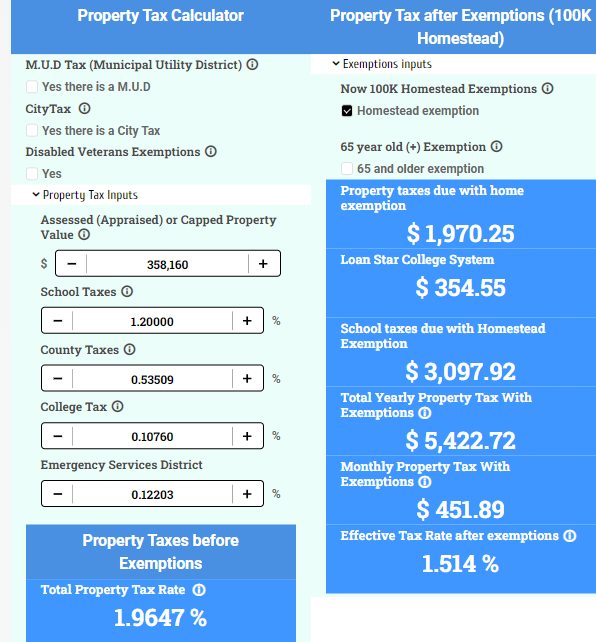
Every homeowner in Texas whose property qualifies as their primary residence is eligible for a basic homestead exemption. The most universally applied and significant is the school tax exemption. All qualified homesteads automatically receive a minimum reduction of $40,000 off their home’s appraised value for school district property taxes. This means that if your home is appraised at $300,000, for school tax purposes, it’s assessed as if it were worth $260,000. Considering that school taxes often represent the largest portion of a Texas property tax bill, this exemption alone provides substantial annual savings.
Beyond this mandatory statewide school tax exemption, many local taxing units – including counties, cities, community colleges, and hospital districts – offer optional homestead exemptions. The amounts of these optional exemptions vary widely by location. For example, some cities might offer a percentage-based exemption, such as 10% of the home’s value, while others might provide a flat dollar amount. To illustrate, in Harris County, residents might benefit from an additional 20% exemption (with a minimum of $5,000) for county taxes. These optional exemptions stack on top of the school tax exemption, further reducing your overall tax burden.
To truly grasp the savings potential, consider a home appraised at $350,000 in a major metropolitan area like Houston or Dallas. With the $40,000 school tax exemption, your taxable value for school districts drops significantly. If local entities also offer exemptions – for instance, a 20% optional exemption from the county and city – the total reduction in taxable value can be quite substantial. This saved money could easily fund an annual family trip to the Texas coast or a series of luxurious weekend getaways, making the dream of consistent travel a more accessible reality.
Enhanced Benefits for Specific Lifestyles: Age 65+ and Disability Exemptions
Texas recognizes the unique financial considerations faced by specific demographic groups, offering enhanced homestead exemptions for those aged 65 and older, and for individuals with disabilities. These exemptions provide additional financial relief, often allowing seniors and disabled residents to remain in their homes comfortably, thereby supporting a stable long-term accommodation solution.
For homeowners who are age 65 or older, or those who are disabled, an additional $10,000 exemption is applied to school district taxes. This means their total school tax exemption becomes $50,000 ($40,000 basic + $10,000 additional).
Perhaps even more impactful for these groups is the tax ceiling on school taxes. Once an age 65+ or disabled exemption is granted, the amount of school property taxes on that homestead cannot increase above the amount charged in the year the homeowner qualified for the exemption (or the year they turned 65/became disabled, whichever is later). This ceiling provides invaluable predictability and protection against rising property values and tax rates, ensuring that a fixed income isn’t eroded by escalating housing costs. While the tax ceiling prevents increases, the tax bill can still decrease if the property’s value falls or the tax rate drops.
Similar to the basic exemptions, local taxing units may also offer additional optional exemptions for seniors and disabled individuals. For example, Harris County might provide an additional $3,000 exemption from county taxes for these homeowners. These targeted benefits underscore Texas’ commitment to supporting its residents, particularly those who might have limited incomes or require specific accessibility, allowing them to enjoy their golden years or manage their health without undue financial stress. The stability provided by these exemptions means a more secure foundation for lifestyle choices, including the ability to enjoy local tourism, explore regional landmarks, or visit family in other destinations.
The Texas Appraisal Cap: Guarding Against Volatility
Beyond the direct exemptions, the Texas Homestead Exemption system includes a crucial protective measure known as the appraisal cap. This cap applies specifically to homestead properties and limits the annual increase in a home’s appraised value for tax purposes to 10% of its value in the previous year, regardless of how much the market value might have actually surged.
To qualify for the appraisal cap, the property must have been your homestead for at least two consecutive years (it kicks in after the first year you have a homestead exemption). This safeguard is incredibly important in rapidly appreciating real estate markets, common in vibrant Texas cities like Austin or Dallas. Without the cap, a sudden boom in property values could lead to an equally sudden and substantial jump in property taxes, potentially making it difficult for long-term residents to afford their homes.
The appraisal cap provides long-term financial stability, preventing homeowners from being taxed out of their properties due to market volatility. For those planning a long-term stay or considering a home as a base for future travel, this cap offers peace of mind, allowing for more predictable budgeting. It ensures that your accommodation costs remain manageable, freeing up financial resources for lifestyle enhancements, whether it’s investing in home improvements, indulging in luxury travel experiences, or simply having a larger cushion for unexpected travel opportunities.
Maximizing Your Savings: Eligibility and Application
Understanding the homestead exemption is one thing; successfully applying for and receiving it is another. The process is designed to be straightforward, but knowing the requirements and deadlines is key to unlocking these valuable savings. For any homeowner looking to optimize their finances for travel or a more comfortable lifestyle, mastering this process is essential.
Who Qualifies for This Texas Advantage?
Eligibility for the Texas Homestead Exemption is quite broad, ensuring that most primary homeowners can benefit. The fundamental criteria include:
- Primary Residence: The property must be your principal residence. You cannot claim a homestead exemption on a vacation home, a rental property, or a secondary residence. This means that a property where you reside for only short periods or use solely for investment purposes will not qualify.
- Ownership by January 1st: You must own the home on January 1st of the tax year for which you are applying. This date is crucial for determining eligibility for the entire year’s exemption.
- Proof of Residency: You need to provide documentation proving that the property is indeed your primary residence. This typically includes a Texas driver’s license or state-issued ID, vehicle registration, and voter registration card, all showing the same homestead address. For those without a vehicle or voter registration, other forms of proof may be accepted, but these are the most common.
For the age 65+ or disabled exemptions, you must meet the general homestead requirements in addition to the specific age or disability criteria. For the age 65+ exemption, you must turn 65 during the tax year. For the disabled exemption, you must meet the definition of disabled for purposes of receiving disability insurance benefits under the Federal Social Security Act.
Navigating the Application Process
Applying for the homestead exemption is a relatively simple, one-time process (unless your primary residence changes or ownership changes). There is no fee to apply, and doing so can save you significantly each year.
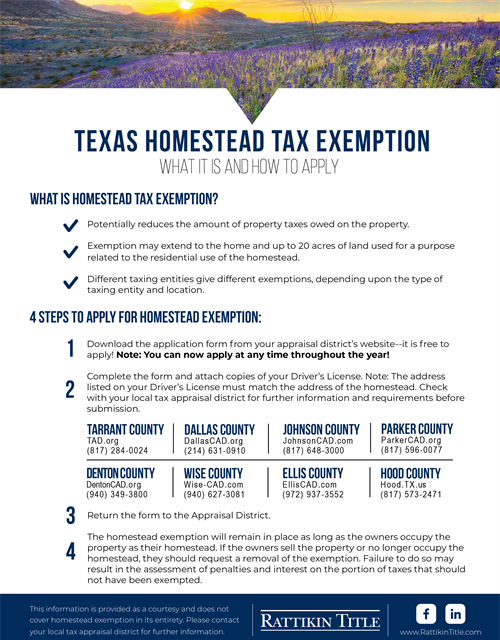
- Obtain the Application Form: The primary form is Form 50-114, Application for Residential Homestead Exemption. This form is available on the website of your local appraisal district (e.g., Travis County Appraisal District, Dallas County Appraisal District, Bexar County Appraisal District) or the Texas Comptroller of Public Accounts website. Many appraisal districts also offer online application portals, streamlining the process even further.
- Gather Required Documentation: As mentioned, typically you’ll need copies of your Texas driver’s license/ID, vehicle registration, and voter registration card, all displaying your homestead address. For age 65+ or disabled exemptions, additional proof like a birth certificate or disability documentation may be required.
- Submit the Application: The completed form and supporting documents should be submitted to the Chief Appraiser of your county’s appraisal district.
- Deadline: The standard deadline to file for a homestead exemption is April 30th of the tax year for which you are applying. However, Texas law allows for late applications up to two years after the date the taxes become delinquent. While this provides a safety net, it’s always best to apply by the April 30th deadline to ensure timely processing and avoid any potential delays in receiving your savings.
Once approved, you generally do not need to reapply for the homestead exemption unless your ownership changes, you move, or the Chief Appraiser requests an updated application to verify continued eligibility under the Texas Property Tax Code. This “set it and forget it” aspect makes it an incredibly convenient and lasting financial benefit.
Beyond the Balance Sheet: How Homestead Exemptions Influence Lifestyle and Travel in Texas
The financial relief provided by the Texas Homestead Exemption extends far beyond mere tax savings; it profoundly impacts a homeowner’s lifestyle choices, travel potential, and overall financial well-being. For those passionate about travel, culture, and exploring new destinations, these savings are more than just numbers on a tax bill – they are opportunities waiting to be seized.
Investing in Your Texas Home: A Hub for Exploration
By reducing the burden of property taxes, the homestead exemption makes homeownership in Texas more attainable and sustainable. This stability allows homeowners to view their residences not just as an expense, but as a central hub for their lifestyle and travel endeavors. With more disposable income, you can invest in making your home a more comfortable and functional space, perhaps adding a patio for outdoor entertaining, upgrading appliances, or creating a dedicated home office for remote work that supports your travel flexibility.
Furthermore, owning a home in Texas provides a stable base from which to explore the state’s vast and diverse attractions. From the vibrant live music scene of Austin to the historic missions of San Antonio, the sprawling museums of Houston, and the charming small towns dotting the Hill Country, Texas offers an incredible array of tourism experiences. The savings from your homestead exemption can directly fund these local explorations, transforming your home into a gateway for unforgettable Texas adventures, whether you’re seeking cultural immersion, outdoor recreation, or culinary delights.
Freeing Up Funds for Texas Adventures and Beyond
This is where the true lifestyle impact of the homestead exemption shines for the travel enthusiast. The money saved on property taxes is essentially found money that can be reallocated directly into your travel budget. Let’s quantify this potential. If your homestead exemption saves you, for example, $800 to $1,500 annually (a conservative estimate for many Texas homeowners), imagine the travel possibilities:
- Weekend Getaways: That $800-$1,500 could cover several comfortable weekend stays at boutique hotels in destinations like Fredericksburg or Galveston, allowing you to explore local culture and landmarks without dipping into your core savings.
- Enhanced Travel Experiences: Instead of budget accommodations, you might opt for a more luxurious hotel suite, a resort with full amenities, or a unique villa for a special occasion.
- Longer Trips: Over a few years, these cumulative savings could contribute significantly to a longer international trip, an immersive cultural experience in a faraway land, or an extended stay in a unique accommodation type, like a charming apartment in a European city.
- Budget Flexibility: For budget travelers, these savings can mean the difference between foregoing a trip and being able to explore new frontiers. For luxury travelers, it might mean upgrading to business class or securing a stay at a five-star property.
The financial relief allows for greater flexibility in your travel planning, transforming “maybe someday” trips into concrete plans. It empowers you to explore more, experience more, and create lasting memories without feeling the pinch of overspending.
Choosing Your Ideal Texas Destination for Long-Term Accommodation
The homestead exemption also plays a role in where individuals choose to settle in Texas, especially for those considering long-term accommodation. The significant tax savings in one county compared to another can be a deciding factor, influencing where families and individuals decide to establish their roots. A region with generous optional exemptions or a more favorable tax rate, when combined with the homestead benefits, can make a particular city or county a more attractive place to live and own property. This strategic financial planning ensures that your home base remains affordable, allowing you to allocate more resources towards experiencing the world.
Whether you’re a young family establishing your roots, a remote worker seeking an ideal balance of cost and lifestyle, or a retiree looking for a peaceful long-term stay, the Texas Homestead Exemption is an invaluable asset. It underpins a lifestyle of greater financial freedom, offering the flexibility to pursue your passions, including the boundless world of travel and diverse accommodation experiences. By taking the simple step of applying for this exemption, you’re not just saving money on taxes; you’re investing in a richer, more fulfilling life journey, paving the way for countless adventures and cherished memories.
LifeOutOfTheBox is a participant in the Amazon Services LLC Associates Program, an affiliate advertising program designed to provide a means for sites to earn advertising fees by advertising and linking to Amazon.com. Amazon, the Amazon logo, AmazonSupply, and the AmazonSupply logo are trademarks of Amazon.com, Inc. or its affiliates. As an Amazon Associate we earn affiliate commissions from qualifying purchases.