
Embarking on a journey through the vast and vibrant landscape of Texas promises an unforgettable experience, from the bustling cityscapes of Dallas and Houston to the historic charm of San Antonio and the live music capital, Austin. Whether you’re planning a luxurious escape, a budget-friendly road trip, a family adventure, or a business stay, navigating the Lone Star State by car is often an integral part of the experience. However, a common oversight, often born from the excitement of exploration or the pressure of a tight schedule, can quickly turn a dream vacation into a financial headache: a speeding ticket. Specifically, a ticket for driving 15 miles per hour over the posted speed limit in Texas can carry significant costs and implications that extend far beyond the initial fine, impacting your travel budget, your lifestyle, and even your future insurance premiums.
For any traveler, understanding the potential financial pitfalls and legal repercussions of traffic infractions is as crucial as knowing the best local restaurants or booking the perfect accommodation. A speeding ticket isn’t just a minor inconvenience; it’s an unexpected expense that can disrupt meticulously planned itineraries, force changes in accommodation choices, and add undue stress to what should be a relaxing or productive trip. This comprehensive guide will delve into the various costs associated with a 15-over speeding ticket in Texas, exploring not only the direct financial impact but also the broader consequences for your travel and lifestyle, while offering essential tips to ensure your Texas adventure remains smooth and penalty-free.
The Financial Impact of a Speeding Ticket in Texas
The immediate question for anyone receiving a speeding ticket is, “How much will this cost me?” For a 15-over infraction in Texas, the answer is complex, involving several layers of fees that can quickly accumulate. It’s not just a single fine; rather, it’s a combination of base fines, court costs, state surcharges, and the potential for increased insurance premiums. Understanding these components is the first step in assessing the true financial hit.
Base Fines and Court Costs
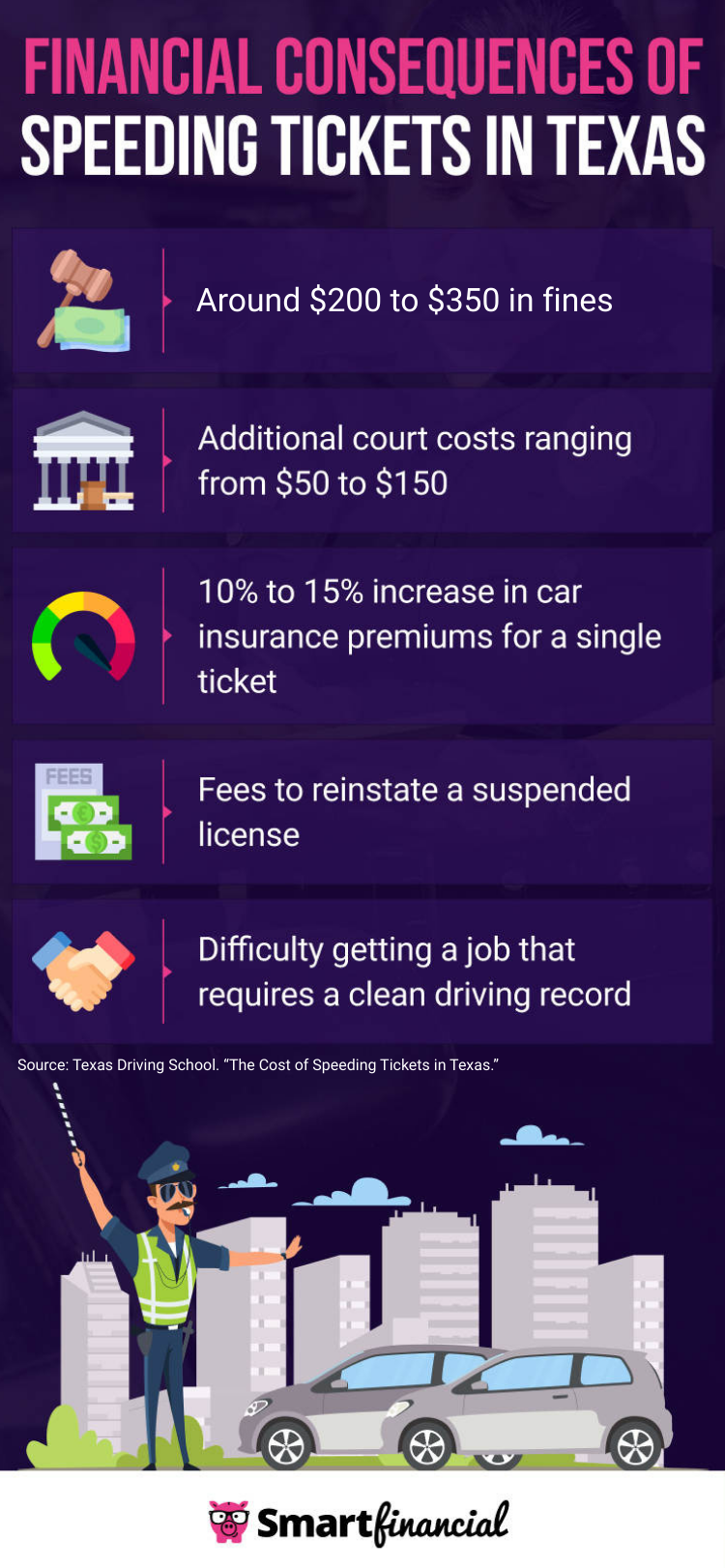
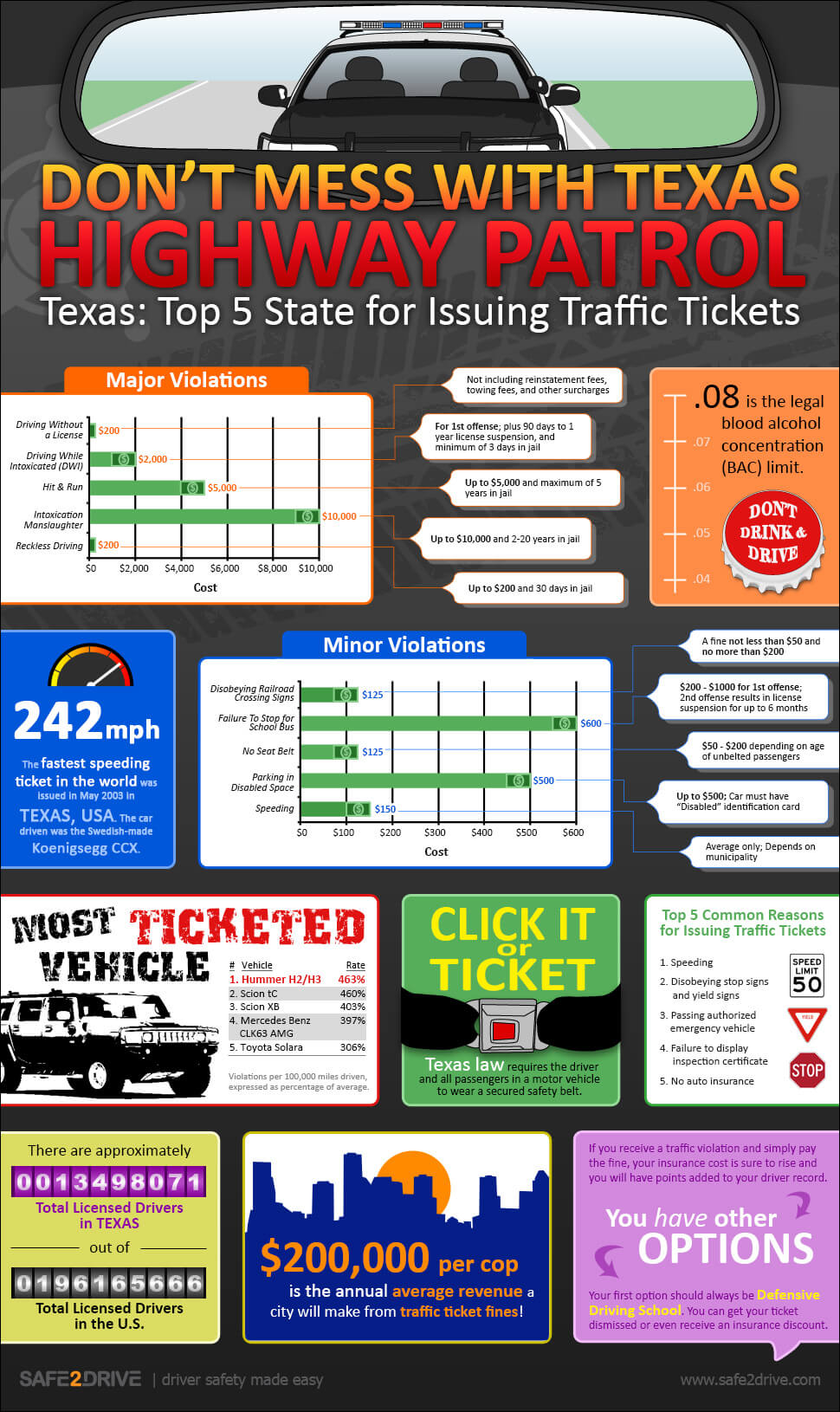
The base fine for a speeding ticket in Texas is not uniform across the state. It varies significantly depending on the county and municipality where the ticket was issued, as well as the specific speed limit and how much you exceeded it. Generally, for driving 15 mph over the limit, you can expect a base fine ranging anywhere from $100 to $250. This figure is just the starting point.
In addition to the base fine, every speeding ticket comes with mandatory court costs and administrative fees. These fees are imposed by the judicial system to cover the administrative overhead of processing your case, whether you choose to pay the fine or contest it in court. Court costs can typically add another $50 to $150 to the total amount due. This means that, without even considering other factors, a 15-over speeding ticket in Texas will likely set you back between $150 and $400 right off the bat. For a traveler on a budget, this unexpected expense could easily absorb a significant portion of their allocated spending for dining, attractions, or even necessitate a downgrade in their planned accommodation, perhaps shifting from a boutique hotel to a more economical option.
Surcharges and State Fees: Beyond the Local Fine
While the infamous Driver Responsibility Program (DRP) in Texas, which imposed hefty state surcharges for certain traffic offenses, was repealed in 2019, other state fees and potential consequences remain. The repeal of the DRP was a relief for many Texas drivers, as it often added hundreds or even thousands of dollars to the total cost of tickets over a multi-year period. However, this doesn’t mean your 15-over ticket is free from additional state-level impact.
Points are still assessed on your driving record for moving violations. Accumulating too many points can lead to surcharges, though these are now generally reserved for more severe offenses like driving without insurance or a license. For a standard speeding ticket, the primary financial impact beyond the fine and court costs often comes from the insurance sector.
Insurance Premium Hikes: The Lingering Cost
Perhaps the most significant long-term financial repercussion of a speeding ticket, especially for drivers with a clean record, is the inevitable rise in auto insurance premiums. Insurance companies view speeding violations as an indicator of increased risk. Even a single ticket for going 15 mph over the limit can lead to a substantial increase in your monthly or annual premiums, typically lasting for three to five years.
The exact amount of the increase varies widely based on several factors: your insurance provider, your driving history, your age, where you live, and the specifics of your policy. However, it’s not uncommon for premiums to jump by 10% to 30% or even more. To put this into perspective, if you currently pay $1,200 per year for car insurance, a 20% increase would mean an additional $240 annually. Over three years, this amounts to an extra $720, making the initial fine seem minimal by comparison. Over five years, this could reach $1,200 or more. This hidden cost is often the most impactful, quietly draining your financial resources long after the initial ticket has been paid. For frequent travelers or those planning future trips, this added expense significantly reduces disposable income, affecting luxury travel plans, the choice of resorts, or the frequency of your adventures.
Beyond the Dollars: Travel and Lifestyle Implications
The impact of a speeding ticket extends far beyond the monetary sum. For travelers and those embracing a specific lifestyle, the repercussions can disrupt carefully laid plans, introduce unforeseen stress, and diminish the overall enjoyment of an experience meant to be memorable and carefree.
Disrupting Your Texas Itinerary
Imagine planning a meticulously crafted Texas road trip: a historical tour of the Alamo and San Antonio Riverwalk, a visit to the Space Center Houston, exploring the vibrant music scene in Austin, and perhaps even a drive out to Big Bend National Park. A speeding ticket can derail these plans in multiple ways. First, the time spent dealing with the ticket – whether it’s pulling over, receiving the citation, or researching how to handle it – is time taken away from your precious travel schedule.
More significantly, if you choose to contest the ticket, you may be required to appear in a Texas court. For out-of-state or international visitors, this means a potential return trip, incurring additional costs for flights, accommodation, and lost time. Even if you simply pay the fine, the mental burden of dealing with the issue can overshadow the joy of your journey. This disruption can turn a planned family trip into a stressful ordeal, or complicate a business stay by requiring unexpected diversions from your professional agenda.
Accommodation and Budget Adjustments
Every traveler allocates a budget for their trip, encompassing flights, activities, food, and, crucially, accommodation. Whether you’re splurging on a luxurious resort in Dallas, enjoying a comfortable hotel suite in Houston, or seeking charming boutique apartments in Austin, your accommodation choice is often a cornerstone of your travel experience. An unexpected expense like a speeding ticket forces a reallocation of funds.
The hundreds of dollars lost to a ticket and subsequent insurance hikes could have been used for an extra night at a premium hotel, a gourmet dining experience, tickets to a special attraction, or a unique local activity. For budget travelers, it might mean downgrading from a mid-range hotel to a more basic motel, or cutting back on souvenirs and dining out. For those on a luxury travel itinerary, it might not directly impact the immediate trip’s grandeur, but it certainly adds an unnecessary drain on long-term finances, potentially affecting future high-end travel aspirations. This unforeseen cost highlights the importance of prudent driving as part of responsible travel planning.
The Stress Factor: Enjoying Your Trip vs. Court Dates
The primary goal of travel is often relaxation, exploration, and creating positive memories. A speeding ticket, however, introduces a significant element of stress and anxiety. Instead of focusing on the breathtaking views of Guadalupe Mountains National Park or the historical richness of the Sixth Floor Museum at Dealey Plaza, your mind might be preoccupied with deadlines for payment, the complexities of online court portals, or the potential consequences for your driving record.
This mental burden can detract from the overall enjoyment of your trip, turning a leisure activity into a source of worry. The thought of potential court appearances, even if you ultimately choose to pay, can linger. For those on business stays, the added stress can impact focus and productivity. A simple act of driving too fast can, therefore, compromise the very essence of what makes travel a rewarding lifestyle choice – freedom, discovery, and peace of mind.
Navigating the Texas Roadways: Tips for a Seamless Journey
Preventing a speeding ticket is always preferable to dealing with its aftermath. By understanding Texas traffic laws and adopting safe driving practices, you can ensure your journey through the Lone Star State remains enjoyable and free from legal complications.
Understanding Texas Speed Limits
Texas has a variety of speed limits, which can change frequently and sometimes unexpectedly, especially when transitioning between rural areas, urban centers, and different types of roadways.
- Urban Districts: Typically 30 mph, unless otherwise posted.
- State Highways (Daytime): Often 70 mph, but can vary.
- Interstate Highways: Commonly 75 mph, with some stretches, particularly in West Texas (e.g., I-10 and I-20), having 80 mph or even 85 mph limits.
- School Zones: Often reduced to 15-20 mph during specific hours, which are usually clearly marked and strictly enforced.
- Construction Zones: Reduced limits are common and fines are often doubled in these areas.
Always pay close attention to posted speed limit signs, and be prepared for sudden changes. Using GPS navigation apps that provide real-time speed limit information can be a valuable tool, though signs should always take precedence.
Defensive Driving Courses: A Potential Lifeline
If you do receive a speeding ticket in Texas, a defensive driving course can be a strategic option, especially if you have a clean record and meet certain eligibility requirements (e.g., not having taken a course recently, possessing a valid Texas driver’s license or being eligible as an out-of-state driver). Many courts will allow you to complete an approved defensive driving course to dismiss the ticket, preventing it from appearing on your driving record and avoiding insurance premium hikes.
While there is a fee for the course itself (typically $25-$50) and a court administrative fee, this cost is often significantly less than the fine, court costs, and especially the long-term insurance increases. It’s a proactive step that aligns with a responsible lifestyle, demonstrating a commitment to safe driving. Be sure to contact the court that issued your ticket to confirm eligibility and the correct procedure.
Legal Avenues and When to Seek Counsel
For more complex situations, or if you believe the ticket was issued in error, consulting with a traffic attorney in Texas might be a worthwhile investment. An attorney can advise you on your rights, help you understand the specific nuances of local traffic laws, and represent you in court. They may be able to negotiate a dismissal, a reduced fine, or an alternative solution that minimizes the impact on your driving record and insurance.
While retaining legal counsel adds another cost, it could save you more money in the long run, especially if your job depends on a clean driving record, or if the ticket has severe implications for your commercial driver’s license. This approach is part of a proactive lifestyle choice, ensuring legal protection and minimizing future complications.
Texas Travel: Exploring the Lone Star State Responsibly
Texas is a state of immense beauty and diverse attractions, offering something for every type of traveler. From its vibrant cities to its serene natural parks, experiencing Texas to its fullest requires not just careful planning of destinations and accommodations but also responsible navigation of its roadways.
Iconic Destinations and Safe Driving Practices
Visiting iconic Texas landmarks such as the Alamo in San Antonio, the Space Center Houston, or exploring the natural wonders of Big Bend National Park often involves significant driving. Embrace safe driving practices as an integral part of your travel experience:
- Plan Your Routes: Use reliable GPS and map applications.
- Allow Ample Time: Avoid rushing, especially between cities like Dallas and Houston, or on longer stretches to destinations like El Paso.
- Take Breaks: Fatigue can lead to errors in judgment and speeding.
- Be Aware of Your Surroundings: Watch for construction zones, school zones, and sudden changes in speed limits.
- Maintain Your Vehicle: Ensure your rental car or personal vehicle is in good condition for long drives.
Responsible driving enhances safety for yourself and others, and ensures you arrive at your chosen accommodation, be it a luxury suite or a quaint apartment, without incident.
Planning Your Texas Road Trip
A Texas road trip is a classic adventure. When planning, integrate awareness of speed limits and traffic laws into your itinerary. Consider the distances between destinations like Fort Worth‘s stockyards and Galveston‘s beaches, and build in extra time. This foresight not only prevents speeding but also allows for spontaneous stops at interesting roadside attractions, local eateries, or scenic overlooks – enriching your travel experience.
Choosing accommodation strategically along your route can also help. Instead of pushing for long, tiring drives, break up your journey with stays in charming hotels or resorts in smaller towns, contributing to local tourism and providing a more relaxed pace. This holistic approach to travel planning ensures that your focus remains on the enriching experiences Texas has to offer, rather than the anxiety of traffic infractions.
In conclusion, while the initial sticker shock of a 15-over speeding ticket in Texas might seem manageable at $150-$400 for the fine and court costs, the true financial burden often swells significantly when factoring in potential insurance premium increases, which could add hundreds to over a thousand dollars over several years. Beyond the monetary aspect, the disruption to your travel itinerary, the forced adjustments to your accommodation and activity budget, and the sheer stress of dealing with legalities can significantly detract from the joy of your Texas adventure. By prioritizing safe and responsible driving, understanding Texas traffic laws, and leveraging options like defensive driving courses if a ticket does occur, travelers can ensure their journey through the Lone Star State remains a memorable and unburdened experience. Drive smart, explore freely, and let the wonders of Texas unfold without a costly detour.
LifeOutOfTheBox is a participant in the Amazon Services LLC Associates Program, an affiliate advertising program designed to provide a means for sites to earn advertising fees by advertising and linking to Amazon.com. Amazon, the Amazon logo, AmazonSupply, and the AmazonSupply logo are trademarks of Amazon.com, Inc. or its affiliates. As an Amazon Associate we earn affiliate commissions from qualifying purchases.