
Navigating the sprawling landscapes of Texas, from the bustling metropolises to the serene, open plains, often requires the freedom and flexibility that only a personal vehicle can provide. Whether you’re a long-time resident, a new transplant embracing the Lone Star State lifestyle, or a visitor planning an extended stay and wanting to explore beyond typical tourist routes, understanding the costs and processes associated with obtaining a Texas driver’s license is fundamental. It’s more than just a piece of plastic; it’s your key to independent travel, a vital form of identification, and a necessity for many aspects of daily life, including employment and even some accommodation check-ins. This comprehensive guide breaks down not just the direct fees, but also the potential additional expenses and the essential steps involved, ensuring you’re fully prepared for your journey on Texas roads.
Understanding the Core Costs: The Initial Investment
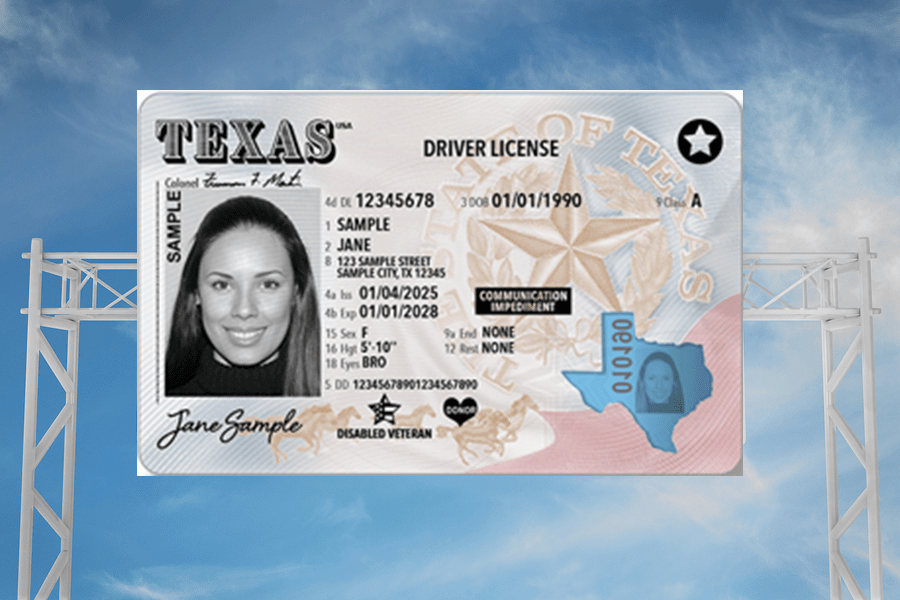
The initial fee for a driver’s license in Texas is often the first and most straightforward cost many people consider. These fees are set by the state and collected by the Department of Public Safety (DPS), the primary agency responsible for issuing licenses. The exact amount can vary slightly depending on your age and the validity period of the license you receive.
Standard Class C License Fees: Your Gateway to Texas Roads
The most common type of driver’s license is the Class C license, which permits you to operate most non-commercial vehicles. For individuals aged 18 to 84, a Class C driver’s license typically costs around $33 and is valid for a period of six years. However, Texas also offers an eight-year validity period for those aged 18 to 84, which would cost approximately $48. Opting for the longer validity period can offer convenience and minor savings in the long run by reducing the frequency of renewals.
For younger drivers, the structure is a bit different:
- Learner’s Permit (Instruction Permit): Before obtaining a full driver’s license, new drivers often start with a learner’s permit. This typically costs around $16 and allows you to practice driving with a licensed adult in the vehicle.
- Provisional License (under 18): Drivers under the age of 18 typically receive a provisional license, valid until their 18th birthday, at a cost of approximately $16.
- Drivers 85 and Older: For seniors aged 85 and above, the license is typically valid for two years, also costing around $16.
It’s important to note that these fees are non-refundable, regardless of whether you pass your tests or complete the application process. Therefore, ensuring you meet all requirements before initiating your application is crucial to avoid unnecessary expenses.
State ID Cards vs. Driver’s Licenses: Knowing the Difference
While similar in appearance, a Texas State ID card serves a different purpose than a driver’s license. An ID card is solely for identification purposes and does not grant driving privileges. If you don’t plan to drive but need a valid form of state-issued identification – perhaps for domestic travel, banking, or as proof of age – a State ID card is an excellent option. The cost for a Texas State ID card is generally around $16 for a six-year validity period for those aged 18-84, with similar variations for younger or older applicants. This distinction is vital for those moving to Texas who might only need identification without the associated driving responsibilities.
Beyond the Fee: Navigating the Application Process and Potential Expenses
The sticker price for a driver’s license is just one piece of the financial puzzle. The journey to obtaining your license involves several steps, each with potential associated costs that can add up. Understanding these stages will help you budget effectively and streamline your application process.
Required Documents: A Checklist for Success
Before you even fill out an application or pay a fee, gathering the correct documentation is paramount. The DPS requires specific proofs to verify your identity, residency, and eligibility. While the documents themselves don’t incur a direct cost in the application process, failing to have them could mean delays, multiple trips to the DPS office, or even fees for obtaining replacement documents if yours are missing. You will generally need:
- Proof of Identity: Such as a birth certificate or unexpired U.S. passport.
- Proof of U.S. Citizenship or Lawful Presence: For non-citizens, this could include a permanent resident card, visa, or other immigration documents.
- Proof of Texas Residency: Two documents showing your name and current Texas address, like utility bills, rental agreements, or mail from government agencies.
- Social Security Number: Your Social Security card or a document with your SSN on it.
- Proof of Vehicle Registration and Insurance: If you plan to take the driving test in your own vehicle.
It’s highly recommended to review the official DPS website for the most up-to-date and comprehensive list of acceptable documents, as requirements can sometimes change. Having all your papers in order before visiting a DPS office, especially in busy cities like Houston or Dallas, will save you significant time and frustration.
The Testing Phases: Written, Vision, and Driving Tests
Every new driver, and some transferring from out-of-state, will undergo a series of tests to ensure they are competent and safe behind the wheel.
- Vision Test: This is a quick check to ensure your eyesight meets the minimum requirements for driving. If you need corrective lenses, ensure you bring them. While this test has no separate fee, failing it could lead to an eye doctor visit, which would incur a cost.
- Written Knowledge Test: This exam assesses your understanding of Texas traffic laws and road signs. You can study for this using the official Texas Driver’s Handbook. While there’s no direct fee for taking the test, if you fail, you may have to pay a re-testing fee on subsequent attempts. Many online courses and apps exist to help prepare for this, some of which may charge a fee.
- Driving Test (Road Test): This is where you demonstrate your ability to safely operate a vehicle. You must provide a vehicle that is properly registered and insured. Again, there’s no separate fee for the initial test, but re-testing fees may apply if you fail. Scheduling a driving test can sometimes be challenging in heavily populated areas like Austin or San Antonio, occasionally requiring booking weeks in advance or traveling to a less busy DPS office.
Optional but Recommended: Driving Schools and Practice
For many, especially new drivers or those unfamiliar with Texas driving conventions, enrolling in a driving school can be a wise investment. While not mandatory for adults aged 18 and over, it can significantly increase your chances of passing the tests on the first try and, more importantly, make you a safer driver.
- Driving Schools: Professional driving lessons can range from a few hundred dollars to over a thousand, depending on the number of hours and the type of instruction. Many schools offer packages that include classroom instruction and behind-the-wheel training. For teenagers (15-17 years old), a state-approved driver education course is mandatory and can cost anywhere from $150 to $500. Some schools, particularly in major cities like Houston, Dallas, Fort Worth, or El Paso, also offer convenient services like providing a vehicle for your driving test or even administering the test themselves (Third-Party Skills Testing), potentially saving you a trip to the DPS and its associated wait times.
- Practice Vehicle Costs: If you’re practicing with a friend or family member, consider the cost of fuel, wear and tear on the vehicle, and the added insurance implications if you’re an uninsured provisional driver.
Investing in proper training not only minimizes the risk of failing tests and incurring re-testing fees but also contributes to greater confidence and safety on the road, which is priceless when navigating unfamiliar roads or busy tourist areas.
Long-Term Planning: Renewals and Special Licenses
Once you have your Texas driver’s license, the financial commitment doesn’t end. You’ll need to renew it periodically, and some individuals may require specialized licenses for particular driving needs.
Renewing Your Texas Driver’s License
Renewing your driver’s license is typically a simpler and less expensive process than the initial application. The standard renewal fee for a Class C license (for most adults) is the same as the initial fee: around $33 for six years or $48 for eight years.
- Frequency: Most licenses are valid for six or eight years, meaning you’ll need to renew them periodically. The DPS usually sends a renewal notice a few months before your license expires.
- Methods of Renewal: Many eligible drivers can renew their license online, by mail, or by phone, which can save time compared to an in-person visit. However, if you’ve recently changed your name, need to update your photo, or are required to re-take a vision test, an in-person visit to a DPS office will be necessary.
- Late Renewals: Allowing your license to expire can lead to fines or penalties if you are caught driving with an invalid license. While Texas generally offers a grace period for renewals, it’s best to renew on time to avoid complications.
Commercial Driver’s Licenses (CDL) and Motorcycle Licenses
For those pursuing careers that involve operating larger vehicles or who simply want the thrill of riding a motorcycle, specialized licenses come with different requirements and higher costs.
- Commercial Driver’s License (CDL): Obtaining a CDL involves more rigorous testing and training. The fees can range from approximately $60 to $100 for the license itself, depending on the class and endorsements needed. However, the true cost lies in the mandatory training programs, which can easily run into thousands of dollars at specialized driving schools. This is a significant investment but opens doors to professional driving careers across Texas and beyond.
- Motorcycle License (Class M): If you already hold a Class C license, adding a motorcycle endorsement is typically less expensive, costing around $16. If you’re applying for a standalone Class M license, the fee is similar to a Class C license. However, you’ll also need to complete an approved motorcycle safety course, which can cost between $200 and $300. This course is crucial for safe riding, especially for exploring scenic routes through the Texas Hill Country or along the Gulf Coast near Galveston and Corpus Christi.
These specialized licenses require a greater financial and time commitment but are essential for their respective purposes, supporting specific lifestyles or professional paths.
Making the Most of Your Texas Driving Privileges
Beyond the numbers, having a Texas driver’s license unlocks a wealth of opportunities for exploration, convenience, and a truly immersive lifestyle in the state.
Exploring the Lone Star State
With a valid Texas driver’s license, the entire state becomes your oyster. Imagine the freedom to embark on a road trip through the rugged beauty of Big Bend National Park, a destination that truly exemplifies the vastness of the Lone Star State. You can drive along the scenic byways of the Texas Hill Country, visiting charming wineries and quaint towns. A license allows you to easily hop from the vibrant live music scene of Austin to the historical missions and Alamo in San Antonio, or explore the coastal wonders of Padre Island National Seashore. Without a license, relying solely on public transportation or ride-sharing services can severely limit your ability to experience the diverse attractions and hidden gems that lie beyond urban centers. For travelers and tourists seeking authentic local experiences, self-driving is often the most rewarding option.

Tips for New Residents and Visitors
- Transferring an Out-of-State License: If you’re moving to Texas, you generally have 90 days to obtain a Texas driver’s license after establishing residency. While you might not have to take the driving test (unless your out-of-state license has expired for an extended period), you will still need to pass the written knowledge test and vision test, and pay the standard fees. This is a crucial step for integrating into the local lifestyle and ensuring legal compliance.
- Understanding Local Driving Customs: Texas has its own unique driving culture, from highway speeds to local etiquette. A driver’s license empowers you to learn and adapt to these nuances, enhancing your safety and enjoyment on the road.
- For Accommodation and Daily Life: A driver’s license is often required when renting a car (a must for exploring Texas fully), can serve as primary identification for booking hotels or other accommodations, and is essential for many jobs. For those looking for long-term stays or relocating, it’s an indispensable document that simplifies numerous administrative tasks.
In conclusion, the cost of a driver’s license in Texas extends beyond the initial fee. It encompasses potential expenses for preparation, testing, and ultimately, the freedom it grants to explore, work, and live fully within this dynamic state. While seemingly a minor detail, securing this document is a significant step towards unlocking all the Lone Star State has to offer, making it an invaluable investment for any traveler, resident, or adventurer.
LifeOutOfTheBox is a participant in the Amazon Services LLC Associates Program, an affiliate advertising program designed to provide a means for sites to earn advertising fees by advertising and linking to Amazon.com. Amazon, the Amazon logo, AmazonSupply, and the AmazonSupply logo are trademarks of Amazon.com, Inc. or its affiliates. As an Amazon Associate we earn affiliate commissions from qualifying purchases.