
Embarking on a journey to the Lone Star State, whether for a fleeting vacation, an extended stay, or a new chapter as a resident, often brings with it a host of practical considerations. Among the most fundamental is the need for official identification. While the question “How Much Is A ID In Texas?” might seem straightforward, its implications for travelers, new residents, and anyone looking to fully experience the rich tapestry of Texas life are far-reaching. From checking into a luxurious Dallas hotel suite to renting a car for a scenic drive through the Hill Country, or even simply enjoying a local craft beer in Austin, a valid ID is your key to seamless access and authentic experiences.
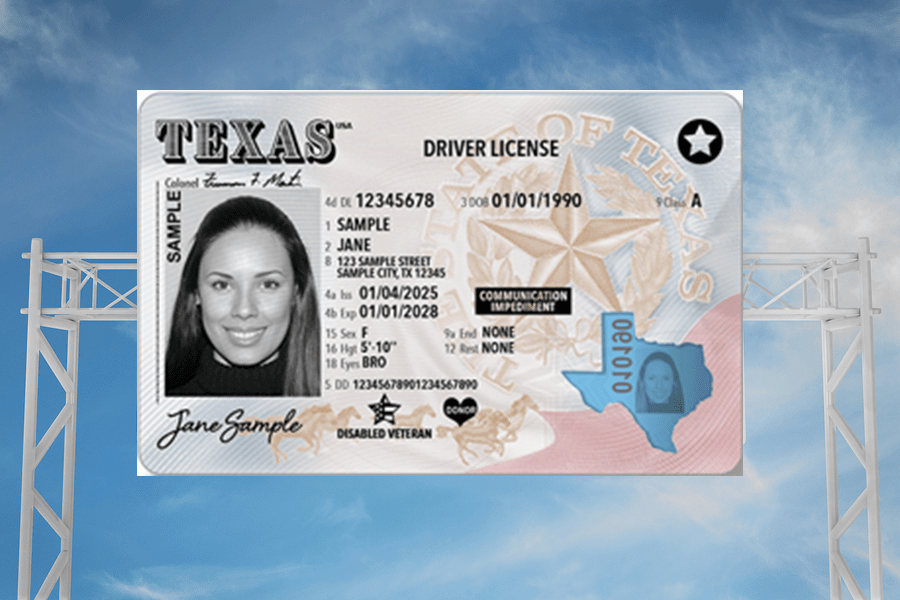
This comprehensive guide delves into the various types of identification available in Texas, their associated costs, the application process, and crucially, why having a Texas ID or driver’s license can profoundly enhance your travel, accommodation, and lifestyle experiences across this vast and vibrant state. We’ll explore how these seemingly simple documents are intertwined with everything from accessing world-class attractions to securing long-term accommodation, ensuring your time in Texas is both enjoyable and hassle-free.
Understanding the Types of IDs in Texas for Travelers and Newcomers
For anyone planning to spend a significant amount of time in Texas, understanding the different forms of official identification issued by the state is crucial. While visitors from other states or countries might rely on their existing driver’s licenses or passports, those looking to establish a more permanent presence or simply streamline certain activities within Texas will find immense value in state-issued documents. The primary issuing authority for these documents is the Texas Department of Public Safety (DPS).
Driver’s Licenses vs. State ID Cards
The most common forms of identification issued by the Texas Department of Public Safety are driver’s licenses and state identification cards. Each serves a distinct purpose, though both are recognized as valid forms of government-issued photo identification.
A Texas Driver’s License permits the holder to legally operate a motor vehicle on public roads within Texas. This is indispensable for travelers planning a road trip along the Gulf Coast or through the sprawling ranches of West Texas, as well as for new residents commuting to work or exploring their new surroundings. Beyond driving privileges, it serves as a robust form of identity verification for countless situations, from checking into a Four Seasons Hotel Austin to purchasing age-restricted items.
A Texas Identification Card, on the other hand, is designed for individuals who do not drive but still require a government-issued photo ID. This is particularly useful for those who prefer to utilize Texas’s burgeoning public transportation systems in cities like Houston or San Antonio, or for individuals simply needing proof of identity for non-driving related purposes. For instance, a tourist planning an extended stay without a car might find a state ID card convenient for domestic travel verification, accessing local services, or even securing long-term accommodation like an apartment rental in Plano or Fort Worth. Both documents contain essential information such as your name, photograph, address, and date of birth, making them universally accepted for identity verification.
Provisional vs. Standard Licenses/IDs
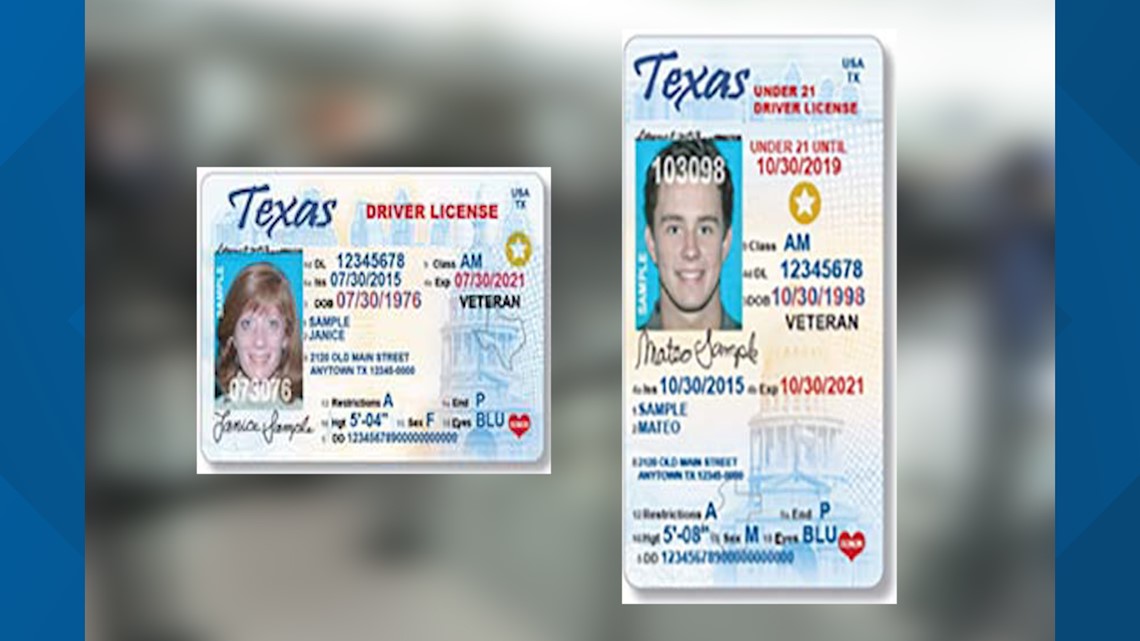
For younger residents or those just beginning their driving journey, Texas offers provisional licenses. A Provisional Driver’s License is issued to new drivers under the age of 18 and comes with certain restrictions, such as limits on the number of passengers and nighttime driving. While primarily a driving document, it also serves as a valid ID for young travelers or students residing in Texas. Once a driver reaches 18 or meets specific requirements, they can typically upgrade to a Standard Driver’s License, which offers full driving privileges and remains a primary form of identification for adults. The standard Texas Identification Card is available to all eligible residents regardless of age, provided they do not possess a valid driver’s license.
Commercial Driver’s Licenses (CDL)
While less common for the typical tourist or short-term visitor, the Commercial Driver’s License (CDL) is essential for those involved in professional transportation. For business travelers considering long-term assignments or relocation to Texas who will operate large vehicles like buses or tractor-trailers, a CDL is a must. The requirements and costs for a CDL are significantly more involved than for a standard driver’s license or ID card, reflecting the increased responsibility associated with commercial driving. It’s an important consideration for a specific segment of individuals whose lifestyle or accommodation needs are tied to professional driving within the state.
The Cost of Obtaining a Texas ID or Driver’s License
One of the first questions travelers or new residents have is, “How much will this cost?” The fees for Texas IDs and driver’s licenses are set by the state and are generally quite reasonable, especially when considering the widespread utility and convenience they provide. These costs are subject to change, so always verify the latest fees on the official Texas Department of Public Safety website.
Fee Schedule Breakdown
The cost of a Texas driver’s license or ID card varies depending on the type of document, the applicant’s age, and the duration of validity.
-
Standard Driver’s License (DL):
- Under 18: Typically around $16-$18, valid until the driver’s 18th birthday.
- Ages 18-84: Generally $33, valid for eight years. This is the most common license type and offers the best value for long-term residents and frequent visitors.
- Age 85 and older: Usually $9, valid for two years.
- Provisional Driver’s License: Around $16-$18, similar to the under-18 standard license in cost, valid until the 18th birthday.
-
Standard Identification Card (ID):
- Under 60: Typically around $16, valid for six years. This is an excellent option for those who do not drive but need a reliable form of photo ID for travel, accommodation, or everyday life.
- Age 60 and older: Generally free. This is a significant benefit for senior travelers and residents, making it easier to access services and prove identity without cost.
-
Commercial Driver’s License (CDL):
- The cost for a new CDL can range from approximately $60 to $90, depending on the class (A, B, or C) and endorsements. Renewals are typically in a similar range. The application process also usually involves additional testing fees.
-
Replacement/Duplicate Card:
- If your driver’s license or ID card is lost, stolen, or damaged, a replacement typically costs around $11. This is a vital service for travelers who might misplace their ID while exploring a new Texas destination and need immediate proof of identity for their hotel or flight.
Additional Potential Costs
While the primary fee covers the issuance of the card itself, applicants should be aware of other potential expenses that might arise during the process:
- Driving School or Courses: For new drivers, especially those under 18, completing state-approved driver education courses is mandatory. The cost of these courses can vary significantly, from a few hundred dollars to over a thousand, depending on the provider and package.
- Written and Driving Test Fees: While the written and driving tests administered by the Texas Department of Public Safety are typically included in the license fee, some third-party driving schools or examiners may charge a separate fee if you choose to take the test with them.
- Documentation Fees: Obtaining certified copies of required documents, such as a birth certificate or marriage license, can incur small fees from the issuing governmental agencies.
- Eye Exam: An eye exam is required as part of the application process. While usually performed at no extra charge at the Texas Department of Public Safety office, if you require glasses or contacts and need a separate optometrist visit, that would be an additional personal expense.

Compared to the cost of a plane ticket to Texas, a stay at a resort like JW Marriott San Antonio Hill Country Resort & Spa, or even a few meals out in Houston’s vibrant culinary scene, the expense of a Texas ID is minimal. It’s a small investment for substantial convenience and peace of mind.
Navigating the Application Process: What Tourists and New Residents Need to Know
Acquiring a Texas ID or driver’s license is a structured process designed to ensure proper identity verification and eligibility. For tourists planning an extended stay or individuals establishing new residency, understanding these steps can save time and prevent frustration. The Texas Department of Public Safety provides detailed instructions, and adherence to these guidelines is key.
Required Documentation
The most critical aspect of the application process is gathering the correct documentation. Texas follows strict requirements to verify identity, lawful presence, and residency. Applicants must typically provide:
- Proof of Identity: This establishes who you are. Examples include an unexpired U.S. Passport or passport card, a certified U.S. Birth Certificate, or a Permanent Resident Card (Green Card). For international visitors or new residents, specific immigration documents will be required to prove lawful presence.
- Proof of U.S. Citizenship or Lawful Presence: Beyond identity, this confirms your legal status in the United States. A U.S. Birth Certificate or U.S. Passport serves this purpose for citizens. Non-citizens will need valid immigration documents issued by U.S. Citizenship and Immigration Services (USCIS) or Customs and Border Protection (CBP).
- Proof of Social Security Number (SSN): A physical Social Security Card is the primary document. If you don’t have the card, a W-2 form, pay stub with your SSN, or a SSA-1099 form can also be accepted.
- Proof of Texas Residency: This is essential for new residents. You generally need two documents showing your name and current Texas residential address. Examples include a current utility bill (electricity, water, gas), a valid unexpired Texas voter registration card, a current lease agreement, or a home mortgage statement. For new arrivals in hotels or temporary accommodation, this can sometimes be a challenge, requiring careful planning to establish residency through acceptable documentation.
It is highly recommended to bring original documents, not copies, unless explicitly stated otherwise. Check the Texas Department of Public Safety website for a comprehensive and up-to-date list of acceptable documents for your specific situation.
Scheduling an Appointment
The Texas Department of Public Safety offices, especially in major metropolitan areas like Houston, Dallas, Austin, and San Antonio, can experience long wait times. To streamline the process and minimize delays, it is strongly advised to schedule an appointment online through the Texas Department of Public Safety website. This allows you to select a specific date and time, significantly reducing the amount of time you spend waiting. Walk-ins are often accommodated but on a space-available basis after all scheduled appointments, leading to potentially lengthy waits.
Visiting a DPS Office
Once you have all your documents and a scheduled appointment, visiting a Texas Department of Public Safety office is the next step. Be prepared for:
- Filling out an Application Form: You’ll complete an application for a Driver’s License or ID Card.
- Verification of Documents: A Texas Department of Public Safety representative will review your submitted documents to ensure they meet all requirements.
- Thumbprints and Photo: Your thumbprints will be taken, and a photograph for your new card will be captured.
- Vision Exam: All applicants for a driver’s license must pass a vision test. ID card applicants may also undergo a basic vision screening.
- Written and Driving Tests (for Driver’s License applicants): If you are applying for a driver’s license and haven’t already taken and passed these tests, you will do so at the Texas Department of Public Safety office. The written test assesses your knowledge of Texas traffic laws and road signs. The driving test evaluates your ability to safely operate a vehicle.
- Payment of Fees: Once all requirements are met, you will pay the applicable fee.
After successfully completing these steps, you will typically receive a temporary paper ID or driver’s license, which is valid immediately. Your permanent card will then be mailed to your Texas residential address within a few weeks. This temporary document is usually sufficient for most identification needs, including domestic flights and hotel check-ins, but it’s wise to carry a secondary form of ID if you have one.
Beyond the Cost: The Value of a Texas ID for Your Lifestyle and Travel
The nominal cost of a Texas ID or driver’s license pales in comparison to the immense value and convenience it brings to your lifestyle and travel experiences within the state and beyond. For tourists, new residents, and long-term visitors alike, a state-issued ID is more than just a piece of plastic; it’s a gateway to smoother transactions, enhanced security, and a fuller immersion into the Texas way of life.
Enhanced Travel Experiences within Texas
Whether you’re exploring the bustling arts scene in Marfa, lounging on the beaches of Galveston Island, or hiking through a Texas State Park, your Texas ID streamlines numerous aspects of your journey:
- Age Verification: For enjoying Texas’s vibrant nightlife in Austin, sipping wine in the Hill Country vineyards, or visiting casinos, a state ID is universally accepted proof of age, preventing any awkward moments or potential denials.
- Domestic Flights: While a U.S. Passport is always acceptable, a Texas Driver’s License or Texas Identification Card is compliant with REAL ID standards, making it perfectly valid for boarding domestic flights at any Texas airport, from Dallas/Fort Worth International Airport to George Bush Intercontinental Airport. This is particularly convenient for frequent domestic travelers.
- Hotel Check-Ins: Major hotel chains, boutique accommodations, and independent rentals across Texas will require a valid photo ID upon check-in. A Texas ID ensures a quick and undisputed verification, whether you’re staying at a Hyatt Regency Dallas or a quaint bed and breakfast in Fredericksburg.
- Car Rentals: If your travel plans involve renting a car to explore vast Texas landscapes, a Texas Driver’s License is the most straightforward document to present to rental agencies. It simplifies the process and avoids any questions that might arise with out-of-state or international licenses, though those are often accepted with additional verification.
- Access to Attractions and Services: Many museums, galleries, and cultural institutions like Space Center Houston or the Alamo in San Antonio may offer resident discounts, for which a Texas ID serves as proof of residency. It’s also vital for accessing local libraries, medical services, and various other community resources.
Facilitating Longer Stays and Accommodation
For those contemplating an extended stay, perhaps for work, study, or simply a prolonged immersion in Texas culture, a state-issued ID is almost indispensable for establishing your footprint:
- Renting Apartments or Homes: Landlords and property management companies will invariably require a government-issued ID for background checks and lease agreements. A Texas ID simplifies this critical step in securing long-term accommodation.
- Opening Bank Accounts: To manage finances effectively during a longer stay, opening a local bank account is usually necessary. Banks require a valid ID to comply with federal regulations, and a Texas ID makes this process seamless.
- Utility Services: Setting up electricity, water, internet, and other essential utilities for your apartment or home will require proof of identity and residency, for which a Texas ID is ideal.
- Employment: If your lifestyle in Texas includes working, employers will need to verify your identity and authorization to work in the United States using documents like a Texas ID or driver’s license.
Safety and Convenience
Beyond the practicalities, carrying a valid government-issued ID is a fundamental aspect of personal safety and convenience. In the event of an emergency, medical situation, or simply needing to identify yourself to law enforcement, a clear and recognized Texas ID provides crucial information swiftly. It instills peace of mind, knowing that you can easily confirm your identity wherever your Texas adventures take you, from the bustling Riverwalk in San Antonio to the remote beauty of Big Bend National Park.
In conclusion, while the question “How Much Is A ID In Texas?” can be answered with a modest figure, the true cost is minimal compared to the extensive benefits. A Texas driver’s license or identification card is an invaluable asset, transforming your travel experiences, simplifying accommodation arrangements, and enhancing your overall lifestyle in the diverse and welcoming state of Texas. Proactive planning to obtain this essential document ensures a smoother, more enjoyable, and truly authentic Texas adventure.
LifeOutOfTheBox is a participant in the Amazon Services LLC Associates Program, an affiliate advertising program designed to provide a means for sites to earn advertising fees by advertising and linking to Amazon.com. Amazon, the Amazon logo, AmazonSupply, and the AmazonSupply logo are trademarks of Amazon.com, Inc. or its affiliates. As an Amazon Associate we earn affiliate commissions from qualifying purchases.