
For many, a driver’s license is far more than just a piece of identification; it’s a tangible symbol of freedom, independence, and the open road. In a sprawling state like Texas, where vast distances separate vibrant cities from rugged natural wonders, possessing a Texas Driver’s License transforms the way residents and long-term visitors engage with their surroundings. Whether you’re settling down in the Lone Star State, planning an extended stay, or simply curious about the nuances of local identification, understanding the cost and process of obtaining this crucial document is paramount.
This article delves into the financial commitment and procedural steps involved in securing a Texas Driver’s License, moving beyond mere numbers to explore how this credential profoundly impacts travel, tourism, and overall lifestyle within the state. From embarking on spontaneous road trips to distant landmarks to seamlessly navigating local culture, a driver’s license is your key to unlocking the full spectrum of Texas experiences.
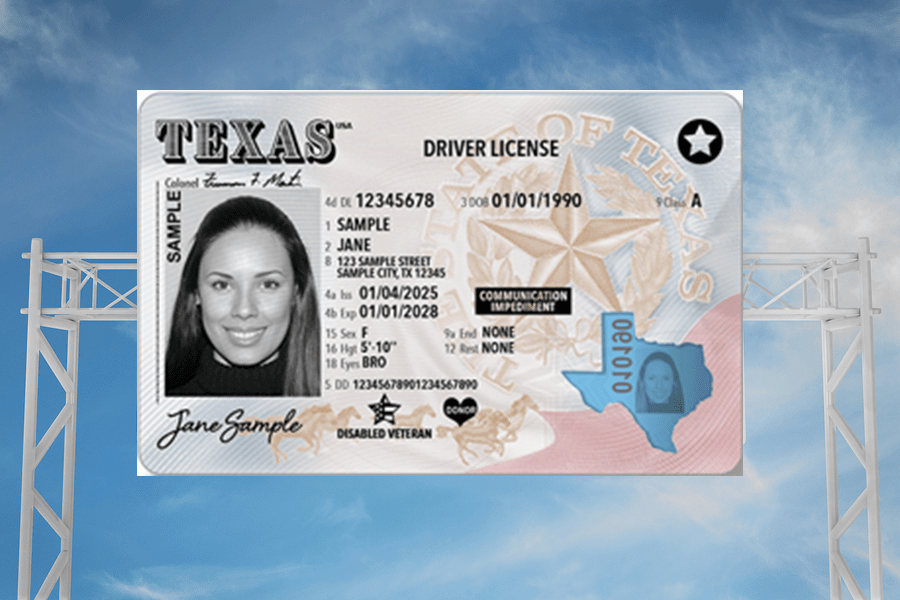
Understanding the Cost of a Texas Driver’s License
The question “How much is a Texas Driver’s License?” might seem straightforward, but the answer encompasses more than just a single fee. The actual cost can vary based on several factors, including the type of license, its duration, and any additional services or re-tests required. The Texas Department of Public Safety (DPS) is the primary authority for issuing driver’s licenses and sets the standard fee structure.
Standard Driver’s License Fees
For a non-commercial Class C Texas Driver’s License – the most common type, suitable for operating passenger vehicles – the fees are generally determined by the license’s validity period. Typically, a standard adult license is valid for eight years, offering long-term convenience and reducing the frequency of renewals.
- Eight-Year License: The most common option for individuals aged 18 to 84, an eight-year license typically costs $33. This provides considerable value over its lifespan, minimizing administrative hassle.
- Six-Year License: For those aged 85 and older, a six-year license is typically issued, also costing $33. This shorter renewal cycle is often in place to ensure more frequent vision and medical checks for older drivers.
- Provisional License (under 18): Drivers under the age of 18 are initially issued a provisional license, which typically costs $16. This license comes with specific restrictions and conditions that must be met before transitioning to an unrestricted adult license.
- Instruction Permit (Learner’s Permit): For aspiring drivers of any age, an instruction permit is often the first step, allowing supervised driving practice. This typically costs $16 and is generally valid for one year.
- Commercial Driver’s License (CDL): For those pursuing a career in transportation or requiring a license for heavy vehicles, a Commercial Driver’s License (CDL) involves higher fees and more extensive testing. Depending on the class and endorsements, initial CDL fees can range from $61 to $97. While this might seem outside the scope of general travel, it’s crucial for understanding the state’s broader licensing structure and for individuals considering business stays or specialized tours.
It’s important to note that these figures represent the base fees for the license itself. They do not include potential costs associated with preparing for the licensing process.
Additional Costs and Considerations
Beyond the base fee paid to the DPS, there are several other expenses that applicants might incur, especially if they are new to driving or new to Texas.
- Driving Education Courses: For new drivers, particularly those under 25, completing an approved driver education course is mandatory. These courses can range from a few hundred dollars to upwards of $600-700, depending on the provider and format (online vs. in-person). While a significant upfront cost, this investment is invaluable for safety and for meeting the state’s requirements. For individuals considering moving to Texas or long-term stays, budgeting for this is essential.
- Impact of a Texas Driver’s License on Budget Travel: Initially, the combined costs of education and the license might seem substantial. However, for those keen on budget travel, having a license opens up opportunities for more affordable transportation. Renting a car often becomes more cost-effective than relying solely on rideshares or limited public transport, especially when exploring areas outside major metropolitan hubs like Houston or Dallas. This allows for greater flexibility in choosing accommodation options that might be more economical but less centrally located.
- Re-testing Fees: If an applicant fails a written or driving test, there may be re-testing fees involved, typically around $10-$25 per test. These costs can add up if multiple attempts are needed, highlighting the importance of thorough preparation.
- Duplicate or Replacement License: Should your license be lost, stolen, or damaged, obtaining a replacement typically costs $11. It’s a small fee, but an important consideration for safeguarding your essential identification.
- State ID Card: For individuals who do not wish to drive but require an official Texas identification card, the fee for a state ID card is generally $16 for an eight-year validity. While not a driver’s license, it serves as crucial ID for hotel bookings, domestic flights, and age-restricted activities.
Understanding these potential costs is crucial for anyone budgeting their move or extended visit to Texas. It’s an investment that unlocks unparalleled independence and access to the state’s vast destinations.
The Journey to Obtaining Your Texas Driver’s License: A Traveler’s Guide
Securing a Texas Driver’s License involves more than just paying a fee; it’s a multi-step process designed to ensure that all licensed drivers on Texas roads are competent and properly identified. For new residents or those contemplating an extended stay, navigating this process efficiently can significantly enhance their ability to explore and integrate into the local lifestyle.
Eligibility and Required Documentation
Before you even consider the cost, ensuring you meet the eligibility criteria and gather the necessary documents is the first hurdle. The DPS requires comprehensive proof of identity, residency, and legal presence in the United States.
- Proof of U.S. Citizenship or Lawful Presence: This can include a birth certificate, passport, or immigration documents. For international visitors considering a long-term stay or potential relocation, understanding visa requirements and their impact on license eligibility is critical.
- Proof of Texas Residency: You’ll need at least two documents showing your current Texas residential address. Examples include utility bills, a lease agreement, or a voter registration card. This is particularly relevant for those who have recently moved to the state and might be staying in temporary accommodation like extended-stay hotels or apartments before finding permanent housing.
- Proof of Identity: A primary identification document, such as a state ID card or a valid passport, is required.
- Social Security Number (SSN): Your SSN card or an official document proving your SSN is mandatory.
- Proof of Vehicle Registration and Insurance: If you plan to take your driving test in your own vehicle, you’ll need current proof of registration and insurance for that vehicle.
- Proof of Driver Education (if applicable): As mentioned, certain age groups must complete a driver education course.
- Proof of Texas Vehicle Inspection: All vehicles registered in Texas must pass an annual safety inspection.
Gathering these documents can take time, especially for new arrivals. It’s advisable to start this process well in advance to avoid delays in obtaining your license, which in turn can impact your travel plans and overall mobility within the state.
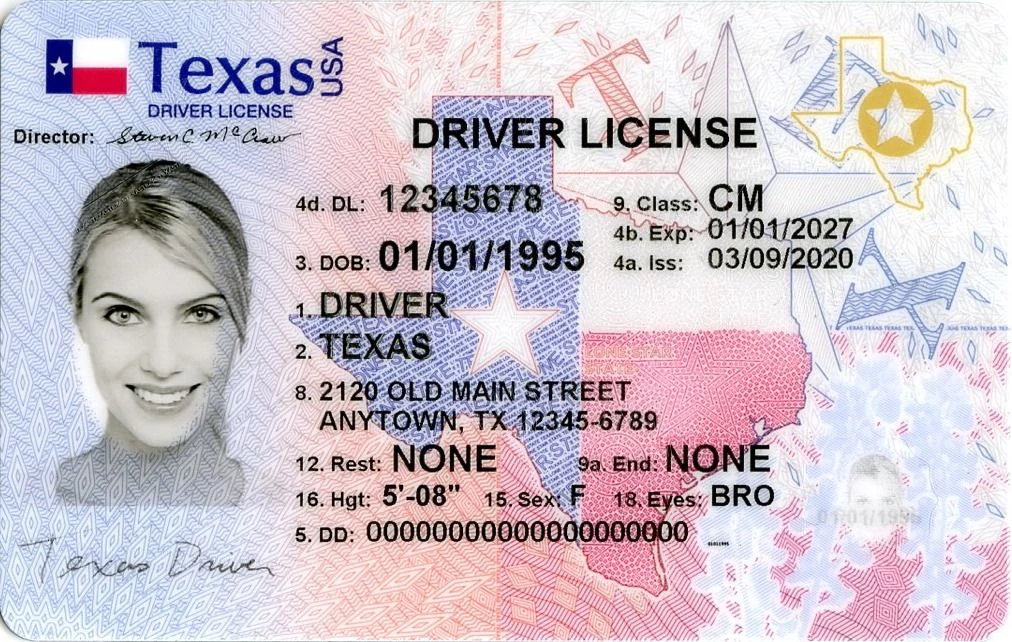
The Application Process: From Learner’s Permit to Full License
Once your documentation is in order, the actual application process unfolds in several stages:
- Application Submission and Fees: Visit a DPS office, submit your application, and pay the required fees. Appointments are often recommended or even mandatory, especially in larger cities like Austin and San Antonio, to reduce wait times.
- Vision Test: A simple vision screening is conducted to ensure your eyesight meets the minimum standards for driving.
- Written Knowledge Test: This exam assesses your understanding of Texas traffic laws and road signs. Many driver education courses adequately prepare individuals for this. You can also find free online practice tests.
- Impact on Travel Planning: Passing these tests efficiently is key. For those on a tight schedule, perhaps for a business stay that extends, or for family trips that rely on personal transport, delays here can disrupt broader plans.
- Behind-the-Wheel Driving Test: This is the practical examination where you demonstrate your ability to safely operate a vehicle. If you’re a new driver, practicing extensively with an instruction permit is crucial. Even experienced drivers moving from another state might benefit from familiarizing themselves with Texas driving conventions.
- Fingerprints and Photo: Upon successful completion of all tests, your fingerprints are taken, and a photo is captured for your new license.
- Temporary License and Receiving Your Card: You’ll typically receive a temporary paper license immediately, valid until your permanent plastic card arrives in the mail, usually within a few weeks.
This systematic approach, though seemingly bureaucratic, ensures a high standard of driver competency. For anyone seeking to embrace the Texas lifestyle and explore its rich tourism offerings independently, mastering this process is a vital step.
A Texas Driver’s License: Your Passport to Unforgettable Texas Adventures
Beyond being a legal requirement, a Texas Driver’s License is truly a passport to the boundless adventures that await in the Lone Star State. Texas’s immense size and diverse landscapes mean that personal transportation often provides the most immersive and flexible travel experiences.
Unlocking Texas’s Vast Travel Landscape
The sheer scale of Texas demands the freedom of a private vehicle for comprehensive exploration. From bustling urban centers to serene natural landmarks and unique attractions, a driver’s license makes every corner of the state accessible.
- Iconic Road Trips: Imagine the freedom of a road trip to Big Bend National Park, where rugged mountains meet vast desert expanses. Or perhaps a scenic drive through the Texas Hill Country, dotted with vineyards, charming small towns, and picturesque rivers. These destinations are often remote and best experienced at your own pace, stopping wherever a view or local eatery catches your eye. Other epic journeys might include exploring the canyons of Palo Duro Canyon State Park in the Panhandle Plains or soaking up the sun on South Padre Island along the Gulf Coast.
- Beyond Public Transport: While major cities like Houston, Dallas, Austin, and San Antonio offer varying degrees of public transportation, many of Texas’s most compelling attractions and local culture are simply unreachable without a car. Consider a visit to the historic sites around The Alamo in San Antonio, an exploration of the NASA Johnson Space Center in Houston, or a music-filled evening on Sixth Street in Austin. Having your own vehicle allows for spontaneity and the ability to discover hidden gems off the beaten path.
- Flexible Accommodation Choices: With a driver’s license, your choices for accommodation expand dramatically. You’re no longer confined to hotels or apartments within walking distance of public transport hubs. You can opt for secluded resorts in the countryside, charming villas in historic districts, or boutique hotels that offer unique experiences but might require a short drive. This flexibility allows for better price comparison and the chance to find stays that perfectly match your desired amenities and atmosphere.
Beyond the Wheel: Lifestyle and Tourism Benefits
The utility of a Texas Driver’s License extends far beyond merely operating a vehicle. It’s a foundational document that streamlines many aspects of modern life and significantly enhances tourism and lifestyle within the state.
- Official Identification: Your driver’s license serves as a primary form of official identification across the United States. It’s essential for domestic air travel, checking into hotels, purchasing age-restricted goods, or even proving your identity for various administrative tasks. For tourists, particularly those on long-term stays or considering relocation, having a locally recognized ID is invaluable.
- Seamless Integration into Texas Life: For new residents, a Texas Driver’s License symbolizes a deeper integration into the community. It simplifies tasks like opening bank accounts, signing up for services, and generally navigating daily life. This contributes to a smoother transition and a more enjoyable lifestyle.
- Budget Travel vs. Luxury Travel: Whether you prefer budget travel or luxury travel, a driver’s license empowers your choices. For the budget-conscious, it allows access to more affordable accommodation and the ability to transport your own food and supplies, cutting down on expenses. For those indulging in luxury travel, it enables private tours, chauffeured services (if not driving yourself), and the freedom to visit exclusive resorts or remote villas without logistical headaches.
- Family Trips Made Easier: Traveling with family, especially children, often necessitates the convenience and flexibility of a private vehicle. A driver’s license allows you to pack all essentials, adhere to children’s schedules, and access family-friendly attractions at your leisure. From visiting zoos and museums in the city to exploring state parks, personal transport is often indispensable for a smooth family adventure.
- Enhanced Business Stays: For professionals on business stays in Texas, having a driver’s license can be a significant advantage. It allows for independent travel to meetings, client sites, and networking events, especially if public transit options are limited. This autonomy can save time and reduce reliance on expensive taxis or rideshares, enhancing productivity and comfort during a work trip.
In essence, the modest cost and effort involved in obtaining a Texas Driver’s License are a small price to pay for the expansive opportunities and enhanced quality of life it provides within the state.
Alternatives for Visitors and Short-Term Stays
While a Texas Driver’s License offers unparalleled freedom, not every visitor or short-term tourist will need or be able to obtain one. For those staying for a limited period or exploring Texas without making it their primary residence, several alternatives can facilitate travel and tourism effectively.

Navigating Texas Without a Local License
Understanding these options is vital for anyone planning a trip to Texas who doesn’t intend to get a local license.
- International Driver’s Permit (IDP) with Foreign License: For international visitors, an International Driver’s Permit (IDP) is highly recommended, and often required, when paired with a valid driver’s license from their home country. An IDP is a translation of your license into multiple languages and is recognized in over 150 countries, including the United States. It allows you to legally drive and rent a car in Texas for up to one year, provided your foreign license remains valid. This is particularly useful for tourists from countries like Canada, Mexico, and European nations, enabling them to enjoy road trips and explore various destinations.
- Public Transportation in Major Cities: Texas’s largest cities offer a range of public transportation options.
- Houston boasts METRORail and extensive bus routes, connecting downtown, the Museum District, and other key areas.
- Dallas is served by DART (Dallas Area Rapid Transit), which includes light rail, buses, and commuter rail, making it easy to reach attractions like the Dallas Arts District or Uptown.
- Austin‘s Capital Metro provides bus and limited rail services, useful for navigating the downtown area and major university campuses.
- San Antonio‘s VIA Metropolitan Transit offers bus services to the River Walk, The Alamo, and other popular spots.
While useful within city limits, these systems typically don’t extend to more rural landmarks or state parks.
- Rideshares and Taxis: Services like Uber and Lyft are readily available in all major Texas cities and provide convenient, on-demand transportation. Taxis are also an option, particularly at airports and popular hotel zones. These services are excellent for short distances, evenings out, or travel to and from airports, but can become costly for extensive daily use or longer excursions.
- Guided Tours: For those who prefer a hands-off approach to exploration, numerous companies offer guided tours to popular Texas destinations and attractions. These can range from bus tours of city landmarks to specialized excursions to wine regions or natural parks. Guided tours often include transportation, commentary, and pre-arranged itineraries, offering a stress-free way to experience the state. They are a good choice for those who want to absorb local culture without worrying about navigation.
- Choosing Hotels Based on Accessibility: For visitors without a local license or car, selecting accommodation strategically is key. Opt for hotels located near public transport stops, in walkable downtown areas, or close to major attractions. Many hotels, especially luxury hotels or resorts, offer shuttle services to nearby points of interest or airport transfers, which can significantly enhance convenience. When making bookings, always check reviews and amenities regarding transportation accessibility.
Ultimately, while a Texas Driver’s License is a powerful tool for comprehensive exploration, Texas remains welcoming to all travelers, with options available to suit various preferences and lengths of stay.
In conclusion, the cost of a Texas Driver’s License is a relatively modest investment, typically ranging from $16 to $33 for standard licenses, with additional fees for driving education if required. Beyond the financial aspect, the process of obtaining it is a clear pathway to unlocking unparalleled freedom and flexibility within the vast and diverse landscape of the Lone Star State. For residents and long-term stays, this license is more than just a document; it’s a critical component of daily lifestyle and an enabler of spontaneous travel and deep engagement with Texas’s rich culture, landmarks, and natural wonders. While alternatives exist for short-term visitors, the autonomy and convenience offered by a Texas Driver’s License make it an invaluable asset for anyone looking to truly experience all that Texas has to offer, from its bustling cities to its quiet, awe-inspiring open roads.
LifeOutOfTheBox is a participant in the Amazon Services LLC Associates Program, an affiliate advertising program designed to provide a means for sites to earn advertising fees by advertising and linking to Amazon.com. Amazon, the Amazon logo, AmazonSupply, and the AmazonSupply logo are trademarks of Amazon.com, Inc. or its affiliates. As an Amazon Associate we earn affiliate commissions from qualifying purchases.