
Life often takes unexpected turns, especially for those embracing a lifestyle of travel, extended stays, or dynamic career paths. Whether you’ve just landed a dream remote job that lets you work from anywhere, discovered a new passion for exploring a different region, or simply need to adjust your living situation, the prospect of breaking a lease can be daunting. In a state as vast and diverse as Texas, understanding the nuances of landlord-tenant law is paramount. This guide is specifically crafted for individuals navigating accommodation changes, providing a clear roadmap on how to approach early lease termination while safeguarding your financial well-being and rental history.

For many, a lease agreement represents a commitment that aligns with stability. However, for digital nomads, temporary assignment workers, students, or those simply exploring new cities like Austin, Dallas, or Houston, circumstances can shift rapidly. Perhaps a short-term project in Dallas extended into a longer-term opportunity in San Antonio, or a planned exploration of the South Padre Island coast requires a more permanent move. In such scenarios, knowing your rights and obligations when it comes to breaking a lease is not just practical; it’s essential for seamless transitions in your lifestyle and travel plans. Ignoring these legalities can lead to significant financial penalties, damage to your credit score, and even future difficulties securing desirable accommodation, whether it’s a luxury suite or a budget-friendly apartment. This article will delve into the legal grounds for early termination, explore negotiation strategies, and highlight the potential consequences, all while keeping the perspective of the modern traveler and long-term stayer in mind.
Understanding Your Lease Agreement in Texas
The foundation of any landlord-tenant relationship is the lease agreement. Before taking any action to terminate your lease early, a thorough review of this document is not just advisable; it’s absolutely critical. Your lease is a legally binding contract that outlines the terms and conditions of your tenancy, including the duration, rent amount, responsibilities of both parties, and, crucially, clauses related to early termination.
The Importance of Reviewing Your Contract
Every lease is unique, and while general Texas law applies, specific clauses within your agreement can significantly impact your options. Look for sections titled “Early Termination,” “Breach of Contract,” “Subletting,” or “Assignment.” These sections often detail the landlord’s policies regarding ending a lease prematurely. Some leases may include a specific early termination fee or a buyout clause, which allows you to pay a predetermined amount (often equivalent to two or three months’ rent) to exit the agreement without further liability. While this might seem like a substantial sum, it can often be a more predictable and less stressful option than facing potential lawsuits or ongoing rent payments.
Pay close attention to notice requirements. Even if you have a valid legal reason to break the lease, proper written notice is almost always required. The lease will specify how much notice you need to give (e.g., 30, 60, or 90 days) and the acceptable methods for delivering that notice (e.g., certified mail, in-person delivery with a signed receipt). Failing to adhere to these notice requirements can invalidate your claim or expose you to additional penalties, even if you are otherwise justified in breaking the lease. Additionally, understand your responsibilities regarding property condition upon vacating and any specific move-out procedures outlined in the contract. Ignoring these details can lead to deductions from your security deposit, which is often a point of contention between landlords and tenants.
Key Legal Frameworks: The Texas Property Code
In Texas, landlord-tenant relations are primarily governed by the Texas Property Code, specifically Chapter 92. This code provides a baseline of rights and responsibilities that cannot be overridden by a lease agreement. Understanding these statutory protections is crucial because if a clause in your lease contradicts the Texas Property Code, the code generally takes precedence.
For instance, the Texas Property Code outlines the landlord’s duty to mitigate damages. This means that if you break your lease, the landlord is legally obligated to make a reasonable effort to find a new tenant as quickly as possible. They cannot simply let the property sit vacant and charge you for the entire remaining lease term. While this doesn’t absolve you of responsibility, it does limit the amount of financial liability you might face. The Code also specifies when a tenant can legally withhold rent (under very specific conditions related to landlord’s failure to make repairs affecting health and safety) and provides recourse for tenants experiencing issues like lockouts or utility shutoffs by the landlord. Familiarizing yourself with these fundamental legal tenets empowers you to negotiate from a position of knowledge and assert your rights if necessary. It is always wise to consult with a legal professional specializing in Texas landlord-tenant law if you are unsure about any aspect of your lease or the applicable statutes.
Legally Justified Reasons to Break a Lease in Texas
While breaking a lease without cause can lead to significant penalties, Texas law recognizes several specific situations where a tenant may legally terminate a lease early without penalty. These are often referred to as “statutory rights” and are designed to protect tenants in challenging circumstances. For travelers and those on long-term assignments, some of these provisions are particularly relevant.
Military Deployment or Relocation
One of the most common and clear-cut reasons to legally break a lease in Texas applies to servicemembers. The Servicemembers Civil Relief Act (SCRA) is a federal law that offers broad protections to active-duty military personnel, members of the National Guard and military reserves called to active duty, and commissioned officers of the Public Health Service or National Oceanic and Atmospheric Administration. Under the Servicemembers Civil Relief Act, if you enter military service after signing a lease, or if you receive permanent change of station (PCS) orders or deployment orders for 90 days or more, you have the right to terminate your lease early.
To exercise this right, you must provide written notice to your landlord, along with a copy of your military orders. The termination becomes effective 30 days after the next rent payment is due, following the date of your notice. For instance, if you pay rent on the first of the month and give notice on June 15th, your lease would terminate on July 31st. This protection is invaluable for military families stationed at bases like Fort Hood, Joint Base San Antonio, or Lackland Air Force Base, who often face unpredictable relocation schedules. It ensures that military members are not unduly burdened by civilian housing contracts while serving their country, making their transitions smoother as they move between duty stations across Texas or beyond.
Domestic Violence, Sexual Assault, or Stalking
Texas law provides critical protections for tenants who are victims of domestic violence, sexual assault, or stalking. Under Chapter 92.016 of the Texas Property Code, a tenant or a tenant’s occupant who is a victim of such acts may terminate their lease early without penalty. This requires providing the landlord with written notice of termination and documentation of the victim’s status, such as a temporary injunction, protective order, or a copy of a police report.
This provision acknowledges the severe and immediate danger victims face, allowing them to escape unsafe living situations quickly. The law aims to remove barriers that might trap individuals in harmful environments, providing a crucial safety net. The lease terminates immediately upon the notice and documentation being provided, offering prompt relief. This is a vital aspect of tenant protection in Texas that ensures personal safety can override contractual obligations when life is at risk.
Landlord Breaches and Uninhabitable Conditions
Landlords have a legal obligation to provide a safe and habitable living environment. If a landlord fails to uphold their end of the lease agreement, particularly concerning repairs that affect a tenant’s health and safety, the tenant may have grounds to terminate the lease early without penalty. This includes, but is not limited to, issues such as lack of running water, sewage problems, unaddressed structural defects, or failure to repair heating/cooling systems in extreme weather, especially in the hot Texas climate.
However, specific steps must be followed. The tenant must first provide written notice to the landlord, detailing the problem and giving them a reasonable amount of time (usually seven days, but check your lease for specifics) to make the repair. If the landlord fails to address the issue after proper notice, the tenant may then have the right to terminate the lease and move out. It’s crucial to document everything: dates of notices, copies of communications, photos or videos of the problem, and any related expenses. Self-help remedies, such as simply stopping rent payments or moving out without proper notice, are generally not advised, as they can put the tenant in breach of the lease. For someone on a long-term assignment in a new city like Fort Worth or El Paso, encountering such conditions can be particularly frustrating and disruptive, making these legal protections all the more important.
Other Potential Justifications
While less common, other circumstances might also provide legal grounds for early lease termination in Texas. These include situations where the landlord harasses the tenant, violates their privacy rights (e.g., entering the property without proper notice), or if the rental unit becomes completely unusable due to a natural disaster or unforeseen event (e.g., a fire or flood that makes the property uninhabitable). Additionally, if a tenant dies, their estate may have the right to terminate the lease, though specific procedures and responsibilities for rent payment until a new tenant is found may apply.
It’s also worth noting that if your lease contains illegal clauses or was obtained through fraudulent means, it might be deemed unenforceable, potentially allowing for early termination. However, these situations are often complex and typically require legal counsel to navigate effectively. The key takeaway is always to consult with an attorney specializing in Texas landlord-tenant law before unilaterally deciding to break a lease, even if you believe you have a strong legal justification. They can provide advice specific to your situation and ensure you follow the correct legal procedures, minimizing your risk.
Negotiating an Early Lease Termination with Your Landlord
Even without a legally justified reason, it’s often possible to negotiate an early termination with your landlord. This is particularly relevant for those whose travel or lifestyle plans change unexpectedly and fall outside the strict legal protections. Approaching your landlord with a cooperative attitude and a clear proposal can save both parties time, money, and stress.
Open Communication and Mutual Agreement
The most amicable and often most cost-effective way to break a lease early is to simply talk to your landlord. Explain your situation honestly and transparently. Perhaps you received an amazing job offer that requires you to relocate to Galveston, or your long-term hotel stay has concluded and you need to move out of your temporary apartment. Landlords are people too, and they may be more understanding than you think, especially if you have been a good tenant.
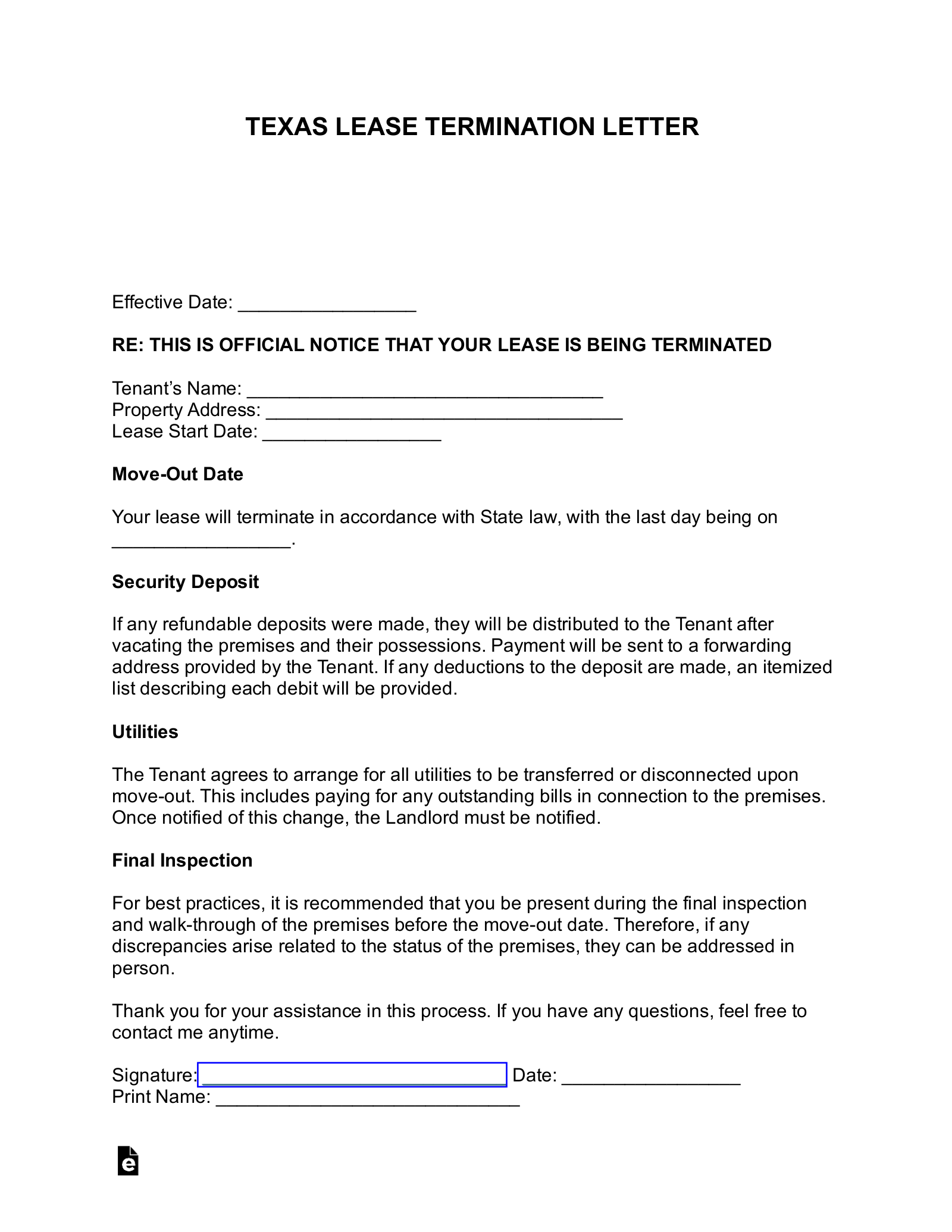
When initiating this conversation, put your request in writing. This creates a record of your communication and ensures there are no misunderstandings. Propose a specific date you wish to vacate and ask about any potential fees or requirements for an early release. Some landlords might be willing to terminate the lease with a penalty fee, which could be less than the cost of multiple months’ rent. This mutual agreement, often formalized in a written “Lease Termination Agreement,” outlines the terms of your departure, including any financial obligations, the return of your security deposit, and the condition the property must be in. A clear agreement protects both you and the landlord and helps maintain a positive rental history, which is invaluable for future accommodation searches, whether it’s for a suite at a Hyatt in Houston or a furnished apartment in Austin.
Finding a Replacement Tenant (Subletting or Assignment)
As mentioned earlier, Texas landlords have a duty to mitigate damages, meaning they must make reasonable efforts to re-rent the property if a tenant breaks a lease. However, you can significantly assist this process and reduce your financial liability by actively helping to find a replacement tenant.
This could involve subletting or assigning your lease.
- Subletting means you remain the primary tenant, responsible for the lease, but a subtenant lives in the property and pays rent to you. You then pay the landlord. Your lease agreement must allow subletting, or your landlord must give explicit permission.
- Assignment means you transfer your entire lease and all its responsibilities to a new tenant. Once the lease is assigned and the landlord approves the new tenant, you are typically no longer responsible for the lease.
Many landlords prefer assignment over subletting because it creates a direct relationship with the new tenant. To successfully find a replacement, consider advertising the unit yourself, ensuring the prospective tenants are qualified and meet the landlord’s criteria. Be prepared to pay for background checks or application fees for new applicants. By proactively finding a suitable replacement, you demonstrate good faith and help the landlord fill the vacancy quickly, which can greatly reduce the amount of rent you are responsible for paying. This is a common strategy for individuals on temporary assignments in major Texas cities who might need to leave before their lease is up.
Offering a Buyout Option
If your lease doesn’t have an early termination clause, or if you can’t find a replacement tenant quickly, offering a buyout option is another negotiation strategy. This involves proposing a lump-sum payment to your landlord in exchange for releasing you from the lease. The amount is typically negotiable, but a common figure is two to three months’ rent.
From the landlord’s perspective, a buyout offers immediate compensation and certainty, allowing them to avoid the hassle and potential delay of finding a new tenant and potentially chasing you for unpaid rent. From your perspective, it provides a clean break, limits your financial liability to a known amount, and protects your credit and rental history. This can be an attractive option for someone who needs to relocate quickly for a new opportunity and wants to avoid ongoing obligations. Always get any buyout agreement in writing, clearly stating that upon payment, you are fully released from all future lease obligations. This formalizes the agreement and prevents future disputes.
Consequences of Improperly Breaking a Lease in Texas
While the desire for flexibility is strong, improperly breaking a lease in Texas can have severe and lasting repercussions. It’s crucial to understand these potential consequences before making a decision that could impact your financial stability and future accommodation prospects.
Financial Penalties
The most immediate and tangible consequence of improperly breaking a lease is financial. Under Texas law, you remain responsible for paying rent for the remainder of your lease term, or until the landlord finds a new, qualified tenant, whichever comes first. While landlords have a duty to mitigate damages by re-renting the property, this doesn’t happen overnight, and you will be liable for the rent during the vacancy period.
In addition to lost rent, you may also be responsible for other costs incurred by the landlord due to your early departure. These can include re-letting fees (to cover the administrative costs of finding a new tenant), advertising expenses to market the property, and potentially the cost of any incentives offered to attract a new tenant (e.g., a discounted first month’s rent). Your security deposit will almost certainly be withheld to cover these costs, and if they exceed the deposit amount, the landlord can pursue you for the difference. For travelers who value financial freedom and budget control, these unpredictable costs can be extremely disruptive, making careful planning and negotiation essential.
Impact on Credit Score and Rental History
Beyond immediate financial costs, improperly breaking a lease can have long-term repercussions on your credit score and rental history. If you fail to pay the rent you owe or refuse to cover other legitimate costs, the landlord may report the unpaid debt to credit bureaus. This can negatively impact your credit score, making it harder to secure loans, credit cards, or even certain jobs in the future.
Furthermore, a negative mark on your rental history can severely hinder your ability to rent another property. Future landlords will typically conduct background checks and may contact previous landlords. A history of breaking leases or failing to pay rent will make you a less desirable tenant, potentially forcing you into less ideal living situations or requiring you to pay higher security deposits. This is a significant concern for individuals who frequently move for work or leisure, as a clean rental record is often a prerequisite for desirable accommodation worldwide, from short-term hotel stays to long-term apartment leases in popular tourist destinations like San Antonio or resort areas near Big Bend National Park or Padre Island National Seashore.
Potential Lawsuits
In the most extreme cases, if you abandon the property and fail to pay the amounts owed, your landlord may decide to sue you in small claims court or a higher court, depending on the amount in dispute. A judgment against you can result in wage garnishment, bank account levies, or liens on your property. While landlords generally prefer to avoid court, they will pursue legal action if the financial loss is substantial and they believe they have a strong case. Engaging in a lawsuit is a time-consuming, expensive, and stressful process for both parties, making proactive communication and negotiation the far more preferable path. This is especially true for someone whose lifestyle involves frequent travel, as court appearances can be logistically challenging and disruptive to global plans.
Tips for Travelers and Those Seeking Flexible Accommodation
For individuals whose lives involve frequent relocation, extended trips, or a desire for flexible living arrangements, traditional long-term leases can be a significant constraint. Understanding alternatives and planning ahead can prevent the need to prematurely break a lease in Texas or any other location.
Short-Term Rentals and Extended Stays
Instead of committing to a standard 12-month lease, consider accommodation options designed for shorter or more flexible durations.
- Serviced Apartments: These fully furnished apartments offer amenities similar to a hotel (e.g., housekeeping, concierge services) but provide the space and convenience of an apartment. They are ideal for stays ranging from a few weeks to several months and often have more flexible lease terms. Companies like Extended Stay America specialize in this model, with locations in major Texas cities.
- Long-Term Hotel Stays: Many hotel chains, such as Marriott, Hilton, and Hyatt, offer discounted rates for extended stays. These can be particularly attractive for those needing temporary housing, providing flexibility without the legal commitments of a lease. They are also an excellent way to experience different neighborhoods in cities like Houston before committing to a long-term rental.
- Month-to-Month Leases: Some landlords or property management companies offer month-to-month rental agreements. While these typically come with a higher monthly rent, they provide maximum flexibility, allowing you to give notice and vacate with just 30 days’ notice, avoiding the complexities of early lease termination.
- Vacation Rentals (Airbnb, Vrbo): For truly short-term needs, platforms like Airbnb and Vrbo offer a wide range of properties, from apartments to houses, with daily or weekly rates. While not suitable for very long stays due to cost, they are perfect for transitional periods or specific travel experiences around iconic Texas landmarks like The Alamo or exploring the Riverwalk in San Antonio, or even near Space Center Houston.
Understanding Different Accommodation Models
When planning your moves or long-term travel, it’s beneficial to differentiate between traditional rental agreements and more flexible accommodation models. A conventional lease locks you in for a fixed term, providing stability but reducing agility. Flexible models, however, prioritize your changing needs.
Consider your priorities:
- Cost vs. Flexibility: Traditional leases are often cheaper per month for long terms but lack flexibility. Flexible options like serviced apartments or long-term hotel stays might be more expensive monthly but save you money and stress if your plans change.
- Amenities and Services: Hotels and serviced apartments often include utilities, internet, cleaning, and sometimes even breakfast, simplifying your daily life. Traditional rentals require you to set up and pay for these services separately.
- Furnished vs. Unfurnished: Many flexible accommodation options come fully furnished, which is ideal for travelers or those on temporary assignments who don’t want the hassle or expense of moving furniture.
By understanding these distinctions and planning your housing choices in advance, you can align your accommodation with your lifestyle and travel needs, minimizing the likelihood of needing to break a lease unexpectedly. This proactive approach is key to enjoying a seamless experience in your journeys across Texas and beyond, whether you’re focusing on luxury travel or sticking to a budget travel plan.

Conclusion
Navigating the complexities of breaking a lease in Texas can be a challenging endeavor, particularly when unforeseen circumstances arise, impacting your travel or long-term stay plans. However, by understanding your rights, obligations, and available options, you can approach the situation with confidence and minimize potential repercussions. The first and most critical step is always to thoroughly review your lease agreement and familiarize yourself with the relevant provisions of the Texas Property Code.
Whether you’re protected by statutory rights due to military orders or a victim of domestic violence, or if you need to negotiate a mutual termination due to a change in your lifestyle, open communication with your landlord is paramount. Proactively assisting in finding a replacement tenant or offering a reasonable buyout can transform a potentially contentious situation into an amicable resolution. Conversely, improperly breaking a lease can lead to significant financial penalties, damage to your credit score, and create hurdles for future accommodation bookings, whether you’re looking for a new apartment or a hotel for your next tourism adventure.
For those embracing a dynamic lifestyle that involves frequent moves or extended stays, foresight is key. Exploring flexible accommodation options such as month-to-month leases, serviced apartments, or long-term hotel stays can provide the agility needed without the stress of breaking a fixed-term contract. Ultimately, informed decision-making and strategic planning are your best allies in ensuring your living arrangements seamlessly support your global adventures and personal aspirations in Texas and beyond. When in doubt, always seek professional legal advice to ensure you navigate your specific situation effectively and lawfully.
LifeOutOfTheBox is a participant in the Amazon Services LLC Associates Program, an affiliate advertising program designed to provide a means for sites to earn advertising fees by advertising and linking to Amazon.com. Amazon, the Amazon logo, AmazonSupply, and the AmazonSupply logo are trademarks of Amazon.com, Inc. or its affiliates. As an Amazon Associate we earn affiliate commissions from qualifying purchases.