
The allure of owning a piece of the vast, diverse landscape of Texas is a dream shared by many, from seasoned investors to individuals yearning for a tranquil escape or a vibrant new beginning. The Lone Star State, known for its independent spirit and expansive horizons, offers an unparalleled variety of land, from rolling Hill Country vistas and dense Piney Woods to fertile plains and arid West Texas expanses. Whether you envision a sprawling ranch, a serene retreat, a future development project, or simply a strategic investment, the process of acquiring land in Texas is a journey that blends excitement with meticulous planning.
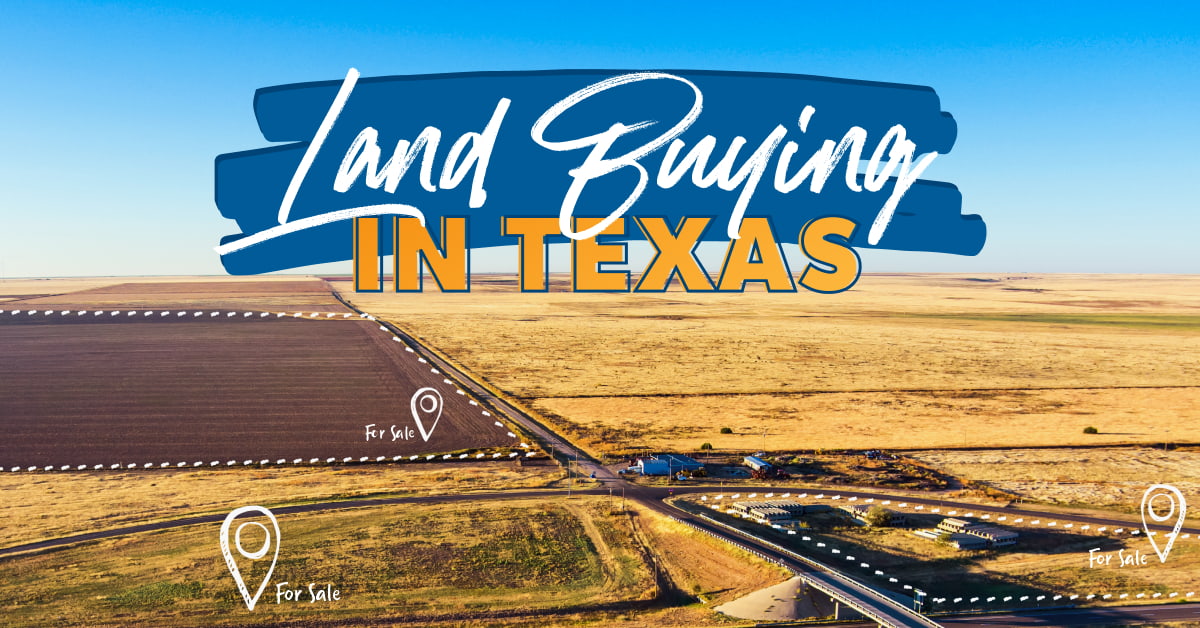
This comprehensive guide is tailored for anyone looking to navigate the unique landscape of Texas land acquisition. We’ll delve into everything from understanding the market’s nuances and identifying your ideal property to the legalities of closing a deal and embracing the rewarding lifestyle that comes with being a Texas landowner. With its booming economy, rich cultural tapestry, and seemingly endless opportunities for travel and adventure, Texas presents a compelling case for land ownership, promising not just a parcel of earth, but a gateway to a distinctive way of life.
Why Texas? Unveiling the Lone Star State’s Allure
Texas isn’t just a state; it’s a phenomenon. Its magnetic appeal lies in a potent combination of robust economic growth, diverse natural beauty, and a deeply ingrained culture that welcomes new residents and investors alike. For those considering land acquisition, understanding this multifaceted allure is the first step in appreciating the value and potential of a Texas property.
Diverse Landscapes and Thriving Regions
The sheer geographical diversity of Texas is astounding, offering something for every preference. The central Hill Country, characterized by its stunning limestone canyons, spring-fed rivers, and charming towns like Fredericksburg and Wimberley, is a magnet for those seeking scenic beauty, outdoor recreation, and a burgeoning wine industry. Its proximity to major metropolitan areas like Austin and San Antonio makes it particularly attractive for commuters or those desiring a rural escape with urban amenities within reach.
To the east, the Piney Woods region offers lush forests, abundant lakes, and a humid climate, reminiscent of the deep south. This area is perfect for those who dream of a secluded cabin, timber investments, or a property rich in wildlife. Along the Gulf Coast, from Galveston to Corpus Christi, land opportunities range from beachfront properties to wetlands ideal for fishing and birdwatching, catering to a lifestyle centered around water.
Moving westward, the landscape dramatically shifts to the semi-arid beauty of West Texas, home to vast ranchlands, dramatic mountain ranges, and iconic natural wonders like Big Bend National Park. This region appeals to those seeking solitude, starry nights, and a connection to true wilderness. The Panhandle in the north offers fertile agricultural lands and open skies, ideal for farming or large-scale ranching operations. Each region presents unique characteristics, infrastructure, and market dynamics, requiring careful consideration based on your specific goals and lifestyle aspirations.
Economic Growth and Lifestyle Opportunities
Beyond its natural splendor, Texas’s booming economy is a major draw for land buyers. The state consistently ranks among the top for job growth and business relocation, attracting major corporations and fostering a dynamic entrepreneurial environment. Cities like Dallas, Fort Worth, Houston, and Austin are powerhouses of innovation, offering diverse employment sectors from tech and finance to energy and healthcare. This economic vitality translates into a strong real estate market, with consistent demand for both residential and commercial properties, including raw land for future development.
The lifestyle opportunities associated with Texas land ownership are equally compelling. Imagine weekends spent exploring the vibrant Riverwalk in San Antonio, attending a concert at the historic Gruene Hall, or immersing yourself in the rich history of the Alamo. For outdoor enthusiasts, the state offers unparalleled hunting, fishing, hiking, and equestrian activities. Owning land provides the canvas to build a custom home, establish a working farm or ranch, or even develop a unique hospitality venture like a bed and breakfast or a glamping site, catering to the growing tourism sector. The relatively low cost of living compared to other major states, combined with no state income tax, further enhances the financial attractiveness of settling down in Texas.
Navigating the Texas Land Market: What You Need to Know
The Texas land market is as diverse as its geography, presenting both immense opportunities and unique challenges. Successful navigation requires a solid understanding of land types, value determinants, key resources, and crucial due diligence. This foundational knowledge will empower you to make informed decisions and find a property that aligns perfectly with your vision.
Understanding Land Types and Values
Before diving into listings, it’s essential to familiarize yourself with the common types of land available in Texas and what typically drives their value.
- Raw Land: Undeveloped acreage, often without utilities, roads, or improvements. Its value is largely based on location, topography, access, and potential for future development.
- Recreational Land: Land primarily used for hunting, fishing, ATV riding, or other leisure activities. Features like water sources (creeks, ponds), varied terrain, and wildlife populations significantly impact its appeal and price.
- Agricultural Land: Ranches, farms, and timberland. Value is influenced by soil quality, water rights, existing infrastructure (fencing, barns), and eligibility for agricultural exemptions, which can significantly reduce property taxes.
- Development Land: Parcels strategically located for future residential, commercial, or industrial projects. Proximity to urban centers like Houston, Dallas, or San Antonio, zoning, and utility access are prime value drivers.
Land values in Texas are dynamic, influenced by a myriad of factors including market demand, interest rates, economic trends, population growth in nearby cities like College Station or Waco, and even specific features like frontage on a highway or a river. Researching comparable sales in your target region is crucial for understanding fair market value.
Key Players and Resources in Your Search
Finding the right piece of land requires leveraging expert assistance and reliable resources.
- Real Estate Agents: A qualified land specialist real estate agent, particularly one with deep knowledge of rural properties, is invaluable. They understand specific land considerations (e.g., mineral rights, easements, agricultural exemptions) that standard residential agents might overlook. They can help you identify suitable properties, negotiate, and guide you through the complexities of a land transaction.
- Online Listings and Databases: Websites like Lands of Texas, LandWatch, and LoopNet (for commercial land) are excellent starting points. Many local Multiple Listing Service (MLS) databases also feature land listings.
- Land Auctions: Public and private auctions can be a source of good deals, though they often come with specific terms (e.g., “as-is” sales, shorter inspection periods) that require careful consideration and preparation.
- Local Networks: Sometimes, the best deals are found through word-of-mouth or by directly approaching landowners in areas you’re interested in, especially in less developed regions.
Crucial Due Diligence Steps
Thorough due diligence is paramount when buying land, often more so than with developed properties.
- Title Search: This is non-negotiable. A title company will research the property’s history to ensure clear ownership, identify any existing liens, easements, or encumbrances that could affect your use of the land.
- Survey: Commissioning a new survey is highly recommended to verify property lines, acreage, and identify any encroachments.
- Zoning and Land Use Regulations: Understand local county or municipal zoning ordinances, building codes, and any restrictions on land use. This is crucial for determining if your intended use (e.g., building a home, starting a business, subdividing) is permissible.
- Utilities and Access: Verify access to essential utilities like water, electricity, and sewer/septic feasibility. For rural land, assessing water sources (wells, municipal water lines, rainwater harvesting potential) and power line proximity is vital. Easements for utility lines or ingress/egress should be clearly understood.
- Mineral Rights: In Texas, surface rights and mineral rights can be severed and owned by different parties. Clarify who owns the mineral rights and if there are any existing oil, gas, or other mineral leases that could impact your enjoyment or use of the property.
- Environmental Assessments: For larger parcels or land with a history of industrial or agricultural use, an environmental assessment (Phase I ESA) may be prudent to identify potential contamination issues.
- Flood Zones and Topography: Consult FEMA flood maps and review topographical maps. Understanding the land’s elevation, drainage patterns, and potential for flooding is critical for construction and long-term use.
The Step-by-Step Process: From Vision to Ownership
Once you’ve done your market research and initial due diligence, the actual process of purchasing land in Texas involves a series of structured steps, from defining your requirements to closing the deal. Adhering to this process, ideally with professional guidance, ensures a smooth and secure transaction.
Defining Your Purpose and Budget
Before you start looking at specific parcels, clarify your ultimate goal for the land. Are you seeking:
- A personal residence or vacation home? This impacts desired location, access to amenities, and building requirements.
- An investment property? Your focus might shift to growth potential, development possibilities, or agricultural income.
- Recreational use? Prioritize features like water access, timber, or hunting opportunities.
- Commercial development? Proximity to infrastructure, traffic counts, and zoning become paramount.
Your purpose will directly influence your budget. Factor in not just the purchase price, but also potential costs for:
- Due diligence: Surveys, appraisals, environmental reports.
- Closing costs: Title insurance, attorney fees, recording fees.
- Improvements: Utility installation, roads, septic systems, clearing, fencing.
- Property taxes: Texas has no state income tax, but property taxes can be substantial. Research tax rates for your desired county and explore agricultural or wildlife exemptions if applicable, which can significantly reduce your tax burden.
Securing Financing for Your Texas Dream
Unlike traditional home loans, financing raw land can be different.
- Cash Purchase: The simplest method, offering strong negotiating power.
- Traditional Bank Loans: Many banks offer specific land loans, but they often require a larger down payment (20-50%) and may have shorter repayment terms and higher interest rates than residential mortgages. Lenders prefer improved land with existing utilities.
- Rural Land Lenders: Specialized lenders focus exclusively on rural properties and undeveloped land. They may be more flexible with terms and understand the unique aspects of agricultural or recreational land.
- Seller Financing: Sometimes, the seller may be willing to finance a portion of the purchase, especially for unique properties or in slower markets. This can offer more flexible terms but requires careful legal review of the contract.
- Home Equity Loan/Line of Credit: If you own an existing home, you might be able to leverage its equity to finance a land purchase.
Shop around for the best rates and terms, and get pre-approved before seriously engaging with sellers. This demonstrates your financial readiness and strengthens your offer.
Making an Offer and Sealing the Deal
Once you’ve identified a suitable property and completed your preliminary due diligence, the next steps involve negotiation and formalizing the purchase.
- Making an Offer: Your real estate agent will help you prepare a written offer using a standard Texas Real Estate Commission (TREC) contract or a similar specific land contract. The offer will include the purchase price, earnest money deposit, contingencies (e.g., subject to survey, appraisal, financing, environmental inspections), and a proposed closing date.
- Negotiation: Be prepared for a back-and-forth negotiation with the seller. A skilled agent can be instrumental in securing favorable terms.
- Contract Execution: Once both parties agree, the contract is signed, and the earnest money is typically deposited with a title company.
- Due Diligence Period: The contract will specify a period for you to complete all remaining inspections and verify all information. This is your final opportunity to identify any issues and potentially back out of the deal if problems arise (e.g., survey reveals encroachments, environmental issues are discovered, or financing falls through).
- Appraisal: Your lender will require an appraisal to ensure the property’s value supports the loan amount.
- Title Insurance: The title company will issue title insurance to protect you from future claims against the property’s title.
- Closing: On the agreed-upon closing date, you, the seller, and your respective agents (and potentially attorneys) will meet at the title company. All final documents are signed, funds are transferred, and the property’s deed is recorded in your name. Congratulations, you are now a Texas landowner!
Embracing the Texas Landowner Lifestyle
Owning land in Texas is more than just a financial transaction; it’s an invitation to a unique lifestyle, whether you envision a private sanctuary, a thriving business venture, or a legacy for future generations. The opportunities to shape your piece of the Lone Star State are as vast as its horizons.
Building Your Dream and Integrating into Local Culture
For many, buying land is the first step towards building a custom home or a personal retreat. Texas’s diverse architectural styles, from charming farmhouse aesthetics in the Hill Country to modern desert designs in West Texas, allow for significant personalization. Engaging local architects and builders who understand the regional climate, materials, and regulations is key to bringing your vision to life sustainably and efficiently.
Beyond construction, owning land offers a deep connection to the local culture. Immerse yourself in the vibrant music scene of Austin, savor the authentic barbecue across the state, or explore the historic missions of San Antonio. Participate in local community events, farmers’ markets, and festivals. For those interested in agriculture, consider planting a small vineyard, starting an orchard, or raising livestock, taking advantage of Texas’s favorable conditions for various crops and animals. The Texas lifestyle emphasizes self-reliance, community spirit, and a profound appreciation for the outdoors, making it an ideal place for those seeking a tangible connection to their environment.

Investment Potential and Future Growth
Beyond personal enjoyment, Texas land often represents a sound investment. The state’s continuous population growth, coupled with a limited supply of desirable land, contributes to appreciation over time. Many landowners utilize their property to generate income, whether through agricultural leases, hunting leases, or by developing small-scale tourism accommodations. Imagine converting a portion of your land into a serene glamping resort or building a series of short-term rental cabins, capitalizing on the ever-growing demand for unique travel experiences within the state. For those looking at larger parcels, the potential for future subdivision or commercial development near expanding urban centers like El Paso or College Station can yield significant returns. Keeping abreast of local development plans and infrastructure projects is crucial for maximizing this investment potential.
In conclusion, buying land in Texas is a significant undertaking that offers immense rewards. From the initial dream to the final closing, navigating the process requires diligent research, expert guidance, and a clear understanding of your goals. By embracing the journey and leveraging the right resources, you can unlock the vast potential of the Lone Star State and realize your vision for a piece of Texas to call your own. Whether for a peaceful homestead, a recreational haven, or a strategic investment, the opportunities are boundless, promising a lifestyle rich in natural beauty, economic prosperity, and the inimitable spirit of Texas.
LifeOutOfTheBox is a participant in the Amazon Services LLC Associates Program, an affiliate advertising program designed to provide a means for sites to earn advertising fees by advertising and linking to Amazon.com. Amazon, the Amazon logo, AmazonSupply, and the AmazonSupply logo are trademarks of Amazon.com, Inc. or its affiliates. As an Amazon Associate we earn affiliate commissions from qualifying purchases.