
Embarking on a journey, whether it’s a cross-country road trip through the vast landscapes of the Lone Star State, a leisurely stay in one of Texas’s vibrant cities, or even just navigating daily life as a resident, requires a foundation of peace of mind. For many, this means ensuring all personal affairs are in order, and critically, that there are no unforeseen legal entanglements lurking in the background. A warrant, even for a seemingly minor infraction, can transform a meticulously planned travel itinerary into a stressful ordeal, disrupt business trips, or even complicate long-term accommodation plans. This comprehensive guide aims to shed light on how to ascertain if you have a warrant in Texas, providing clarity and proactive steps to ensure your journeys and daily life remain as smooth and enjoyable as possible.
Texas, with its diverse attractions ranging from the historic battlegrounds of The Alamo in San Antonio to the bustling urban jungles of Houston and Dallas, and the eclectic charm of Austin, draws millions of tourists annually. Its expansive natural landmarks like Big Bend National Park and the rolling hills of the Texas Hill Country offer unparalleled experiences. However, for both visitors and residents, the unexpected discovery of an active warrant can severely impact these lifestyle and travel plans, potentially leading to arrest, detention, and significant delays. Understanding how to check for warrants is not just a legal precaution; it’s a vital component of responsible and stress-free living in the modern era, safeguarding your ability to freely enjoy all the rich culture, food, and adventure Texas has to offer.
The Imperative of Legal Clarity for Uninterrupted Travel and Lifestyle
Imagine planning a dream vacation to the sun-drenched beaches of South Padre Island, or perhaps a family visit to the NASA Space Center Houston. You’ve booked your hotels, made dinner reservations, and are looking forward to a seamless journey. The last thing anyone wants is for these plans to be derailed by an unexpected legal issue. An active warrant, even for something as seemingly minor as an unpaid traffic ticket or a missed court appearance, carries the potential for immediate arrest. This could happen during a routine traffic stop, at an airport while trying to board a flight, or even during a simple identity check while booking a hotel or applying for a new job.
For individuals residing in Texas or considering a long-term move, maintaining a clear legal standing is fundamental to a stable lifestyle. It affects everything from employment opportunities and housing applications to the ability to secure loans or even rent a car. Beyond the practical implications, there’s the invaluable peace of mind that comes from knowing you are in full compliance with the law. This sense of security allows you to fully immerse yourself in the local culture, explore new destinations, and pursue your personal and professional goals without the shadow of legal uncertainty. Proactively checking for warrants is a responsible step that protects your freedom, financial well-being, and ability to enjoy all the rich experiences Texas provides.
Direct and Digital Avenues for Warrant Checks in Texas
Navigating the legal landscape can seem daunting, but there are several straightforward methods to check for active warrants in Texas. These options range from direct contact with law enforcement to utilizing online public records, each with its own advantages and considerations.
Engaging with Local Law Enforcement Agencies
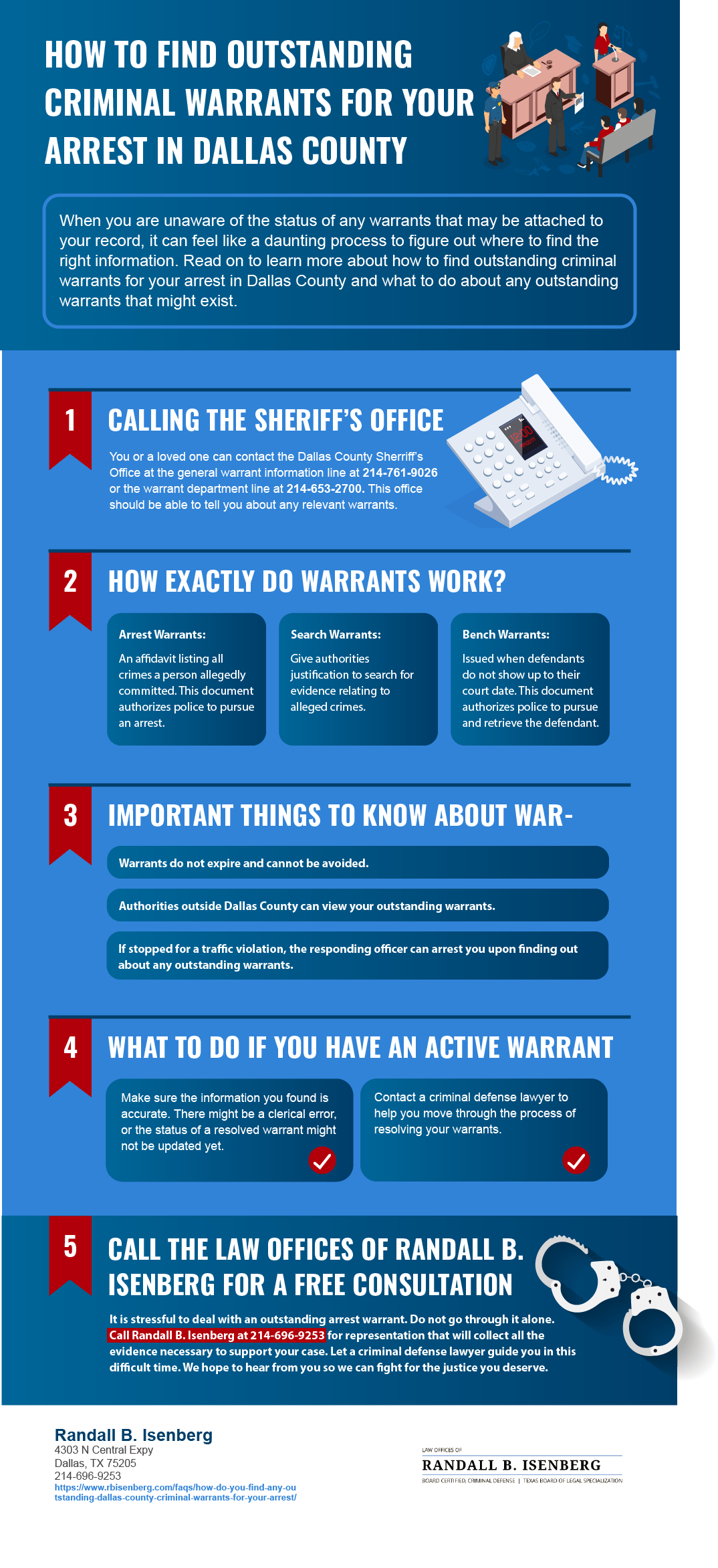
One of the most reliable ways to determine if you have a warrant is to contact local law enforcement agencies directly. This typically involves reaching out to the police department or sheriff’s office in the specific city or county where you believe a warrant might have been issued.
- Calling the Department: You can often call the non-emergency line of the local police department or sheriff’s office. When doing so, be prepared to provide your full name and date of birth. It’s important to understand that while this method is direct, there’s a possibility that if an active warrant is confirmed, your location might be noted. However, in many cases, especially for minor warrants, law enforcement may simply inform you of the warrant and advise you on how to resolve it, without immediately sending officers to your location. For example, if you suspect a warrant in Houston, you could call the Houston Police Department. Similarly, for Dallas, the Dallas Police Department would be the contact point, and for Austin, the Austin Police Department.
- Visiting in Person: For those who prefer a face-to-face interaction, visiting the police department or sheriff’s office in person is another option. This approach allows for direct inquiry and discussion. When visiting, bring a form of identification, such as a driver’s license or state ID. Be aware that if a warrant is active and verifiable, you could be taken into custody immediately. This method is generally recommended if you are prepared for the potential outcome and wish to address the matter without delay. This is particularly relevant for individuals who have settled in Texas for long-term stays or are looking into relocation guides.
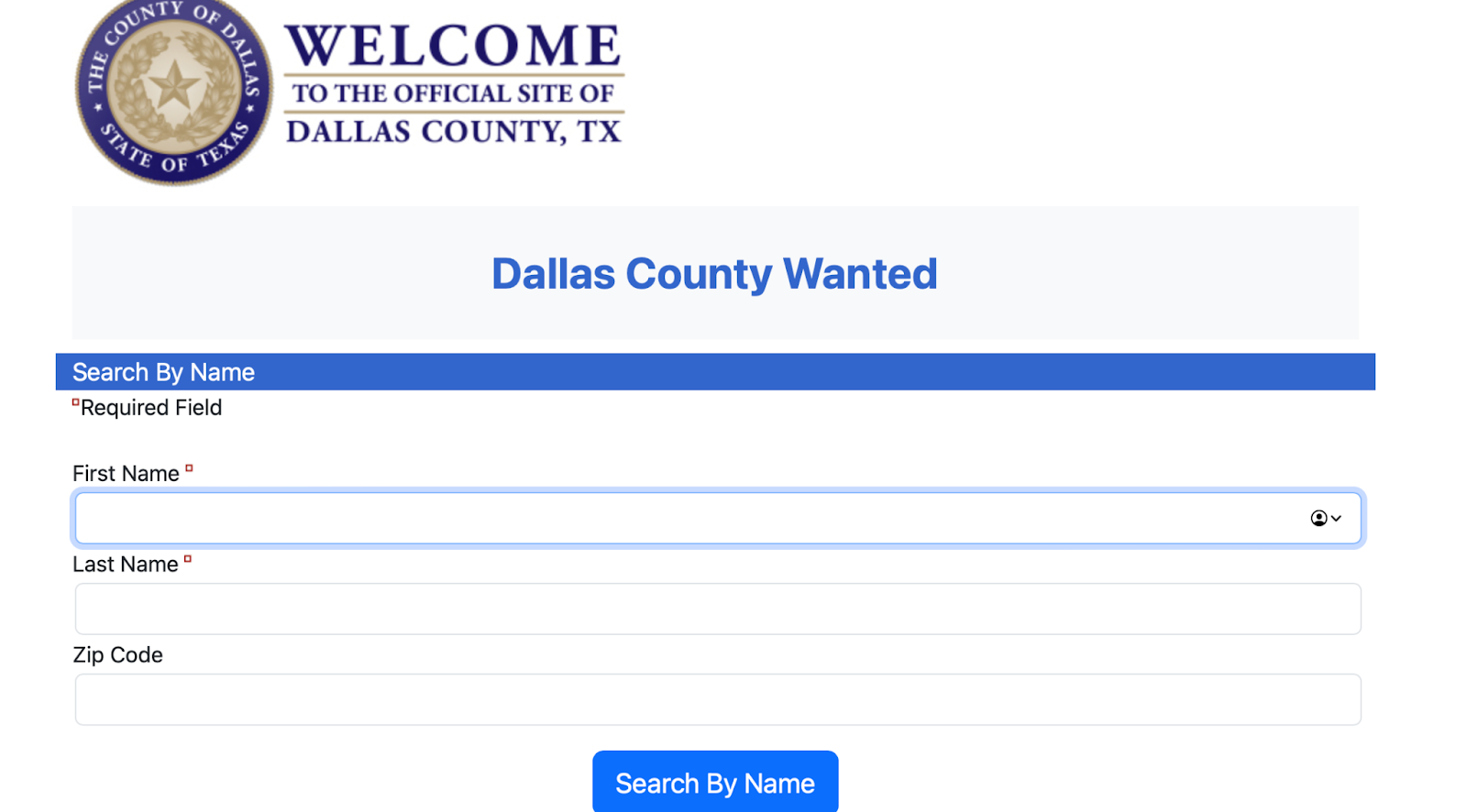
It’s crucial to remember that warrants are typically jurisdiction-specific. A warrant issued in Dallas County may not appear in a search conducted by the Houston Police Department. Therefore, if you have lived or committed an infraction in multiple Texas counties, you may need to check with each relevant jurisdiction. Performing these checks before you embark on any significant travel within Texas or plan international departures from the state can prevent significant disruptions to your carefully planned itineraries and hotel bookings.
Utilizing Online Resources and Public Records
In the digital age, much information is accessible online, and warrants are no exception, although direct public access to full warrant databases can be limited for security and privacy reasons.
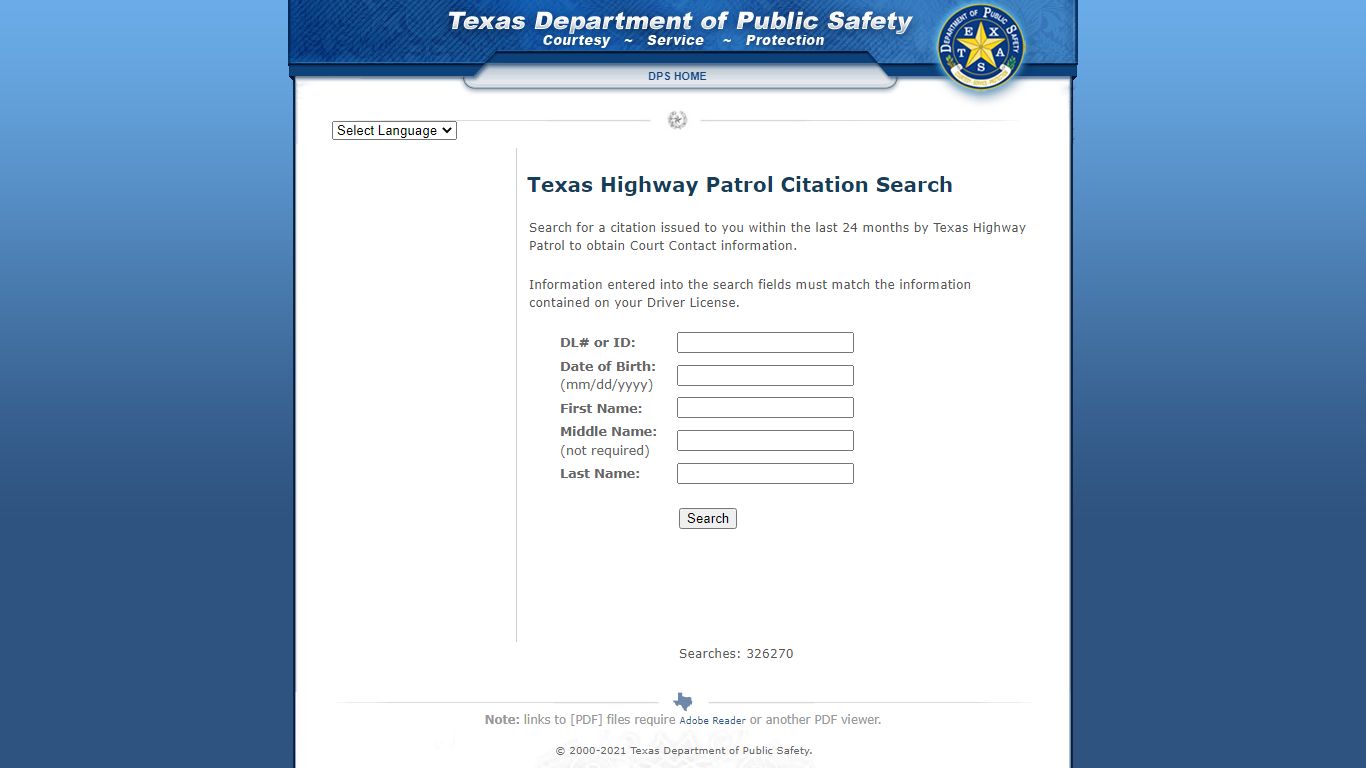
- County and Court Websites: Many Texas counties and municipal courts provide online search portals for public records, which can sometimes include active warrants. These websites often allow you to search by name and date of birth. For instance, a search on a specific County Clerk’s website or a Justice of the Peace court website might reveal if a warrant exists. It’s important to focus on the specific county or municipality where you might have had an interaction with the law. This method is excellent for discreetly checking your status from the comfort of your home, making it a convenient step in pre-travel planning.
- Third-Party Warrant Search Sites: There are numerous third-party websites that claim to offer warrant search services. While some may provide accurate information by compiling public records, caution is advised. These sites may charge a fee, and their information may not always be up-to-date or complete. Furthermore, they might not distinguish between active and recalled warrants. It’s always best to cross-reference any information found on such sites with official sources to ensure accuracy, especially when your lifestyle or travel plans depend on it. Always prioritize official government websites for the most reliable data.
- State-Level Databases (Limited Public Access): While Texas maintains statewide criminal databases, direct public access to active warrant information at the state level is generally not available for broad searches due to privacy and law enforcement operational considerations. Information is usually restricted to law enforcement personnel. Therefore, focusing on county and municipal resources is typically more productive for public inquiries.
These digital methods are particularly beneficial for individuals planning a visit to Texas from afar, or those who travel frequently. A quick online check can save you from an unexpected surprise upon arrival or during your stay in a new city, ensuring your accommodation at a charming boutique hotel or a luxurious resort proceeds without incident.
The Invaluable Role of Professional Legal Assistance
When faced with the possibility of an active warrant, or even just seeking the most secure and confidential way to check, engaging legal counsel is often the safest and most strategic approach.
The Advantages of Consulting a Defense Attorney
A qualified Texas attorney can be your strongest ally in navigating warrant checks and their potential aftermath.
- Confidentiality and Expertise: An attorney can check for warrants on your behalf without directly exposing you to law enforcement. This is due to attorney-client privilege, which ensures confidentiality. They can conduct thorough searches across various jurisdictions, including municipal, county, and even federal databases, providing a comprehensive and reliable report. This discretion is especially valuable for those whose public profile or business travel commitments demand confidentiality.
- Preventing Self-Incrimination: Directly contacting law enforcement carries the inherent risk of self-incrimination. An attorney acts as an intermediary, protecting your rights and ensuring that any communication with authorities is handled appropriately.
- Strategic Advice and Resolution: If a warrant is found, an attorney can provide immediate legal advice on the best course of action. This could involve negotiating a voluntary surrender under favorable terms, arranging for bail, or even challenging the warrant’s validity. They can guide you through the complex legal processes, ensuring the matter is resolved efficiently and with the best possible outcome. For someone planning a long-term stay in Texas or a major lifestyle change, this expert guidance is invaluable.
Understanding the Nuances of Different Warrant Types
Not all warrants are created equal, and understanding the type of warrant you might have can influence the resolution strategy.
- Arrest Warrants: These are issued when there is probable cause to believe an individual has committed a crime, whether a felony or a misdemeanor. They authorize law enforcement to arrest the named individual.
- Bench Warrants: Often issued by a judge when an individual fails to appear in court as required, or fails to comply with a court order (e.g., probation violation, contempt of court). These are common for missed court dates related to traffic offenses or minor infractions.
- Traffic Warrants: Specifically related to unpaid traffic tickets, missed court appearances for traffic violations, or failure to pay fines. These can still lead to arrest, vehicle impoundment, and significant fines, creating major inconveniences during a road trip or local travel.
Each type of warrant carries different implications for your freedom, financial status, and ability to travel. An attorney can help you understand the specifics of your situation and develop a tailored plan for resolution, allowing you to quickly return to enjoying the many destinations and attractions Texas has to offer.
Navigating the Aftermath: Steps to Take If You Have a Warrant
Discovering an active warrant can be unsettling, but it’s crucial to approach the situation with a clear head and a proactive mindset. Ignoring a warrant will only exacerbate the problem, potentially leading to more severe consequences and greater disruptions to your lifestyle and future travel.
Immediate Actions and Legal Pathways
If you confirm you have a warrant, the following steps are generally recommended:
- Do Not Flee or Ignore: Attempting to evade a warrant is a serious offense that can lead to additional charges and more severe penalties. The warrant will not simply disappear; it will remain active until resolved.
- Contact an Attorney Immediately: As discussed, engaging a qualified Texas attorney is the most advisable first step. They can verify the warrant’s existence, understand its nature, and advise you on the best course of action. They can also initiate contact with the court or law enforcement on your behalf, often arranging for a voluntary surrender that minimizes inconvenience and ensures your safety.
- Understand the Surrender Process: Your attorney will guide you through the process of surrendering, which can often be managed to be as discreet and efficient as possible. This might involve setting a specific time to turn yourself in, potentially at a bail bonds office or directly at the courthouse, rather than waiting for an arrest at an inconvenient moment (e.g., at an airport gate, checking into a resort, or during a family vacation).
- Address Bail and Bond Considerations: For many warrants, especially misdemeanors, bail may be an option. Your attorney can help arrange for bail, allowing for your release from custody while your case proceeds. Understanding the bail process and your options is key to minimizing time spent in detention.
- Resolve the Underlying Issue: The ultimate goal is to resolve the original charge that led to the warrant. This might involve appearing in court, paying fines, completing community service, or negotiating a plea. An attorney will represent your interests throughout this process, striving for the most favorable outcome. Addressing the warrant proactively ensures that your legal record is cleared, paving the way for future travel and a stable lifestyle.
Securing Your Future Travel and Lifestyle in Texas
Resolving a warrant is not just about addressing a past legal issue; it’s about securing your future freedom and flexibility. With a clear legal record, you can confidently plan your next adventure in Texas, knowing that unforeseen legal hurdles won’t disrupt your plans.
- Uninterrupted Travel: Imagine the peace of mind knowing you can book flights, rent cars, and stay in any hotel or resort in Texas or beyond without the anxiety of a potential arrest. A clear record ensures smooth passage through security checkpoints, hassle-free accommodation bookings, and an overall enjoyable travel experience.
- Stable Lifestyle: For residents, a warrant-free status is crucial for employment, housing, and general civic participation. It allows you to fully engage with your community, pursue career opportunities, and build a fulfilling life in Texas without legal obstacles.
- Enjoying Texas’s Splendor: With legal matters resolved, you are free to fully immerse yourself in the rich culture and diverse attractions of Texas. Explore the historical sites of San Antonio, enjoy the live music scene in Austin, discover the vibrant food scene in Houston, or relax on the beaches of Galveston Island. Your journey through the Lone Star State should be one of discovery and delight, unburdened by legal worries.
Disclaimer: This article provides general information and guidance and is not intended as legal advice. If you believe you may have an active warrant, or for specific legal counsel, it is highly recommended to consult with a qualified attorney in Texas.
In conclusion, taking proactive steps to check for warrants in Texas is an essential aspect of responsible lifestyle management and ensuring uninterrupted travel adventures. Whether you choose to contact law enforcement directly, utilize online resources, or engage a legal professional, the goal remains the same: to gain clarity and resolve any outstanding legal issues. By doing so, you protect your freedom, financial stability, and most importantly, your peace of mind, allowing you to fully embrace the unparalleled experiences that Texas has to offer, from its bustling metropolises to its serene natural landmarks. Enjoy your journey through Texas to the fullest, knowing you’ve taken the necessary steps to keep it free from unexpected legal detours.
LifeOutOfTheBox is a participant in the Amazon Services LLC Associates Program, an affiliate advertising program designed to provide a means for sites to earn advertising fees by advertising and linking to Amazon.com. Amazon, the Amazon logo, AmazonSupply, and the AmazonSupply logo are trademarks of Amazon.com, Inc. or its affiliates. As an Amazon Associate we earn affiliate commissions from qualifying purchases.