
Texas, often synonymous with wide-open spaces, rich history, and a distinct cultural identity, offers a unique opportunity for individuals to establish a sense of permanence and security through its robust homestead laws. For many, the dream of calling a piece of land their own, free from certain creditors and enjoying significant property tax benefits, is a cornerstone of the American spirit. This guide delves into the intricacies of filing for homestead in the Lone Star State, blending essential legal information with the broader lifestyle and travel considerations that make Texas such a compelling destination for long-term residency.
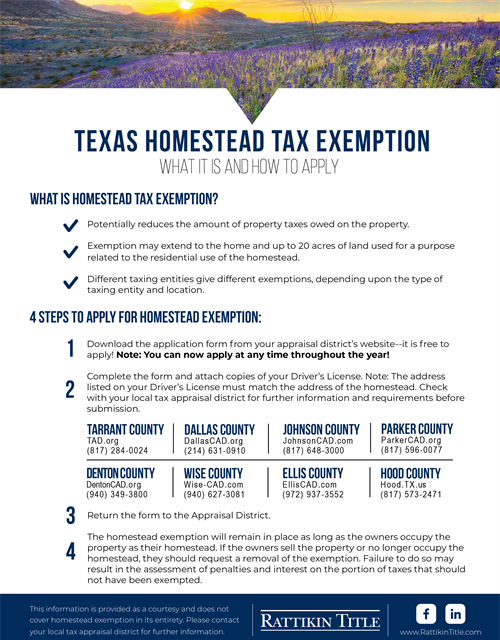
Establishing a homestead in Texas is more than just a legal declaration; it’s a profound statement about one’s commitment to a particular community and way of life. Whether you envision a sprawling ranch in the Hill Country, a charming bungalow in Austin, or a family home in Houston, understanding the homestead exemption is crucial for anyone looking to make Texas their permanent abode. This article will not only walk you through the filing process but also connect it to the diverse accommodation, tourism, and lifestyle aspects that define living in Texas.
Understanding the Texas Homestead Exemption: A Foundation for Your Lifestyle
The Texas homestead exemption is a constitutional and statutory protection designed to safeguard a resident’s primary home from forced sale by general creditors. It also provides a significant tax benefit, reducing the taxable value of your property for school district taxes and, potentially, other local taxes. This protection is deeply ingrained in the state’s legal framework, reflecting a historical commitment to ensuring families maintain their homes.
Unlike many states, Texas offers one of the most generous homestead protections in the United States, with no limit on the value of the home itself in an urban homestead and substantial acreage in a rural setting. This makes Texas particularly attractive for those seeking long-term accommodation stability and financial peace of mind. For a traveler transitioning to a resident, or someone planning a long-term stay, understanding this exemption is paramount. It’s a core element of the “lifestyle” of living in Texas – offering security that extends far beyond the walls of your dwelling.
What Qualifies as a Homestead in Texas?
To qualify for homestead protection in Texas, a property must meet specific criteria. Primarily, it must be the principal residence of the homeowner. This means you can only claim one homestead at a time. The property can be either urban or rural, with different size limitations.
- Urban Homestead: An urban homestead in Texas can be up to 10 acres of land, which can be contiguous or non-contiguous, provided the improvements are used for the purposes of an urban home or a place to exercise a calling or business. This caters to residents in bustling cities like Dallas, San Antonio, or Fort Worth who might want a larger plot within city limits, or even a mixed-use property where their home and business coexist.
- Rural Homestead: A rural homestead offers even more expansive protections. For a single adult, a rural homestead can cover up to 100 acres. For a family, this expands to 200 acres. This acreage can also be contiguous or non-contiguous. This is particularly appealing to those drawn to Texas’s vast natural beauty and agricultural heritage, envisioning a life on a ranch or farm in areas outside major metropolitan hubs, perhaps near attractions like Big Bend National Park or the scenic landscapes of the Texas Hill Country.
The intent to occupy the property as your primary residence is critical. You don’t necessarily need to physically live there on January 1st to claim the exemption for that tax year, but you must intend to do so and move in by a certain date, usually within a year. This flexibility is beneficial for those relocating, perhaps after an extended travel experience or a temporary accommodation in a Texas resort while scouting for their permanent home.
Benefits of Claiming Your Homestead Exemption
The advantages of filing for a homestead exemption are substantial and directly impact your financial well-being and sense of security:
- Creditor Protection: This is the primary legal benefit. Your homestead is protected from most types of creditors, meaning they generally cannot force the sale of your home to satisfy debts. There are exceptions, such as property taxes, mortgage liens, mechanic’s liens, home equity loans, and federal tax liens. This unparalleled protection is a key reason why many individuals choose Texas as their permanent residence, offering a peace of mind that can influence long-term travel plans or even retirement considerations.
- Property Tax Savings: This is often the most tangible and immediate benefit for homeowners. The homestead exemption reduces the appraised value of your home that is subject to property taxes.
- School Tax Exemption: All homeowners in Texas are entitled to a $40,000 homestead exemption for school district taxes. This means $40,000 is subtracted from your home’s appraised value before school taxes are calculated.
- Optional Local Exemptions: Cities, counties, and other special districts (like community colleges) may offer their own homestead exemptions, typically a percentage of your home’s value or a fixed dollar amount. For example, Travis County and the City of Austin may offer additional exemptions.
- Age 65 or Disabled Exemption: Homeowners who are 65 years or older or are disabled receive additional exemptions from school taxes, and their school taxes are effectively frozen at the amount they paid in the year they turned 65 or became disabled. Many local taxing units also offer additional exemptions for seniors and disabled individuals. This significantly enhances the appeal of Texas for those planning their retirement or requiring accessible accommodation.
- Inheritance and Estate Planning: Homestead protections also extend to surviving spouses and minor children, ensuring they can continue to reside in the home after the homeowner’s death, even if there are other heirs or creditors. This provides critical long-term security for families.
These benefits collectively create a compelling argument for filing your homestead exemption as soon as you meet the eligibility requirements, safeguarding your significant investment and contributing to a stable lifestyle in Texas.
The Step-by-Step Process: Filing Your Texas Homestead Exemption
The process for filing a homestead exemption in Texas is relatively straightforward, primarily handled through your local Central Appraisal District (CAD). While it doesn’t involve complex legal maneuvers, understanding each step is crucial to ensure you receive your rightful benefits.
Step 1: Confirm Eligibility and Residency
Before you even fill out a form, confirm that you meet the core requirements:
- Ownership: You must be the owner of the property.
- Occupancy: The property must be your principal residence.
- Date: You must reside at the property on January 1st of the tax year for which you are claiming the exemption. However, if you move into a property later in the year, you can still qualify for a partial exemption for that year if you owned the property on January 1st and claim it as your homestead within a year of moving in. For example, if you moved to Texas in March after exploring different cities and enjoying various hotel stays, you can still apply for the exemption for that year.
Step 2: Obtain the Application Form
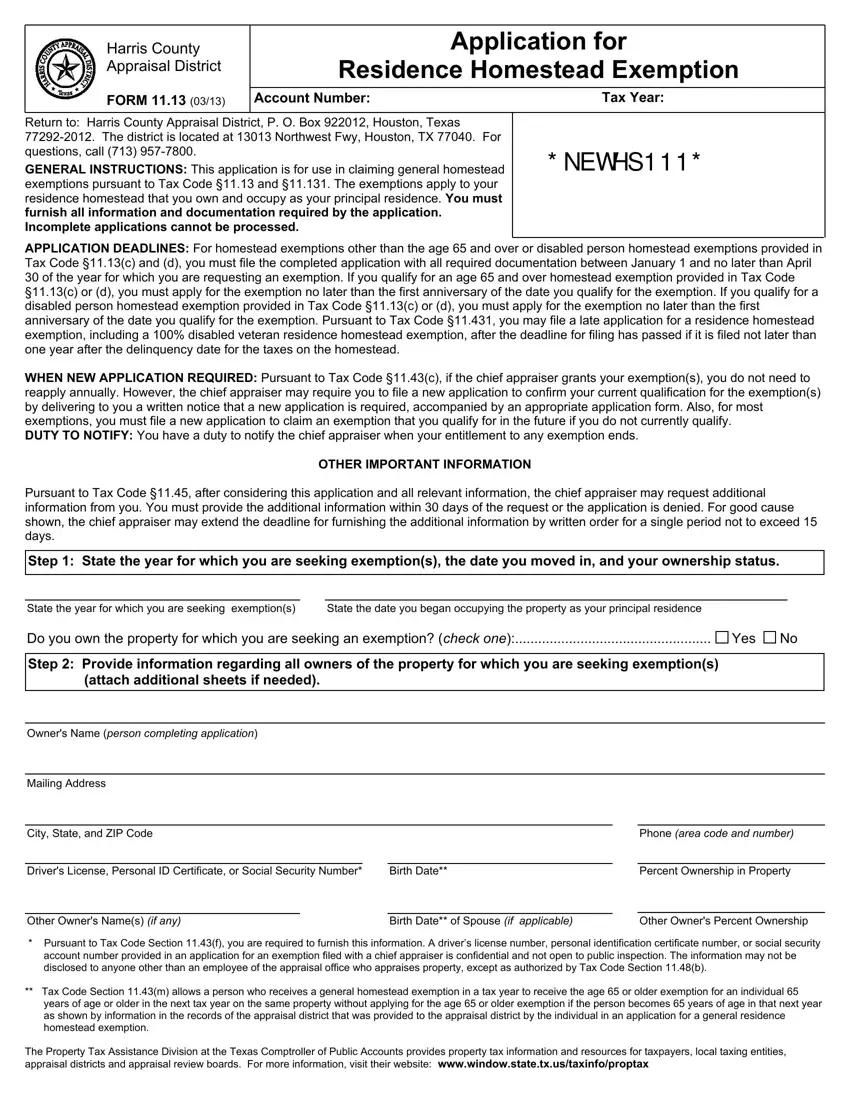
The official application form is called the “Application for Residential Homestead Exemption” (Form 50-114). You can typically obtain this form in several ways:
- Online: Most Central Appraisal District websites (e.g., Harris County Appraisal District, Dallas Central Appraisal District) offer downloadable versions of the form.
- In Person: Visit your local CAD office to pick up a physical copy. This can be a good opportunity to ask any specific questions you might have about your property or the local exemptions offered.
- By Mail: You can request the form be mailed to you.
It’s advisable to use the form specific to the current tax year, as minor changes can occur.
Step 3: Complete the Application Accurately
Fill out the application completely and accurately. Key information required includes:
- Property Owner Information: Your name, current mailing address, and phone number.
- Property Location: The street address of the property for which you are claiming the exemption.
- Property ID/Account Number: This unique identifier for your property can be found on your property tax statement or on the CAD’s website.
- Proof of Residency: This is critical. You will typically need to provide a copy of your Texas driver’s license or Texas state ID card. The address on your ID must match the homestead property address. If you’ve just moved, ensure you update your ID as soon as possible.
- Vehicle Registration (Optional but Recommended): While not always required, some CADs may ask for a copy of your vehicle registration with the homestead address.
- Voter Registration (Optional): Similar to vehicle registration, a Texas voter registration card showing the homestead address can further support your claim.
- Date of Occupancy: Indicate when you first began occupying the property as your primary residence.
- Additional Exemptions: If applicable, you will also apply for any additional exemptions, such as the age 65 or disabled exemption, on the same form. For these, you might need to provide proof of age (e.g., birth certificate, passport) or proof of disability (e.g., Social Security award letter).
Step 4: Submit Your Application
Once completed, submit your application to the Central Appraisal District for the county where your property is located.
- Deadline: The general deadline to file for a homestead exemption is April 30th of the tax year for which you are applying. However, you can file up to two years after the delinquency date for the taxes. It’s always best to file as soon as possible after purchasing and occupying your new home.
- Submission Methods:
- Mail: Send the completed form and supporting documents via certified mail with a return receipt requested. This provides proof of mailing and receipt.
- In Person: Deliver the application directly to the CAD office. Request a stamped copy for your records.
- Online/Email: Some CADs now offer online submission portals or accept applications via email. Check your specific CAD’s website for these options.
Step 5: Await Confirmation and Review Your Tax Statement
After submitting your application, the CAD will review it. If approved, you will typically receive a notification of approval, often by mail. Crucially, when you receive your next property tax appraisal notice or statement, verify that the homestead exemption has been applied.
- If Approved: Your property’s appraised value should reflect the reduction from the exemption.
- If Denied: If your application is denied, the CAD will send you a notice of denial, explaining the reason. You have the right to protest this decision to the Appraisal Review Board (ARB). This protest process is an important aspect of property ownership in Texas and ensures fairness in appraisal decisions.
Remember, you only need to file the homestead exemption application once. As long as you continue to own and occupy the property as your principal residence, the exemption will automatically renew each year. You only need to refile if there are changes to your ownership (e.g., adding a spouse), if the property’s use changes, or if you apply for an additional exemption (like the over-65 exemption when you qualify).
The Texas Lifestyle: Beyond the Homestead Filing
While filing for a homestead exemption is a legal formality, it deeply intertwines with the lifestyle and appeal of living in Texas. This state offers a diverse tapestry of experiences, from vibrant urban centers to tranquil rural escapes, making it a captivating choice for a long-term home.
Exploring Texas: Finding Your Perfect Homestead Destination
Texas is a vast state, and choosing where to establish your homestead is a significant decision. The state’s diverse geography means there’s a perfect spot for almost every preference:
- Urban Living: For those who thrive in bustling environments, cities like Houston boast world-class dining and cultural attractions like the Space Center Houston. Austin is renowned for its live music scene and tech industry, offering a vibrant, youthful energy. Dallas and Fort Worth blend modern skyscrapers with rich Western heritage, home to the Fort Worth Stockyards National Historic District. San Antonio, with its historic Alamo and picturesque River Walk, offers a unique blend of history and charm. These cities provide access to diverse job markets, entertainment, and a wide array of accommodation options while you settle in, from luxury suites to extended-stay apartments.
- Suburban Comfort: Surrounding these major cities are numerous thriving suburbs that offer excellent schools, family-friendly communities, and a quieter pace of life, often with more affordable housing and larger lots ideal for a homestead. Think of towns outside Dallas-Fort Worth or the communities around Austin’s tech corridor.
- Rural Retreats: For those seeking true escape and connection with nature, rural Texas is unparalleled. The Hill Country, with its rolling hills, wineries, and quaint towns, is perfect for a scenic homestead. West Texas offers vast desert landscapes and dark skies, ideal for stargazing and a peaceful existence. East Texas provides lush forests and lakes, appealing to those who enjoy fishing and outdoor recreation. Exploring these regions can be an adventure in itself, making for incredible road trips and stays in charming bed & breakfasts or unique boutique hotels as you discover your ideal plot of land.
Many individuals spend time exploring different parts of Texas through travel and tourism before committing to a homestead location. This immersive experience, perhaps staying in various Texas resorts or short-term vacation rentals, allows prospective homeowners to gauge local culture, amenities, and the overall feel of a community before making a long-term accommodation choice.

Integrating Homesteading with a Travel & Lifestyle Philosophy
The decision to homestead in Texas aligns perfectly with a broader lifestyle philosophy focused on stability, independence, and making roots. For digital nomads considering a permanent base, or families seeking a secure place to raise children, Texas offers an appealing blend of economic opportunity and robust homeowner protections.
Consider the potential for creating a “lifestyle homestead” that supports your interests:
- Culinary Explorations: A homestead with a garden allows you to cultivate fresh produce, deeply engaging with the local food culture. Texas boasts incredible BBQ, Tex-Mex, and diverse culinary scenes that you can bring home to your table.
- Outdoor Adventures: With your permanent base established, you can more easily explore Texas’s state parks, national forests, and natural landmarks. From hiking in Big Bend National Park to fishing in its numerous lakes, your homestead becomes a launchpad for adventure.
- Community Engagement: Becoming a homesteader means integrating into a Texas community. Whether it’s participating in local festivals, volunteering, or simply getting to know your neighbors, it deepens your connection to the destination. This contrasts sharply with the transient nature of short-term tourism or hotel stays, offering a profound sense of belonging.
- Economic Stability: The tax benefits and creditor protections offered by a Texas homestead exemption contribute significantly to long-term financial stability, freeing up resources that can be allocated to travel, experiences, or further enhancing your home.
In essence, filing for homestead in Texas is more than just navigating legal paperwork; it’s about claiming a piece of the Texas dream, securing your long-term accommodation, and embracing a lifestyle rich with opportunities for growth, exploration, and community. It’s a testament to the idea that some of the best travel journeys ultimately lead us to find a place to truly call home.
By understanding the process and embracing the lifestyle implications, you can confidently make Texas your permanent haven, enjoying its unique blend of heritage, natural beauty, and robust homeowner protections. Whether your journey brought you here for business, family, or the sheer allure of the Lone Star State, establishing your homestead is a pivotal step in rooting yourself in this dynamic and welcoming land.
LifeOutOfTheBox is a participant in the Amazon Services LLC Associates Program, an affiliate advertising program designed to provide a means for sites to earn advertising fees by advertising and linking to Amazon.com. Amazon, the Amazon logo, AmazonSupply, and the AmazonSupply logo are trademarks of Amazon.com, Inc. or its affiliates. As an Amazon Associate we earn affiliate commissions from qualifying purchases.