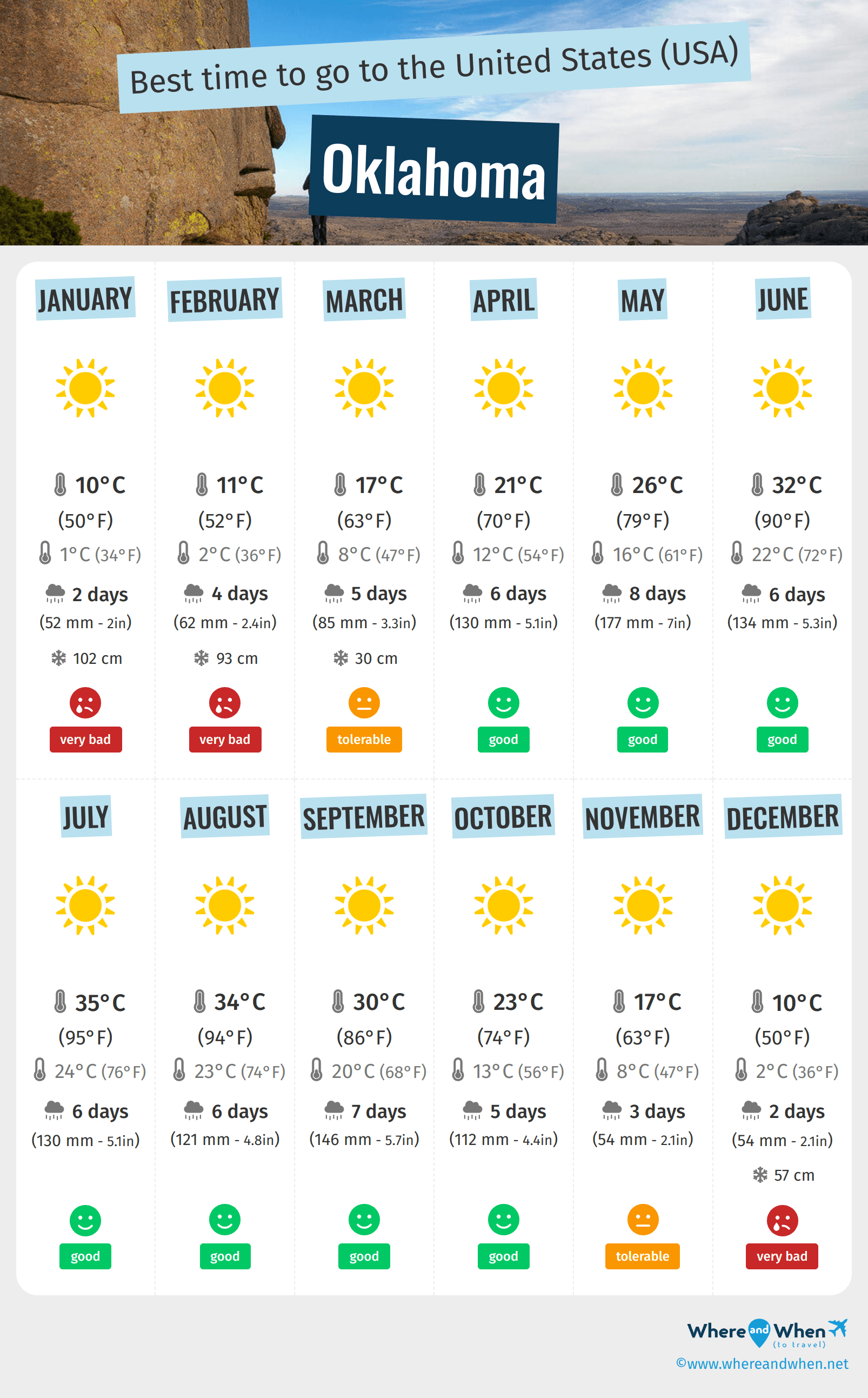
Embarking on a journey to a new destination is always an adventure, filled with anticipation of new sights, sounds, and experiences. Yet, amidst the excitement of planning your itinerary, booking accommodations, and researching local attractions, one fundamental aspect often goes overlooked until the last minute: understanding the local time. For those planning a visit to Oklahoma, a vibrant state nestled in the heart of the USA, knowing the correct time isn’t just a matter of curiosity; it’s a crucial element for a seamless, stress-free, and truly enriching travel experience.
Oklahoma operates entirely within one time zone, simplifying things considerably compared to states that straddle multiple zones. However, this doesn’t diminish the importance of understanding how this time zone works, especially in relation to Daylight Saving Time and how it might impact your schedule, from catching a flight to making dinner reservations or visiting a landmark. This comprehensive guide will not only clarify Oklahoma’s current time but also delve into how this information can empower your travel plans, ensuring you make the most of every precious moment in the Sooner State. From the bustling streets of Oklahoma City to the artistic flair of Tulsa and the serene beauty of its natural landscapes, your adventure will be perfectly timed.
Navigating Time Zones: Understanding Central Standard Time (CST) and Central Daylight Time (CDT)
Oklahoma’s geographical location places it squarely within a major North American time zone, influencing the daily rhythm of life across the state. Understanding the specifics of this time zone, including its observance of Daylight Saving Time, is paramount for any traveler.
Oklahoma’s Position in the Central Time Zone
Oklahoma observes the Central Time Zone. This means that for a significant portion of the year, the state operates on Central Standard Time (CST), which is 6 hours behind Coordinated Universal Time (UTC-6), or equivalently, Greenwich Mean Time (GMT)-6. However, like most states in the USA, Oklahoma participates in Daylight Saving Time. When Daylight Saving Time is in effect, typically from the second Sunday in March to the first Sunday in November, the clocks are advanced by one hour. During this period, Oklahoma switches to Central Daylight Time (CDT), which is 5 hours behind Coordinated Universal Time (UTC-5), or GMT-5.
This transition is crucial to remember. If you’re planning a trip, say, in April, Oklahoma will be on CDT. If your visit is in December, it will be on CST. This shift impacts everything from sunrise and sunset times to business operating hours, making a small but significant difference in how you experience your day. Oklahoma shares this time zone with several neighboring states, including Texas, Kansas, Missouri, and Arkansas, which can simplify coordination if you’re traveling through the Midwest or Plains states.

Practical Implications for Travel Planning
Understanding Oklahoma’s time zone has practical implications across every facet of your trip.
- Booking Flights and Ground Transportation: When booking flights into or out of airports like Will Rogers World Airport in Oklahoma City or Tulsa International Airport, always ensure that the departure and arrival times are calculated using the correct local time zones. A simple miscalculation could lead to missed connections or unnecessary waiting. Similarly, if you’re arranging for shuttle services, rental car pickups, or train schedules, confirm these appointments in Oklahoma local time.
- Coordinating Meetings and Activities: Whether you’re traveling for business or leisure, you’ll likely have specific appointments. For business travelers, scheduling video conferences or in-person meetings with local contacts requires precise time zone awareness. Leisure travelers might pre-book tours, spa appointments, or special events; confirming these against Oklahoma’s time will prevent any missed opportunities.
- Minimizing Jet Lag: If you’re arriving from a significantly different time zone, particularly from the East or West Coasts of the USA or internationally, you’ll need to account for jet lag. Knowing the time difference in advance allows you to mentally prepare and plan strategies to adjust quickly. Gradual shifts in your sleep schedule before departure, staying hydrated, and exposing yourself to natural light upon arrival can help mitigate its effects. Remember that arriving in Oklahoma from the East will mean “gaining” hours, potentially leading to an early wake-up feeling, while arriving from the West will mean “losing” hours, making you feel tired earlier in the evening.
- Communication with Home: Keeping in touch with family and friends back home requires a quick calculation of the time difference. This is especially important for urgent communications or simply for planning convenient call times that respect everyone’s schedules.
Your Oklahoma Itinerary: Time-Sensitive Planning for Attractions and Experiences
Once you’ve grasped the nuances of Oklahoma’s time zone, you can effectively plan your daily adventures. Many of the state’s most cherished landmarks and experiences operate on strict schedules, making accurate timekeeping essential for an optimal visit.
Maximizing Your Day: Oklahoma Landmarks and Operating Hours
Oklahoma boasts a diverse array of attractions, from profound historical sites to stunning natural reserves and world-class museums. Each has its own opening and closing times, which are always based on local Oklahoma time.
- The Oklahoma City National Memorial & Museum in Oklahoma City is a place of solemn reflection and historical significance. Its operating hours often vary by season, so checking their website for the most up-to-date schedule, factoring in CST or CDT, is crucial. Arriving too late might mean missing key exhibits.
- In Tulsa, the Philbrook Museum of Art and Gathering Place, a massive urban park, are popular spots. Museums typically have fixed hours and are often closed on certain days of the week. Gathering Place generally has longer hours, but specific attractions within it, like cafes or certain play areas, might have their own schedules.
- Nature lovers exploring the Myriad Botanical Gardens in Oklahoma City or venturing to the Wichita Mountains Wildlife Refuge near Lawton should consider not just the opening times but also when daylight fades. Experiencing a sunset at the refuge requires precise timing to get there, find a good spot, and then depart safely before dark.
- The Chickasaw Cultural Center in Sulphur offers an immersive look into Native American history and culture, with specific hours for its museum, traditional village, and performances. Missing a scheduled cultural demonstration due to a time zone oversight would be a regrettable missed opportunity.
- Even driving a scenic route like portions of historic Route 66 requires time awareness, especially if you plan to stop at quirky roadside attractions or small-town diners that might have limited operating hours.
Always cross-reference your planned activities with the official opening hours of each attraction, making adjustments for Daylight Saving Time based on the date of your visit. This proactive approach ensures you maximize your sightseeing and avoid the disappointment of arriving at a closed gate.
Culinary Adventures and Entertainment: Dining and Showtimes
Oklahoma’s food scene is surprisingly diverse and vibrant, offering everything from classic BBQ to modern fusion. Its entertainment options, from live music to theatre, are equally compelling.
- Dining Reservations: Popular restaurants, especially in Oklahoma City and Tulsa, often require reservations, particularly on weekends. When booking online or over the phone, confirm that the time you’re reserving is indeed local Oklahoma time. Showing up an hour late (or early) due to a time zone miscalculation can lead to losing your table. Many restaurants adhere strictly to their reservation schedules, particularly during peak hours.
- Showtimes and Events: If you plan to catch a performance at the Civic Center Music Hall in Oklahoma City, a concert at the BOK Center in Tulsa, or a local sporting event, start times are absolute. Arriving even a few minutes late could mean missing the beginning of the show or finding your seats after the lights have dimmed. Similarly, understanding the local closing times of bars and entertainment venues is important for planning your evening’s activities.
- Food Truck Rallies and Local Markets: Oklahoma City and Tulsa often host food truck rallies or farmers’ markets. These events usually have specific start and end times. Arriving too late might mean popular vendors have sold out, or the market is already packing up.
By being mindful of local time, you can immerse yourself fully in Oklahoma’s culinary and cultural landscape without missing a beat.
Accommodation and Comfort: Adjusting to Oklahoma Time
Your accommodation serves as your home base in Oklahoma, and understanding local time is just as vital for a smooth hotel experience as it is for sightseeing. From check-in procedures to maintaining your personal routine, time plays a significant role in your comfort.
Checking In and Out: Hotel Policies and Your Schedule
Hotels operate on precise schedules, and your awareness of Oklahoma’s local time is key to avoiding unnecessary stress or fees.
- Standard Check-in/Check-out Times: Most hotels, whether it’s a luxury resort like the Skirvin Hilton Oklahoma City or a boutique stay like the Ambassador Hotel Tulsa, have standard check-in times (typically 3:00 PM or 4:00 PM) and check-out times (often 11:00 AM or 12:00 PM). These times are always in local Oklahoma time. If you arrive early after a long flight, knowing the local check-in time helps you plan whether to head straight to the hotel for luggage drop-off or explore nearby attractions first.
- Early Check-in/Late Check-out: If your flight arrives significantly before the standard check-in time or departs much later than check-out, you might request an early check-in or late check-out. Such requests are typically subject to availability and may incur additional charges. Understanding the local time will help you communicate these needs accurately and manage your expectations. A property like the art-centric 21c Museum Hotel Oklahoma City might offer lounge areas to relax in if your room isn’t ready.
- Accommodation Bookings: When reserving your stay through online platforms or directly with hotels like The Mayo Hotel in Tulsa, all confirmation times will be based on the local time of the property. Double-checking these details can prevent confusion upon arrival.
A smooth check-in and check-out process sets the tone for your entire stay, making time zone awareness a small but impactful detail in your accommodation planning.
Lifestyle Adjustments: Business, Family, and Leisure Travel
Beyond the practicalities of booking and schedules, understanding Oklahoma’s time also affects your personal well-being and lifestyle during your trip.
- Overcoming Jet Lag: For those crossing multiple time zones, managing jet lag is crucial for enjoying your trip. Try to adjust your sleep schedule gradually in the days leading up to your departure. Once in Oklahoma, expose yourself to natural light during the day, stay active, and try to eat meals at local times to help reset your internal clock. Avoid heavy meals and excessive caffeine or alcohol, especially close to bedtime.
- Maintaining Routines: If you have specific routines for medication, exercise, or work, you’ll need to adapt them to Oklahoma’s time. For business travelers, maintaining productivity might mean adjusting your peak work hours to align with your home office or local contacts. For families, consistent sleep and meal times for children can be key to a harmonious trip.
- Communication with Different Time Zones: Staying connected with work, family, or friends in other time zones requires a continuous mental calculation. Apps and online tools can simplify this, but having a fundamental grasp of the time difference will prevent late-night calls or missed important messages. For example, if you’re in Oklahoma on CST, and your family is on the East Coast (EST), they will be an hour ahead of you. If they’re on the West Coast (PST), they will be two hours behind.
By consciously adjusting your lifestyle to the local time, you’ll feel more settled, rested, and ready to embrace all that Oklahoma has to offer.
Beyond the Clock: Experiencing Oklahoma at Any Hour
While understanding Oklahoma’s time zone is primarily about managing schedules, it also enriches your appreciation for the state’s rhythm and various offerings, from vibrant nightlife to the subtle shifts of seasonal daylight.
Nightlife and Evening Activities
Your travel experience isn’t limited to daytime exploration. Oklahoma’s cities come alive after dark, offering a range of evening entertainment.
- In Oklahoma City, the revitalized Bricktown Entertainment District is a hub of activity with restaurants, bars, a canal walk, and even a minor league baseball park. Understanding local closing times helps you plan your evening, whether you’re catching a movie, enjoying live music, or simply strolling along the canal.
- Tulsa offers its own vibrant evening scenes in areas like the Blue Dome Entertainment District and the Tulsa Arts District. These districts feature a mix of pubs, music venues, and art galleries that often have staggered closing times. Knowing the local schedule ensures you can hop between venues without feeling rushed or finding places unexpectedly closed.
- Even in smaller towns across Oklahoma, local pubs or community events will adhere to the CST/CDT schedule. Tapping into these local rhythms can provide an authentic glimpse into the state’s culture.
Planning for Seasonal Time Changes
The switch between Central Standard Time (CST) and Central Daylight Time (CDT) is a key consideration. If your travel dates fall around the spring forward or fall back dates, be extra vigilant.
- Spring Forward (March): The clocks move forward one hour. This means you “lose” an hour of sleep, but gain an hour of daylight in the evening. If you arrive on the day of the change, be aware that your body clock might feel an hour behind, and schedules will instantly shift.
- Fall Back (November): The clocks move back one hour. You “gain” an hour of sleep, and daylight shifts to earlier in the morning. This change can make mornings feel darker but extends evening darkness.
For many travelers, these changes are minor, but for those with tight schedules or sensitive internal clocks, an awareness of these transitions is invaluable. Always confirm the exact date of the Daylight Saving Time change if your trip coincides with it.
In conclusion, while the question “What is the time in Oklahoma, USA?” might seem simple, its implications for a traveler are profound. Oklahoma operates on Central Standard Time (CST) (UTC-6) and Central Daylight Time (CDT) (UTC-5) during Daylight Saving Time. Armed with this knowledge, you can confidently navigate flight schedules, hotel bookings, attraction hours, and social engagements. By paying attention to the clock, you ensure your Oklahoma adventure is punctual, productive, and ultimately, unforgettable. So set your watches, embrace the local rhythm, and prepare to discover the diverse charm of the Sooner State, perfectly timed.