
Embarking on a career in education in the Lone Star State is a rewarding journey, opening doors to a vibrant professional life and the unique cultural tapestry that defines Texas. Whether you’re a recent graduate, a seasoned professional seeking a career change, or an educator relocating from another state, navigating the certification process is your first critical step. This guide will walk you through the essential requirements and pathways to obtaining your teaching certificate, interwoven with insights into the diverse lifestyle and travel opportunities that await you in Texas.
Texas boasts a thriving education sector with a constant demand for passionate and skilled teachers across its vast network of public and private schools. From the bustling metropolitan areas of Dallas and Houston to the artistic hub of Austin and the historic charm of San Antonio, teaching here means becoming part of a diverse and dynamic community. This journey isn’t just about gaining a qualification; it’s about embracing a new chapter in a state renowned for its hospitality, innovation, and rich heritage.
Understanding the Texas Education System and Its Opportunities
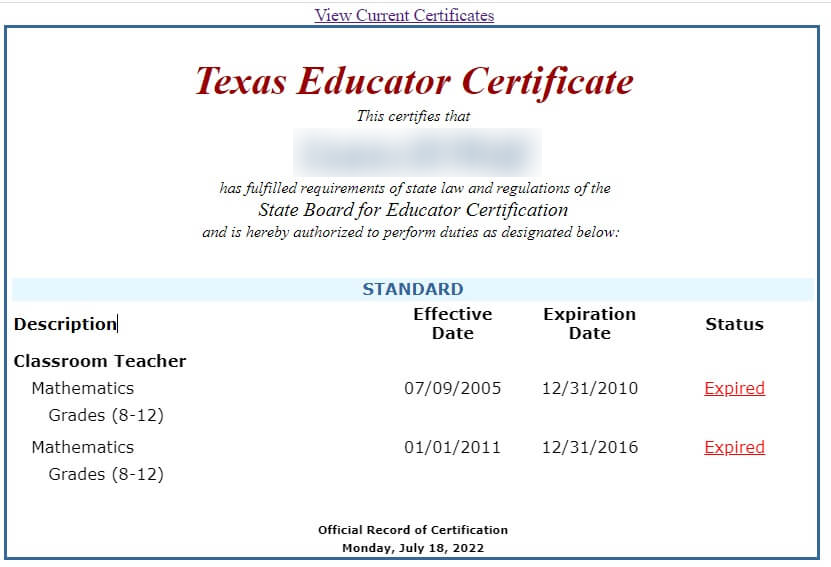
Before diving into the certification specifics, it’s crucial to understand the landscape of education in Texas. The Texas Education Agency (TEA) is the governing body responsible for all public education matters, including teacher certification, curriculum standards, and school accountability. Your teaching certificate, issued by the TEA, is your official license to teach in public schools throughout the state.
The demand for educators in Texas is consistently high, particularly in critical areas such as STEM (Science, Technology, Engineering, Math), bilingual education, and special education. This demand translates into abundant job opportunities, making Texas an attractive destination for aspiring teachers. The state’s size and diversity mean that teaching experiences can vary greatly depending on your chosen location.
Consider the lifestyle you envision:
- Urban Sophistication: Cities like Dallas, Houston, and Austin offer robust job markets in large, diverse school districts (Dallas Independent School District, Houston Independent School District). These cities are cultural melting pots, featuring world-class museums, vibrant music scenes, and extensive culinary options. For those new to the state exploring teaching programs, staying in a well-located hotel in downtown Austin or a comfortable suite in Dallas can provide an excellent base for research and initial interviews.
- Historic Charm: San Antonio offers a unique blend of history and culture, with its iconic The Alamo and the picturesque San Antonio Riverwalk. Teaching here allows you to immerse yourself in a city rich in tradition.
- Coastal Living: Areas like Corpus Christi and Galveston provide opportunities for educators who prefer a coastal environment, complete with beaches and marine life. A long-term stay in an apartment in Corpus Christi could be an ideal way to settle in while exploring teaching positions.
- Hill Country Serenity: The Texas Hill Country, with towns like Fredericksburg and New Braunfels, offers a quieter, more scenic setting, popular for its wineries, natural beauty, and outdoor activities like tubing on the Comal or Guadalupe Rivers. A weekend trip to explore the charming town of Luckenbach or a stay at a cozy bed and breakfast in Fredericksburg can offer a glimpse into the lifestyle.
Considering these geographical and lifestyle preferences early on can help you narrow down your program choices and potential job locations.
Pathways to Certification: Which Route is Right for You?
The Texas certification system offers multiple routes, accommodating individuals at different stages of their academic and professional careers. Choosing the right path depends largely on your existing educational background and career goals.
Traditional University Programs
This route is primarily for individuals who do not yet hold a bachelor’s degree. It involves enrolling in a four-year university program specifically designed for teacher preparation.
- Curriculum: These programs combine general education courses with specialized coursework in pedagogy, educational psychology, and your chosen content area (e.g., history, mathematics, elementary education).
- Student Teaching: A significant component is student teaching, where you gain hands-on experience in a classroom under the guidance of an experienced mentor teacher. This immersive experience is crucial for developing practical teaching skills.
- Institutions: Many esteemed universities in Texas offer robust educator preparation programs, such as the University of Texas at Austin, Texas A&M University in College Station, and the University of Houston. Exploring the campuses of these institutions, perhaps with an overnight stay in a nearby hotel, can help you decide where to pursue your studies.
Alternative Certification Programs (ACPs)
Alternative Certification Programs are an increasingly popular pathway for individuals who already hold a bachelor’s degree in a field other than education. These programs are designed to fast-track qualified candidates into the classroom, often addressing critical teacher shortages.
- Eligibility: To be eligible, you typically need a bachelor’s degree from an accredited institution and often a minimum GPA. Some programs may also require a certain number of credit hours in the subject area you wish to teach.
- Program Structure: ACPs vary in length and format, but generally involve intensive coursework, field experience, and a supervised internship or probationary teaching period. Many offer online or hybrid options, providing flexibility for working professionals.
- Benefits: ACPs are ideal for career changers, military veterans, and individuals passionate about teaching but who did not pursue an education degree initially. They allow you to earn a salary while gaining full-time teaching experience, which can be a significant advantage. If you’re considering an ACP, you might visit various program providers in different cities like Fort Worth or Plano to compare offerings, potentially staying in extended-stay accommodations during your research trips.
Out-of-State Certification Reciprocity
If you are already a certified teacher in another U.S. state or territory, Texas offers a pathway for reciprocity.
- Process: You will typically need to apply to the TEA for a review of your credentials. While Texas recognizes certifications from other states, you may still need to pass specific Texas Examinations of Educator Standards (TExES) exams, particularly the Pedagogy and Professional Responsibilities (PPR) exam, and complete a background check.
- Relocation: For out-of-state educators, the move to Texas is a significant lifestyle change. Exploring different regions beforehand, perhaps by booking short-term stays in various cities, can help you find the perfect community. Consider the diverse landscapes, from the vibrant urban centers to the serene beauty of West Texas near El Paso and its proximity to Guadalupe Mountains National Park.
Key Requirements and the Application Process
Regardless of your chosen pathway, several core requirements and steps are universal for obtaining your Texas teaching certificate.
Bachelor’s Degree from an Accredited Institution
All applicants must hold a bachelor’s degree from an accredited college or university. The accreditation ensures that your degree meets recognized educational standards. If your degree is from a foreign institution, it will need to be evaluated by an approved credential evaluation service to determine its U.S. equivalency.
Educator Certification Exams (TExES)
The Texas Examinations of Educator Standards (TExES) are a critical hurdle in the certification process. These exams assess your knowledge and skills in various areas.
- Content Area Exam: This exam measures your expertise in the specific subject(s) you intend to teach (e.g., 7-12 Math, EC-6 Core Subjects, Art K-12).
- Pedagogy and Professional Responsibilities (PPR) Exam: This exam assesses your understanding of teaching practices, classroom management, professional ethics, and student development.
- Preparation: Thorough preparation is key to success on the TExES exams. Utilize study guides, practice tests, and review courses offered by your preparation program or third-party providers. Many teachers find it beneficial to form study groups, which can also be a great way to network with future colleagues.
Fingerprinting and Background Check
As a measure to ensure the safety of students, all applicants for a Texas teaching certificate must undergo a national criminal history background check. This involves electronic fingerprinting through a state-approved vendor. It’s a non-negotiable step and typically one of the first requirements once you enter a certification program. The results of the background check can take several weeks, so it’s wise to complete this step promptly to avoid delays in your certification.
Application Submission to the TEA
Once you have met all educational, experiential, and examination requirements, you will submit your official application to the TEA through their online Educator Certification Online System (ECOS) portal.
- Documentation: Ensure all required documentation, including transcripts, exam scores, and program completion verification, is uploaded correctly.
- Fees: There are associated application fees that must be paid at the time of submission.
- Review Process: The TEA will review your application, and upon approval, your teaching certificate will be issued. The wait for this final step can be exciting, marking the official start of your teaching career in Texas.
Beyond Certification: Finding Your Teaching Position and Life in Texas
With your Texas teaching certificate in hand, the next exciting phase begins: finding your ideal teaching position and settling into your new Texas lifestyle.
Job Search Strategies
- District Websites: Most school districts in Texas list open positions directly on their websites. Major districts like Dallas Independent School District, Houston Independent School District, and Austin Independent School District have dedicated career portals.
- Online Platforms: Utilize popular education job boards and general employment websites.
- Career Fairs: Attend local and state-wide education career fairs. These events are excellent opportunities to meet recruiters, learn about different districts, and often interview on the spot. If you’re traveling for a fair, consider a hotel near the convention center in Houston or Dallas.
- Networking: Leverage your program’s career services, connect with mentor teachers, and reach out to educators in your desired districts. Word-of-mouth and professional connections are invaluable.
Embracing the Texas Lifestyle
Living in Texas offers a blend of Southern charm, Western grit, and modern innovation. Your teaching career will provide stability and opportunities to explore the state’s vast offerings during holidays and weekends.
- Cultural Exploration: Immerse yourself in the local culture. In Dallas, explore the Dallas Arts District or visit the Sixth Floor Museum at Dealey Plaza. Houston boasts the impressive Museum District and hosts the world-renowned Houston Livestock Show and Rodeo, while Austin is the “Live Music Capital of the World” and home to the Texas State Capitol.
- Outdoor Adventures: From hiking at Big Bend National Park and Guadalupe Mountains National Park in West Texas to relaxing on South Padre Island or exploring the unique cypress swamps of Caddo Lake in East Texas, the state offers diverse landscapes for every adventurer. Austin residents can enjoy Zilker Park and the refreshing waters of Barton Springs Pool or paddle on Lady Bird Lake. Teachers can take advantage of school breaks to plan trips to destinations like the scenic Palo Duro Canyon State Park or witness the breathtaking Ennis Bluebonnet Trails in spring.
- Family-Friendly Attractions: Many cities offer attractions perfect for families, from the Space Center Houston to the Kemah Boardwalk and Schlitterbahn Waterpark in New Braunfels. For those relocating, finding suitable family accommodation is often a priority, whether it’s a resort with kid-friendly amenities or a vacation rental.
- Food Scene: Texas is a foodie’s paradise, famous for its barbecue, Tex-Mex, and diverse international cuisine. Exploring local eateries becomes a part of the daily lifestyle, a delicious journey in itself.
- Cost of Living: While major cities like Austin can be pricier, many areas of Texas, including cities like Plano, Fort Worth and El Paso, offer a more affordable cost of living compared to other major U.S. states, allowing teachers to enjoy a comfortable lifestyle.
Continuous Professional Development
Your certification is just the beginning. Texas encourages continuous professional development, offering numerous opportunities for teachers to grow, specialize, and advance their careers. Districts often provide training, workshops, and pathways to advanced degrees or specialized certifications, ensuring your journey as an educator in Texas remains dynamic and fulfilling. Consider visiting academic conferences, which might bring you to cities like Grapevine, offering resort-style accommodations alongside educational enrichment.
The process of getting your teaching certificate in Texas is a structured yet accessible path to a rewarding career. With careful planning, dedication, and an open mind to the incredible experiences that Texas has to offer, you can embark on a journey that not only shapes young minds but also enriches your own life with adventure, culture, and a true sense of belonging. The Lone Star State eagerly awaits your contributions to its educational future.
LifeOutOfTheBox is a participant in the Amazon Services LLC Associates Program, an affiliate advertising program designed to provide a means for sites to earn advertising fees by advertising and linking to Amazon.com. Amazon, the Amazon logo, AmazonSupply, and the AmazonSupply logo are trademarks of Amazon.com, Inc. or its affiliates. As an Amazon Associate we earn affiliate commissions from qualifying purchases.