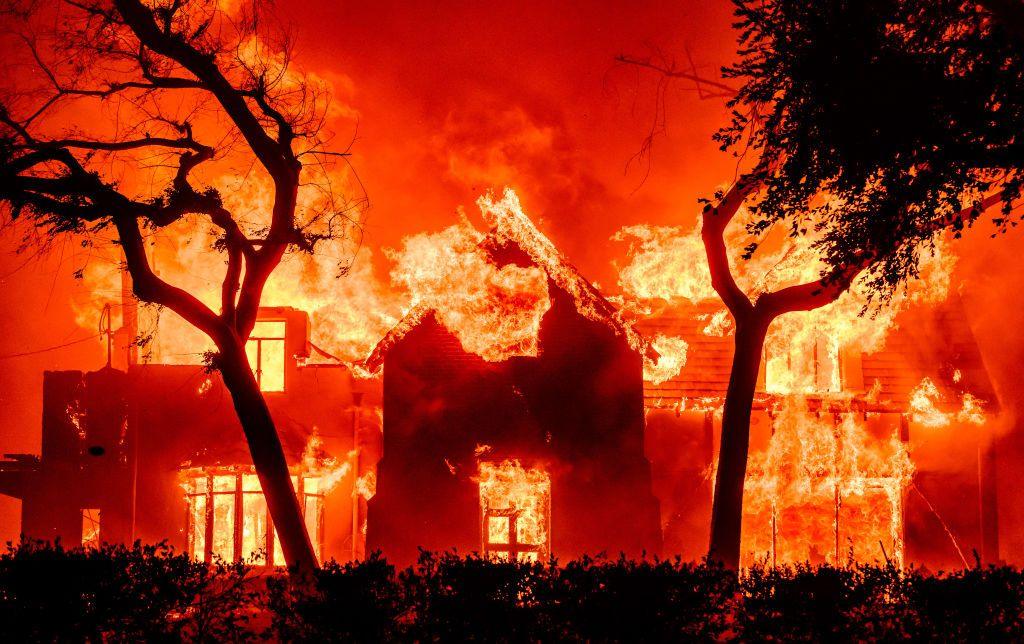
California, a land celebrated for its breathtaking landscapes, iconic cities, and vibrant culture, consistently beckons travelers from across the globe. From the sun-drenched beaches of the Pacific Ocean to the majestic peaks of the Sierra Nevada mountains, the Golden State offers an unparalleled array of experiences. However, the allure of California is, at times, shadowed by the persistent threat of wildfires, a natural phenomenon that has become an increasingly prominent concern for residents and potential visitors alike. The question, “Are the California fires out?” is far more complex than a simple yes or no. It speaks to an evolving landscape, a seasonal reality, and the critical need for informed travel planning.
For those dreaming of a California adventure, understanding the dynamics of these fires is crucial. This isn’t just about safety; it’s about responsible travel, supporting local communities, and ensuring that your journey remains memorable for all the right reasons. While the immediate danger of any specific major fire might subside, the broader “fire season” remains a significant consideration for tourism, accommodation, and lifestyle choices throughout much of the state. This article delves into the current context of California’s wildfires, their impact on the travel industry, and essential tips for planning your visit safely and sustainably.
Understanding California’s Wildfire Landscape
California’s stunning natural beauty is intrinsically linked to its diverse ecosystems, many of which are historically adapted to fire. However, a combination of climate change, prolonged drought, and human factors has amplified the frequency and intensity of wildfires, transforming them into a significant annual challenge.
A Seasonal Reality and Its Evolution
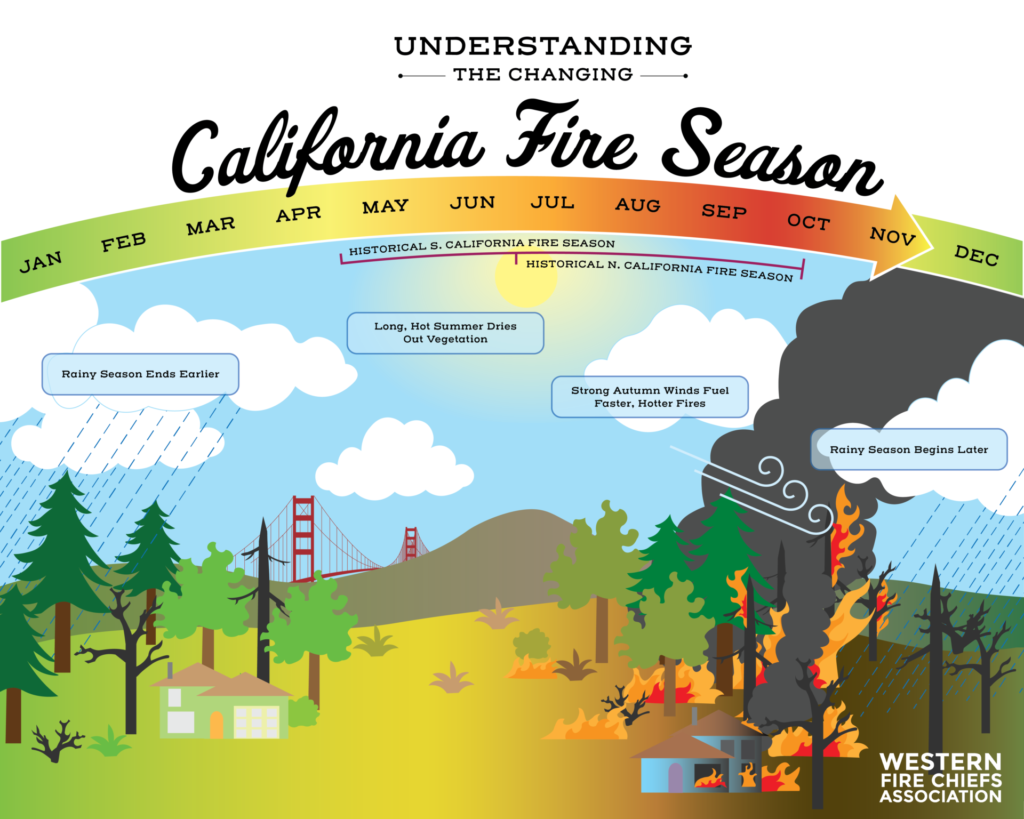
Wildfires in California are not a constant, year-round crisis, but rather a seasonal occurrence that peaks in late summer and fall. This period is characterized by hot, dry conditions and the infamous Santa Ana winds in the south and Diablo winds in the north, which can rapidly spread flames. While spring and early summer can also see significant fire activity, the later months are typically the most concerning. Over recent decades, what was once considered a “fire season” has increasingly stretched, sometimes extending well into winter, a clear indicator of the changing climatic patterns. These extended periods of risk mean that travelers need to remain vigilant and adaptable to ever-changing conditions, even outside the traditional peak months.
Key Regions and Historical Impacts
Almost any part of California with wildlands is susceptible to fire, but certain regions are more frequently impacted or have experienced more devastating events. The wine country areas of Napa Valley and Sonoma County have faced multiple major fires, affecting vineyards, resorts, and local infrastructure. The coastal hills and canyons of Malibu and Santa Barbara are also prone to significant blazes that can threaten luxury homes and popular beaches. Inland, regions surrounding national treasures like Yosemite National Park, Sequoia National Park, and Kings Canyon National Park have seen closures and air quality alerts due to fires within or near their boundaries. Even remote areas like Death Valley National Park and Joshua Tree National Park can experience fires, especially in their surrounding desert scrublands. The impact extends beyond immediate destruction, affecting air quality across major metropolitan areas like San Francisco and Los Angeles, leading to temporary disruptions in outdoor activities and daily life.
Navigating Travel and Tourism Amidst Wildfire Concerns
For travelers, the specter of wildfires introduces a unique set of considerations when planning a trip to California. While the vast majority of the state remains unaffected at any given time, awareness and preparedness are paramount for a smooth and enjoyable experience.
Impact on Popular Destinations and Attractions
When fires occur, their effects can ripple across the tourism sector. National and state parks, integral to California’s allure, often face closures for safety reasons, impacting hiking, camping, and sightseeing opportunities. For instance, sections of the iconic Highway 1 along Big Sur have been temporarily closed due to fire-related damage or mudslides following fires. Wineries in affected regions might suffer direct damage, but more commonly, they experience a drop in visitors due to smoke, air quality concerns, or perceived risk. Even major urban centers like Los Angeles and San Francisco, while rarely directly threatened by the fires themselves, can experience periods of unhealthy air quality, prompting visitors to reconsider outdoor activities or seek indoor alternatives. Attractions such as the Golden Gate Bridge might be shrouded in haze, and outdoor dining experiences can become less appealing. The key is to monitor conditions closer to your travel date and have alternative plans in mind.
Accommodation Choices and Safety Protocols
Choosing accommodation during wildfire season requires a slightly more nuanced approach. While hotels, resorts, and vacation rentals are generally located in safer, developed areas, their operations can still be impacted. During active fires, some properties might serve as evacuation centers, leading to reduced availability. For those staying in more remote or rural accommodations, such as cabins near national forests or vineyards in fire-prone areas, it’s vital to check directly with the property about their specific safety protocols, evacuation routes, and any contingency plans. Many luxury resorts and boutique hotels, particularly in regions like Napa Valley or Palm Springs, have robust emergency plans in place, but direct communication is always best. Travel insurance that covers natural disaster-related cancellations or interruptions becomes an invaluable asset for peace of mind, especially if you’re booking non-refundable rates.
The Local Economy and Community Resilience
Tourism is a cornerstone of California’s economy, and wildfires can deliver a significant blow to local businesses. Restaurants, shops, tour operators, and even gas stations in affected or nearby areas often see a sharp decline in revenue. When safe to do so, supporting these local economies through your patronage is an act of responsible tourism. Many communities exhibit incredible resilience, rebuilding and reopening with renewed spirit. For example, areas in Sonoma County or the Sierra Nevada foothills that have experienced fires often welcome visitors back eagerly, showcasing their recovery efforts and the enduring beauty of their regions. Engaging with local residents and businesses, even those far from active fires, contributes to the broader economic health of the state, especially as it navigates the challenges of a prolonged fire season.

Planning Your California Adventure: Safety and Sustainability
A trip to California can still be an incredible experience, even with the awareness of wildfire risks. The key lies in proactive planning, staying informed, and adopting a mindset of responsible travel.
Essential Pre-Trip Research and Resources
Before embarking on your journey, dedicate time to thorough research. The official CalFire website is the definitive source for current wildfire incidents, containment levels, and evacuation orders. Complement this with local news outlets for real-time updates specific to your chosen destinations. National park service websites provide critical information on park closures, trail conditions, and air quality advisories for areas like Yosemite National Park or Lake Tahoe. Apps like AirNow or IQAir offer detailed air quality maps, which can be invaluable for making daily activity decisions. Consider the timing of your visit: while the fall offers beautiful weather and harvest festivals, it also coincides with peak fire season in many areas. Traveling during the spring or early summer might present fewer wildfire-related concerns, though it’s never entirely risk-free. Always have flexible travel plans and consider purchasing comprehensive travel insurance that covers natural disaster interruptions.
Responsible Tourism in Fire-Prone Areas
As a visitor, you have a role to play in fire prevention and mitigation. Adhere strictly to all fire restrictions, especially concerning campfires, barbecues, and smoking in wildland areas. Be mindful of vehicle exhaust systems, as hot catalytic converters can ignite dry roadside vegetation. “Leave No Trace” principles are more important than ever: pack out everything you pack in, and avoid creating any potential ignition sources. Report any signs of smoke or unattended fires immediately to local authorities. Opt for accommodations and tour operators that demonstrate a commitment to sustainable practices and community safety. Your choices as a traveler can either exacerbate risks or contribute to the resilience and protection of California’s precious natural resources.
Embracing California’s Diverse Offerings
It’s important to remember that California is a vast state, and active fires typically affect only a small portion at any given time. If your initial plans are impacted, the state offers an incredible diversity of alternative experiences. Consider the vibrant urban culture of San Francisco with its museums and culinary scene, or the iconic entertainment and landmarks of Los Angeles, from Hollywood to Disneyland and Universal Studios Hollywood. Explore the coastal beauty of San Diego, the charming artistic village of Carmel-by-the-Sea, or the desert oasis of Palm Springs. Many regions, particularly urban and developed coastal areas, are inherently less susceptible to large-scale wildfires. By focusing on areas currently unaffected, or by engaging in indoor activities if air quality is a concern, you can still have a fulfilling and memorable California experience while staying safe and supporting the local economy.
In conclusion, the question “Are the California fires out?” rarely has a definitive, statewide answer. While specific major fires are eventually contained and extinguished, the threat remains a cyclical reality. By staying informed, planning thoughtfully, and traveling responsibly, you can confidently explore the wonders of California and contribute to its ongoing beauty and resilience.