
Embarking on a career that offers both robust employment opportunities and the freedom of the open road is a dream for many. In the vast and economically vibrant state of Texas, obtaining a Commercial Driver’s License (CDL) is your gateway to this exciting professional landscape. From long-haul adventures across the country to crucial local deliveries supporting bustling cities and tourism hubs, a CDL is an invaluable credential. This comprehensive guide will walk you through everything you need to know about securing your CDL in the Lone Star State, connecting it to the broader themes of travel, lifestyle, and supporting the thriving industries that rely on skilled commercial drivers.
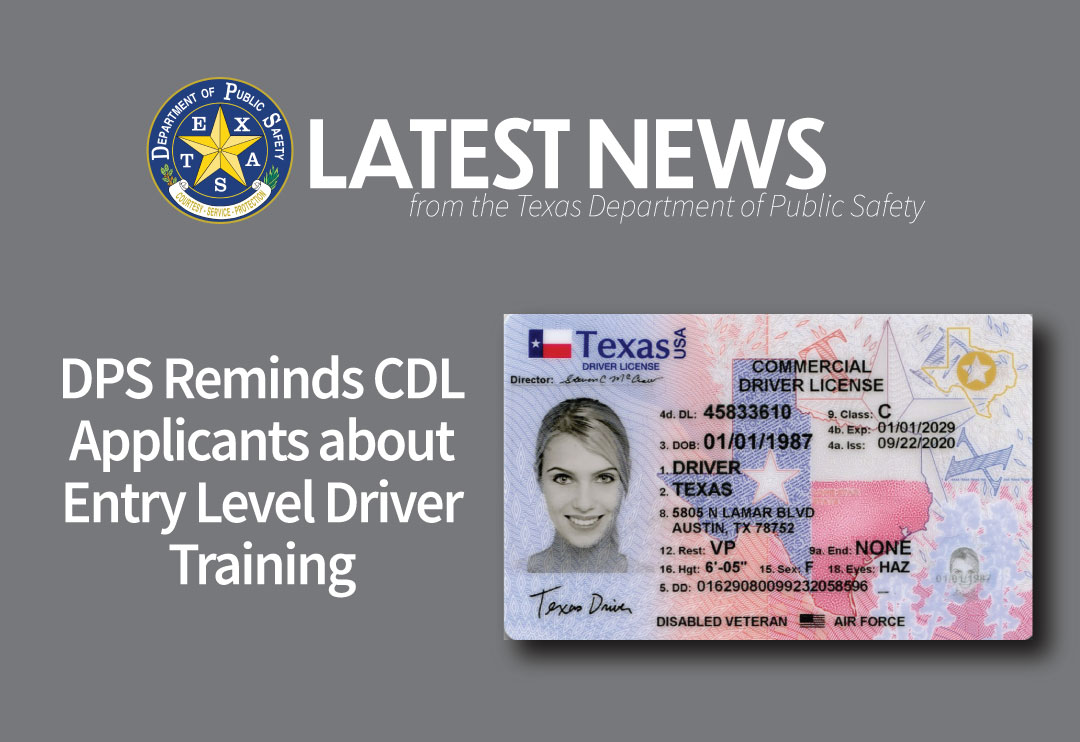
Navigating the Path to Professional Driving in Texas
Texas is a land of immense opportunity, boasting a diverse economy that spans oil and gas, agriculture, technology, and a burgeoning tourism sector. Each of these industries, and countless more, relies heavily on the efficient movement of goods and people, making commercial drivers indispensable. For those seeking a lifestyle that combines stability with the chance to experience the varied landscapes and vibrant cities of Texas, a CDL offers a compelling career path.
A CDL isn’t just a license; it’s a key to a profession vital to the nation’s infrastructure and economy. Commercial drivers are the backbone of logistics, ensuring everything from fresh produce reaches grocery store shelves in Houston to construction materials arrive at new hotel developments in Dallas. For individuals passionate about travel, even if it’s professional travel, a CDL presents a unique opportunity to traverse routes that connect different destinations, witness scenic beauty, and play a direct role in facilitating the journeys of others. Imagine transporting tour groups to famous Texas landmarks, or delivering essential supplies to luxury resorts that cater to travelers from around the globe. This isn’t just about driving; it’s about being an integral part of the travel and accommodation ecosystem.
The Diverse World of Commercial Driving
Commercial driving encompasses a wide array of vehicles and roles. With a CDL, you could be operating a Class 8 truck transporting goods from the Gulf Coast to the panhandle, driving a luxury motorcoach filled with tourists exploring San Antonio’s historic missions, or maneuvering a school bus through the bustling streets of Austin. The versatility of a CDL allows individuals to tailor their career to their preferences, whether that involves long-haul journeys, regional routes, or local, fixed schedules. This flexibility contributes to a desirable lifestyle, allowing drivers to balance professional commitment with personal pursuits, often enjoying significant autonomy on the job.
Understanding CDL Classes and Requirements in Texas
Before you can hit the road, it’s crucial to understand the different types of CDLs available and the specific requirements mandated by the Texas Department of Public Safety (DPS). Each class of CDL dictates the types of vehicles you are authorized to operate, and additional endorsements may be necessary for specialized cargo or passenger transport.
Types of Commercial Driver’s Licenses
- Class A CDL: This is the most comprehensive CDL, authorizing you to operate any combination of vehicles with a gross combination weight rating (GCWR) of 26,001 pounds or more, provided the gross vehicle weight rating (GVWR) of the vehicle being towed is in excess of 10,000 pounds. This includes tractor-trailers, truck and trailer combinations, and flatbeds. A Class A CDL opens doors to long-haul trucking, allowing you to transport goods across state lines, vital for national supply chains and connecting manufacturing hubs with tourist destinations and hotels.
- Class B CDL: With a Class B CDL, you can operate a single vehicle with a GVWR of 26,001 pounds or more, or a vehicle towing another vehicle weighing up to 10,000 pounds GVWR. This typically covers straight trucks, dump trucks, large passenger buses, and delivery trucks. Many urban and regional delivery services, as well as passenger transport companies catering to local tourism or hotel shuttles, require a Class B CDL.
- Class C CDL: A Class C CDL is for drivers operating vehicles designed to transport 16 or more passengers (including the driver) or vehicles carrying hazardous materials that require placarding, where the vehicle does not meet the criteria for a Class A or Class B CDL. This class is common for smaller passenger vans used by tour operators, or for drivers transporting specialized goods within cities like Fort Worth.
Essential Endorsements and Restrictions
Beyond the basic classes, specific endorsements are often required depending on what you plan to transport. These add-ons demonstrate specialized knowledge and skills:
- H – Hazardous Materials: Required for transporting placarded hazardous materials.
- N – Tanker: Necessary for driving tank vehicles.
- P – Passenger: Mandatory for driving vehicles designed to transport 16 or more passengers.
- S – School Bus: Specifically for operating a school bus.
- T – Double/Triple Trailers: Required for pulling double or triple trailers (though triples are not permitted in Texas).
Conversely, restrictions may be placed on your CDL if you test with certain vehicle types (e.g., automatic transmission only, no air brakes). Understanding these is crucial for ensuring your license matches your intended career path.
Eligibility Criteria for a Texas CDL
To be eligible for a CDL in Texas, you must meet several criteria set forth by the state and federal regulations.
- Age Requirements: You must be at least 18 years old to drive a commercial motor vehicle (CMV) intrastate (within Texas). For interstate driving (across state lines), federal regulations require you to be at least 21 years old.
- Residency and Citizenship: You must be a legal resident of Texas and either a U.S. citizen or a lawful permanent resident.
- Driving Record: A clean driving record is paramount. Disqualifying offenses include serious traffic violations (like DUI, leaving the scene of an accident, or excessive speeding) within certain timeframes. Any prior CDL disqualifications will also impact your eligibility.
- Medical Certification: All CDL applicants must pass a physical examination conducted by a certified medical examiner listed on the Federal Motor Carrier Safety Administration (FMCSA) National Registry. This examination ensures you are physically capable of safely operating a CMV. You will receive a USDOT Medical Examiner’s Certificate, which must be self-certified with the Texas DPS.
The Step-by-Step Application and Testing Process
Obtaining your CDL in Texas involves a structured process that requires diligent preparation, formal application, and successful completion of both knowledge and skills tests.
Preparation is Key: Getting Started
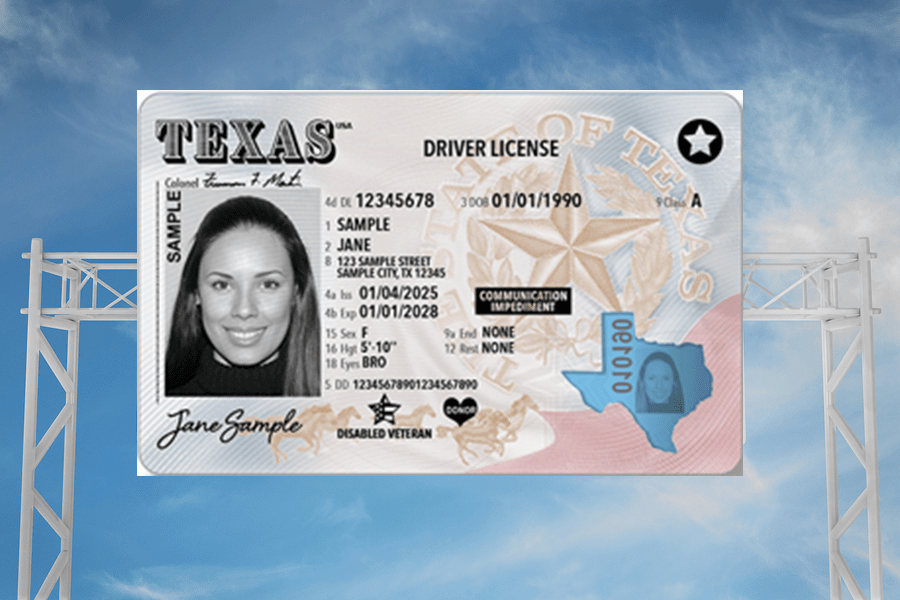
- Gathering Required Documentation: Before visiting the DPS, ensure you have all necessary documents. This typically includes your current Texas driver’s license, proof of U.S. citizenship or lawful permanent residency (e.g., birth certificate, U.S. passport, Green Card), proof of Texas residency (e.g., utility bills, lease agreement), your Social Security card, and your valid USDOT Medical Examiner’s Certificate.
- CDL Training Programs in Texas: While not always mandatory, enrolling in a reputable CDL training school is highly recommended. These programs provide invaluable classroom instruction on federal and state regulations, vehicle mechanics, and safety procedures. More importantly, they offer hands-on experience driving CMVs, which is crucial for passing the skills tests. Many schools are available in major cities like Houston, Dallas, San Antonio, and Austin, with some even offering specialized training for specific endorsements or vehicle types, enhancing your career prospects.
The Application Journey at the Texas DPS
- Applying for a Commercial Learner’s Permit (CLP): The first official step is to obtain a Commercial Learner’s Permit (CLP). This involves visiting a Texas DPS office, presenting your documentation, paying the required fees, and passing a series of knowledge tests. These tests cover general commercial knowledge, air brakes, combination vehicles, and any specific endorsements you’re seeking (e.g., passenger, tanker, hazardous materials).
- Holding the CLP: Once you have your CLP, you are authorized to practice driving a CMV on public roads, but only with a qualified CDL holder in the passenger seat. Federal regulations require you to hold your CLP for a minimum of 14 days before you can take the CDL skills test. This period is crucial for gaining practical experience and confidence behind the wheel.
Mastering the CDL Skills Test
After holding your CLP for the mandatory period and feeling confident in your driving abilities, you can schedule your CDL skills test at a DPS approved testing site. This comprehensive test consists of three parts:
- Vehicle Inspection Test: You must demonstrate your ability to perform a thorough pre-trip inspection of the commercial vehicle, identifying critical safety components and explaining their function to the examiner.
- Basic Controls Test: This segment assesses your ability to control the vehicle in a controlled environment, including maneuvers like straight-line backing, offset backing, and parallel parking. Precision and spatial awareness are key here.
- Road Test: The final part is a supervised drive on public roads, where you’ll demonstrate your proficiency in various traffic situations, including turns, lane changes, railway crossings, and adherence to traffic laws.
Finalizing Your Texas CDL
- Receiving Your License: Upon successfully passing all three parts of the skills test, you will return to the Texas DPS office to complete the final paperwork, pay any remaining fees, and have your new CDL issued. Congratulations – you are now a licensed commercial driver in Texas!
- Fees and Renewal: Be prepared for various fees throughout the process, including application fees, testing fees, and the cost of the CDL itself. A Texas CDL is typically valid for 5 years, after which it must be renewed. Staying current with your USDOT medical certification is an ongoing requirement to maintain your CDL’s validity.
Beyond the License: Career, Lifestyle, and Travel in Texas
A CDL is more than just a piece of plastic; it’s a passport to a rewarding career and a unique lifestyle, deeply intertwined with the concepts of travel, exploration, and supporting vital industries.
Career Opportunities and Economic Impact
With a CDL, a wide array of career opportunities opens up in Texas and across the nation. You could work in:
- Logistics and Freight: Transporting goods for retail, manufacturing, and e-commerce, ensuring timely deliveries to cities from El Paso to Texarkana.
- Construction: Hauling heavy equipment, materials, and specialized loads to build infrastructure, homes, and even new hotels or tourist attractions.
- Energy Sector: Supporting the oil and gas industries, particularly in regions like West Texas.
- Tourism and Passenger Transport: Driving motorcoaches for tour groups visiting Texas landmarks, shuttle services for hotels and resorts, or intercity bus lines connecting major metropolitan areas.
- Agriculture: Transporting livestock and produce across the vast agricultural regions of Texas.
Commercial drivers significantly contribute to the Texas economy by facilitating trade, enabling infrastructure development, and keeping supply chains robust. Their work directly impacts the availability of goods in stores, the success of hospitality businesses, and the accessibility of travel experiences.
The “Traveler’s” Perspective of a CDL Holder
For many, the allure of a CDL extends beyond job security to a distinct lifestyle of professional travel. Commercial drivers get to see parts of Texas and the country that many only dream of. They navigate through diverse landscapes, from the bustling urban sprawl of Houston and Dallas to the serene deserts of West Texas and the charming small towns dotting the highways. This constant movement offers a unique perspective on regional cultures, local cuisines, and hidden gems along their routes.
Moreover, commercial drivers are silent facilitators of the travel and tourism industry. They deliver the linens to hotels in Austin, the food to restaurants in San Antonio, and the souvenirs to gift shops near famous landmarks. Those with a passenger endorsement directly transport tourists, providing them with memorable experiences as they journey to their destinations. This role offers a sense of independence, often involving long stretches of solo driving, punctuated by interactions at various stops, making it an appealing lifestyle for those who value autonomy and the open road.
Maintaining Your CDL and Continuous Development
Once licensed, the journey doesn’t end. Maintaining your CDL requires ongoing adherence to federal and state regulations, including regular medical certifications and compliance with hours-of-service rules. Many drivers also pursue additional endorsements or advanced training to expand their skill set, qualify for higher-paying jobs, or specialize in particular types of transportation, further enhancing their career trajectory and lifestyle choices. Continuous learning ensures drivers remain safe, efficient, and valuable assets to the commercial driving industry.

Conclusion: Driving Your Future Forward in the Lone Star State
Obtaining a Commercial Driver’s License in Texas is a strategic move for anyone seeking a stable, well-compensated, and dynamic career. It’s a pathway to a lifestyle characterized by travel, independence, and a crucial contribution to the economy of the Lone Star State and beyond. By understanding the classes, meeting the requirements, diligently preparing for tests, and committing to continuous professional development, you can confidently navigate the process and embark on a fulfilling career as a commercial driver. Whether your aspirations lead you to long-haul routes connecting major cities, specialized transport supporting local industries, or passenger services enhancing the tourism experience, your Texas CDL will be your essential ticket to driving your future forward.
LifeOutOfTheBox is a participant in the Amazon Services LLC Associates Program, an affiliate advertising program designed to provide a means for sites to earn advertising fees by advertising and linking to Amazon.com. Amazon, the Amazon logo, AmazonSupply, and the AmazonSupply logo are trademarks of Amazon.com, Inc. or its affiliates. As an Amazon Associate we earn affiliate commissions from qualifying purchases.