
Embarking on a journey across the vast and diverse landscapes of Texas offers an unparalleled experience, from the vibrant urban centers of Dallas and Houston to the serene natural beauty of Big Bend National Park. Whether you’re a seasoned traveler planning your next road trip adventure, a newcomer considering a long-term stay, or a resident simply navigating your annual vehicle requirements, understanding and passing the Texas emissions test is a crucial step. This seemingly routine vehicle inspection is more than just a regulatory hurdle; it’s a vital component of maintaining a healthy environment for both residents and the millions of tourists who flock to the Lone Star State each year.
For those whose lifestyle revolves around travel, the reliability and compliance of their vehicle are paramount. A smooth-running car not only ensures your safety and comfort on the open road, but also plays a part in preserving the pristine natural landmarks and clear skies that make Texas such a captivating destination. This comprehensive guide will demystify the Texas emissions test, offering practical advice, strategic tips, and a broader perspective on how vehicle maintenance aligns with responsible travel and a sustainable lifestyle. From understanding the core requirements to performing pre-test checks that will save you time and money, we’ll equip you with the knowledge to pass your emissions test with flying colors, ensuring your travels through Texas are as enjoyable as they are eco-conscious.
Understanding the Texas Emissions Test: A Traveler’s Perspective
For anyone venturing into or residing in Texas, the annual vehicle inspection is a non-negotiable part of car ownership. However, for the traveler, particularly those on extended stays, planning a cross-country move, or even just exploring the state’s expansive attractions, understanding the nuances of the Texas emissions test can prevent unnecessary delays or complications. This section breaks down what the test entails and where it applies, framing it within the context of hassle-free travel and accommodation.
What is the Texas Vehicle Inspection?
The Texas vehicle inspection is a two-part process designed to ensure that all vehicles operating on public roads meet both safety and environmental standards. The first part, the safety inspection, checks critical components such as brakes, tires, lights, steering, and windshield wipers. These are fundamental aspects of vehicle integrity, directly impacting the safety of your journey, whether you’re navigating the bustling streets of Austin or cruising along a scenic route towards Galveston.
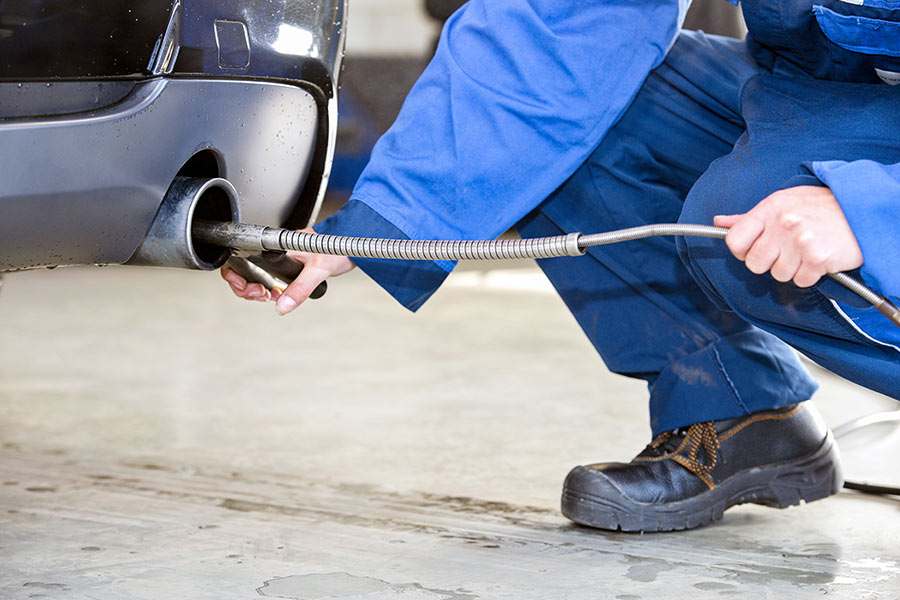
The second part, the emissions test, is specifically designed to measure the pollutants emitted by your vehicle. This is where the environmental impact comes into play, aiming to reduce smog and improve air quality across the state. Not all counties in Texas require an emissions test; it is primarily mandated in the state’s largest metropolitan areas, which grapple with greater vehicle density and air quality concerns. These include Dallas County, Harris County (home to Houston), Tarrant County (serving Fort Worth), Travis County (where Austin is located), and Bexar County (encompassing San Antonio), among others. For travelers, especially those planning to drive through or stay in these areas, understanding this requirement is crucial. Failing to pass or having an expired inspection sticker can lead to fines, hindering your travel plans and adding unnecessary stress to your adventure. By ensuring your vehicle is compliant, you contribute to the clean air initiatives that protect the state’s natural beauty, from the coastal breezes of Padre Island National Seashore to the clear skies over the Texas Hill Country.
When and Where to Get Your Vehicle Inspected
The Texas vehicle inspection is an annual requirement, typically due within the month your vehicle registration expires. For residents, this timing is often ingrained, but for newcomers or long-term visitors, it’s a key piece of information to add to your travel checklist. The sticker on your windshield indicates the expiration month and year, serving as a constant reminder.
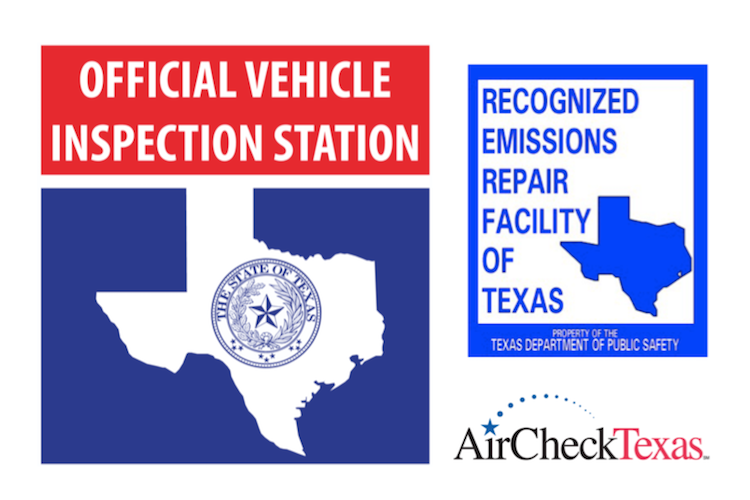
Finding a certified inspection station across Texas is relatively easy, with numerous establishments licensed to perform the tests. These stations are often repair shops, dealerships, or dedicated inspection centers, identifiable by official Texas Department of Public Safety signage. You can use the official Two Steps One Sticker website provided by the state to locate a nearby station. For travelers staying in various cities, say in a cozy boutique hotel in Austin or a lavish resort in Houston, it’s advisable to check the operating hours and potentially make an appointment, especially during peak times. Many stations operate on a first-come, first-served basis, and a quick phone call can save you valuable travel time.
For out-of-state visitors contemplating a move to Texas or those on an extended stay, registering your vehicle in Texas will necessitate an inspection. The state offers grace periods for new residents, but it’s wise to complete the inspection and registration process promptly to avoid any legal complications or fines. Integrating this task into your relocation or travel itinerary, perhaps after settling into your new apartment in Dallas or unpacking at a charming villa in San Antonio, ensures a smooth transition. Remember, passing this test is not just about compliance; it’s about peace of mind, knowing your vehicle is safe and environmentally sound for all your upcoming Texas adventures, from exploring the historic Riverwalk to venturing into the rugged wilderness.
Pre-Trip Vehicle Maintenance: Ensuring a Smooth Journey and a Passing Grade
A well-maintained vehicle is the cornerstone of any successful road trip, providing reliability, efficiency, and safety. For those needing to pass a Texas emissions test, meticulous maintenance becomes doubly important, as many of the checks for a passing grade directly overlap with good vehicle health. Incorporating these pre-test and pre-trip checks into your lifestyle not only improves your chances of passing the emissions test but also safeguards your travel experiences, minimizing the likelihood of unexpected breakdowns in unfamiliar territory.
Essential Checks Before Your Test (and Your Next Road Trip)
Before you even pull into the inspection station, a series of simple yet crucial checks can significantly increase your chances of passing the Texas emissions test and ensure your vehicle is ready for any travel escapade.
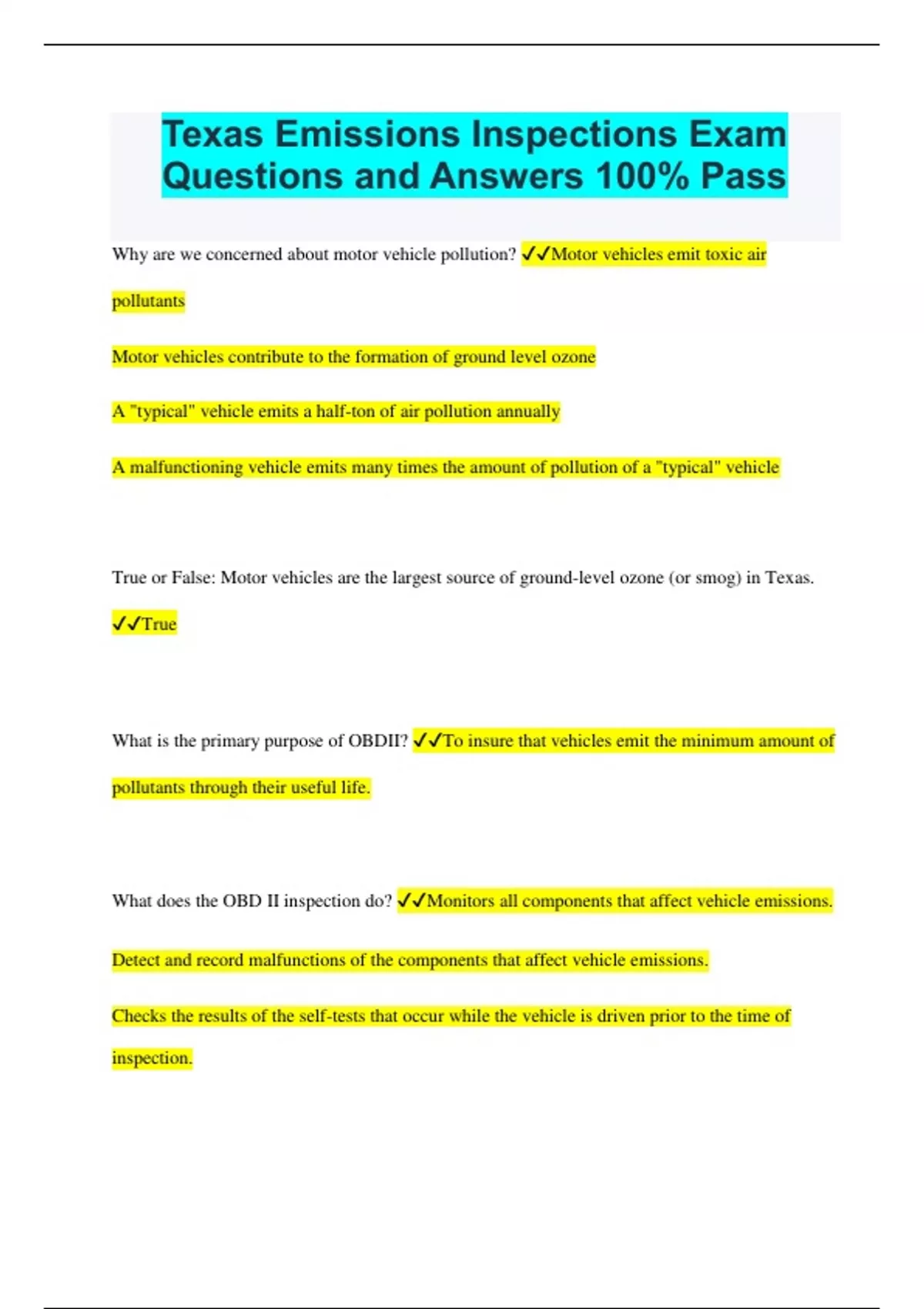
- Engine Light (Check Engine Light): This is perhaps the most critical indicator. If your Check Engine Light (CEL) is on, it’s an automatic failure for the emissions test. A lit CEL signifies that your vehicle’s onboard diagnostic (OBD-II) system has detected an issue that could affect emissions. Before your test or a long trip, resolve any CEL issues; this often involves a visit to a mechanic. Ignoring it could mean not only failing the test but also facing a breakdown far from a reputable service center, impacting your travel schedule and budget.
- Tires: While not directly tied to emissions, properly inflated tires are crucial for overall vehicle performance, safety, and fuel efficiency. Under-inflated tires increase rolling resistance, leading to higher fuel consumption and, indirectly, more emissions. Ensure your tires are inflated to the manufacturer’s recommended pressure, a quick check that improves both your emissions chances and your road trip economy.
- Fluids: Check your engine oil, coolant, transmission fluid, and brake fluid. Low or dirty fluids can compromise engine performance, potentially leading to increased emissions. For instance, old engine oil can contribute to poor combustion. Fresh, clean fluids help your engine run more efficiently, which is good for both the test and the longevity of your vehicle during extensive travel across Texas.
- Air Filter: A clogged air filter restricts airflow to the engine, forcing it to work harder and consume more fuel, leading to higher emissions. Replacing a dirty air filter is a simple, inexpensive maintenance task that can significantly improve your vehicle’s efficiency and help it pass the emissions test. It also ensures your engine breathes easier, which is vital for sustained performance during long drives.
- Spark Plugs: Worn or fouled spark plugs can lead to misfires and incomplete combustion, both of which result in elevated emissions. If your vehicle is due for a tune-up or if you notice rough idling or reduced fuel economy, new spark plugs could be the solution. This is a key component for optimal engine performance, making it essential for both emissions compliance and reliable travel.
- Oxygen Sensors: Oxygen sensors play a critical role in monitoring the amount of oxygen in your exhaust, helping your engine’s computer adjust the fuel-air mixture for optimal combustion and minimal emissions. Faulty oxygen sensors can cause your vehicle to run rich or lean, leading to increased pollutants and an emissions test failure. While not a DIY fix for most, ensuring these are functioning correctly is vital.
- Catalytic Converter: This is perhaps the most expensive but also the most crucial emissions control device. The catalytic converter converts harmful pollutants into less toxic gases. A failing or damaged catalytic converter will almost certainly result in an emissions test failure. While a pre-test check for this usually requires professional diagnostics, ensuring your engine runs optimally helps prolong its life.
Addressing these components proactively not only readies your vehicle for the emissions test but also establishes a foundation of reliability, ensuring your travels from the vibrant city life of Houston to the serene desert landscapes of Big Bend National Park are uninterrupted by preventable vehicle issues.
The “Drive Cycle” and Its Importance
Beyond mechanical readiness, there’s a specific procedural step that many vehicle owners overlook, often leading to unnecessary retests: the “drive cycle.” This concept is particularly critical for modern vehicles equipped with Onboard Diagnostics (OBD-II) systems, which monitor various engine functions and emission control systems. If your vehicle’s battery has recently been disconnected, replaced, or if certain repairs (like those addressing a Check Engine Light) have been performed, the vehicle’s computer (ECU) may clear its “readiness monitors.” These monitors need to complete a full drive cycle to confirm that all emission control systems are functioning correctly.
Attempting an emissions test with incomplete readiness monitors is a guaranteed failure, even if there are no active fault codes. A drive cycle is a specific sequence of driving conditions (e.g., cold start, idling, city driving, highway driving at steady speeds, accelerations, decelerations) that allows the ECU to run its self-tests and set the readiness monitors. The exact procedure can vary by manufacturer, but generally involves a mix of city and highway driving over several days or a specific mileage.
For travelers, understanding the drive cycle is paramount. Imagine you’ve just arrived in Austin, planning to explore its live music scene and vibrant culture, and your battery recently died. You get a new one installed, then rush to an inspection station. Without completing the drive cycle, you’ll likely fail the emissions portion of the test, requiring you to drive the car for a while and then return, eating into your precious travel time. Planning your vehicle maintenance and inspections allows for ample time to perform this drive cycle, ensuring all systems are “ready” for the test. This thoughtful preparation contributes to a stress-free travel experience, allowing you to focus on enjoying the local culture, cuisine, and attractions Texas has to offer.
Strategic Planning for Texas Visitors and Residents
Navigating the intricacies of vehicle inspections and registrations can be particularly challenging for those new to Texas or for long-term travelers. Understanding how to strategize your inspection process can save time, prevent fines, and seamlessly integrate into your overall travel or relocation plans. Moreover, by linking these practical necessities with the broader scope of travel and tourism, we can transform a mundane chore into an opportunity for exploration and efficiency.
Navigating Emissions for Newcomers and Temporary Stays
Moving to a new state brings a host of administrative tasks, and vehicle registration is high on that list. For newcomers to Texas, particularly those settling in emissions-mandated counties like Dallas, Houston, or San Antonio, understanding the timeline for inspections is crucial. While Texas offers a grace period, typically 30 days, to register your vehicle after becoming a resident, the inspection must be completed before you can register. This means one of your first errands after arriving and getting settled in your new accommodation (be it a long-term rental or a temporary hotel stay) should be getting your car inspected.
For those on extended temporary stays – perhaps digital nomads exploring the diverse regions of Texas for several months, or individuals on a long-term work assignment – the annual inspection requirement still applies if your vehicle is registered in Texas. Even if your vehicle is registered out-of-state but you anticipate being in Texas for a significant period, it’s wise to be aware of local regulations, especially if considering a permanent move. In some limited cases, for vehicles temporarily out of state during their inspection due month, a temporary permit might be available, but this is specific and requires application. The best practice is always to complete your inspection well in advance of its expiration, integrating it into your travel itinerary so it doesn’t interrupt your exploration of landmarks or participation in local activities. Consider getting it done during a planned stop in a major city, making use of the time your car is being inspected to grab a meal at a local eatery or visit a nearby attraction.
Combining Your Inspection with Local Exploration
Why treat your vehicle inspection as a tedious chore when it can be an opportunity for local exploration? Smart travelers and residents alike can strategically plan their inspection to coincide with visits to new destinations or to revisit cherished local spots. If you need your emissions test in Fort Worth, for instance, choose an inspection station near the Cultural District. While your car is being serviced, you could immerse yourself in art at the Kimbell Art Museum or explore the captivating exhibits at the Modern Art Museum of Fort Worth.
Similarly, if your vehicle is due for inspection while you’re enjoying a stay in Galveston, find a station on the island. After dropping off your car, you could easily walk to the historic Strand District for some unique shopping, visit the Galveston Railroad Museum, or simply enjoy a leisurely stroll along the waterfront. Many inspection stations are conveniently located near popular areas, offering a chance to discover local culture, enjoy diverse food experiences, or simply relax at a nearby cafe. Some larger service centers might even have amenities or shuttles to local points of interest. This approach not only makes the inspection process less burdensome but also enriches your travel experience, turning a necessary task into a delightful detour. It’s a prime example of how thoughtful lifestyle choices can maximize enjoyment even in the most practical aspects of life.
Beyond the Test: Eco-Conscious Travel in Texas
Passing the Texas emissions test is a critical step in responsible vehicle ownership, but it’s also a gateway to a broader commitment to eco-conscious travel. As we traverse the stunning diverse landscapes of Texas, from its sprawling deserts to its vibrant coastlines, our lifestyle choices—especially how we travel—have a profound impact on preserving these precious environments for future generations. Embracing sustainable practices goes hand-in-hand with ensuring our vehicles meet emissions standards, contributing to a holistic approach to environmental stewardship that enhances every journey.
Embracing Green Travel Practices
Beyond just passing the emissions test, there are numerous ways travelers can adopt greener practices while exploring Texas. The goal is to minimize your carbon footprint and support a more sustainable tourism industry.
- Fuel Efficiency: Maintaining your vehicle for optimal fuel efficiency (as discussed in the pre-test checks) is a key green practice. Regular maintenance, proper tire inflation, and smooth driving habits (avoiding aggressive acceleration and braking) directly reduce fuel consumption and thus emissions.
- Electric Vehicles (EVs): For those considering new vehicle purchases, embracing electric vehicles is a significant step towards zero-emission travel. Texas is rapidly expanding its infrastructure for electric vehicle charging stations, especially along major interstates and in metropolitan areas like Dallas, Austin, and Houston, making long-distance EV travel increasingly feasible and enjoyable. Many hotels and resorts now offer charging facilities as an amenity, catering to the growing number of eco-conscious travelers.
- Public Transportation: In major Texas cities, utilizing public transport options can significantly reduce individual car usage. Dallas and Houston, for example, boast comprehensive bus and light rail systems that connect major attractions, business districts, and even airports. Exploring the Riverwalk in San Antonio is often best done on foot or via the iconic river barges, reducing the need for personal vehicles in congested areas.
- Bike-Friendly Initiatives: Many Texas cities are investing in bike lanes and bike-share programs, offering a healthy and emission-free way to explore urban environments and local landmarks.
- Support Local and Sustainable Businesses: When traveling, choose accommodation providers, restaurants, and tour operators that demonstrate a commitment to sustainability. Look for eco-friendly certifications, locally sourced food, and responsible waste management practices. This not only supports the local economy but also minimizes the environmental impact of your travel.
By integrating these green travel practices into your lifestyle, your journeys through Texas become not just personal adventures but also contributions to the state’s environmental health and the global movement towards sustainability.
Texas’s Natural Wonders and Preserving Them
The importance of emissions control and eco-conscious travel becomes especially clear when considering Texas’s breathtaking natural wonders. From the rugged peaks and diverse ecosystems of Big Bend National Park to the delicate dunes and abundant wildlife of Padre Island National Seashore, these landmarks are magnets for tourism and vital for biodiversity. Air quality directly impacts the health of these environments and the enjoyment of visitors. Smog and pollution can obscure scenic views, harm vegetation and wildlife, and diminish the overall experience of exploring these natural treasures.
By ensuring our vehicles pass emissions tests and by embracing greener travel practices, we play an active role in preserving the pristine conditions of these iconic Texas destinations. Imagine visiting Big Bend National Park and being able to breathe clean air and see the stars with unparalleled clarity, free from urban haze. Or exploring the coastal beauty of Padre Island National Seashore without the worry of vehicle pollution impacting its delicate ecosystem.
Our commitment to responsible vehicle maintenance and eco-friendly travel extends beyond personal compliance; it’s an investment in the future of Texas’s natural heritage. This dedication ensures that future generations of travelers and residents can continue to experience the state’s majestic beauty, vibrant culture, and diverse attractions in an environment that is healthy, thriving, and sustainably managed. It’s about blending the thrill of travel with a deep respect for the planet we explore.
In conclusion, passing the Texas emissions test is more than a regulatory formality; it’s an integral part of responsible vehicle ownership and an essential component of a sustainable travel lifestyle. By understanding the test requirements, performing diligent pre-trip maintenance, and strategically planning your inspection, you ensure your vehicle is not only compliant but also reliable for all your adventures across the Lone Star State. Moreover, by embracing eco-conscious travel practices, from efficient driving to supporting sustainable tourism, you contribute to the preservation of Texas’s breathtaking natural landmarks and vibrant urban environments. A well-maintained vehicle, coupled with an environmentally aware mindset, paves the way for countless memorable and impactful journeys, allowing you to experience the best of Texas with peace of mind and a clear conscience.
LifeOutOfTheBox is a participant in the Amazon Services LLC Associates Program, an affiliate advertising program designed to provide a means for sites to earn advertising fees by advertising and linking to Amazon.com. Amazon, the Amazon logo, AmazonSupply, and the AmazonSupply logo are trademarks of Amazon.com, Inc. or its affiliates. As an Amazon Associate we earn affiliate commissions from qualifying purchases.