
For anyone navigating the sprawling landscapes and vibrant cities of Texas, a valid car registration isn’t just a legal requirement; it’s a passport to seamless travel and exploration. Whether you’re a long-time resident embarking on a cross-state road trip, a new arrival settling into the Lone Star State, or a business traveler needing reliable transportation for extended stays, keeping your vehicle’s registration current is paramount. Texas, with its diverse terrain ranging from the bustling metropolises of Houston and Dallas to the serene beauty of Big Bend National Park and the historic charm of San Antonio, offers endless opportunities for adventure. Ensuring your car is properly registered means you can focus on the journey, the destinations, and the unique experiences Texas has to offer, free from the worry of legal complications. This comprehensive guide will walk you through the process of renewing your car registration in Texas, integrating tips for travelers, insights for those planning extended accommodations, and considerations for making your Texas adventures as smooth as possible.
Why Timely Car Registration Matters for Every Texan (and Visitor!)
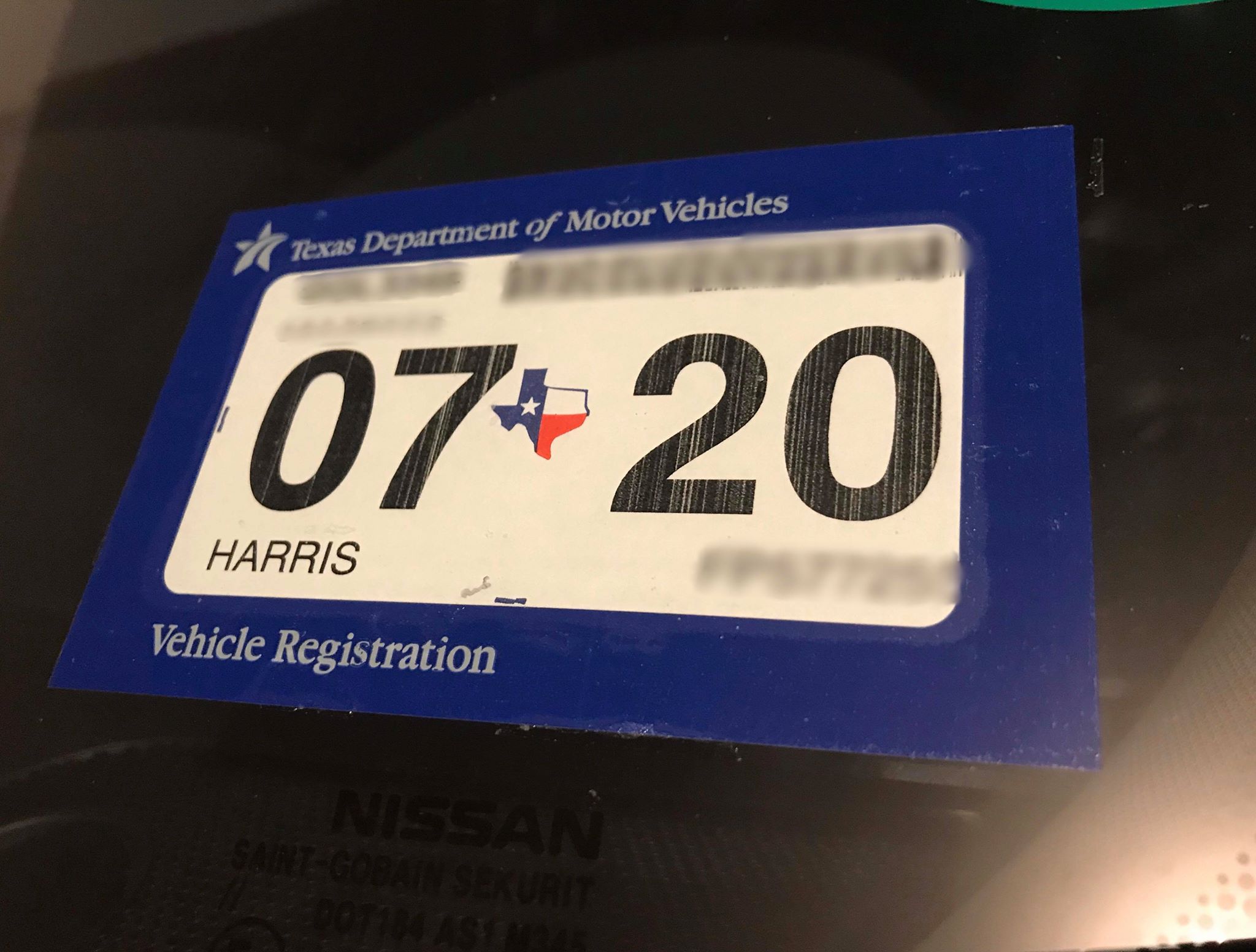
In the grand scheme of planning a trip or settling into a new location, car registration might seem like a minor detail, but its importance cannot be overstated. For residents and visitors alike, a current registration sticker on your windshield is a clear signal of compliance, ensuring you meet state regulations and contributing to road safety. Beyond the legalities, timely renewal offers significant benefits, especially for those who view Texas as a playground for travel, tourism, and diverse lifestyles.
Firstly, driving with an expired registration is illegal in Texas and can lead to hefty fines, citations, and even impoundment of your vehicle. Imagine planning a relaxing weekend getaway to South Padre Island or a historical tour through Austin, only to be stopped by law enforcement because of an oversight. Such an incident can quickly derail your travel plans, incur unexpected costs, and add unnecessary stress to your journey. For those on a tight budget or managing a meticulously planned itinerary, these disruptions are particularly unwelcome.
Secondly, current registration is often a prerequisite for other essential services. If you ever need to file an insurance claim, for instance, a valid registration can help streamline the process. Furthermore, for business travelers or those on long-term stays in serviced apartments or resort accommodations across cities like Fort Worth or El Paso, maintaining an up-to-date registration reflects responsible vehicle ownership, which can be crucial in professional contexts or when dealing with rental agencies for extended periods.
From a lifestyle perspective, particularly for those who embrace the freedom of the open road, timely registration is key to a stress-free experience. Whether you’re embarking on a family road trip to explore the Guadalupe Mountains National Park, a solo adventure to the art installations of Marfa, or simply commuting between your Dallas high-rise apartment and a luxury resort in the Texas Hill Country, knowing your vehicle is fully compliant provides peace of mind. This allows you to fully immerse yourself in the culture, cuisine, and attractions that make Texas such a captivating destination.
The Essentials: What You’ll Need for Your Texas Car Registration Renewal
Renewing your car registration in Texas is a straightforward process, but it requires gathering a few key documents and fulfilling specific requirements. Being prepared ensures a smooth experience, whether you choose to renew online, by mail, or in person. Here’s a breakdown of the essentials:
Proof of Current Liability Insurance
This is non-negotiable. Texas law mandates that all registered vehicles must have valid liability insurance. When you renew, you’ll need to provide proof of coverage. This can be your insurance card, a copy of your policy, or a digital version if renewing online. Make sure your policy meets the state’s minimum requirements, which are currently 30/60/25 (meaning $30,000 for bodily injury per person, $60,000 for bodily injury per accident, and $25,000 for property damage). Without valid insurance, your renewal application will be rejected, regardless of other factors. For travelers exploring Texas for an extended period, perhaps staying at various hotels or serviced apartments, ensuring continuous insurance coverage is vital for protection and compliance.
Vehicle Inspection Report (VIR)
Before you can renew your registration, your vehicle must pass an annual safety inspection at a certified Texas Department of Public Safety (DPS) inspection station. If you live in or regularly travel through certain counties, your vehicle might also require an emissions inspection. These counties typically include the larger metropolitan areas, such as Bexar (San Antonio), Brazoria, Collin, Dallas, Denton, El Paso, Ellis, Fort Bend, Galveston, Harris (Houston), Johnson, Kaufman, Montgomery, Parker, Rockwall, Tarrant (Fort Worth), and Travis (Austin) counties.
The inspection must be current, typically within the last 90 days before your registration expires. Crucially, the inspection station will electronically transmit the results to the Texas Department of Motor Vehicles (TxDMV). This means you usually won’t receive a paper certificate; instead, you’ll need to ensure the inspection is recorded in the state’s system. Always complete your inspection well in advance of your expiration date, especially if you’re planning a trip, booking accommodations, or engaging in a travel-intensive lifestyle.
Your Renewal Notice or License Plate Number
The TxDMV typically mails a renewal notice to your registered address about 60 days before your registration expires. This notice contains important information, including your renewal PIN, the amount due, and instructions. If you haven’t received a notice, don’t panic. You can still renew using your license plate number and the last four digits of your Vehicle Identification Number (VIN). It’s crucial to keep your address updated with the TxDMV, especially if you frequently change accommodations, like moving between long-term rental apartments or different hotel chains.
Payment for Renewal Fees
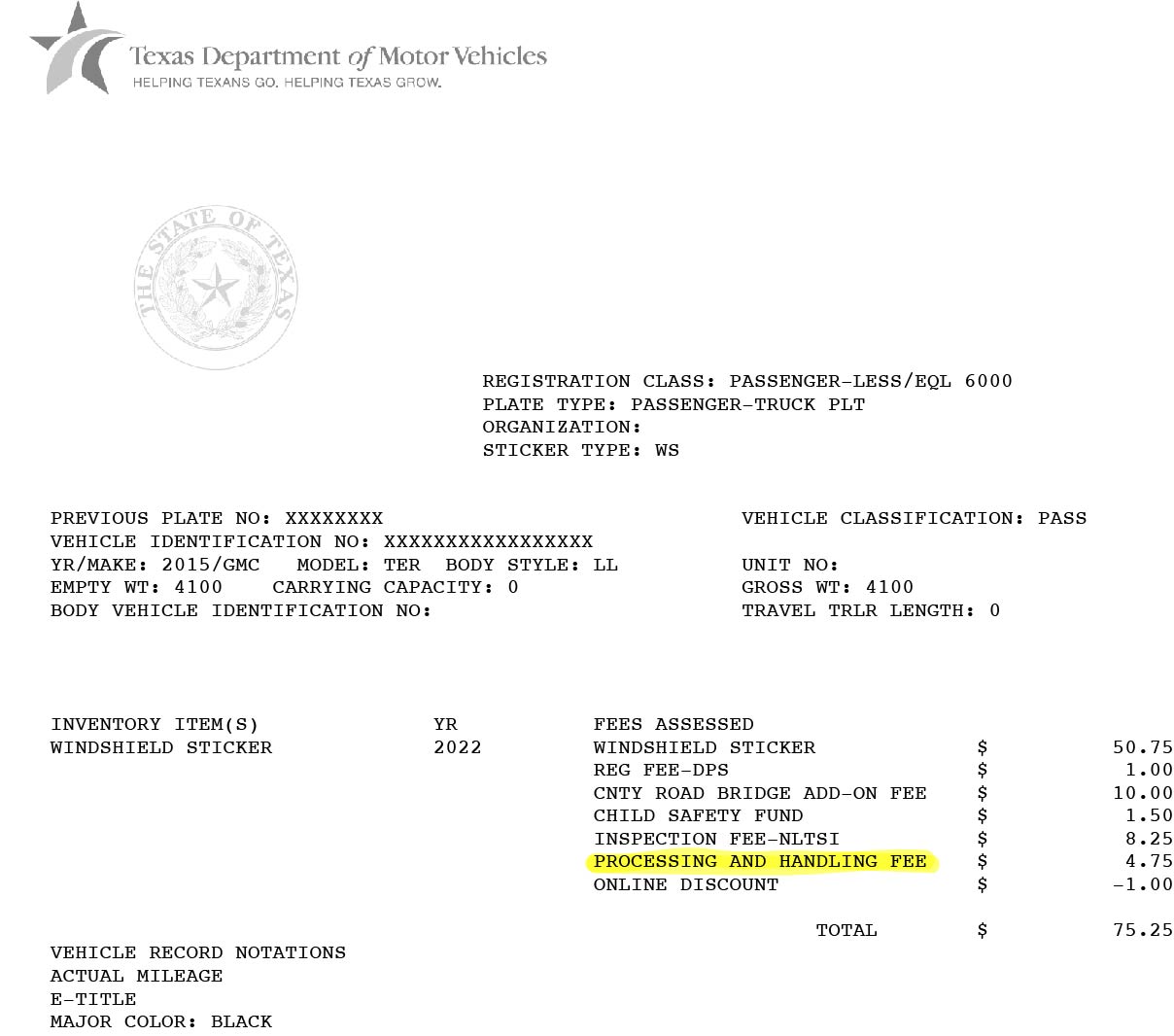
The cost of renewing your registration includes state fees, local county fees, and potentially other specific charges. The exact amount will be listed on your renewal notice. You can typically pay with a credit card (online or in person), a check (by mail or in person), or cash (in person). These fees support the infrastructure that makes road travel possible across Texas, from maintaining highways that connect iconic landmarks like The Alamo to providing resources for safe passage through bustling city centers.
Exploring Your Renewal Options: Convenient Ways to Stay Compliant
Texas offers several convenient methods for renewing your car registration, catering to different preferences and lifestyles. Whether you’re a digital nomad, a traditionalist, or someone who prefers face-to-face interaction, there’s an option for you.
Online Renewal: The Fastest Path to Compliance
For the modern traveler, busy professional, or anyone seeking efficiency, online renewal is often the preferred method. You can renew your registration through the TxDMV’s official online portal, Texas by Texas (TxT), or at www.txdmv.gov. This option is available if:
- Your vehicle passed inspection and the results are electronically recorded.
- Your insurance is current.
- You have your renewal notice or license plate number and the last four digits of your VIN.
- Your registration has not been expired for more than 12 months.
Online renewal is incredibly convenient, allowing you to complete the process from anywhere with internet access – be it from your hotel room in San Antonio, a cafe in Austin, or even while planning your next adventure from a resort in Fredericksburg. Your new registration sticker and license plate decal will be mailed to you, typically arriving within 2-3 weeks. This method is ideal for those managing multiple bookings or extended trips, ensuring continuity without geographical constraints.
Mail Renewal: The Traditional Approach
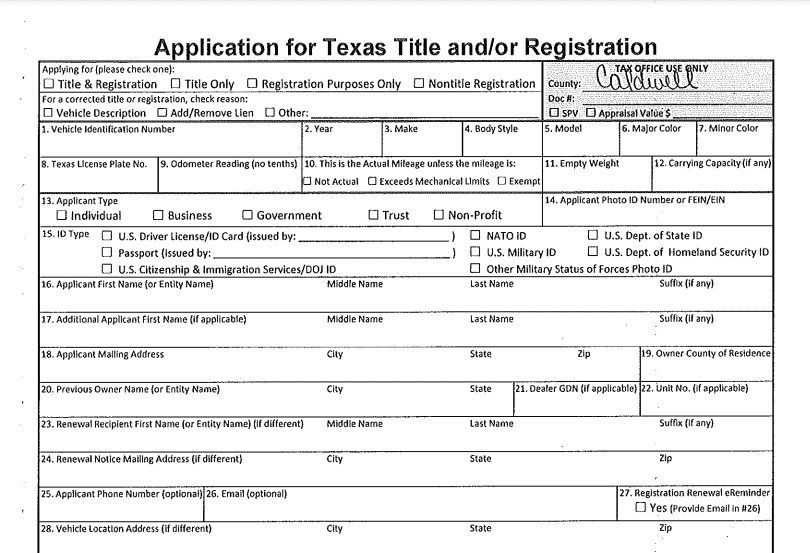
If you prefer a more traditional method or don’t have immediate internet access, renewing by mail is a viable option. Simply complete the renewal notice you received in the mail, include your proof of insurance (if required, though often they can verify electronically), and send a check or money order for the renewal fees to your County Tax Assessor-Collector’s Office.
Ensure you mail your application and payment well in advance of your expiration date to allow for processing and delivery. This method might be suitable for those staying in long-term accommodations where mail delivery is reliable, or for individuals who appreciate the physical paperwork. However, for globetrotters or those with transient lifestyles, keeping track of physical mail can be challenging, making online renewal a more practical alternative.
In-Person Renewal: A Local Experience
For those who appreciate direct interaction or need immediate assistance, renewing in person at your local County Tax Assessor-Collector’s Office or an approved substation is an option. Many counties also have contract agents, such as certain grocery stores or currency exchanges, where you can renew.
To renew in person, you’ll need:
- Your renewal notice (or license plate number and VIN).
- Proof of current insurance.
- Proof of a passing vehicle inspection.
- Payment for fees (cash, check, money order, or credit card, though card fees may apply).
This method offers the advantage of receiving your new registration sticker and license plate decal on the spot, avoiding waiting for mail delivery. For travelers, an in-person visit can be an opportunity to explore the local area. For example, if you’re staying in a boutique hotel in Waco and need to renew, you could combine your visit to the tax office with a trip to the Magnolia Market at the Silos or a local eatery, turning a chore into a mini-exploration of Texas culture and landmarks.
Beyond the Basics: Special Considerations and Tips for Travelers
Maintaining an up-to-date car registration is straightforward, but for travelers and those living a dynamic lifestyle, there are a few extra considerations to keep in mind to ensure your journeys through Texas are always smooth and worry-free.
New Residents in Texas
If you’ve recently moved to Texas, congratulations and welcome to a state rich in travel destinations and diverse experiences! However, bringing your out-of-state vehicle requires specific steps. You typically have 30 days from establishing residency to register your vehicle in Texas. This involves:
- Vehicle Inspection: Get a Texas safety inspection, and an emissions inspection if required by your county.
- Insurance: Obtain Texas liability insurance.
- Title Application: Apply for a Texas title at the County Tax Assessor-Collector’s Office. You’ll need your out-of-state title, proof of insurance, inspection report, and payment for fees and sales tax (if applicable).
- Registration: Once the title application is processed, you can register your vehicle and receive Texas license plates and a registration sticker.
Understanding this process is crucial for long-term visitors or those relocating for work or pleasure, ensuring their accommodation is not just a place to stay but a launchpad for compliant exploration.
Out-of-State Travel: Ensuring Validity
For Texas residents who frequently travel across state lines, it’s essential to ensure your registration is current before embarking on any long journey. While other states recognize valid Texas registration, an expired one will cause issues regardless of where you are. Plan your renewal well in advance of road trips to neighboring states like Oklahoma, Louisiana, or New Mexico, where you might be exploring unique cultural attractions or staying at different types of hotels or resorts.
Planning Road Trips: Renew Before You Go
A fundamental rule for any successful road trip, whether it’s to the vibrant San Antonio Riverwalk, the historic Gruene Hall, or the scientific marvel of Space Center Houston, is to ensure your vehicle is in top condition and legally compliant. This includes renewing your registration before the journey. Don’t wait until the last minute, as mail delivery for stickers can take time, and issues with inspection or documentation could cause unexpected delays. A proactive approach means less stress and more enjoyment of Texas’s incredible attractions and hospitality.
Dealing with Expired Registration
If your registration has already expired, you should address it as soon as possible. Driving with an expired registration can lead to fines of up to $200, plus court costs. If it’s expired by more than a year, there might be additional fees or complications. The process for renewing an expired registration is generally the same as a timely renewal, but the added urgency and potential penalties underscore the importance of staying on schedule. For those experiencing a long-term stay in a Texas city, perhaps in a corporate apartment, forgetting this detail can quickly turn an otherwise comfortable lifestyle into a legal headache.
Tips for Busy Professionals or Those on Extended Trips/Stays
- Set Reminders: Utilize digital calendars or apps to set reminders for your registration expiration date. The TxDMV does send notices, but a personal reminder can be a great backup.
- Update Your Address: If you frequently move between accommodations, ensure your mailing address with the TxDMV is always current. This ensures you receive renewal notices.
- Digital Copies: Keep digital copies of your insurance card and registration on your phone or in cloud storage. While official documents are preferred, digital copies can be helpful in a pinch.
- Combine Errands: If you need to renew in person, try to combine it with other errands or even a quick visit to a local park or attraction, maximizing your time and weaving it into your overall travel or lifestyle itinerary. The Dallas Arts District or the Fort Worth Stockyards National Historic District are perfect examples of places you might pass through, making an in-person renewal a chance to glimpse local life.
Embracing the Texas Lifestyle: Seamless Travel and Exploration
Ultimately, keeping your car registration current in Texas is more than just a bureaucratic task; it’s an integral part of embracing the full Texas lifestyle. With your vehicle legally compliant and ready for the road, you unlock a world of exploration, from the pristine beaches of Padre Island National Seashore to the vibrant nightlife of Austin. It allows for spontaneous weekend getaways, ensures smooth travel for business trips, and provides the freedom to discover the hidden gems nestled between major cities.
The vastness of Texas invites extensive travel, and having a properly registered vehicle means you can effortlessly transition from a luxury resort experience to a rugged adventure in one of the state’s magnificent parks. It means you can confidently drive from your temporary accommodation to a new destination, whether it’s a bustling local market for authentic Texas barbecue or a quiet historical landmark reflecting the state’s rich past.
By understanding and adhering to the simple steps for renewing your car registration, you ensure that your focus remains on the joy of travel, the comfort of your chosen accommodation, and the unforgettable experiences that await in every corner of the Lone Star State. So, take a moment to check your registration expiration date, plan your renewal, and then hit the road with confidence, ready to make the most of your Texas journey.
LifeOutOfTheBox is a participant in the Amazon Services LLC Associates Program, an affiliate advertising program designed to provide a means for sites to earn advertising fees by advertising and linking to Amazon.com. Amazon, the Amazon logo, AmazonSupply, and the AmazonSupply logo are trademarks of Amazon.com, Inc. or its affiliates. As an Amazon Associate we earn affiliate commissions from qualifying purchases.