
California, a state renowned for its progressive policies, vibrant culture, and diverse landscapes, offers a unique blend of civic engagement and unparalleled lifestyle opportunities. From the bustling streets of Los Angeles to the serene vineyards of Napa Valley, it’s a destination that attracts millions, not just for its iconic landmarks and world-class accommodations, but also for its forward-thinking approach to social issues. A crucial aspect of civic life in any democratic society is the right to vote, and for individuals with past felony convictions, understanding these rights is paramount. As we look towards 2024, the question of whether felons can vote in California is not just a matter of legal interpretation but also a reflection of the state’s commitment to rehabilitation, reintegration, and the broader concept of an inclusive society.
For those planning a trip, considering a long-term stay, or simply seeking to understand the fabric of California’s society, awareness of these rights contributes to a richer understanding of the state’s ethos. California’s policies often set precedents, influencing discussions across the United States on everything from environmental protection to social justice. This article delves into the specific laws governing felon voting rights in California for 2024, weaving in how this progressive stance aligns with the state’s reputation as a welcoming hub for diverse lifestyles, travel experiences, and civic participation.
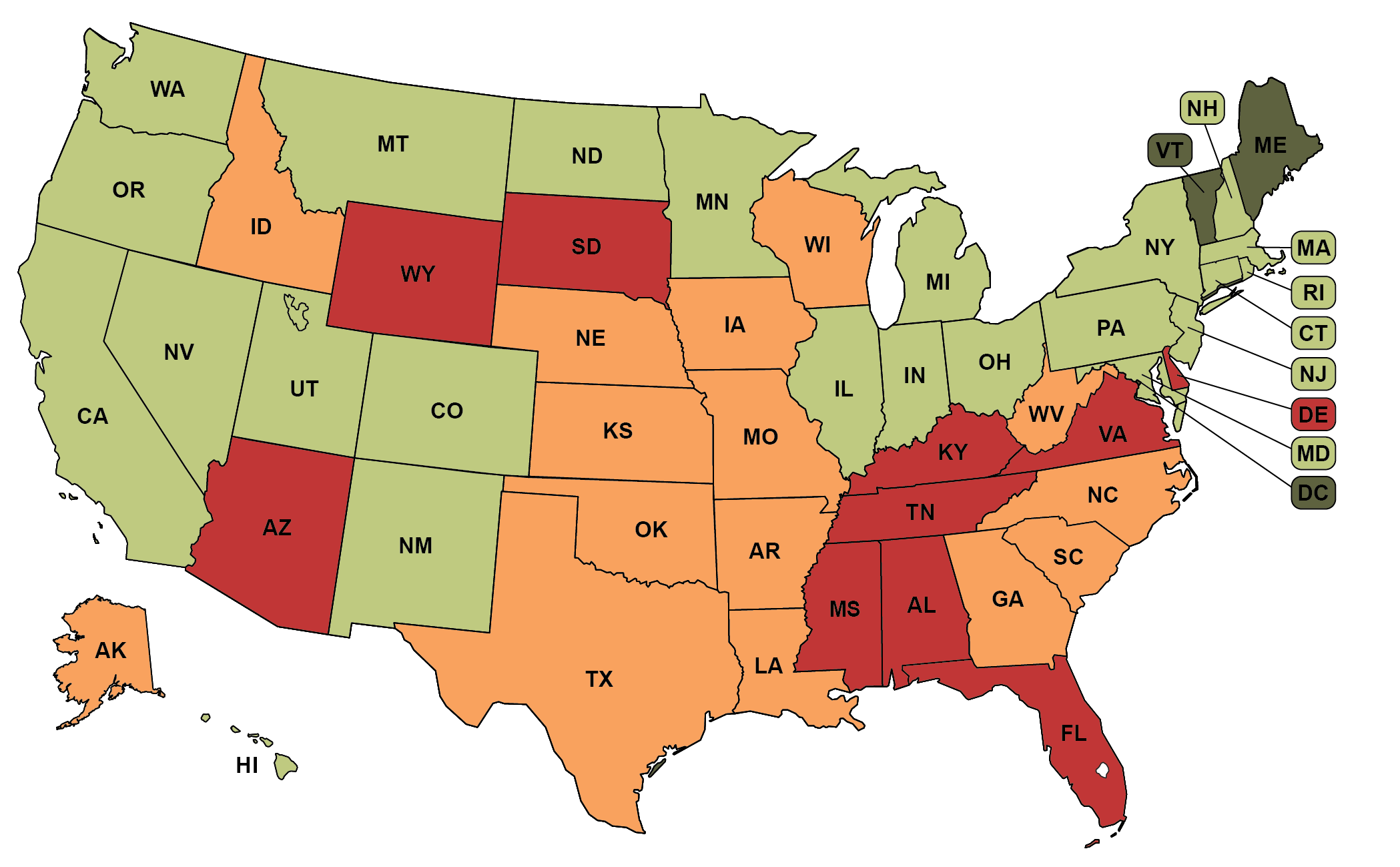
Understanding Voting Rights for Felons in California
The journey towards expanding voting rights for individuals with felony convictions in California has been a significant one, reflecting a broader societal shift towards rehabilitation and reintegration. For anyone keen on understanding the state’s civic landscape, or for those directly impacted by these laws, knowing the current regulations is essential. The general perception of felon disenfranchisement often harks back to stricter historical norms, but California has notably moved beyond many of those antiquated restrictions.
The Evolution of Felony Disenfranchisement Laws
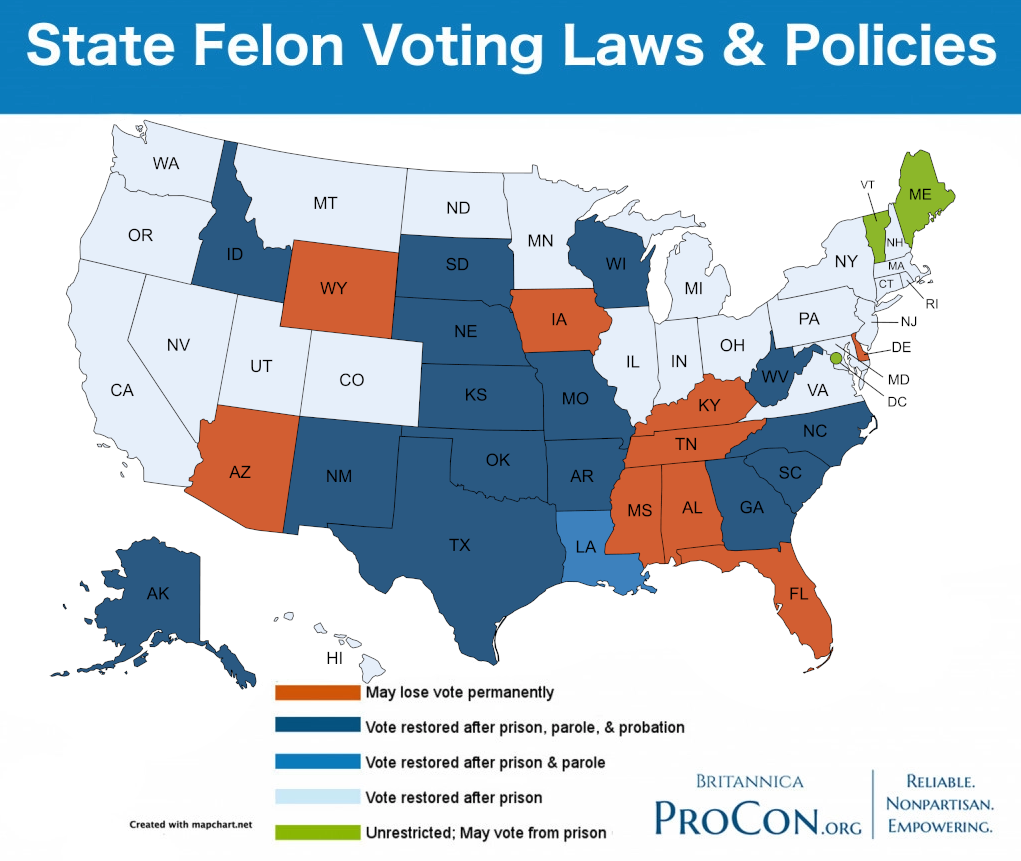
Historically, many states in the United States imposed severe restrictions on the voting rights of individuals convicted of felonies, often extending indefinitely beyond their release from prison. California itself once had more restrictive laws. However, a significant turning point came with the passage of Proposition 17 in November 2020. This landmark constitutional amendment marked a pivotal shift, restoring voting rights to people on parole for felony convictions. Before Proposition 17, individuals serving parole were unable to vote, creating a significant barrier to their full participation in society.
The rationale behind Proposition 17 aligns with California’s broader commitment to rehabilitation, recognizing that restoring civic rights is a crucial step towards successful reintegration. It acknowledges that once an individual has served their time in prison and is actively working towards rebuilding their life under parole supervision, they should have a voice in the democratic process that shapes their communities. This progressive change not only affects thousands of individuals but also underscores a unique aspect of the Californian lifestyle – one that values second chances and active civic engagement. Such policy innovations often reflect the forward-thinking ethos that also makes California a leading destination for innovation, from tech startups in Silicon Valley to sustainable tourism initiatives in its majestic national parks.
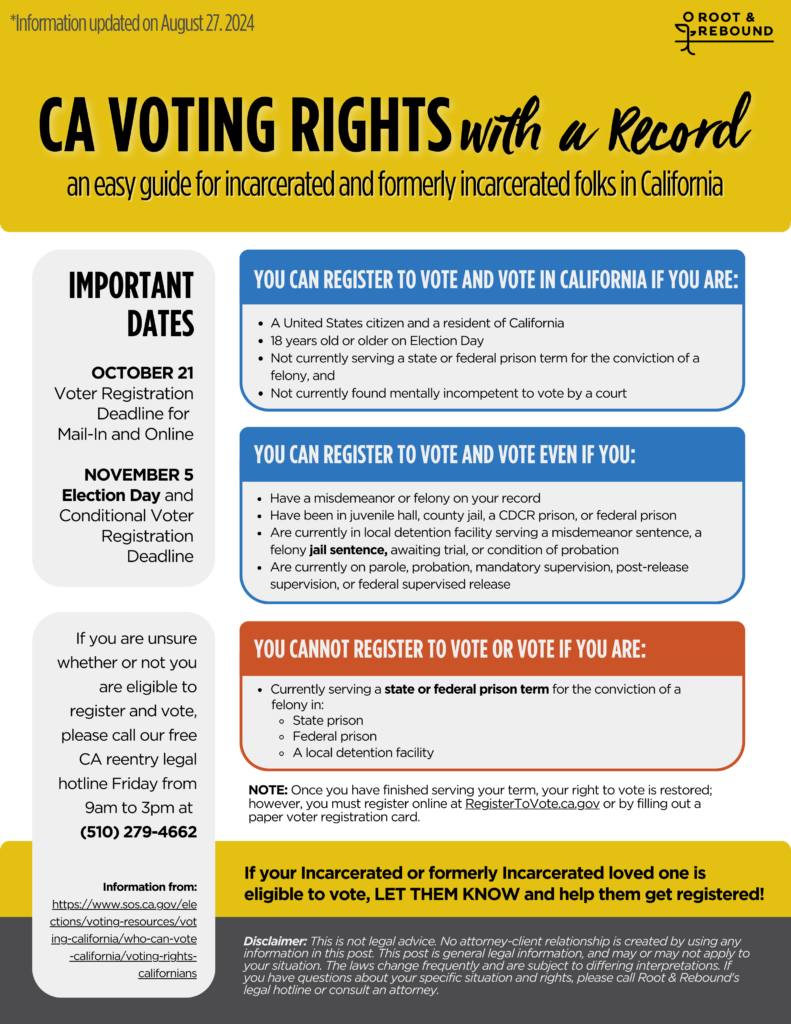
Key Eligibility Criteria for 2024
For 2024, the rules for felons voting in California are clear and generally more inclusive than in many other states. Understanding these criteria is crucial for anyone with a felony conviction seeking to exercise their right to vote, or for those simply observing the state’s democratic processes.
The primary distinction hinges on an individual’s current status:
- Currently Incarcerated: Individuals who are currently serving a state or federal prison sentence for a felony conviction are not eligible to vote. This remains the sole major restriction on voting rights for felons in California.
- On Parole: Thanks to Proposition 17, individuals who are on parole for a felony conviction are eligible to vote. This is a significant change and empowers a substantial segment of the population.
- On Probation: Individuals on probation for a felony conviction are eligible to vote. This has generally been the case even before Proposition 17, as probation is often seen as an alternative to incarceration or a less restrictive form of supervision.
- Completed Sentence: Once an individual has completed their felony sentence, including any period of parole or probation, their voting rights are automatically restored. They are eligible to vote. This means that the vast majority of individuals with past felony convictions who are no longer under supervision can fully participate in elections.
- Misdemeanors vs. Felonies: It’s important to clarify that convictions for misdemeanors in California do not result in the loss of voting rights, regardless of whether the individual is incarcerated, on probation, or has completed their sentence. The restrictions apply only to felony convictions.
Voter Registration Process: For eligible individuals, the process to vote is the same as for any other citizen. They must register to vote. This can be done online through the California Secretary of State’s website, by mail, or in person at various government offices. It is crucial for anyone with a felony conviction to check their voter registration status and ensure their information is up-to-date, especially if they have recently completed parole or moved. Many community organizations and legal aid groups also provide assistance with voter registration for formerly incarcerated individuals, reflecting a broader support network within the state.
This inclusive approach to voting rights highlights California’s commitment to fostering a society where individuals are encouraged to reintegrate and contribute. This philosophy of opportunity and new beginnings is also evident in the state’s approach to tourism and accommodation, where a diverse range of options, from budget-friendly hostels to luxury Ritz-Carlton resorts, are available to welcome every visitor and resident.
The Broader Lifestyle and Civic Engagement in California
California is more than just a collection of stunning landscapes and famous landmarks; it’s a dynamic social experiment where progressive policies often intersect with a vibrant, diverse lifestyle. The state’s stance on felon voting rights is just one facet of its larger commitment to social justice and the well-being of its residents, which in turn influences its appeal as a global travel destination.
California’s Commitment to Reintegration and Opportunity
The restoration of voting rights for those on parole is a powerful symbol of California’s dedication to the concept of redemption and second chances. This commitment extends beyond the ballot box, permeating various aspects of the state’s social services and economic opportunities. California has numerous programs aimed at supporting formerly incarcerated individuals in finding housing, securing employment, and accessing education and healthcare. These initiatives are not just about basic needs; they are about enabling full participation in society, ensuring that individuals can truly rebuild their lives.
This comprehensive approach to reintegration fosters a unique “Californian lifestyle” characterized by resilience, innovation, and a belief in progress. It’s a lifestyle that encourages individuals to overcome past challenges and contribute meaningfully to their communities. This progressive outlook is intrinsically linked to the state’s appeal as a destination. Visitors often come not just for the sunshine and beaches, but also to experience a society that actively grapples with complex issues and strives for equitable solutions. This ethos creates an environment where new ideas flourish, from groundbreaking technological advancements in Silicon Valley to innovative culinary scenes in San Francisco and Los Angeles. The freedom to participate civically reinforces a general sense of empowerment that is palpable across the state, making it an attractive place for those seeking both personal growth and thrilling travel experiences.
Experiencing California: Where Civic Rights Meet World-Class Destinations
The ability to participate in civic life, like voting, is a fundamental freedom that enhances an individual’s sense of belonging and agency. In California, this sense of freedom is mirrored by the unparalleled freedom to explore some of the world’s most iconic and diverse destinations. The state’s progressive policies, including its voting rights for felons, contribute to a welcoming atmosphere that extends to every traveler and resident, inviting them to fully experience all that California has to offer.
Imagine starting your day by engaging in a civic discussion, then embarking on an adventure across the state. In Southern California, the vibrant energy of Los Angeles beckons with its blend of glamour and cultural depth. Here, you can immerse yourself in the entertainment world of Hollywood, stroll along the iconic Santa Monica Pier, or explore the artistic districts of Downtown LA. Accommodation options range from luxury Four Seasons hotels in Beverly Hills to charming boutique hotels near the beaches, catering to every budget and taste. Further south, San Diego offers a more laid-back coastal lifestyle, famous for its beautiful beaches, the expansive Balboa Park, and a thriving craft beer scene. Families often flock to Orange County for the magic of Disneyland Resort, where themed hotels offer immersive experiences.
Venturing north, San Francisco stands as a beacon of innovation and unique character. Its steep hills, historic cable cars, and the majestic Golden Gate Bridge offer an unforgettable urban experience. A visit to Alcatraz Island provides a fascinating glimpse into history, while the city’s diverse neighborhoods offer endless culinary and cultural discoveries. Accommodation here ranges from historic Hyatt Regency properties overlooking the bay to chic apartments perfect for a long-term stay, allowing visitors to truly live like locals.
Beyond the major cities, California’s natural wonders are a testament to its grandeur. The towering sequoias of Yosemite National Park, the serene beauty of Lake Tahoe, and the dramatic coastline of Big Sur offer breathtaking experiences for nature enthusiasts and adventure seekers. For those seeking relaxation and indulgence, Napa Valley provides world-class wine tourism, with luxurious resorts and gourmet dining experiences that define a sophisticated lifestyle. Even the desert oasis of Palm Springs offers a unique blend of mid-century modern architecture, golf, and relaxation, with exquisite hotels and villas to choose from.
Whether you’re exploring the historic streets of Sacramento, the state capital, or surfing the waves in Malibu, California consistently delivers on its promise of diverse experiences. The state’s commitment to enabling full civic participation only deepens this appeal, ensuring that the freedom to explore and enjoy is available to all its citizens, contributing to a vibrant and inclusive “tourism” landscape where every story is valued.
Planning Your Visit or Reintegration Journey to California
For anyone considering a move to California, especially those seeking a fresh start and full civic participation, or for travelers planning an extensive tour, understanding the practicalities is key. The state’s welcoming policies for formerly incarcerated individuals align with its comprehensive infrastructure for tourism and accommodation, making it an accessible destination for diverse life paths and travel preferences.
Navigating Accommodation and Travel Logistics
Planning a trip or a new life chapter in California involves careful consideration of accommodation and travel logistics. The state offers an incredibly wide array of options, catering to every budget, style, and duration of stay.
For short-term visits, major online booking platforms like Booking.com are invaluable resources for finding everything from budget-friendly motels to opulent resorts. In cities like Los Angeles and San Francisco, you’ll find a high concentration of internationally recognized hotel brands, including Hilton Hotels, Marriott, and boutique establishments offering unique experiences. Always consult reviews to ensure the accommodation meets your expectations for amenities and location.
For longer stays, or for those seeking a more integrated living experience, options like furnished apartments, extended-stay hotels, or private villas are popular choices, especially in areas like Beverly Hills or coastal towns. Services like Airbnb provide a platform for finding unique residential accommodations, offering a taste of local life. When considering specific areas, think about your lifestyle preferences: Downtown LA might be ideal for a business stay, while a quiet town in Napa Valley offers a serene retreat.
Transportation within California is also diverse. While major cities like San Francisco and Los Angeles have public transit systems, exploring the state’s vast natural beauty often necessitates a car. Road trips along iconic routes like Highway 1 offer breathtaking scenic views and access to landmarks like Big Sur. For domestic flights within the state, major airports serve cities like Sacramento, San Diego, and Orange County, facilitating quicker travel between distant regions.
The Intersection of Rights, Travel, and a Fulfilling Lifestyle
The ability for formerly incarcerated individuals to vote in California is a testament to the state’s progressive outlook and its dedication to fostering a truly inclusive society. This fundamental right allows all eligible citizens to actively participate in shaping their future and the future of their communities. It reinforces the idea that a felony conviction should not permanently strip individuals of their civic voice or their opportunity for a fulfilling life.
This progressive policy also subtly enhances California’s appeal as a destination that aligns with a conscientious lifestyle. For many travelers, especially those who value social responsibility and community engagement, visiting or living in a state that champions such rights adds another layer of appreciation for its culture and values. It paints a picture of a society where even those who have made mistakes are given pathways to reintegration and contribution, making it a place of opportunity in the fullest sense.
Whether you are seeking to exercise your newly restored voting rights, embarking on a new life chapter, or simply exploring the myriad attractions, California offers an environment rich with possibilities. Its commitment to civic engagement, combined with its world-class travel, accommodation, and lifestyle offerings, ensures that the golden state remains a beacon of progress and an unforgettable experience for all.
In conclusion, yes, felons can vote in California in 2024, provided they are not currently incarcerated in state or federal prison. This policy reflects California’s broader vision of a society that values redemption, participation, and a vibrant, inclusive lifestyle for all its residents and visitors.
LifeOutOfTheBox is a participant in the Amazon Services LLC Associates Program, an affiliate advertising program designed to provide a means for sites to earn advertising fees by advertising and linking to Amazon.com. Amazon, the Amazon logo, AmazonSupply, and the AmazonSupply logo are trademarks of Amazon.com, Inc. or its affiliates. As an Amazon Associate we earn affiliate commissions from qualifying purchases.