
For anyone drawn to the vibrant culture, diverse landscapes, and burgeoning opportunities that the Lone Star State offers, owning a piece of Texas real estate can be an incredibly rewarding experience. Whether you’re envisioning a luxurious vacation rental overlooking the Gulf Coast in Galveston or South Padre Island, a historic home in San Antonio, a contemporary loft in Houston or Dallas, a ranch estate in the Hill Country, or even considering a long-term relocation to Austin as a digital nomad, understanding how to properly transfer a Property Title is a fundamental step. This process, while seemingly bureaucratic, is crucial for securing your investment and ensuring peace of mind, allowing you to fully immerse yourself in the Texas lifestyle without any underlying property disputes. This guide will walk you through the essential aspects of title transfer in Texas, blending practical legal information with an appreciation for the lifestyle considerations that often drive such significant decisions.
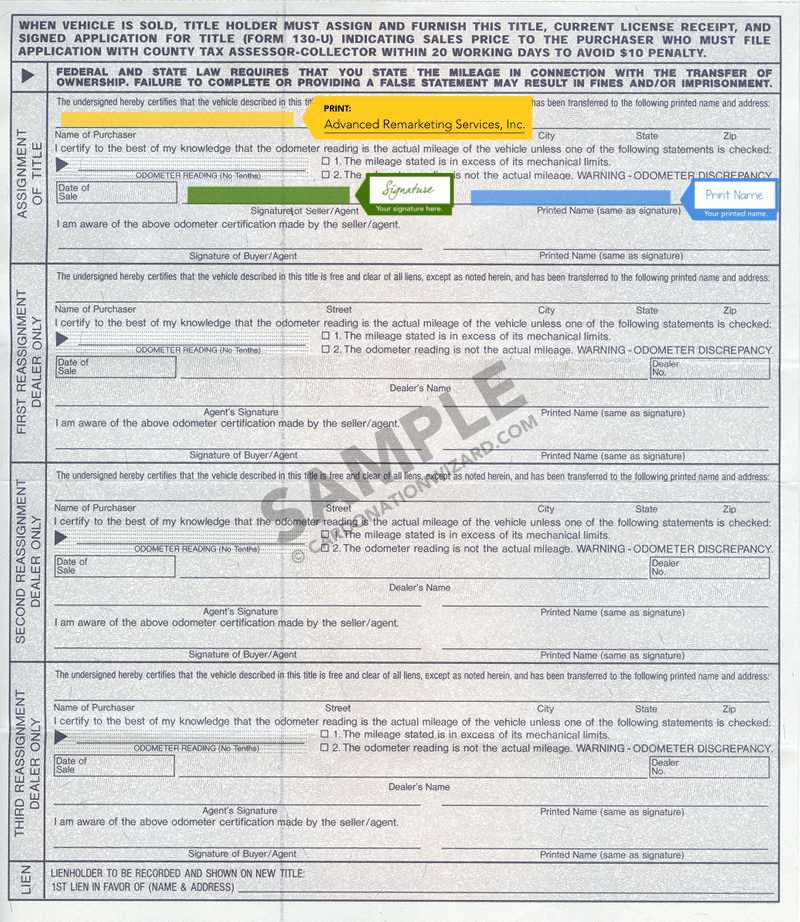
Understanding Property Titles in the Lone Star State
Before diving into the mechanics of transfer, it’s vital to grasp what a Property Title signifies and why its accurate transfer is paramount, especially when investing in properties that contribute to your travel, accommodation, or lifestyle goals.
What is a Property Title?
In essence, a Property Title is a legal document that establishes ownership of real estate. It’s not a physical paper that you hold and present as proof, but rather a concept representing a bundle of rights to the property. These rights include the right to possess, use, enjoy, exclude others from, and dispose of the property. When you “transfer title,” you are legally transferring these rights from one party (the grantor, usually the seller) to another (the grantee, usually the buyer). This process ensures that the chain of ownership is clear and legally recognized, preventing future claims against your new Texas haven. For those considering buying a boutique hotel or a luxury villa as part of a significant real estate investment, the clarity of the Property Title is the bedrock of your venture.
Why is Title Transfer Important for Your Texas Investment?
Proper title transfer is the cornerstone of secure property ownership. Without it, you could face numerous complications:
- Legal Ownership: It legally confirms you are the rightful owner, granting you all associated rights and protections under Texas law. This is crucial whether you’re building a family legacy or a robust portfolio of accommodation options for travelers.
- Protection Against Claims: A correctly transferred title, especially when coupled with a thorough title search, helps reveal and clear any existing liens, easements, or other encumbrances that could diminish your property’s value or restrict its use. Imagine discovering a hidden utility easement through your scenic backyard after you’ve already started planning your outdoor living space!
- Future Transactions: When it comes time to sell, refinance, or use your property as collateral, a clean and properly recorded title is indispensable. Any discrepancies can stall or even halt future transactions, impacting your lifestyle flexibility or travel plans.
- Peace of Mind: Knowing that your property is legally yours allows you to focus on enjoying your Texas experience – whether that’s exploring Big Bend National Park, visiting the Alamo, or simply relaxing by your pool in your newly acquired luxury villa.
Essential Documents for a Seamless Texas Title Transfer
The process of transferring title in Texas primarily revolves around a few key legal documents. Understanding their purpose and proper execution is vital for a smooth transaction.
The Importance of Deeds: Warranty, Special Warranty, and Quitclaim
The most critical document in a title transfer is the Deed. This legal instrument transfers ownership rights from the grantor to the grantee. In Texas, several types of deeds are commonly used, each offering different levels of protection to the buyer:
- General Warranty Deed (often just called a Warranty Deed): This is the most common type of deed in Texas real estate transactions and offers the highest level of protection to the buyer. With a Warranty Deed, the seller guarantees that they hold clear title to the property and have the right to sell it. More importantly, they warrant against any title defects or claims that may have arisen throughout the property’s entire history, not just during their ownership period. For significant real estate investment, especially for a dream home or a new boutique hotel, this is generally the preferred deed.
- Special Warranty Deed: This type of Deed provides a more limited guarantee. The seller warrants that there have been no title defects or encumbrances during their period of ownership. However, they do not guarantee against issues that may have existed before they acquired the property. This deed is often used in commercial transactions, foreclosures, or by fiduciaries.
- Quitclaim Deed: A Quitclaim Deed offers the least protection to the buyer. The grantor simply transfers whatever interest they may have in the property, without making any guarantees about the validity of that interest or if they even own the property at all. It does not contain any warranties of title. Quitclaim deeds are typically used in non-sale situations, such as transferring property between family members, during divorces, or to clear up title issues. They are generally not recommended for arm’s-length purchases, particularly for a significant accommodation purchase or lifestyle change.
Title Insurance and Its Role in Protecting Your Asset
While a deed legally transfers ownership, Title Insurance provides financial protection against unforeseen defects in the title that might arise even after a thorough title search. These defects could include:
- Errors in public records: Mistakes in recording previous deeds, surveys, or legal descriptions.
- Forged documents: Fraudulent signatures on prior deeds or other transfer documents.
- Undisclosed heirs: Someone claiming a right to the property due to unrecorded inheritance.
- Unpaid liens: Property taxes, contractor liens, or child support liens that weren’t discovered.
- Boundary disputes: Disagreements over property lines that could impact your enjoyment or development plans for your Texas property.
In Texas, it is customary for the buyer to purchase a “Lender’s Title Insurance” policy if they are financing the purchase, which protects the lender’s interest. Buyers also have the option to purchase an “Owner’s Title Insurance” policy, which protects their equity in the property. Given the importance of real estate as a foundational element of many lifestyle and investment decisions, an owner’s policy is highly recommended for any significant property acquisition, from a small vacation rental to a grand ranch estate.
Additional Documents You Might Encounter
Depending on the specific circumstances of the title transfer, you may encounter other documents:
- Affidavit of Heirship: Used when a property owner dies without a will (intestate) and the property needs to be transferred to their heirs. This document identifies the legal heirs and is usually filed with the County Clerk to establish ownership.
- Probate Documents: If the deceased owner had a will, the property transfer would go through the probate court process, and court orders would be necessary to transfer title.
- Homestead Affidavits: Related to the Homestead Exemption in Texas, which offers significant property tax relief for primary residences.
- Survey: A professional survey helps define the exact boundaries of the property, crucial for avoiding disputes and ensuring your new Texas retreat is precisely what you intended.
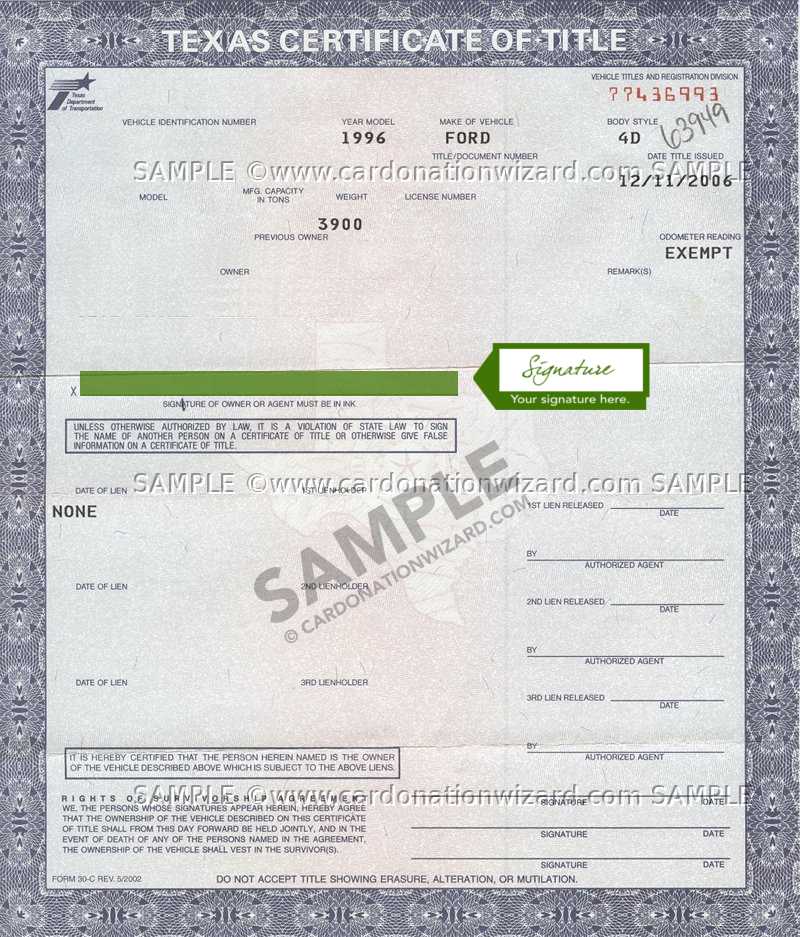
Navigating the Title Transfer Process Step-by-Step
The actual process of transferring title in Texas involves several key steps, designed to ensure legality and clarity.
Preparing and Executing the Deed
- Drafting the Deed: The first step is to create the appropriate type of Deed (General Warranty Deed being the most common). This document must include:
- The full legal names of the grantor (seller) and grantee (buyer).
- A precise legal description of the property, typically found in the previous deed or county records.
- Language indicating the transfer of ownership (“grant, sell, and convey”).
- The consideration (the amount paid for the property, though sometimes “$10 and other valuable consideration” is used for private transfers).
- Any reservations, exceptions, or restrictions on the property.
- The date of the transfer.
It is highly recommended to have a qualified real estate attorney or title company draft the deed to ensure accuracy and compliance with Texas law.
- Signing and Notary Public Acknowledgment: The grantor(s) must sign the Deed in front of a Notary Public. The notary verifies the identity of the signer and witnesses the signature, adding an official stamp. This notarization is crucial for the deed to be legally recordable.
Recording Your Deed with the County Clerk
Once the Deed is properly prepared and executed, the next critical step is to record it with the County Clerk’s office in the county where the property is located.
- Filing the Deed: The grantee (or their representative, such as a title company or real estate attorney) takes the original, signed, and notarized Deed to the County Clerk’s office.
- Payment of Fees: A recording fee, which varies by county and the number of pages in the document, must be paid at the time of filing.
- Public Record: Once recorded, the deed becomes part of the public record, providing constructive notice to the world that ownership has changed. This is the official step that completes the legal transfer of title. The County Clerk will typically return the original recorded deed to the grantee after processing.
Special Considerations: Gifting, Inheritance, and More
While the standard sale transaction primarily uses Warranty Deeds, other scenarios require tailored approaches:
- Gifting Property: If you’re gifting a property, a Quitclaim Deed or a Special Warranty Deed might be used. Be mindful of potential gift tax implications and always consult with a tax advisor.
- Inheritance: As mentioned, if a property is inherited, the process depends on whether the deceased had a will. If so, probate court proceedings will authorize the transfer. If not, an Affidavit of Heirship may be necessary to establish legal heirs. Planning for this is part of responsible retirement planning and ensuring your legacy.
- Divorce: In a divorce, a Special Warranty Deed or Quitclaim Deed is often used to transfer one spouse’s interest in the property to the other, as per court orders. It’s crucial to understand Texas’s community property laws, where assets acquired during marriage are jointly owned.
- Creating a Life Estate Deed (often called a “Lady Bird Deed”): For estate planning, a Lady Bird Deed allows an individual to retain control of their property during their lifetime and automatically transfer it to designated beneficiaries upon their death, avoiding probate. This can be an attractive option for those looking to secure future accommodation for family while enjoying their Texas home.
Beyond the Basics: Costs, Considerations, and Professional Guidance
Transferring title is a significant legal process with financial implications and important considerations beyond the basic steps.
Understanding the Financial Aspect: Fees and Taxes
Several costs are associated with title transfer:
- Recording Fees: Paid to the County Clerk for recording the Deed. These are usually nominal, ranging from $25-$50.
- Title Insurance Premiums: In Texas, these rates are regulated by the Texas Department of Insurance and are based on the property’s sale price. While a significant cost, it’s a critical investment in peace of mind.
- Real Estate Attorney Fees: If you hire an attorney to draft the deed, perform a title search, or advise on the process, their fees will apply.
- Property Taxes: While not directly part of the title transfer fee, new owners will be responsible for property taxes from the date of closing. Texas has no state property tax, but local jurisdictions (counties, cities, school districts) levy them, making them a significant ongoing cost of ownership.
- Transfer Taxes: Texas does not have a state-level transfer tax on real estate sales, which simplifies the transaction compared to many other states.
When to Seek Professional Assistance
While seemingly straightforward, the nuances of real estate law, especially concerning title, can be complex. Engaging professionals can save you time, money, and stress in the long run:
- Real Estate Attorney: An attorney can draft the appropriate deed, conduct a thorough title search, advise on potential title defects, ensure compliance with all Texas laws, and represent your interests. They are particularly invaluable for complex transactions, inherited properties, or any non-standard transfers.
- Title Company: Title companies play a critical role, offering title searches, issuing Title Insurance policies, and often handling the closing process, including the recording of the deed. Their expertise is crucial in identifying and resolving potential issues before they become major problems.
- Realtor: While primarily focused on connecting buyers and sellers, an experienced realtor can guide you through the overall purchase process and recommend reputable attorneys and title companies.
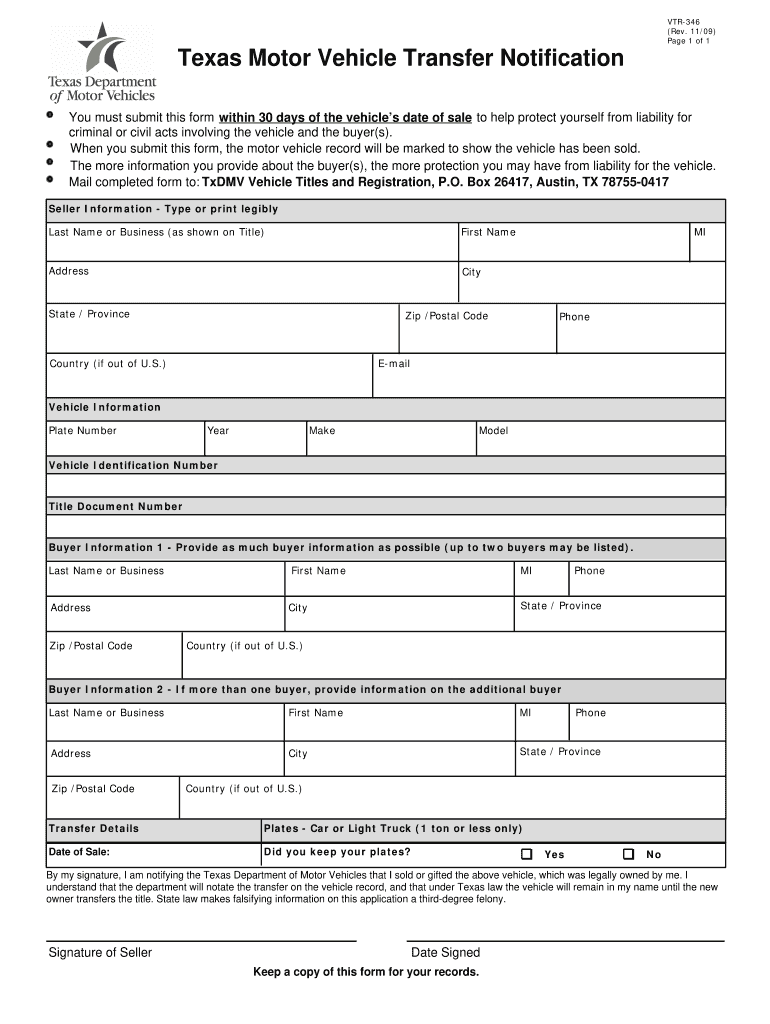
Embracing Your New Texas Lifestyle: Property Ownership and Beyond
Successfully navigating the title transfer process marks a significant milestone in your journey towards enjoying all that Texas has to offer. Whether you’ve acquired a charming bungalow for weekend escapes, a robust real estate investment property, or your forever home in a bustling city like Dallas or a serene rural setting, proper title transfer is your gateway to secure ownership.
This foundational step allows you to move beyond the paperwork and fully embrace the unique travel, tourism, and lifestyle experiences that property ownership in the Lone Star State affords. From planning memorable trips to iconic landmarks like the Alamo or exploring the vibrant Riverwalk in San Antonio, to curating your new Texas accommodation into a dream boutique hotel or a tranquil luxury villa, your securely transferred title is the key to unlocking these opportunities. Investing in Texas is not just about owning land; it’s about owning a piece of a dream, a lifestyle, and a future. By understanding and meticulously executing the title transfer process, you ensure that dream is built on the most solid legal ground.
LifeOutOfTheBox is a participant in the Amazon Services LLC Associates Program, an affiliate advertising program designed to provide a means for sites to earn advertising fees by advertising and linking to Amazon.com. Amazon, the Amazon logo, AmazonSupply, and the AmazonSupply logo are trademarks of Amazon.com, Inc. or its affiliates. As an Amazon Associate we earn affiliate commissions from qualifying purchases.