
The vast, sun-drenched landscapes of Texas, from the bustling metropolises of Houston and Dallas to the tranquil expanses of Big Bend National Park, offer an unparalleled backdrop for travel and exploration. Whether you’re embarking on an epic road trip through the Hill Country, commuting to work in Austin, or simply enjoying a scenic drive along the Gulf Coast near Galveston, the Texas sun can be relentless. It’s no wonder that many vehicle owners, both residents and visitors, consider window tinting a necessity rather than a luxury. The allure of darker windows is undeniable: enhanced privacy, reduced interior heat, glare protection, and a sleek aesthetic. Yet, the desire for comfort and style must always align with the legal framework governing automotive modifications.
One of the most frequently asked questions among drivers in the Lone Star State is about the legality of a 5 percent window tint. Often referred to as “limo tint,” 5 percent tint allows only 5% of visible light to pass through, making it extremely dark. While undeniably effective at blocking sunlight and offering maximum privacy, its legality is a critical concern that could significantly impact your travel plans, lifestyle choices, and even your accommodation experience if you find yourself dealing with legal issues far from your intended hotel or resort. In short, for most private vehicles in Texas, a 5 percent tint on your front side windows is illegal. The laws are specific and designed for safety, affecting everything from law enforcement interactions to overall driving visibility. Understanding these regulations is paramount for anyone navigating the vast network of roads that connect Texas’s vibrant cities and stunning landmarks.
Understanding Texas Window Tint Laws: What’s Permitted?
Window tint laws are established at the state level across the United States, and Texas is no exception. These regulations dictate the Visible Light Transmission (VLT) percentage for different windows on a vehicle. VLT refers to the percentage of visible light that a window tint allows to pass through. The lower the VLT percentage, the darker the tint. For instance, a 70% VLT tint is very light, allowing 70% of light through, while a 5% VLT tint is extremely dark, permitting only 5% of light.
The primary goal of these laws is to balance driver and passenger comfort with public safety and law enforcement needs. Overly dark tint can significantly reduce a driver’s visibility, especially at night or in adverse weather conditions, making it harder to spot pedestrians, cyclists, or other vehicles. For law enforcement, the ability to see into a vehicle’s interior during a traffic stop is a crucial safety measure.
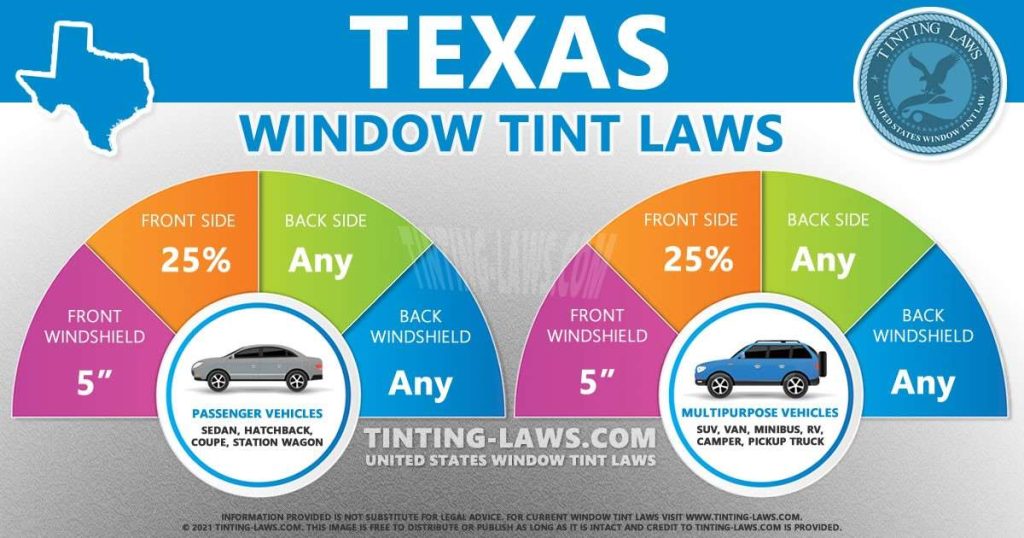
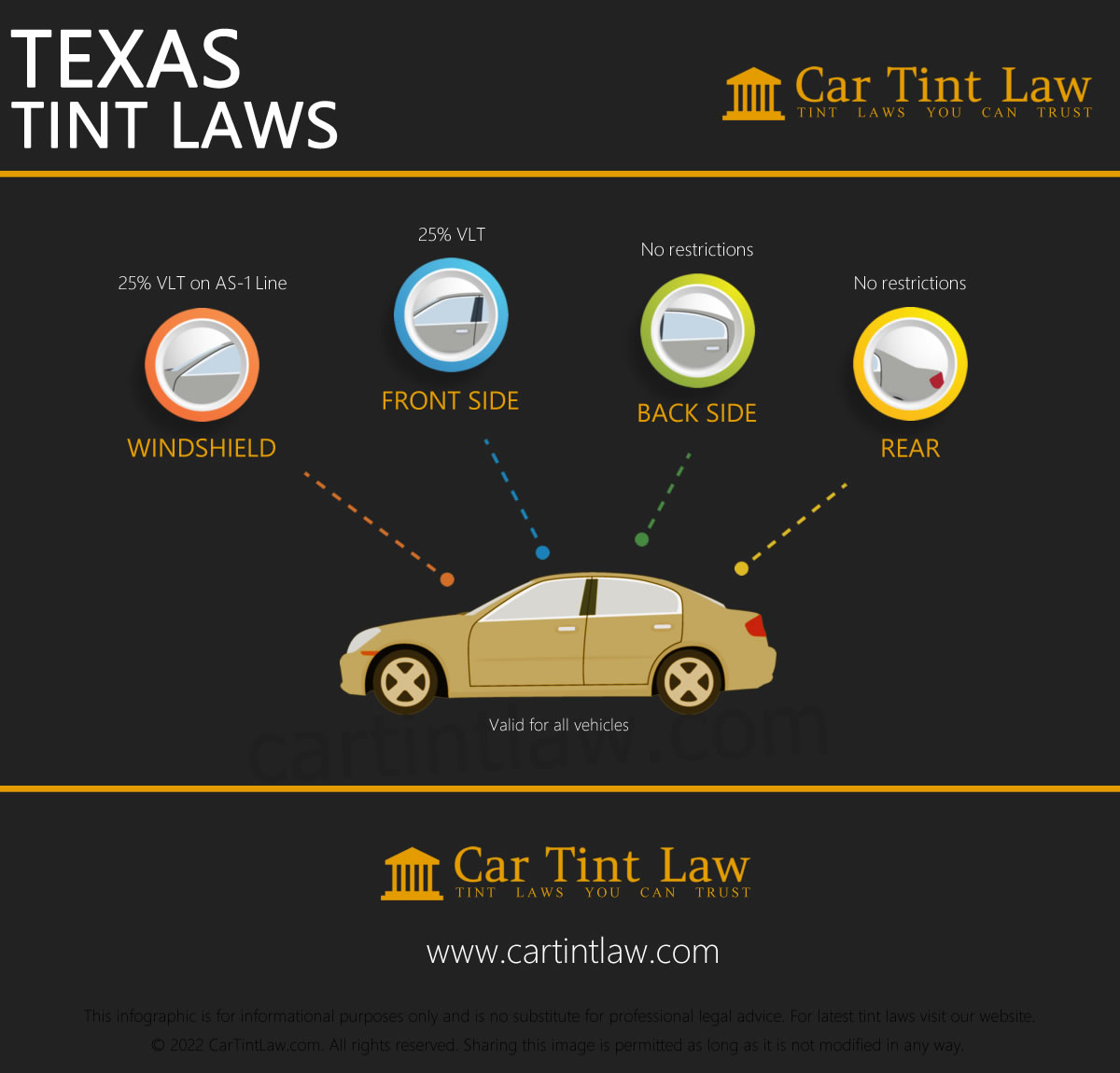
In Texas, the rules are as follows:
- Front Side Windows: These are the windows to the immediate left and right of the driver. Texas law mandates that these windows must allow more than 25% of visible light to pass through. This means a VLT of 25% or higher is permissible. Therefore, a 5 percent tint on these windows is illegal. This regulation ensures that drivers have sufficient side visibility and that law enforcement officers can reasonably see into the vehicle.
- Back Side Windows: These are the windows immediately behind the front side windows, extending to the rear of the vehicle. For these windows, any darkness can be used. This means a 5 percent tint, or even darker, is legal on the back side windows. This allows for greater privacy and heat reduction for rear passengers without compromising the driver’s direct forward and immediate side visibility.
- Rear Window (Back Windshield): Similar to the back side windows, the rear window can also have any darkness of tint. This flexibility is often appreciated by those who frequently travel with valuables or require enhanced privacy for personal or business lifestyle reasons. However, if the rear window is tinted, the vehicle must be equipped with dual side mirrors.
- Windshield: A non-reflective tint is allowed on the top 5 inches of the windshield, commonly known as the “eyebrow” strip. This tint must not be red, blue, or amber. No other tinting is permitted below this line. The front windshield must maintain at least 70% VLT for the rest of its surface, though typically, automotive glass already comes with a slight factory tint that usually falls within this threshold.
- Reflectivity: Texas law also limits the reflectivity of window tint. The tint on front side windows must not be more than 25% reflective. This prevents glare that could affect other drivers on the road.
It’s important to note that these laws apply to the combination of the film and the factory tint already present on the glass. Many factory windows have a slight tint, typically around 70-80% VLT. When adding aftermarket tint, this factory tint is factored into the overall VLT percentage. A professional tint installer will use a VLT meter to ensure the final product complies with Texas regulations. Always look for a certified installer who understands and adheres to local laws, especially if you’re exploring tourism and travel options that involve extensive driving.
The Appeal and Ramifications of Darker Tints in the Texas Lifestyle
The desire for a dark window tint, such as 5 percent, isn’t just about aesthetics; it stems from very practical needs, particularly in a state like Texas with its famously hot climate. The benefits of window tinting extend far beyond merely changing the look of a vehicle, deeply influencing comfort and the overall lifestyle of its occupants.
Benefits of Window Tinting (When Legal):
- Heat Reduction: Texas summers are brutal, with temperatures often soaring well into the triple digits. Window tint can dramatically reduce the amount of solar heat entering a vehicle’s cabin, making the interior cooler and more comfortable. This is especially valuable during long road trips to landmarks like the Alamo in San Antonio or a weekend getaway to South Padre Island. A cooler car interior means less strain on the air conditioning system, potentially improving fuel efficiency – a small but significant factor for extensive travel.
- UV Protection: High-quality window films block up to 99% of harmful ultraviolet (UV) rays. This not only protects the skin of drivers and passengers from sun damage, which can contribute to premature aging and skin cancer, but also safeguards the vehicle’s interior. UV rays can cause upholstery to fade, dashboards to crack, and plastics to become brittle, diminishing the car’s resale value and aesthetic appeal. For those who invest in their vehicles as part of their lifestyle, this protection is invaluable.
- Glare Reduction: The intense Texas sun, especially at dawn and dusk, can create blinding glare that impairs visibility and causes driver fatigue. Window tint significantly reduces this glare, improving driving comfort and safety. This is particularly beneficial when traversing open roads or driving towards the sunset on a scenic drive through Palo Duro Canyon State Park.
- Privacy: While 5 percent tint is illegal on front side windows for privacy reasons, legal tint levels on rear and back side windows can still offer a good degree of privacy. This can deter smash-and-grab thieves, protecting personal belongings left in the car, which is a common concern when parking at tourist attractions or hotel lots. Enhanced privacy also contributes to a sense of security, especially for those who spend a lot of time on the road.
- Aesthetics: Let’s not forget the visual appeal. Tinted windows give a vehicle a more sophisticated, cohesive, and often more aggressive look. For many, customizing their vehicle with tint is a personal expression, enhancing their overall driving lifestyle.
Ramifications of Illegal Tint:
Despite the benefits, opting for an illegal tint, such as 5 percent on the front side windows in Texas, carries significant risks:
- Fines and Citations: The most immediate consequence is a traffic citation. In Texas, window tint violations are typically considered a Class C misdemeanor, carrying fines that can range from around $100 to $200, plus court costs. These fines can quickly add up, especially if not addressed promptly.
- Impoundment or Failure of Inspection: In some cases, repeated violations or extremely dark tint might lead to a vehicle being impounded. More commonly, a vehicle with illegal tint will fail its annual state inspection, meaning it cannot be legally driven until the tint is removed or replaced with a compliant film. This can lead to unexpected expenses and inconvenience, disrupting travel plans or daily routines.
- Safety Hazards: Beyond legal repercussions, excessively dark tint on front windows significantly reduces visibility, particularly at night or in low-light conditions. This increases the risk of accidents, posing a threat to the driver, passengers, and other road users. As responsible members of the tourism community and general public, ensuring maximum visibility is crucial.
- Insurance Issues: In the event of an accident, some insurance companies might raise questions about illegal modifications, potentially impacting claims or coverage.
- Medical Exemptions: There are provisions for medical exemptions in Texas for individuals with conditions such as lupus or severe photosensitivity. A doctor’s note must be carried in the vehicle, detailing the medical necessity for darker tint. However, even with an exemption, certain limitations may still apply, and a 5 percent tint on front side windows is often still considered too dark for safety reasons, even with medical need. It’s always best to consult with a medical professional and a reputable tint installer to understand the specific requirements and legal limits.
When planning a trip to Texas, whether for business or leisure, or for residents simply navigating daily life, understanding and adhering to these tint laws is crucial for a hassle-free experience. Avoiding the temptation of an illegal 5 percent front tint will save you money, time, and potential stress, allowing you to fully enjoy the rich tapestry of Texas attractions and experiences.
Practical Advice for Compliance and Smart Tinting Choices
Navigating the nuances of window tinting laws can seem daunting, but with the right information and approach, ensuring compliance while maximizing comfort and style is entirely achievable. For both residents and visitors exploring the diverse destinations across Texas, understanding how to make smart tinting choices is key to an uninterrupted travel and lifestyle experience.
Choosing the Right Tint and Installer:
- Know Your Numbers: Always aim for the legal VLT percentages. For front side windows, that means 25% VLT or higher. For rear and back side windows, you have more flexibility, but consider your driving habits, especially at night. While 5% VLT is legal on rear windows, it can make backing up and checking blind spots challenging, particularly in dimly lit hotel parking garages or rural areas near landmarks like Enchanted Rock State Natural Area.
- Seek Professional Installation: This cannot be stressed enough. A reputable professional installer will:
- Know Texas Law: They are up-to-date on the latest regulations and will ensure your tint job is fully compliant.
- Use Quality Film: High-quality films offer superior UV protection, heat rejection, and durability, and are less likely to bubble, peel, or fade. This is a worthwhile investment for preserving your vehicle’s interior, especially during prolonged exposure to the Texas sun, whether parked at a Dallas hotel or a campground in Guadalupe Mountains National Park.
- Provide a VLT Meter Reading: A good installer will use a VLT meter to measure the final tint percentage on your windows, including the factory tint, ensuring it meets legal standards. They may even provide documentation for your records.
- Offer Warranty: Quality installers stand by their work, offering warranties against defects, which provides peace of mind.
- Consider Different Types of Film:
- Dyed Film: The most basic and economical. Primarily for privacy and appearance. Less effective at heat rejection.
- Metalized Film: Contains small metallic particles that reflect heat and block UV rays. Can interfere with GPS, cell phone signals, and radio.
- Carbon Film: Offers excellent heat rejection and UV protection without metallic components, so no signal interference. Provides a matte finish.
- Ceramic Film: The premium option. Contains ceramic particles that are non-metallic and non-conductive, offering superior heat rejection, UV protection, and glare reduction without signal interference. It’s ideal for maximum comfort during long travel days across Texas.
For Out-of-State Visitors and Rental Cars:
If you’re visiting Texas from another state, be aware that your home state’s tint laws might differ. While Texas generally respects out-of-state registrations, extreme violations could still draw attention. It’s always best to familiarize yourself with the laws of any state you plan to drive through to avoid unexpected issues during your tourism adventures.
For those renting a car for their Texas trip, rental vehicles typically come with factory-standard windows that comply with state laws. You generally won’t need to worry about the tint on a rental, but you also won’t have the option to add aftermarket tint. If you’re sensitive to sun or glare, consider selecting a rental with lighter interior colors or using sunshades for the rear windows, especially if you have children or pets. This small consideration can greatly enhance your comfort while exploring local culture or driving to historical landmarks.
The Role of Medical Exemptions:
For individuals with medical conditions requiring darker window tint, Texas law makes provisions. This usually involves obtaining a signed affidavit or prescription from a licensed physician, stating the specific medical necessity. This documentation must be kept in the vehicle at all times. While a medical exemption allows for darker tint than the standard 25% VLT on front side windows, it does not grant permission for any tint level. Law enforcement officers still retain the discretion to determine if visibility is dangerously compromised. It’s crucial to consult with the Texas Department of Public Safety or a reputable tint shop for precise guidelines on medical exemptions to ensure you remain within legal and safe parameters.
Adhering to window tint laws is not just about avoiding fines; it’s about contributing to overall road safety and ensuring a pleasant, stress-free travel and driving experience in Texas. By making informed decisions, you can enjoy all the benefits of window tinting while staying on the right side of the law.

Embracing the Texas Experience Responsibly
From the vibrant street art of Austin to the historic Riverwalk in San Antonio, and the sprawling ranch lands leading to Big Bend National Park, Texas offers an incredible array of experiences for every traveler and resident. The state’s unique blend of natural beauty, urban sophistication, and rich history makes it a prime destination for tourism. Whether you’re staying in luxurious hotels, exploring charming bed and breakfasts, or seeking long-term accommodation for an extended stay, your personal vehicle often serves as your gateway to these adventures.
Understanding and complying with local regulations, such as window tint laws, becomes an integral part of responsible travel and mindful lifestyle choices. While the idea of a dark, mysterious 5 percent window tint might appeal for its ultimate privacy and heat-blocking capabilities, it’s crucial to remember that a 5 percent tint is generally illegal on the front side windows of vehicles in Texas. The law is explicit: front side windows must allow at least 25% of visible light to pass through. This regulation is not arbitrary; it’s a carefully considered measure to ensure public safety, aid law enforcement, and prevent accidents caused by reduced visibility.
Opting for legal tint levels, such as 25% VLT or higher on the front sides and any darkness on the rear and back side windows, still provides substantial benefits. You can significantly reduce interior heat, block harmful UV rays, minimize glare, and enhance your vehicle’s aesthetics without running afoul of the law. This approach allows you to comfortably navigate the sun-drenched highways to Fredericksburg‘s wineries, enjoy the vibrant street scene in Austin, or cruise along Corpus Christi’s beaches, all while maintaining peace of mind.
For those planning to live in or frequently visit Texas, a proactive approach is always best. Consult with certified professional tint installers who are well-versed in Texas vehicle codes. They can guide you through the options, measure the VLT accurately, and ensure your tint is both effective and legal. If you have a medical condition that warrants darker tint, make sure you understand the specific requirements for a medical exemption and carry the necessary documentation with you at all times.
Ultimately, your travel and driving experiences in Texas should be about enjoyment, discovery, and safety. By respecting local laws and making informed decisions about something as seemingly minor as window tint, you contribute to a harmonious environment for everyone on the road. Embrace the warmth and wonder of Texas responsibly, and your journey through its expansive heartland will be all the more rewarding.
LifeOutOfTheBox is a participant in the Amazon Services LLC Associates Program, an affiliate advertising program designed to provide a means for sites to earn advertising fees by advertising and linking to Amazon.com. Amazon, the Amazon logo, AmazonSupply, and the AmazonSupply logo are trademarks of Amazon.com, Inc. or its affiliates. As an Amazon Associate we earn affiliate commissions from qualifying purchases.