
In an era defined by increasing environmental consciousness, economic frugality, and a growing desire for unconventional experiences, “dumpster diving” has transitioned from a fringe activity to a recognized, albeit often misunderstood, lifestyle choice for many. Whether driven by a commitment to reducing waste, the thrill of finding hidden treasures, or simply the necessity of saving money, individuals across the globe are increasingly exploring the contents of what others discard. This practice, synonymous with resourcefulness and sustainability for some, raises immediate questions about its legality, especially in a state as vast and diverse as Texas. For budget travelers, sustainability advocates, or those simply curious about alternative ways of living, understanding the legal framework around dumpster diving in the Lone Star State is paramount.

The appeal of dumpster diving aligns perfectly with several modern lifestyle trends promoted on platforms dedicated to travel and living. It embodies the spirit of budget travel, offering free resources that can extend a trip or furnish a new apartment. It champions sustainability, diverting perfectly usable items from landfills and giving them a second life. It also taps into a unique aspect of local culture and exploration, offering a glimpse into consumer habits and the sheer volume of waste generated in a community. From finding discarded furniture that can transform an apartment, to discovering perfectly edible food items, or even retrieving functional electronics, the potential “hauls” are as varied as the dumpsters themselves. However, before embarking on such an adventure, particularly in a place like Texas, one must first navigate the intricacies of its legal landscape.
The Legal Landscape of Dumpster Diving in Texas
When considering the legality of dumpster diving in Texas, the primary legal precedent often cited stems from a 1988 United States Supreme Court case, California v. Greenwood. This landmark decision established that once trash is placed on a curb for collection, it is considered abandoned property and therefore no longer protected by Fourth Amendment search and seizure rights. In essence, it becomes public domain. Texas generally follows this principle, meaning that in most cases, dumpster diving itself is not explicitly illegal under state law, provided certain conditions are met.
However, this general legality comes with significant caveats, making the practice far from a straightforward free-for-all. The crucial distinctions often revolve around where the dumpster is located, what kind of property it’s on, and whether there are clear indications that the property owner wishes to maintain control over the discarded items. Ignoring these nuances can quickly turn a seemingly harmless act into a legal transgression, such as trespassing or theft.
The “Trash” vs. “Property” Distinction
The core of the legal debate lies in when “trash” truly becomes abandoned “property.” In Texas, as in many other states, the prevailing view is that items left on public property, such as a curb awaiting municipal collection, are generally considered abandoned. This means that if a dumpster is situated on public land, or if its contents are openly accessible from a public thoroughfare (like an alleyway), taking items from it might not be illegal. The property owner, by placing the items out in such a manner, is seen to have relinquished their expectation of privacy and ownership.
However, this distinction quickly blurs when dumpsters are located on private property. A dumpster situated behind a grocery store, a retail outlet, or an apartment complex, even if unlocked, is usually considered part of the private property it sits upon. The owner of that private property still has rights over it. This leads directly to the issue of trespassing, which is a key legal concern for any aspiring dumpster diver. Even if the items inside are “trash,” accessing them on private property without permission can constitute a criminal offense. The intention of the property owner plays a significant role; if they have taken steps to secure their trash or property, it signals that they have not abandoned it.
Posted Signs and Private Property
One of the most critical factors determining the legality of dumpster diving in Texas is the presence of “No Trespassing” signs or other clear indicators of private property. If a dumpster is located on private land—which most commercial dumpsters are—and there are signs explicitly prohibiting trespassing, then entering that area, even just to access the dumpster, is illegal. Trespassing charges can range from a Class B misdemeanor to more serious offenses, depending on the circumstances, the intent of the trespasser, and whether any damage occurred. Even without explicit signs, if the area is clearly private property (e.g., behind a fence, within an employee-only zone, or just clearly not public land), the assumption should be that entry is prohibited.
Furthermore, actions taken by property owners to secure their dumpsters, such as locking them with chains or placing them within fenced enclosures, serve as clear declarations that the contents are not abandoned and that access is forbidden. Attempting to bypass these security measures, such as cutting a lock or climbing a fence, would not only constitute trespassing but could also lead to charges of vandalism, theft, or property damage. The general rule of thumb is: if you have to force your way in, climb over something, or ignore a sign, you are likely breaking the law. Respect for private property is paramount, regardless of what treasures might lie within the refuse.
Local Ordinances and Variations
While Texas state law provides a general framework, it’s imperative to remember that local municipalities can, and often do, enact their own ordinances that further regulate waste management and access to discarded materials. What might be permissible in a rural county could be strictly prohibited in a major metropolitan area like Austin, Houston, Dallas, or San Antonio. These city-specific rules might cover aspects like scavenging, illegal dumping, or even specific permits required for collecting certain types of materials.
For instance, some cities might have ordinances specifically prohibiting “scavenging” from dumpsters, regardless of whether they are on public or private property, to maintain public health standards or control waste collection processes. Others might have stricter interpretations of private property boundaries or public nuisances. Before engaging in dumpster diving in a particular Texas city, it is always advisable to research local ordinances. This might involve checking the city’s municipal code online or contacting local waste management departments. A lack of awareness of local laws is not a valid defense and could still result in fines or other legal repercussions. The safest approach is always to err on the side of caution and ensure that your activities are not just compliant with state law but also with any more stringent local regulations that may apply.
Connecting Dumpster Diving to a Sustainable Lifestyle and Budget Travel
Beyond the legalities, dumpster diving resonates deeply with the core tenets of sustainable living and budget travel, making it a topic of interest for those seeking to maximize their resources and minimize their environmental footprint. For many, it’s not just about acquiring free items; it’s a conscious choice to participate in a circular economy, challenge consumerism, and embrace resourcefulness. This aligns perfectly with the philosophy of mindful living and responsible tourism, which encourages travelers to engage with local cultures and economies in a way that benefits both the community and the environment.
From a lifestyle perspective, the act of diverting usable goods from landfills is a powerful statement against waste. It demonstrates a commitment to giving items a second chance, reducing the demand for new products, and ultimately lessening the strain on natural resources. For the budget-conscious traveler or the long-term nomad exploring destinations across Texas, understanding where to source free supplies—be it functional camping gear, unique clothing, or even ingredients for a meal—can significantly enhance their travel experience without breaking the bank.

Resourcefulness on the Road: A Traveler’s Perspective
For the adventurous traveler, particularly those embracing a nomadic or long-term journey, resourcefulness is often a key to survival and enjoyment. Dumpster diving can be seen as an extreme form of this resourcefulness, providing unexpected solutions to everyday needs. Imagine finding a perfectly good backpack when yours breaks, or discovering a set of camping chairs just in time for a weekend trip through the Texas Hill Country. These “finds” can directly translate into savings on accommodation, supplies, and activities, freeing up funds for more experiential aspects of travel, like local food tours or unique attractions.
This practice also fosters a unique connection with the places visited. By exploring the waste streams of a city, a traveler gains an intimate, albeit unconventional, insight into local consumption patterns, the types of businesses thriving, and even the discarded remnants of community events. It’s a raw, unfiltered look at a local economy, offering a stark contrast to the curated experiences often presented to tourists. For those seeking genuine, off-the-beaten-path experiences, the “thrill of the hunt” in a dumpster can be as rewarding as discovering a hidden gem of a restaurant or a lesser-known landmark. It embodies a spirit of independence and self-reliance that many modern travelers admire and strive for.
Minimizing Waste: A Responsible Travel Ethos
In an increasingly eco-conscious world, responsible travel is no longer a niche concept but a growing expectation. Minimizing waste, often referred to as “zero-waste” or “low-waste” living, is a fundamental pillar of this ethos. Dumpster diving, at its heart, is a radical act of waste reduction. By salvaging items that would otherwise end up in a landfill, individuals directly contribute to diverting valuable resources from environmental degradation. This aligns with broader movements to reduce carbon footprints, conserve energy, and mitigate pollution.
For the ethical traveler, embracing aspects of dumpster diving (even if just observing or understanding the practice) can be a profound way to reflect on personal consumption habits. It encourages questioning the lifecycle of products, the efficiency of supply chains, and the often-excessive waste generated by modern society. Adopting a mindset that values reuse and repair over constant new purchases not only benefits the environment but also cultivates a more mindful and sustainable approach to all aspects of life, including how we explore and interact with the world around us. In Texas, where resources are vast but also finite, promoting such sustainable practices can have a significant impact on local ecosystems and communities.
Practical Tips and Safety Considerations for Aspiring Divers
Engaging in dumpster diving, even where legally permissible, requires a practical and safety-conscious approach. It’s not merely about rummaging through trash; it’s about being prepared, respectful, and strategic to ensure a safe and successful experience. For those new to the practice or exploring it in a new environment like Texas, understanding best practices is crucial to avoid injury, legal issues, or negative encounters.
Preparation is key. This includes not only physical gear but also mental readiness for what might be encountered. The environment around dumpsters can be unsanitary, and the contents can be sharp, heavy, or otherwise hazardous. Furthermore, interacting with property owners or employees requires discretion and a non-confrontational attitude. Approaching this activity with respect for both the property and oneself is paramount for a rewarding and uneventful experience.
Best Practices for a Safe and Respectful Experience
Safety should always be the top priority when dumpster diving. Firstly, always wear sturdy, closed-toe shoes and thick gloves. Dumpsters often contain broken glass, sharp metal, rusty objects, and other potentially dangerous materials. Puncture wounds and cuts are common risks. A flashlight or headlamp is essential, especially when diving at night or in dimly lit areas, to clearly see what you are reaching for and to avoid hazards.
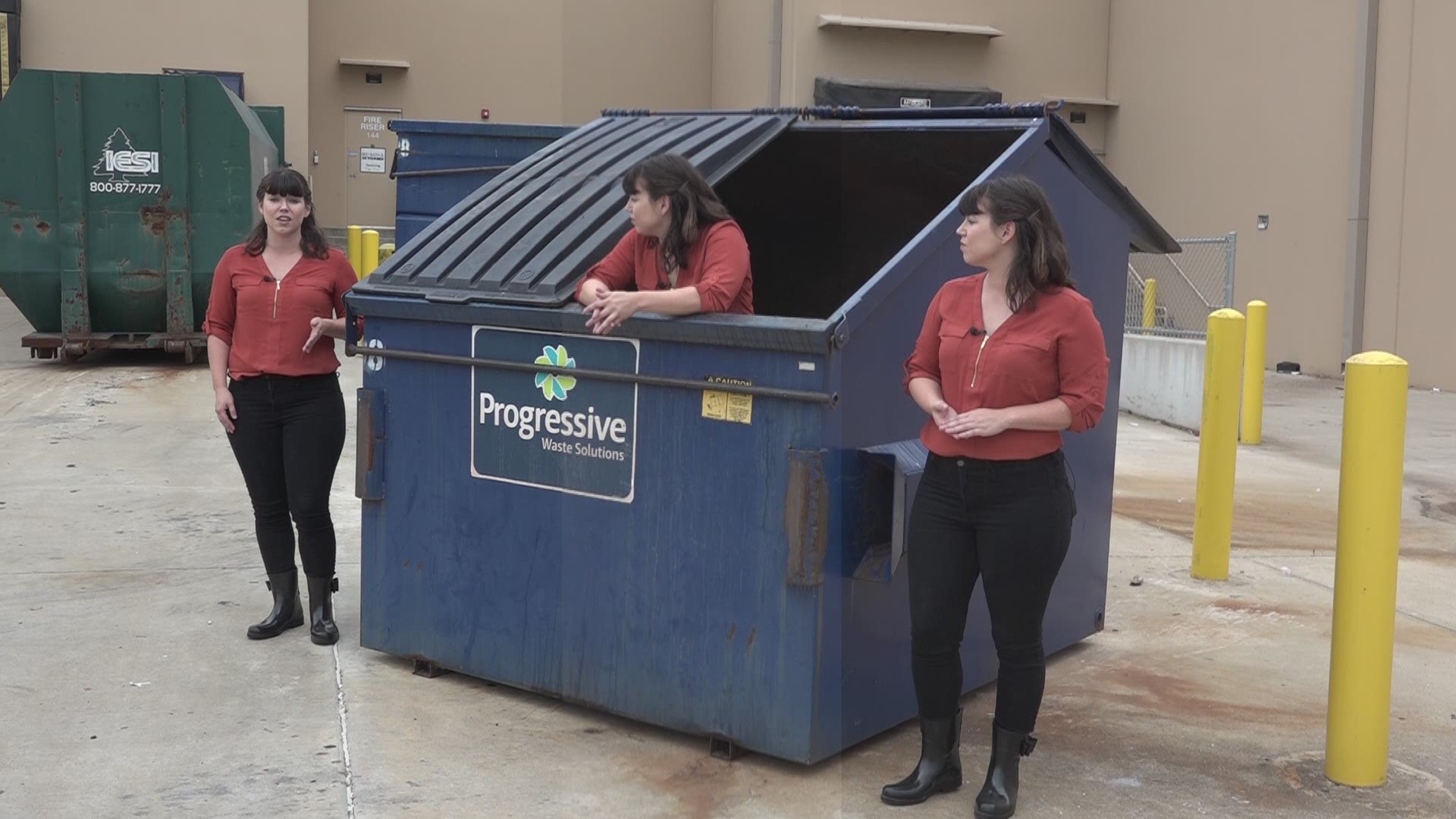
Secondly, never enter a dumpster. It’s incredibly dangerous. You could get trapped, be overcome by fumes, or injure yourself on hidden objects. Always reach from the outside. If you can’t reach something, it’s best to leave it. Also, be aware of your surroundings. Some dumpsters are near active loading docks or busy roads. Go with a buddy if possible, both for safety and for lifting heavier items. If you encounter hazardous waste (e.g., medical waste, chemicals), avoid it entirely.
Thirdly, be respectful and discreet. Dumpster diving can carry a stigma, and drawing unnecessary attention can lead to complaints or confrontations. Try to go during off-peak hours, often late at night or early morning, when businesses are closed, and foot traffic is minimal. Leave the area cleaner than you found it. Do not make a mess, scatter trash, or leave bags open. A clean departure demonstrates respect for the property and minimizes negative perceptions of the activity. If confronted, be polite, explain your intentions (if safe to do so), and be prepared to leave immediately without argument.
Where to Look (and Where Not To)
The types of locations often yield different kinds of treasures. Retail stores, especially those selling home goods, electronics, or clothing, can be goldmines for new or slightly damaged items. Think furniture stores, department stores, or even craft stores. They often discard display models, customer returns, or overstocked items. Grocery stores and bakeries are common targets for food items, though these require extreme caution regarding safety and spoilage. Always inspect food thoroughly for signs of spoilage, damage, or tampering, and if in doubt, throw it out. Clean and cook any retrieved food items properly.
Apartment complexes, particularly during peak moving seasons, can yield furniture, household goods, and electronics as residents discard items rather than moving them. Colleges and universities after semesters or during move-out periods are also excellent sources for books, small appliances, and furniture.
Conversely, there are places to avoid. Restaurants and fast-food establishments often have highly perishable food waste and strict sanitation rules, making them riskier from both a health and legal perspective. Medical facilities (hospitals, clinics) are strictly off-limits due to biohazards and patient privacy concerns. Residential trash cans on individual properties are generally considered private and should be avoided to prevent trespassing issues. Finally, any dumpster on private property with “No Trespassing” signs or that is locked or fenced should always be avoided, as this indicates a clear intent by the owner to prevent access. Always prioritize safety and legality over the potential for a find.
In conclusion, while dumpster diving in Texas is not inherently illegal under state law, it operates within a complex web of legal nuances and practical considerations. The key lies in understanding the distinction between abandoned property on public land versus items on private property, and always respecting signs and property owner intentions. For those embracing a sustainable lifestyle, budget travel, or simply a resourceful approach to consumption, dumpster diving can offer unique benefits, diverting waste and uncovering hidden value. However, it demands a commitment to safety, discretion, and a thorough understanding of both state and local ordinances to ensure a responsible and lawful pursuit of discarded treasures.
LifeOutOfTheBox is a participant in the Amazon Services LLC Associates Program, an affiliate advertising program designed to provide a means for sites to earn advertising fees by advertising and linking to Amazon.com. Amazon, the Amazon logo, AmazonSupply, and the AmazonSupply logo are trademarks of Amazon.com, Inc. or its affiliates. As an Amazon Associate we earn affiliate commissions from qualifying purchases.