
When planning an international adventure or even a domestic road trip, understanding the sheer scale of your destination is often a crucial first step. It influences how much you can see, the modes of transport you’ll use, and ultimately, the type of experience you’ll have. The question “Is France larger than Texas?” might seem like a simple geographical query, but its answer unravels a fascinating comparison between a storied European nation and a vast state within the United States. Beyond the raw numbers, this comparison offers a rich tapestry for travelers, highlighting diverse landscapes, iconic landmarks, distinctive cultures, and myriad accommodation options.
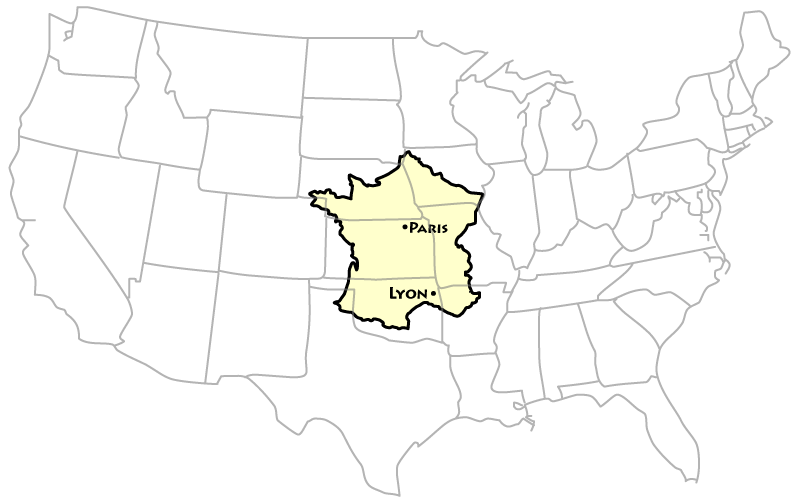
A Geographical Showdown: France vs. Texas
At first glance, one might assume a country, particularly one as prominent as France, would undeniably dwarf a mere state. However, Texas is no ordinary state; it’s the second-largest in the United States by both area and population, renowned for its immense size and varied terrain. Let’s delve into the precise dimensions to settle the debate.
The Raw Numbers: Land Area Comparison
France, encompassing its mainland territory in Western Europe along with several overseas regions and territories, has a total area of approximately 643,801 square kilometers (248,573 square miles). This includes metropolitan France and its overseas departments and regions such as French Guiana, Guadeloupe, Martinique, Mayotte, and Réunion. If we consider only metropolitan France, its area is approximately 551,695 square kilometers (213,010 square miles).
Texas, on the other hand, boasts a formidable area of about 695,662 square kilometers (268,596 square miles).
So, to answer the question directly: No, France is not larger than Texas when considering metropolitan France. Even when including all its overseas territories, France’s total area is still slightly smaller than that of Texas. This surprising fact underscores the sheer vastness of the Lone Star State.
Implications of Size for Travel Planning
The geographical dimensions have profound implications for any traveler. In France, despite its extensive reach, a well-developed high-speed rail network (TGV) and efficient road systems make traversing the country relatively quick and comfortable. You can wake up in Paris, enjoy lunch on the French Riviera, and be in the Alps by evening, if you plan meticulously. This connectivity allows for diverse experiences packed into shorter trips.
In Texas, the scale is different. While interstates crisscross the state, covering its vast distances often requires significant driving time, or travelers may opt for domestic flights between major cities like Dallas, Houston, and Austin. A trip across Texas can feel like traversing several smaller states, demanding a different approach to itinerary planning. For instance, a drive from El Paso in the west to Beaumont in the east is roughly equivalent to driving from Paris to Prague. This emphasizes the need for careful consideration of travel time and logistics for those exploring Texas.
Beyond the Borders: Diverse Landscapes and Iconic Landmarks
Beyond mere size, both France and Texas offer incredibly diverse landscapes and a wealth of landmarks that cater to every type of traveler. From towering mountains and sun-drenched coastlines to bustling metropolises and quiet rural retreats, each destination provides a unique backdrop for unforgettable experiences.
Exploring France’s Varied Terrain and Historical Treasures
France is a country of extraordinary geographical diversity. Its northern regions feature rolling hills and expansive agricultural lands, leading to the dramatic cliffs of Normandy and the historic battlefields of World War I. To the east, the majestic Alps offer world-class skiing and breathtaking alpine vistas, while the Pyrenees form a natural border with Spain to the south, inviting hikers and nature lovers. The sun-kissed French Riviera along the Mediterranean Sea is famous for its glamorous beaches and vibrant cities like Nice and Cannes. Meanwhile, the Atlantic Ocean coast offers rugged beauty and surfing opportunities.
Culturally and historically, France is unparalleled. Paris, the capital, is a treasure trove of iconic landmarks and cultural institutions. The magnificent Eiffel Tower dominates the skyline, offering panoramic views of the city. The Louvre Museum, a former royal palace, houses masterpieces like the Mona Lisa. Versailles Palace stands as a testament to royal opulence. Beyond Paris, the medieval walled city of Carcassonne, the stunning tidal island of Mont Saint-Michel, and the renowned vineyards of Bordeaux and the Loire Valley beckon visitors. For families, Disneyland Paris provides a magical escape. Each region offers a distinct flavor, from the lavender fields of Provence to the bustling port city of Marseille, ensuring a rich variety of destinations and attractions.
Discovering the Vastness and Unique Charm of Texas
Texas’s landscapes are just as diverse, albeit with a distinctly North American character. From the arid desert plains of West Texas, home to Big Bend National Park and Guadalupe Mountains National Park, to the piney woods of East Texas, the state offers a wide array of natural beauty. The central Hill Country delights with its rolling hills, spring-fed rivers, and charming small towns, while the Gulf Coast provides sandy beaches and abundant fishing opportunities.

Texas is rich in history, particularly its role in the American West and its fight for independence. The Alamo in San Antonio is an iconic symbol of Texan resilience, and the city’s beautiful Riverwalk offers a lively urban escape. Houston, often called “Space City,” is home to the NASA Johnson Space Center, a must-visit for space enthusiasts. Dallas, a modern metropolis, boasts impressive architecture, including the distinctive Reunion Tower, and a vibrant arts scene. Austin, the “Live Music Capital of the World,” pulses with live music venues and a unique, laid-back vibe. Each of these major cities, along with countless smaller towns, offers distinct attractions and experiences, from rodeos and BBQ joints to world-class museums and shopping.
Travel Experiences: From Parisian Chic to Texan Hospitality
The cultural fabric and daily lifestyle offered by France and Texas are as distinct as their geographies, shaping the very essence of the travel experience. Whether you’re seeking sophisticated luxury travel or an authentic local immersion, both destinations deliver memorable adventures.
Navigating Accommodation Options in France
France offers an incredibly diverse range of accommodation options to suit every budget and lifestyle. In Paris and other major cities like Lyon or Bordeaux, you’ll find a plethora of hotels, from opulent five-star resorts and suites with classic Parisian charm to chic boutique hotels and more budget travel friendly options. Many luxury properties, such as those under the Relais & Châteaux brand, offer exquisite dining and unparalleled service. For those seeking a more authentic or long-term stay, apartments and villas available through platforms like Airbnb or local agencies are popular choices, especially for family trips or travelers desiring kitchen amenities.
Rural France provides opportunities for unique stays in gîtes (holiday cottages), chambres d’hôtes (bed and breakfasts), or even renovated châteaux, allowing visitors to immerse themselves in local culture and picturesque landscapes. When booking hotels, using sites like Booking.com for comparison and checking reviews is always advisable to ensure the best experience, whether it’s for a quick business stay or a leisurely vacation. The emphasis in France is often on elegance, history, and culinary excellence, making even a simple stay feel like a sophisticated experience.
Embracing the Lifestyle and Culture of Texas
Texas, with its distinctive Southern and Western influences, offers a hospitality experience that is warm, welcoming, and often larger-than-life. Hotels in major cities like Dallas, Houston, and San Antonio range from high-rise luxury hotels with extensive amenities like the Grand Hyatt Hotel chain, to charming boutique options and reliable mid-range chains catering to family trips and business stays. Many resorts in the Hill Country offer golf, spa services, and outdoor activities, perfect for a relaxing getaway.
For those interested in a more unique Texan lifestyle, dude ranches offer an immersive Western experience, complete with horseback riding and cowboy culture. Vacation rentals and apartments are readily available, especially in popular areas like Austin during its famous music festivals. Texas’s tourism scene is characterized by its friendly locals, delicious BBQ, vibrant music scenes, and a strong sense of regional pride. The overall lifestyle in Texas is often more casual and focused on outdoor activities and hearty cuisine, presenting a stark contrast to the sophisticated elegance often associated with France.
Practicalities for the Modern Traveler: Budget, Time, and Logistics
When deciding between these two magnificent, albeit differently sized, destinations, practical considerations such as budget, time allocation, and logistical planning become paramount. Each destination presents its own set of challenges and rewards, guiding travelers towards a trip tailored to their preferences and resources.
Maximizing Your Trip: Planning for Either Destination
A trip to France often involves international flights and navigating a foreign language and currency (Euro). However, as a member of the European Union and the Schengen Area, travel within France and to neighboring European countries is seamless. Public transportation is excellent, especially in cities like Paris and Lyon, reducing the need for rental cars unless exploring remote rural areas. Budget travel options exist, but France is generally perceived as a more expensive destination, particularly for luxury travel experiences in major cities. Savvy travelers can save money on food by exploring local markets and patisseries, and by opting for fixed-price lunch menus (formules) at restaurants. Consider purchasing city passes or museum passes to reduce attraction costs.
For Texas, domestic flights are often key to covering vast distances quickly, though road trips are a classic and rewarding way to experience the state’s diverse regions. While Texas can be more budget-friendly than France on a per-day basis, the sheer scale of the state means transportation costs (especially fuel if driving) can add up. Rental cars are almost essential for exploring outside major urban centers. Accommodation options range from budget motels to high-end resorts, offering flexibility for various financial plans. Booking well in advance, especially during peak seasons or for popular destinations like the Texas Hill Country in springtime, can secure better rates.
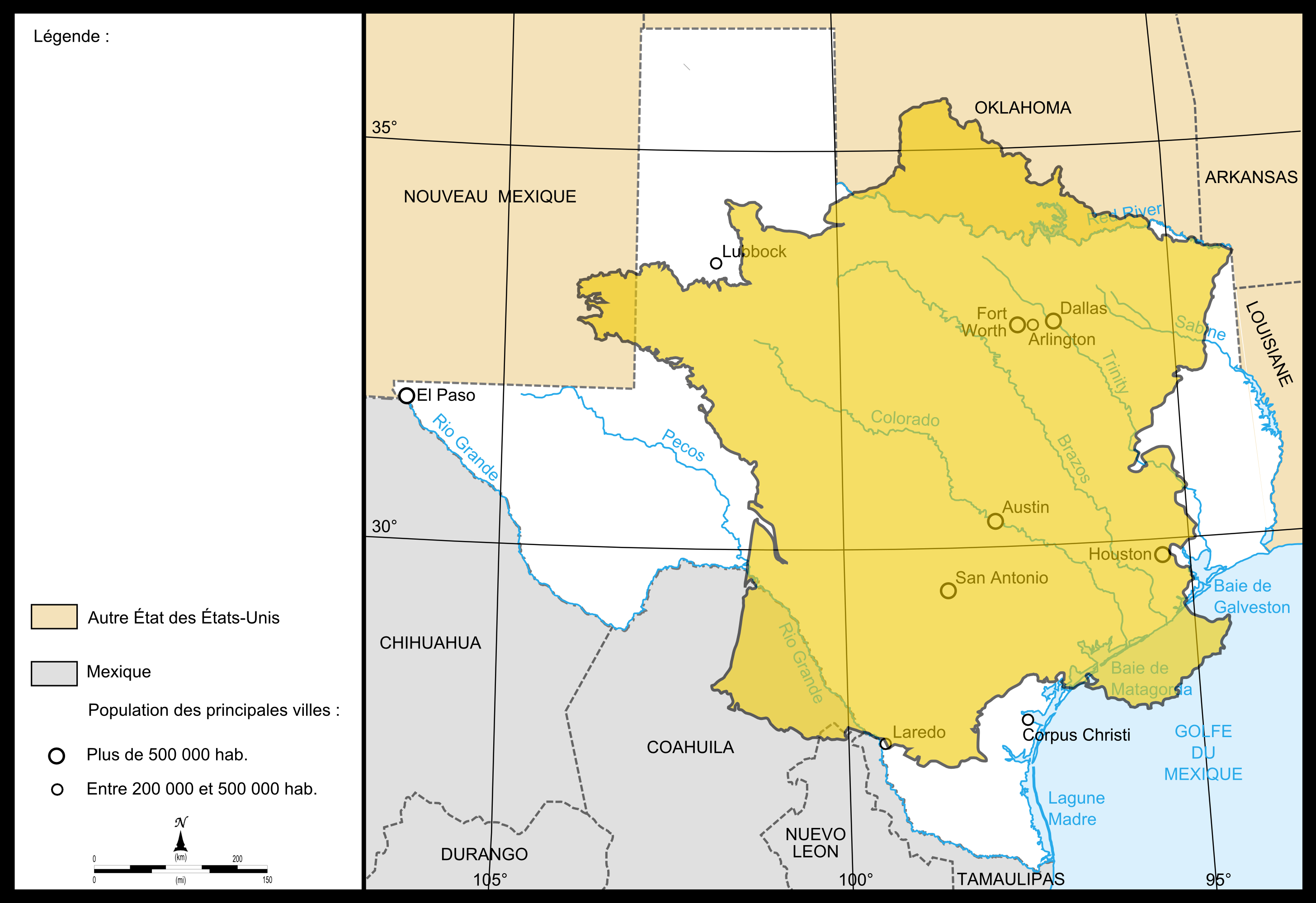
Culinary Journeys and Local Immersion
A significant part of any travel experience is the food and local culture. France is a gastronomic paradise, world-renowned for its sophisticated cuisine, fine wines, and artisanal cheeses. From Michelin-starred restaurants in Paris to rustic regional dishes in Provence or Brittany, every meal is an event. Engaging with local markets (marchés) is a fantastic way to immerse yourself in the daily rhythm and taste fresh, seasonal produce. Tourism in France often revolves around these culinary delights, wine tours in Bordeaux or Burgundy, and cooking classes offering deep dives into French culinary traditions.
Texas, while perhaps not boasting the same international culinary renown as France, offers a vibrant and unique food scene. Famous for its authentic Tex-Mex cuisine, legendary barbecue, and hearty Southern comfort food, Texas promises a flavorful journey. From hole-in-the-wall BBQ joints to upscale farm-to-table restaurants in Austin, the culinary landscape is as diverse as its geography. Activities centered around food, such as BBQ trails or taco tours, are popular ways to experience the local culture. The warm, welcoming nature of Texans ensures that visitors often feel like guests, not just tourists, fostering a sense of genuine local immersion.
In conclusion, while the answer to “Is France larger than Texas?” is a resounding “no” (with Texas being the larger of the two), both destinations offer expansive and richly rewarding travel experiences. France captivates with its historical depth, refined culture, and efficient connectivity, allowing for varied exploration within a manageable footprint. Texas impresses with its sheer scale, rugged natural beauty, and distinctive blend of Southern and Western hospitality. Your choice between these two incredible places will ultimately depend on your preferred style of travel, your budget, and the kind of unforgettable memories you wish to create. Both promise a journey that transcends mere geographical dimensions.
LifeOutOfTheBox is a participant in the Amazon Services LLC Associates Program, an affiliate advertising program designed to provide a means for sites to earn advertising fees by advertising and linking to Amazon.com. Amazon, the Amazon logo, AmazonSupply, and the AmazonSupply logo are trademarks of Amazon.com, Inc. or its affiliates. As an Amazon Associate we earn affiliate commissions from qualifying purchases.