
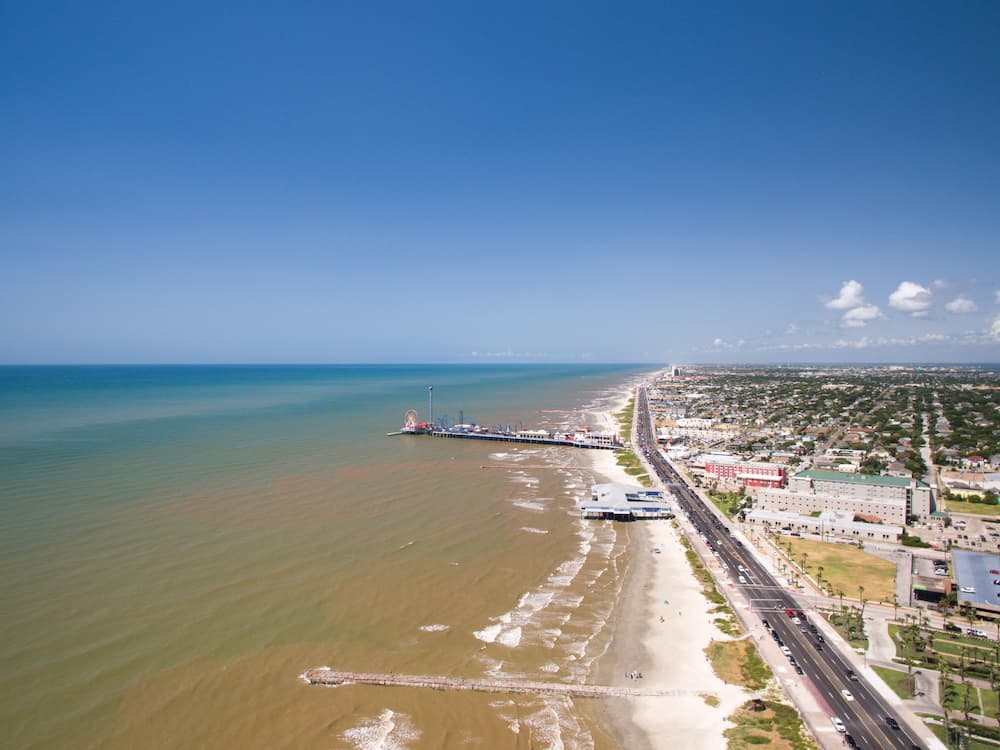
Galveston, Texas, a charming island city nestled on the Gulf of Mexico just south of Houston, beckons travelers with its rich history, beautiful beaches, and vibrant atmosphere. From the Victorian architecture of The Strand Historic District to the thrilling rides of Pleasure Pier and the educational wonders of Moody Gardens, there’s an abundance of experiences for every type of visitor. However, as with any travel destination, a common and crucial question often arises: “Is Galveston, Texas safe?”
For those planning a trip, safety is paramount, influencing everything from accommodation choices to daily activities and overall peace of mind. This comprehensive guide aims to address safety concerns in Galveston, offering a detailed look at crime rates, specific considerations for tourists, environmental risks, and practical tips to ensure a worry-free and enjoyable visit. By understanding the local landscape and adopting smart travel practices, visitors can fully immerse themselves in the unique charm of this coastal gem in the United States.
Understanding Safety and Crime in Galveston
When evaluating the safety of any destination, it’s essential to look at the broader context of crime statistics while also considering the specific areas frequented by tourists. Galveston, like many cities, experiences its share of crime, but understanding the nature and location of these incidents can provide a more accurate picture for travelers.
General Crime Statistics
Galveston’s crime rates are often viewed in comparison to national and state averages. According to data from various sources, including the Federal Bureau of Investigation (FBI) and local police reports, the city’s crime rates can fluctuate. Generally, while property crime rates might be slightly higher than the national average in some categories, violent crime rates typically remain around or below the national median. It’s important to remember that these statistics often represent city-wide data and don’t always reflect the specific safety of tourist zones.
Property crimes, such as theft from vehicles, petty larceny, and burglary, are the most common issues reported. These types of crimes are often opportunistic, targeting unattended belongings or unsecured properties. Violent crimes, while less frequent, do occur, but they are typically concentrated in specific, non-tourist areas and are less likely to impact visitors who stick to well-trafficked and popular spots. The city’s police department actively works to maintain order and respond to incidents, with increased patrols in busy commercial and tourist zones.
Safer Areas and Areas to Be Aware Of
For tourists, the good news is that the primary attractions and most popular districts in Galveston are generally considered safe. Areas like The Strand Historic District, the Seawall, Pleasure Pier, and popular hotel zones are well-maintained, well-lit, and often have a visible police presence. These areas thrive on tourism, and local authorities and businesses prioritize visitor safety.
Neighborhoods such as the East End Historical District, known for its beautiful Victorian homes and tree-lined streets, are also generally safe for walking during the day. However, like any urban environment, there can be areas on the outskirts or residential zones away from the main tourist hubs that might experience higher crime rates. It’s always a good practice to research specific neighborhoods if you plan to venture beyond the typical tourist paths or are considering a long-term stay in a residential area.
Travelers should exercise common sense, regardless of the area. This includes being aware of your surroundings, especially at night, and avoiding dimly lit or deserted streets. While Galveston is largely welcoming, no place is entirely crime-free, and personal vigilance remains the best defense against opportunistic crime.
Safety for Tourists and Visitors: Navigating Galveston
As a prime tourist destination, Galveston is equipped to handle a large influx of visitors, and considerable effort is put into ensuring a safe and pleasant experience. However, there are specific considerations and practical tips that can enhance personal safety and make any trip more enjoyable.
General Personal Safety Tips
The fundamental principles of personal safety apply in Galveston as they would anywhere else. Always be aware of your surroundings, especially in crowded areas like the Pleasure Pier or during festivals on The Strand Historic District, where pickpocketing can occur. Keep valuables out of sight, and consider using a cross-body bag or a money belt. Avoid flaunting expensive jewelry or electronics, as this can make you a target. When walking at night, stick to well-lit streets and travel in groups if possible. If you feel uncomfortable or lost, don’t hesitate to enter a reputable business or approach law enforcement for assistance.
Securing Belongings and Vehicle Safety
Vehicle break-ins and theft from cars are among the most common property crimes in Galveston. To mitigate this risk, never leave valuables visible in your car, even for a short period. This includes phones, wallets, cameras, luggage, and shopping bags. If you must store items in your vehicle, place them in the trunk before arriving at your destination, rather than revealing their location while parked. Always lock your car doors and close windows, even if you’re just stepping away for a moment. Parking in well-lit, secure parking lots, especially overnight, is also advisable. For those staying in hotels, inquire about secure parking options.
Nightlife and Public Transportation
Galveston’s nightlife, particularly along The Strand, offers a vibrant scene with bars, restaurants, and live music. When enjoying the evening, it’s crucial to drink responsibly and never leave your drink unattended. Arrange for safe transportation beforehand, whether it’s a designated driver, a ride-sharing service, or a taxi. While the city does have some public transportation options, including trolleys in certain areas, they may not cover all destinations or operate late into the night. It’s wise to plan your routes, especially after dark. Walking alone late at night, particularly in less populated areas, is generally not recommended.
Solo Travelers and Families
For solo travelers, Galveston is generally a welcoming destination. Many hotels and resorts cater to individual guests, and there are numerous activities that can be enjoyed alone, from exploring museums to relaxing on the beach. However, solo travelers should be extra vigilant, especially at night. Inform someone of your itinerary, and consider using secure digital check-in apps or sharing your location with a trusted contact.
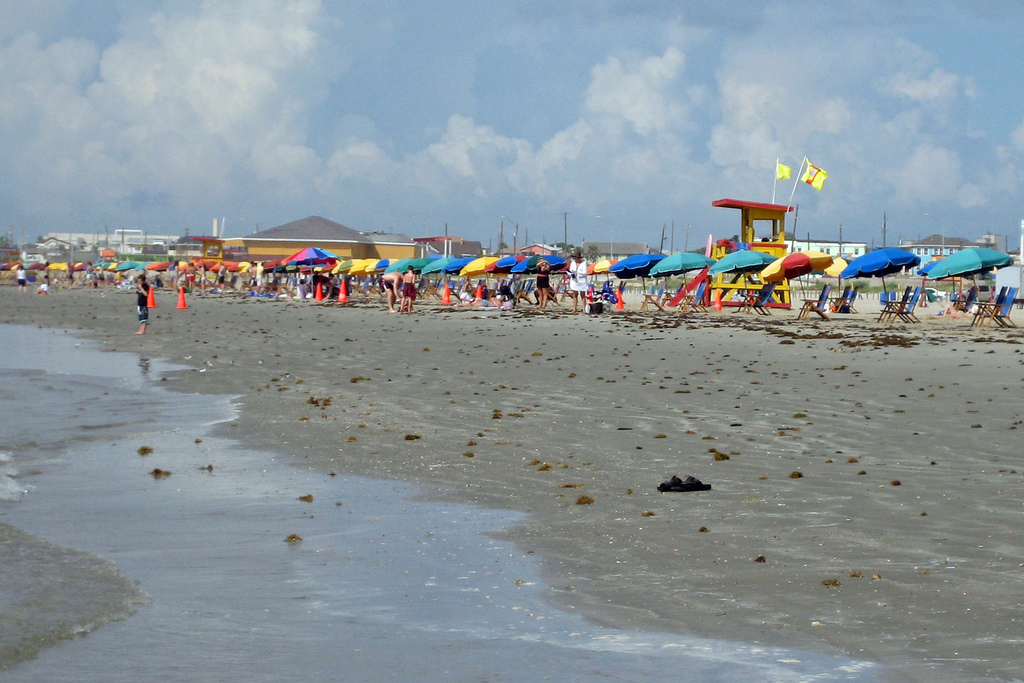
Families will find Galveston to be a fantastic and safe destination. Attractions like Moody Gardens and Pleasure Pier are designed with family fun in mind. The beaches are generally safe for children, with designated swimming areas and lifeguard presence during peak seasons. When traveling with children, always supervise them closely, especially near water or in crowded places. Establish meeting points in case anyone gets separated, and ensure children know how to identify and approach a police officer or a hotel staff member if they get lost.
Environmental and Natural Disaster Safety
Beyond human-related safety concerns, Galveston’s coastal location means visitors must also be aware of environmental factors and the potential for natural disasters. The city has a robust emergency preparedness system, but individual awareness is key.
Hurricanes and Tropical Storms
Galveston is located in an area prone to hurricanes and tropical storms, especially during Hurricane Season which typically runs from June 1st to November 30th. While direct hits are not an annual occurrence, the threat is ever-present. Travelers planning a trip during these months should monitor weather forecasts closely from reliable sources like the National Weather Service. If a storm is predicted to impact the area, follow local advisories and evacuation orders promptly. Many hotels and airlines offer flexible cancellation policies during such events, so it’s wise to check these when booking. During quieter times, heavy rain and strong winds can still occur, so pack appropriate rain gear.
Beach and Water Safety
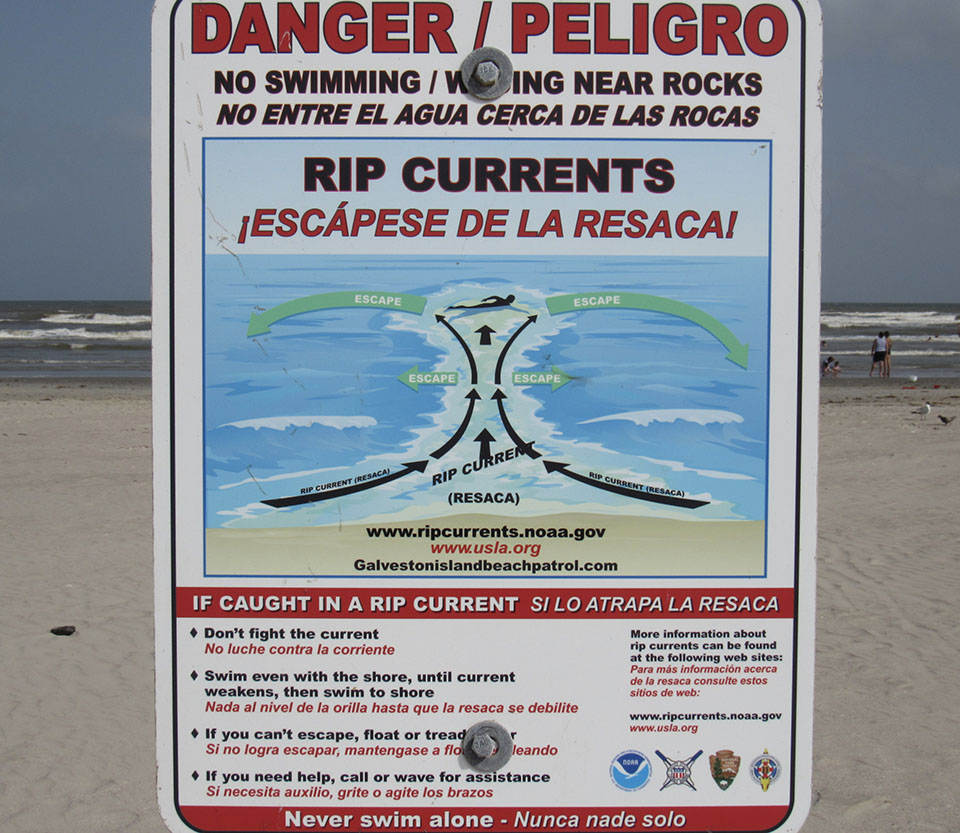
Galveston’s beaches are a major draw, but water safety is paramount. The Gulf of Mexico can have strong currents, including rip currents, which can be dangerous for even experienced swimmers. Always swim near designated lifeguard stations and heed all warning flags:
- Green Flag: Low hazard, calm conditions.
- Yellow Flag: Medium hazard, moderate surf and/or currents.
- Red Flag: High hazard, strong surf and/or currents. Swimming is discouraged.
- Double Red Flag: Water closed to the public.
- Purple Flag: Dangerous marine life (e.g., jellyfish, stingrays).
Children should always be supervised when near or in the water. Never swim alone, and avoid swimming after consuming alcohol. Watch out for marine life such as jellyfish, particularly after storms or during certain times of the year. If stung, seek assistance from lifeguards or medical professionals.
Sun and Heat Safety
Galveston’s climate can be very warm and humid, especially in the summer. Sunburn and heatstroke are real risks. Protect yourself by:
- Wearing sunscreen with a high SPF, even on cloudy days.
- Wearing wide-brimmed hats and sunglasses.
- Staying hydrated by drinking plenty of water.
- Seeking shade during the hottest parts of the day (typically 10 AM to 4 PM).
- Wearing light, breathable clothing.
Being prepared for these environmental factors will contribute significantly to a safe and comfortable trip.
Accommodation and Emergency Services
Choosing the right accommodation and knowing how to access emergency services are crucial aspects of travel safety. Galveston offers a wide range of options, from historic hotels to modern resorts and charming vacation rentals, all supported by a robust emergency response system.
Safe Accommodation Choices
When booking accommodation, prioritize reputable establishments. Major hotels and resorts like the historic Hotel Galvez & Spa or the San Luis Resort, Spa & Conference Center typically have excellent security measures, including 24-hour front desks, secure access to rooms, and well-trained staff. Always read recent reviews from other travelers on booking websites to gauge safety and overall guest experience. Pay attention to comments regarding neighborhood safety, room security, and staff responsiveness.
If opting for vacation rentals through platforms like Airbnb or VRBO, ensure the host has good reviews and that the property is located in a well-regarded area. Check for details about locks, lighting, and neighborhood specifics. Upon arrival, familiarize yourself with emergency exits and ensure all doors and windows have working locks. Never give out your room number to strangers, and always use the peephole before opening your door. For long-term stays, particularly for business travelers or those exploring a lifestyle change, consider areas with active neighborhood associations and good community engagement.
Emergency Services and Medical Facilities
Galveston has reliable emergency services readily available. In the event of an emergency, dial 911 for immediate assistance from police, fire, or ambulance services. The local police department is responsive, and fire services are well-equipped.
For medical needs, Galveston is home to the University of Texas Medical Branch (UTMB Health Galveston Campus), a major academic medical center with a comprehensive hospital and emergency room. This provides travelers with access to high-quality medical care should the need arise. It’s always a good idea to have your health insurance information handy, and for international travelers, consider purchasing travel insurance that covers medical emergencies and evacuations. Knowing where the nearest hospital or urgent care clinic is located, especially if you have pre-existing conditions, can provide an added layer of security.
Practical Safety Tips for a Worry-Free Trip to Galveston
To ensure your visit to Galveston is as safe and enjoyable as possible, integrate these practical tips into your travel plans and daily activities.
Stay Informed
Before and during your trip, stay informed about local conditions. Check local news websites for any current safety alerts or significant events. Follow the official social media channels of the Galveston Police Department or the city’s tourism board for real-time updates. If traveling during Hurricane Season, consistently monitor weather forecasts.
Share Your Itinerary
Especially for solo travelers or those venturing off the main tourist paths, share your itinerary with a trusted friend or family member. Let them know your accommodation details, planned activities, and expected return times. This provides a safety net in case of unforeseen circumstances.
Keep Emergency Contacts Handy
Beyond 911, have a list of important phone numbers readily accessible. This could include your hotel’s front desk, your travel insurance provider, and a local contact if you have one. For international travelers, know your country’s embassy or consulate contact information.
Secure Valuables and Important Documents
Make copies of important documents like your passport, driver’s license, and credit cards, and store them separately from the originals. Consider using digital copies on your phone or in a cloud storage service. Avoid carrying large amounts of cash. Use hotel safes for passports, extra cash, and other valuables when you’re out exploring attractions like The Grand 1894 Opera House or Bishop’s Palace.
Be Mindful of Scams and Tourist Traps
While less common, tourist destinations can sometimes attract individuals attempting scams. Be wary of overly friendly strangers offering unsolicited help or too-good-to-be-true deals. Stick to reputable tour operators and vendors, especially for activities like fishing charters or historical tours. If something feels off, trust your instincts and politely decline.
Enjoy Nature Responsibly
If exploring natural areas like Galveston Island State Park, stay on marked trails, be aware of local wildlife, and carry enough water. Inform someone of your hiking plans and expected return. Respect environmental guidelines and leave no trace.
Consider Travel Insurance
For comprehensive peace of mind, especially when traveling with family or planning an extended stay, consider purchasing travel insurance. It can cover various eventualities, from trip cancellations and lost luggage to medical emergencies and natural disaster evacuations, aligning with a prudent lifestyle of prepared travel.
By incorporating these tips, visitors can significantly reduce potential risks and fully embrace the unique experiences Galveston has to offer, from its historical landmarks to its vibrant local culture and beautiful coastal scenery.
Conclusion
So, is Galveston, Texas safe? The resounding answer is yes, generally. While no city is entirely free from crime or natural risks, Galveston remains a safe and welcoming destination for the vast majority of tourists and residents. Its commitment to tourism means that popular areas are well-monitored and maintained, and local authorities are dedicated to ensuring visitor safety.
By exercising common sense, staying aware of your surroundings, securing your belongings, and being prepared for the unique environmental factors of a coastal city, you can significantly mitigate any potential risks. From enjoying the historic charm of The Strand Historic District to unwinding on the beautiful beaches or exploring the educational attractions of Moody Gardens, Galveston offers a plethora of safe and memorable experiences. With proper planning and a mindful approach, your trip to this captivating Texas island will undoubtedly be a pleasant and worry-free adventure, inviting you to discover its unique blend of history, culture, and coastal allure.
LifeOutOfTheBox is a participant in the Amazon Services LLC Associates Program, an affiliate advertising program designed to provide a means for sites to earn advertising fees by advertising and linking to Amazon.com. Amazon, the Amazon logo, AmazonSupply, and the AmazonSupply logo are trademarks of Amazon.com, Inc. or its affiliates. As an Amazon Associate we earn affiliate commissions from qualifying purchases.