
The Lone Star State, known for its sprawling ranches, rich history, and a distinct independent spirit, also harbors a complex and often misunderstood landscape when it comes to gambling. For many a traveler or resident considering a trip across the state, or perhaps even looking for entertainment within its borders, the question arises: “Is it legal to gamble in Texas?” The answer, as with many things in Texas, is not a simple yes or no. It’s a nuanced exploration of state laws, tribal sovereignty, and specific forms of wagering that are permitted.
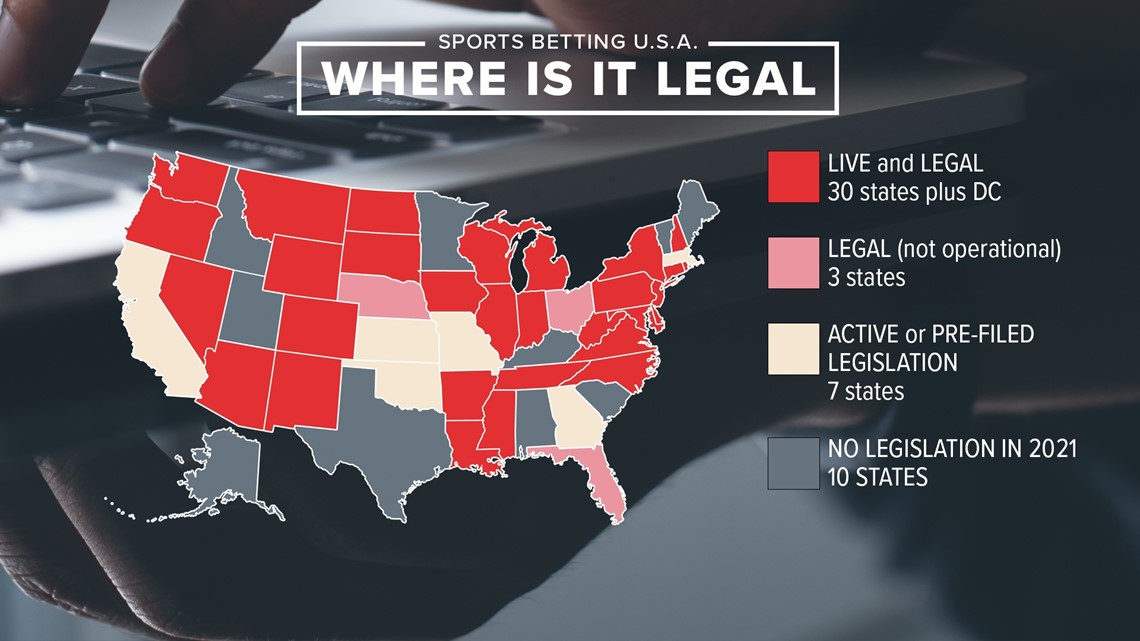
While Texas doesn’t boast the glitz and glamour of Las Vegas or the extensive casino operations found in neighboring states like Louisiana, it does offer certain avenues for those seeking a flutter. Understanding these distinctions is crucial to avoid any legal entanglements and to navigate the entertainment options available in this vast state. This guide will delve into the specifics of gambling laws in Texas, examining what is permissible, what remains in a legal gray area, and where one might find these opportunities.
Permitted Forms of Wagering in Texas
Texas law is quite clear on certain types of gambling, defining them as legal and regulated. These often fall into categories that are perceived as less high-stakes or are tied to charitable or historical pursuits. Understanding these distinctions is the first step in grasping the state’s approach to wagering.
Charitable Bingo and Raffles
One of the most widely accepted and legally sanctioned forms of gambling in Texas is charitable bingo. Operated by licensed non-profit organizations, these events are a significant source of fundraising for a variety of worthy causes, including religious institutions, veterans’ groups, and community service organizations. The Texas Lottery Commission oversees the licensing and regulation of these bingo halls, ensuring that proceeds are used for their intended charitable purposes. Players can participate in games with varying prize pools, contributing to their community while enjoying the thrill of the game.
Raffles are another common and legal fundraising mechanism for charitable entities. Similar to bingo, these are regulated to ensure fairness and proper allocation of funds. Participants purchase tickets for a chance to win prizes, with the proceeds going directly to the sponsoring organization. These events are frequently held at local fairs, festivals, and community gatherings throughout Texas, offering a low-barrier entry for those wishing to support a cause.
Horse Racing and Pari-Mutuel Betting
Texas permits pari-mutuel betting on horse races. Several licensed racetracks operate within the state, offering patrons the opportunity to wager on the outcome of live races. This form of betting involves pooling all wagers on a particular race, with the house taking a percentage before distributing the remaining amount to the winners based on their chosen horses’ performances. These venues provide a classic racing experience, complete with the excitement of cheering on thoroughbreds. Popular tracks include Sam Houston Race Park in Houston and the Lone Star Park near Dallas.
The Texas Lottery
A significant and popular legal gambling option in Texas is the state lottery. Established in 1991, the Texas Lottery Commission oversees a wide array of scratch-off tickets and draw games, including Powerball and Mega Millions, which offer multi-million dollar jackpots. The lottery is a major revenue generator for the state, with a substantial portion of its proceeds dedicated to public education and veterans’ programs. Millions of Texans participate regularly, dreaming of hitting the jackpot.
Gray Areas and Restricted Gambling Activities
Beyond the explicitly legal forms of wagering, Texas law enters a more complex and often debated territory. Certain activities teeter on the edge of legality or are explicitly prohibited, creating confusion and often leading to legal challenges.
Tribal Casinos and Slot Machines
This is perhaps the most significant area of contention and confusion. While tribal nations in the United States have the inherent right to operate casinos on their sovereign lands, the situation in Texas is particularly restrictive. Unlike many other states, Texas has a limited number of federally recognized Native American tribes, and their ability to offer the full range of Las Vegas-style casino games, including slot machines and table games like blackjack and poker, is severely restricted.
The Alabama-Coushatta Tribe of Texas and the Tigua Tribe of Texas are the primary groups involved in this discussion. Historically, they have faced legal battles over their right to operate casinos. While they have operated gaming facilities at various times, their offerings have often been limited or subject to intense legal scrutiny and state opposition. The key issue revolves around whether the games offered constitute “class II” or “class III” gaming under the Indian Gaming Regulatory Act. Class II games, which often include bingo and pull-tabs, are generally more permissible. Class III games, which include slot machines and banked card games, typically require a tribal-state compact, which Texas has been largely unwilling to enter into for these specific tribes. Therefore, while you might find some forms of gaming on tribal lands, it is generally not comparable to the comprehensive casino experience found elsewhere.
Sweepstakes Cafes and Skill Games
In recent years, “sweepstakes cafes” have proliferated in Texas, presenting a significant legal challenge. These establishments typically offer customers the opportunity to purchase phone cards or other services, and in return, they receive entries into a sweepstakes drawing for cash prizes. The games played on the provided computers are often designed to resemble slot machines or other casino-style games. However, the legality of these operations hinges on whether the outcome of the game is determined by skill or by chance. If the outcome is primarily based on chance, they are considered illegal gambling. Texas courts have grappled with this issue, and the legal landscape surrounding sweepstakes cafes remains fluid, with ongoing legal challenges and regulatory efforts.
Similarly, “skill games,” often found in convenience stores and bars, present a similar dilemma. These devices typically require a player to demonstrate a degree of skill to win prizes, thereby attempting to circumvent traditional gambling laws that focus on chance. However, the line between skill and chance can be blurry, and the legality of these machines is frequently contested. Law enforcement and state officials have often cracked down on these establishments, viewing them as de facto illegal gambling operations.
Private Gambling and Social Games
Texas law generally prohibits private gambling. While casual games among friends, such as poker nights or friendly bets, might not be actively prosecuted, engaging in organized private gambling with a significant stakes or where a house cut is taken can lead to legal consequences. The Texas Penal Code defines illegal gambling offenses, and authorities can pursue charges against individuals involved in such activities. The emphasis is often on whether the activity constitutes a “lottery” or is conducted for pecuniary gain by someone other than the participants.
Where to Legally Engage in Wagering Activities
Given the legal framework, identifying legitimate avenues for wagering in Texas requires focusing on the permitted activities. While the options for traditional casino-style gambling are limited, there are still places and events where one can legally participate.
Racetracks and Off-Track Betting Facilities
As mentioned, Sam Houston Race Park and Lone Star Park are the primary destinations for horse racing enthusiasts. These venues not only host live racing but also often feature off-track betting (OTB) facilities, allowing patrons to wager on races from other tracks across the country. These OTBs provide a more accessible way to engage in pari-mutuel betting without needing to travel to a physical racetrack.
Charitable Bingo Halls
Numerous licensed charitable bingo halls operate across Texas. These can be found in most major cities and many smaller towns. A quick online search for “charitable bingo Texas” will usually yield a list of local venues. Remember to verify that the organization hosting the bingo is licensed by the Texas Lottery Commission to ensure you are participating in a legal event.
Lottery Retailers
The Texas Lottery tickets are readily available at thousands of retailers throughout the state. Convenience stores, gas stations, and supermarkets are common places to purchase scratch-off tickets and to play draw games. The Texas Lottery Commission website provides information on winning numbers, prize claims, and a retailer locator.
Organized Poker Rooms (Limited)
The legality of “social” or “skill-based” poker rooms is a constantly evolving area. While Texas law generally prohibits gambling, some establishments have operated by framing their poker games as skill-based competitions rather than chance-based gambling. These rooms often charge a “cover charge” or a fee for seating, rather than taking a rake from the pot. However, law enforcement has frequently raided such establishments, and their legal status remains precarious. It is advisable to be extremely cautious and to research the specific regulations and any current legal challenges before participating in such venues. Often, these are found in larger urban areas like Houston and Dallas.
Navigating Texas Gambling Laws: A Traveler’s Perspective
For visitors and residents alike, understanding the legal landscape of gambling in Texas is essential for a smooth and enjoyable experience. The state’s approach is characterized by a cautious stance, prioritizing certain forms of regulated wagering while maintaining strict prohibitions against others.
Understanding the Nuances of Texas Law
The foundational principle is that gambling in Texas is generally illegal unless specifically authorized by statute. This means that activities not explicitly permitted by law are presumed to be prohibited. The Texas Penal Code contains provisions that define and criminalize illegal gambling. This includes participating in or promoting lotteries not authorized by the state, as well as operating or engaging in gambling devices. The distinction often hinges on whether the game relies on chance or skill, and whether it is conducted for profit or for charitable purposes.
The Role of the Texas Lottery Commission
The Texas Lottery Commission plays a pivotal role in regulating the legal forms of gambling within the state. It is responsible for licensing charitable bingo operators, overseeing the state lottery, and ensuring that these activities are conducted fairly and in compliance with all regulations. The commission’s website is an invaluable resource for anyone seeking to understand the legal framework and to identify licensed operators.
What to Avoid
Given the strict regulations, travelers and residents should be wary of engaging in activities that fall into the gray areas. This includes:
- Unlicensed Sweepstakes Cafes: If a venue appears to offer casino-style games disguised as sweepstakes, it is likely operating in a legal gray area or illegally.
- Unsanctioned Poker Rooms: Unless a poker room can clearly demonstrate it operates within explicit legal allowances (which are rare and often contested), it is best to avoid them.
- Private Gambling Operations: Participating in or organizing private gambling activities that are not purely social and casual can lead to legal trouble.
Enjoying Responsible Entertainment
While Texas may not offer the vast casino resorts of some other states, it does provide opportunities for legal and responsible wagering through its state lottery, charitable bingo, and horse racing. By understanding the laws and focusing on authorized activities, individuals can enjoy these forms of entertainment without legal concern. The key lies in diligence and in seeking out the regulated and transparent options available within the Lone Star State.
LifeOutOfTheBox is a participant in the Amazon Services LLC Associates Program, an affiliate advertising program designed to provide a means for sites to earn advertising fees by advertising and linking to Amazon.com. Amazon, the Amazon logo, AmazonSupply, and the AmazonSupply logo are trademarks of Amazon.com, Inc. or its affiliates. As an Amazon Associate we earn affiliate commissions from qualifying purchases.