
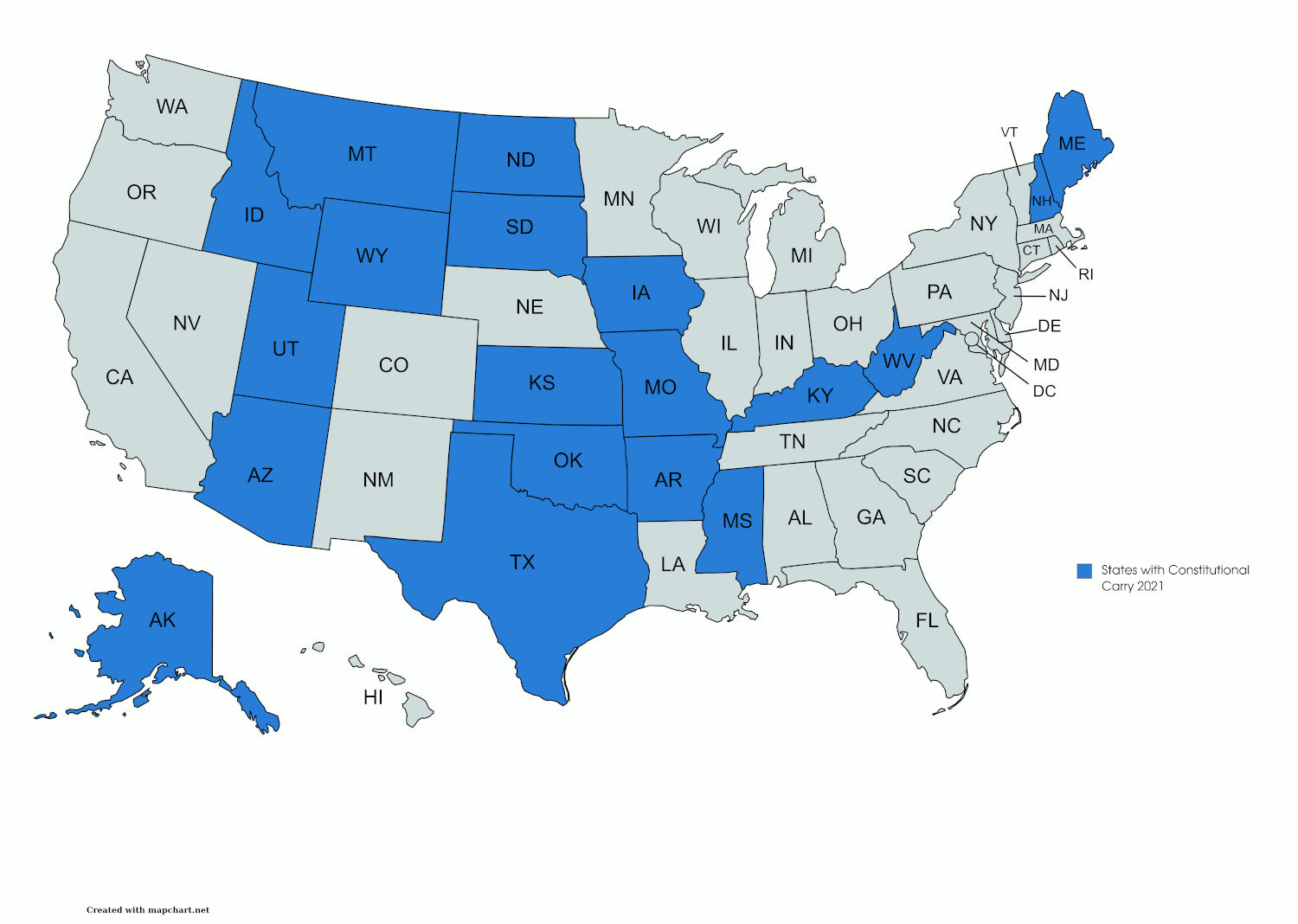
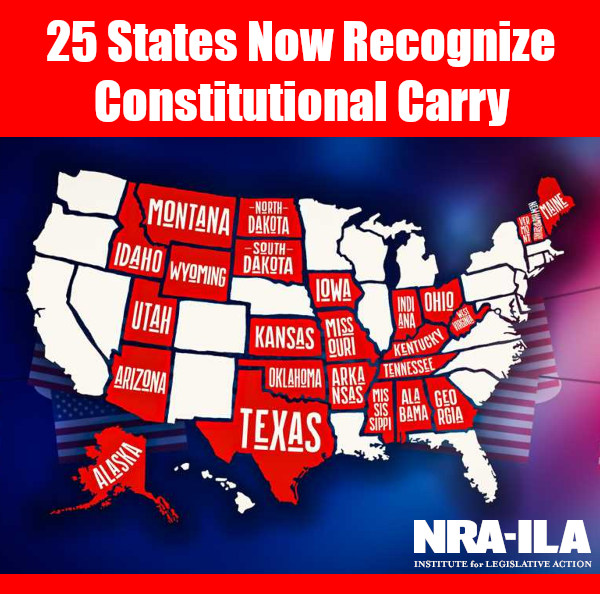
For many travelers and those considering a lifestyle change to the Lone Star State, understanding local laws is paramount. This is particularly true when it comes to firearm regulations, which can vary dramatically from one destination to another. If you’ve been wondering about the specifics of carrying a handgun in Texas, the answer is a resounding “yes” – Texas is indeed a Constitutional Carry state. However, the nuances of this law, especially for visitors and those unfamiliar with gun laws, are crucial to grasp for a smooth and enjoyable experience exploring its vast landscapes, vibrant cities, and unique culture.

Since September 1, 2021, most eligible Texans and visitors to the state can carry a handgun in a public place without needing a state-issued License to Carry (LTC). This legislative shift marks a significant move towards greater individual liberty, aligning Texas with a growing number of states that recognize this right. But what exactly does “Constitutional Carry” entail for your travel plans, your stay in a Texas hotel, or your general understanding of tourism and lifestyle within the state? Let’s delve into the details.
Understanding Constitutional Carry in Texas for Travelers
The concept of Constitutional Carry can sometimes be misinterpreted, leading to confusion among residents and, more acutely, among those visiting from out of state. It’s not a blanket allowance to carry a firearm anywhere, by anyone, at any time. Rather, it operates within a framework designed to balance individual rights with public safety. For tourists, business travelers, or anyone considering a long-term stay in Texas, getting acquainted with these specifics is fundamental.
What Does “Constitutional Carry” Really Mean?
At its core, “Constitutional Carry” in Texas refers to the right of eligible citizens to carry a handgun openly or concealed in most public places without first obtaining a government-issued license. Prior to September 1, 2021, individuals generally needed a License to Carry (LTC) to legally carry a handgun in public spaces in Texas. While the LTC program still exists and offers certain benefits (such as reciprocity with other states and carrying in some otherwise restricted locations), it is no longer a prerequisite for open or concealed carry for most law-abiding citizens aged 21 or older who are not otherwise prohibited from possessing a firearm.
This means that if you meet the eligibility requirements under Texas law, you can legally carry a handgun on your person, either visibly in a holster or concealed, as you traverse the bustling streets of Dallas, enjoy the live music scene in Austin, explore the historic sites of San Antonio, or conduct business in Houston, without requiring a specific permit for that act. It’s a significant aspect of personal liberty for many Texans and an important consideration for visitors seeking to understand the local ethos.
Who Can Carry a Handgun in Texas?
While Constitutional Carry broadens the scope of who can carry a handgun, it is not an unrestricted right. Specific criteria must be met:
- Age Requirement: Generally, individuals must be at least 21 years old to carry a handgun under Constitutional Carry. There is an exception for active-duty military personnel aged 18 or older.
- Legal Eligibility: You must be legally entitled to possess a firearm under both Texas and federal law. This means you cannot have been convicted of a felony, certain misdemeanors (including those involving domestic violence), or be subject to a protective order. You also cannot be a fugitive from justice, a person habitually intoxicated, or otherwise prohibited from possessing a firearm.
- No Prior Convictions: Individuals with specific criminal histories, such as certain assault offenses or active protective orders, are generally prohibited from carrying.
- Mental Competency: You must not have been found by a court to be mentally incompetent.
It’s crucial for any traveler to verify their own eligibility before carrying a firearm in Texas. Ignorance of the law is not a valid defense, and legal penalties for non-compliance can be severe.
Where Are Handguns Still Prohibited?
Perhaps the most critical information for any traveler contemplating carrying a handgun in Texas pertains to the places where such carry remains explicitly prohibited, even under Constitutional Carry. These restrictions are in place to ensure public safety in sensitive locations and are strictly enforced. Understanding these “no-go” zones is essential to avoid legal complications during your visit:
- Schools and Educational Institutions: Handguns are generally prohibited on the premises of schools (K-12), colleges, and universities, including school-sponsored events.
- Polling Places: During voting periods, polling places are off-limits for handgun carry.
- Courthouses and Government Meetings: Carrying in any government court or offices utilized by the court, or at a meeting of a governmental entity, is typically prohibited.
- Airports: Within the secured areas of airports (beyond security checkpoints), handguns are not permitted.
- Correctional Facilities: Jails, prisons, and other correctional facilities are strict no-carry zones.
- Hospitals and Nursing Homes: Unless authorized by the facility, carrying is generally prohibited in hospitals, nursing homes, and similar medical facilities.
- Amusement Parks: These family-friendly destinations often prohibit firearms.
- Racetracks: Facilities for horse or dog racing are typically restricted.
- Sporting Events: Professional sports events are generally no-carry zones.
- Bars/Establishments Primarily Selling Alcohol: Any establishment that derives 51% or more of its income from the sale of alcoholic beverages for on-premise consumption is a prohibited location. These places are usually marked with specific 51% signs.
- Private Property with “No Carry” Signs: Property owners retain the right to prohibit firearms on their premises. Look for “30.06” signs (for concealed carry) and “30.07” signs (for open carry) at entrances. If you see these signs, carrying a handgun is prohibited on that property. This applies to many businesses, restaurants, hotels, and tourist attractions.
- Federal Buildings: All federal buildings, including post offices, U.S. courthouses, and IRS offices, are federal no-firearm zones, as federal law supersedes state law in these instances.
The presence of clearly posted signs (often citing Penal Code sections 30.06 and 30.07) is a common sight across Texas. Always be vigilant for these notices, especially when entering businesses, attractions, or accommodation facilities.
Navigating Texas as a Visitor: Firearms and Your Trip
For many, travel to Texas is an opportunity to experience its diverse offerings, from the historic charm of The Alamo to the modern marvels of Space Center Houston. Understanding how Constitutional Carry impacts your travel, accommodation, and overall experience is essential for a worry-free visit.
Preparing for Your Texas Adventure with a Firearm
If you plan to travel to Texas with a firearm, thorough preparation is non-negotiable.
- Know Before You Go: Research Texas’s specific laws extensively, not just relying on general information. Consult official state resources or legal counsel if you have any doubts.
- Interstate Travel: Be mindful of federal laws governing interstate transportation of firearms, such as the Firearm Owners’ Protection Act (FOPA), which protects travelers transporting unloaded, cased firearms through states where they might otherwise be illegal, provided they are legal at the origin and destination.
- Vehicle Storage: In Texas, you can generally carry a handgun in your vehicle, whether openly or concealed. However, it’s always prudent to store firearms securely, especially if the vehicle is left unattended.
- Hotel and Accommodation Policies: While Texas law allows Constitutional Carry, individual hotels, resorts, apartments, and private rentals can (and often do) have their own policies regarding firearms on their premises. It is highly advisable to contact your chosen accommodation, whether it’s the luxurious Four Seasons Hotel Austin, the historic The Driskill Hotel, the sprawling Hyatt Regency Dallas, or the elegant Omni Fort Worth Hotel, before your arrival to understand their specific rules. Many establishments, particularly high-end resorts or those with conference facilities, may have “no weapons” policies or require firearms to be secured in a vehicle or a hotel safe. Respecting these private property rules is crucial.
Exploring Iconic Texas Destinations Under Constitutional Carry
When planning to visit Texas’s famous landmarks and attractions, the impact of Constitutional Carry often revolves around the ‘prohibited places’ list and private property rights.
- San Antonio Riverwalk and The Alamo: These iconic San Antonio destinations draw millions. While the San Antonio Riverwalk itself is a public space, many businesses along it (restaurants, shops, bars) may post 30.06/30.07 signs. The Alamo, as a historic site, may have its own specific rules prohibiting firearms on its grounds. Always look for signage.
- Dallas Museums and Attractions: In Dallas, places like the Sixth Floor Museum at Dealey Plaza or the Dallas Arts District are likely to have policies against firearms, even if not explicitly mandated by state law.
- Space Center Houston: As a federal facility or one operating under federal guidelines, Space Center Houston will almost certainly prohibit firearms on its premises.
- Theme Parks and Entertainment Venues: Locations like Six Flags Over Texas or sports stadiums in Houston and Dallas will have strict “no weapons” policies at their entrances.
The general rule of thumb for any tourist attraction is to assume firearms are prohibited unless explicitly stated otherwise, and always be on the lookout for official signage.
Accommodation Choices and Firearm Policies
Your choice of accommodation—whether it’s a luxury suite, a family-friendly resort, or a convenient apartment rental—is a key aspect of your travel experience. When it comes to firearms, their policies can vary.
- Hotels and Resorts: Most major hotel chains will adhere to local and state laws but also reserve the right to establish their own policies. While Texas law allows you to carry, a hotel property might have a “no weapons” policy or require that firearms be stored securely in a hotel safe or your vehicle. It is best practice to inquire directly with the specific hotel prior to booking or arrival. For example, a resort like the Hyatt Regency Dallas or The Driskill Hotel might prioritize guest comfort and security through specific firearm guidelines.
- Apartments and Villas (Long-term Stays): If you’re considering a long-term stay in an apartment or villa, the property owner or management company will have specific rules. These might be part of the lease agreement or rental terms. Always clarify these policies upfront, especially if booking through third-party platforms.
- Secure Storage: Regardless of the accommodation’s policy, responsible firearm ownership dictates secure storage. This minimizes the risk of theft and ensures that firearms are not accessible to unauthorized individuals, especially children. Many hotels may offer in-room safes, but their security levels can vary.
Beyond the Basics: Lifestyle and Tourism Implications
Constitutional Carry is not just a legal technicality; it reflects a broader cultural perspective within Texas that influences lifestyle and tourism. Understanding this context can enrich your appreciation of the state.
The “Texas Culture” and Personal Liberty
Texas has a long-standing tradition of valuing personal liberty, self-reliance, and individual rights. Constitutional Carry aligns perfectly with this cultural fabric, seen by many as a fundamental aspect of self-defense and the right to bear arms guaranteed by both the Texas and United States Constitutions. For residents, this contributes to a particular sense of freedom and responsibility. For visitors, it’s a part of the unique Texas identity.
This emphasis on personal freedom often extends to other aspects of life, influencing everything from local business regulations to the general demeanor of its citizens. Travelers looking for destinations that champion individual rights may find Texas particularly appealing, while others might view it with caution. It’s a key part of the lifestyle narrative in the state.
Safety Perceptions and Responsible Tourism
The implementation of Constitutional Carry invariably sparks discussions about safety and security. While proponents argue it enhances personal safety, others may express concerns. As a tourist, it’s important to approach these discussions with an open mind and focus on informed decision-making.
- Diverse Perspectives: Recognize that residents and visitors will have varied opinions on the law’s impact on public safety.
- Individual Responsibility: The core of Constitutional Carry places significant responsibility on the individual. This extends to understanding the law, knowing where you can and cannot carry, and practicing safe firearm handling and storage. For tourists, this means being extra diligent.
- General Travel Safety: Regardless of firearm laws, practicing general travel safety tips remains paramount: be aware of your surroundings, secure your valuables, and follow local advice. The vibrant cities of Fort Worth, Dallas, and Houston are generally welcoming, but like any major urban center, require common-sense precautions.
In conclusion, Texas is indeed a Constitutional Carry state, a fact that has shaped its legal landscape since September 1, 2021. For travelers, this means that eligible individuals can carry a handgun without a license in many public places. However, the importance of understanding the specific limitations – particularly regarding prohibited locations, age requirements, and private property rights – cannot be overstated. Whether you’re visiting for its rich history, diverse culture, thrilling attractions, or considering a new lifestyle in Texas, always prioritize knowledge of the law and responsible conduct to ensure a safe, legal, and enjoyable experience in the Lone Star State.
LifeOutOfTheBox is a participant in the Amazon Services LLC Associates Program, an affiliate advertising program designed to provide a means for sites to earn advertising fees by advertising and linking to Amazon.com. Amazon, the Amazon logo, AmazonSupply, and the AmazonSupply logo are trademarks of Amazon.com, Inc. or its affiliates. As an Amazon Associate we earn affiliate commissions from qualifying purchases.