
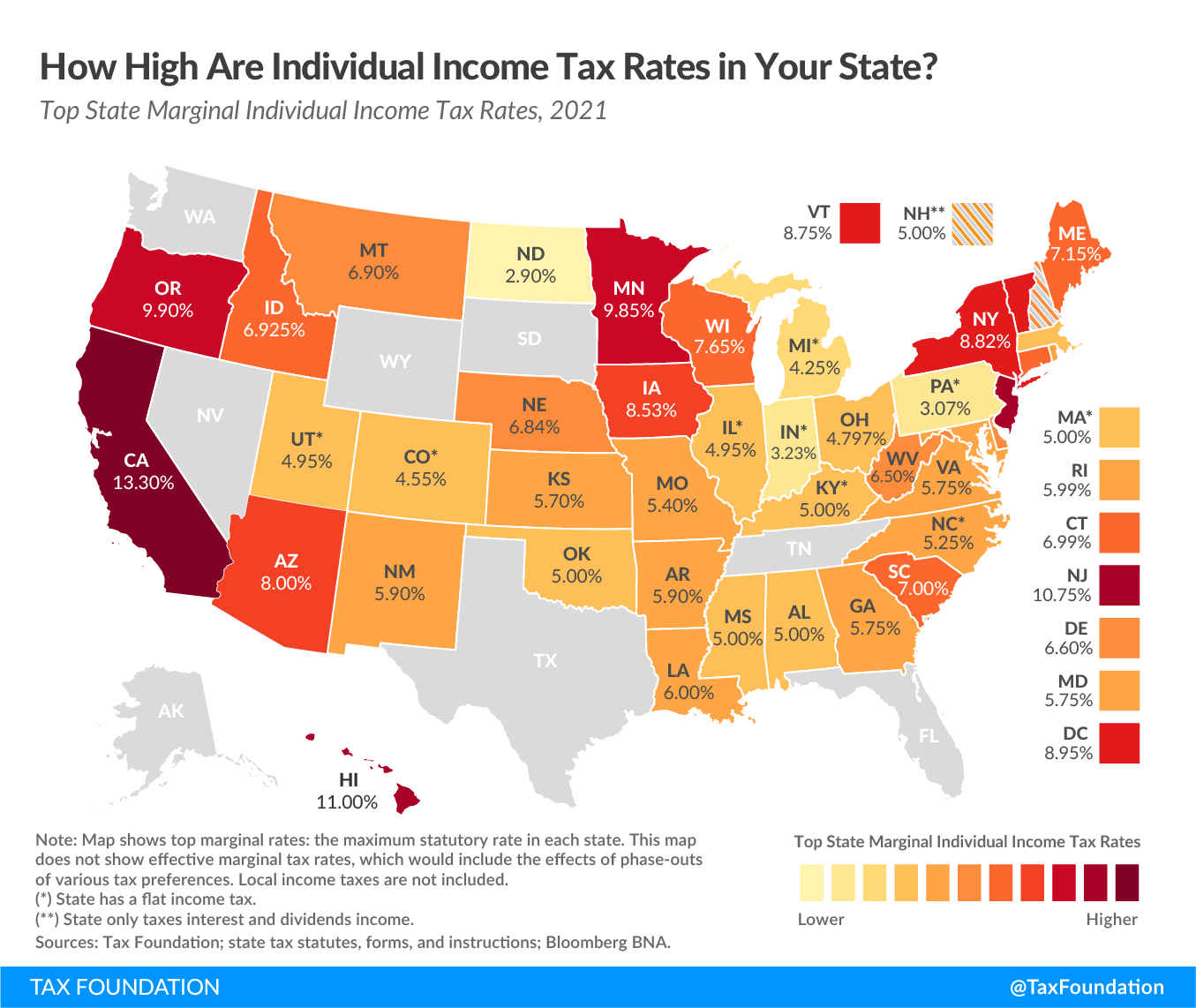
For many considering a visit, relocation, or business venture in the Lone Star State, one of the most frequently asked questions revolves around its tax structure, specifically, “Is there an income tax in Texas?” The straightforward answer is a resounding no. Texas is one of a handful of U.S. states that does not levy a state income tax on individuals or corporations. This distinctive financial landscape significantly influences everything from personal budgets and business decisions to the overall lifestyle and even the nature of tourism within the state.
While the absence of a state income tax is a major draw, it’s crucial to understand the complete picture of Texas’s taxation. The state primarily generates revenue through other means, most notably sales taxes and property taxes. For travelers, this means a direct impact on the cost of goods, services, and accommodation, while for residents and potential new inhabitants, it shapes the cost of living and the attractiveness of the real estate market. This article will delve into the intricacies of Texas’s tax system, exploring how it influences the diverse travel experiences, accommodation options, and vibrant lifestyle that define this expansive state.
The Lone Star State’s Unique Tax Landscape: A Magnet for Residents and Businesses
The absence of a state income tax is arguably the cornerstone of Texas’s economic model, making it a powerful magnet for individuals seeking greater financial freedom and businesses looking to reduce their operational overheads. This policy decision has deep roots in the state’s history and its philosophy of promoting economic growth through low taxation.
For individuals, the lack of a state income tax means that a larger portion of their earnings remains in their pockets. This is particularly appealing to high-income earners, retirees on fixed incomes, and digital nomads who can choose their base of operations. The potential for greater disposable income directly impacts lifestyle choices, from the ability to invest in luxury travel experiences and high-end accommodations to enjoying more frequent dining out at Texas’s acclaimed restaurants or exploring its numerous attractions without the added burden of state income tax deductions. Families, too, find this appealing, as it can ease the financial strain of raising children, allowing more budget for educational trips to places like Space Center Houston or family-friendly resorts.
From a business perspective, the no-income-tax policy fosters an incredibly pro-business environment. Companies, from tech startups in Austin to energy giants in Houston, benefit from not having to factor state income tax into their financial projections. This often translates into more capital available for investment, expansion, and job creation, which, in turn, fuels the state’s robust economy. A thriving business environment indirectly benefits the tourism sector significantly. It leads to the development of world-class infrastructure, including modern airports, extensive road networks, and a diverse range of hotels, resorts, and convention centers. Furthermore, a strong economy encourages the growth of local businesses, from unique boutique shops in Dallas to authentic Tex-Mex eateries in San Antonio, all of which contribute to a richer and more varied experience for travelers. The proliferation of new attractions, entertainment venues, and cultural institutions is often supported by a buoyant local economy, making Texas an ever-evolving destination for all types of travelers.
Navigating Other Taxes in Texas: What Visitors and Locals Should Know
While the absence of an income tax is a significant advantage, it’s essential to understand how Texas funds its public services. The primary mechanisms are property taxes and sales taxes, which directly impact both residents and visitors, albeit in different ways. Furthermore, travelers will encounter a specific Hotel Occupancy Tax that plays a crucial role in supporting the tourism industry itself.
Property Taxes: A Major Consideration for Residents and Accommodation Providers
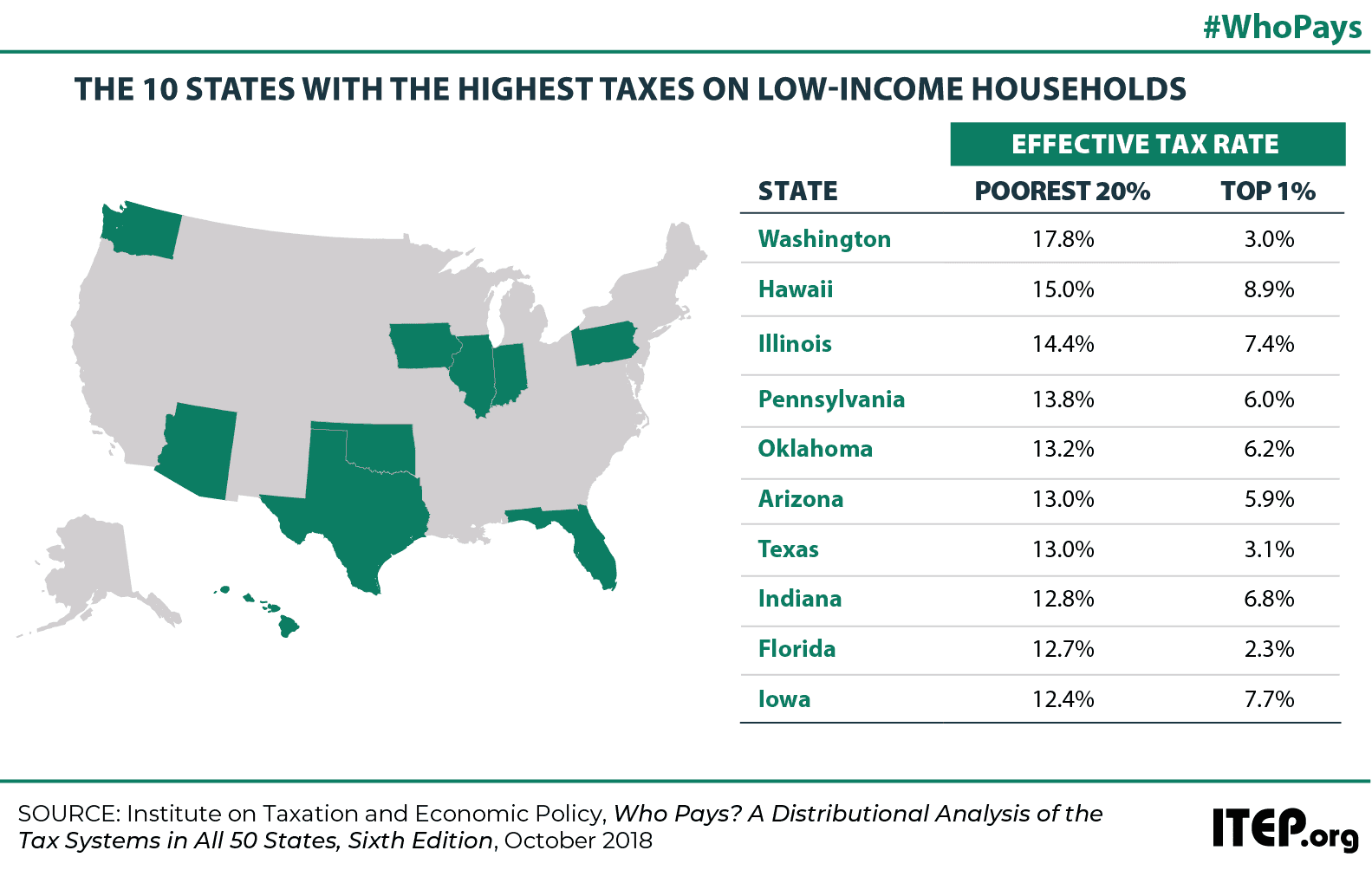
Property taxes are the cornerstone of local government funding in Texas. These taxes are levied by various local entities, including counties, cities, school districts, and special purpose districts (like hospital districts or water districts), and their rates can vary significantly from one jurisdiction to another. For homeowners, property taxes represent a substantial annual expense, often offsetting some of the benefits of not having a state income tax. This is particularly true in rapidly growing metropolitan areas like Austin, Dallas, Houston, and San Antonio, where property values have soared.
For the travel and accommodation industry, property taxes are an indirect but significant cost. Hotels, resorts, and vacation rental properties, whether large chains or boutique establishments, all pay substantial property taxes. These costs are ultimately factored into the rates charged to guests. Therefore, when you book a luxury suite in The Post Oak Hotel at Uptown Houston or a charming villa near San Antonio’s Riverwalk, a portion of your payment contributes to the property taxes shouldered by the accommodation provider. This financial reality influences pricing strategies and the overall economic viability of hospitality businesses across the state. Those considering long-term stays or even purchasing a vacation home will need to carefully consider the local property tax rates, which can vary from suburban communities to prime urban locations.
Sales Tax: An Everyday Experience for Travelers
The state sales tax in Texas is 6.25%. However, local taxing jurisdictions, such as cities, counties, and special purpose districts, can impose an additional sales tax of up to 2%, bringing the combined total sales tax rate in many areas to 8.25%. This tax applies to the sale of most tangible personal property and certain services.
For travelers, sales tax is an unavoidable part of nearly every transaction outside of groceries. Whether you’re purchasing souvenirs at The Alamo gift shop, enjoying a sizzling steak at a Dallas eatery, filling up your rental car, or buying new swimwear for a trip to South Padre Island, you will encounter sales tax. This means that while your paycheck isn’t taxed by the state, your spending power on goods and services will be affected. Budget-conscious travelers should factor this into their plans, recognizing that the advertised price of many items will have an additional 8.25% added at the register. Even luxury travelers, while less concerned about the percentage, will see these taxes add up on high-value purchases or extensive dining experiences.
Hotel Occupancy Tax (HOT): Funding Texas Tourism
A specific tax that directly impacts travelers is the Hotel Occupancy Tax (HOT). The state of Texas imposes a 6% Hotel Occupancy Tax on the cost of a room, suite, or other sleeping accommodation costing $15 or more per day. On top of this state tax, local governments (cities and counties) can levy their own HOT rates. For example, many major cities have combined state and local HOTEL Occupancy Tax rates that can reach as high as 15% or even more in some areas.
The revenue generated from the HOT is specifically designated to promote tourism and the convention industry. This means that when you pay the HOT on your stay at a charming bed and breakfast in Fredericksburg or a grand resort in Galveston, you are directly contributing to the marketing efforts that attract other visitors, fund local arts and cultural programs, and help maintain tourist facilities. This tax is a crucial component of Texas’s tourism infrastructure, supporting everything from visitor centers and marketing campaigns for attractions like Big Bend National Park to event funding for city-wide festivals. Understanding this tax helps travelers appreciate how their accommodation choices indirectly support the vibrant tourism ecosystem they are enjoying.
Texas Living: How the Tax Environment Shapes Your Experience
The unique tax environment in Texas profoundly shapes the overall cost of living and, consequently, the lifestyle available to both residents and long-term visitors. It’s a nuanced picture where the benefits of no state income tax are balanced by other financial considerations.
For those contemplating a move to Texas, the prospect of keeping a larger portion of their earnings is a powerful incentive. This can translate into a higher discretionary income, which can be allocated towards housing, education, entertainment, or travel. However, prospective residents must conduct a thorough cost-of-living analysis, factoring in the potentially high property taxes, especially in desirable urban and suburban areas. For instance, while a tech worker moving to Austin might save significantly on income tax compared to a state like California, they would likely face considerably higher property tax bills than in many other parts of the country. This interplay means that while the “no income tax” headline is attractive, the overall tax burden can be competitive rather than unilaterally lower.
This dynamic also influences the real estate market, making Texas an appealing destination for investors. The absence of income tax, combined with a strong economy and population growth, has historically made real estate an attractive asset. Developers of hotels, apartment complexes, and residential communities are drawn to the state, contributing to a diverse range of accommodation options. For individuals seeking long-term accommodation, whether through renting or buying, the state offers everything from sprawling ranch homes outside Fort Worth to sleek urban apartments in Uptown Dallas. The financial landscape supports a broad spectrum of choices, catering to various budgets and lifestyle preferences, from luxury living to more budget-conscious options.
The ” Texas model” for business, characterized by low taxes and minimal regulation, has created a robust economic engine. This environment has fostered innovation and entrepreneurship, leading to a dynamic job market and a continuous influx of new businesses. This economic vitality, in turn, directly benefits the tourism and lifestyle sectors. A booming economy supports the development of new attractions, entertainment districts, world-class restaurants, and a thriving arts and culture scene. Cities like Dallas, home to institutions like the Kimbell Art Museum, and Houston, known for its diverse culinary landscape, are continuously enhancing their offerings, making them more attractive for both residents and visitors seeking enriching experiences.
Exploring Texas: Attractions, Accommodation, and Lifestyle Benefiting from the State’s Economic Model
The financial framework of Texas, characterized by no state income tax but reliance on property and sales taxes, has profoundly shaped its growth into a premier destination for diverse travel and lifestyle experiences. This economic model supports a vast array of attractions, a wide spectrum of accommodation choices, and a dynamic way of life.
Iconic Cities and Their Offerings
Each major city in Texas offers a distinct flavor, often enhanced by the state’s economic vitality:
- Austin: Known as the “Live Music Capital of the World,” Austin’s vibrant culture is intertwined with its booming tech industry. The influx of talent and capital, partly driven by the favorable tax environment, fuels a dynamic scene of festivals, food trucks, and a laid-back yet innovative lifestyle. Accommodation ranges from trendy boutique hotels to luxurious downtown suites.
- Dallas and Fort Worth: These twin cities offer a blend of urban sophistication and authentic Western heritage. Dallas boasts world-class museums, high-end shopping, and a thriving arts district, while Fort Worth embraces its cowboy roots with the historic Stockyards and institutions like the Kimbell Art Museum. The strong corporate presence in Dallas supports an extensive range of business and luxury hotels, including unique stays like Hotel Drover in Fort Worth’s Stockyards.
- Houston: As a global city, Houston is a hub for energy, medicine, and space exploration, exemplified by Space Center Houston. Its diverse population has cultivated an unparalleled food scene, from Tex-Mex to Vietnamese cuisine, and a rich cultural tapestry. The city’s economic strength allows for opulent accommodations like The Post Oak Hotel at Uptown Houston and numerous convention facilities.
- San Antonio: Steeped in history, San Antonio offers iconic landmarks like The Alamo and the enchanting Riverwalk. Its unique blend of Texan and Mexican cultures makes it a captivating destination for history buffs and food enthusiasts. The city’s strong tourism industry, partly supported by Hotel Occupancy Taxes, ensures a wide range of hotels along the Riverwalk and throughout its historic districts.
Beyond these metropolitan centers, Texas offers coastal charm in places like Galveston, with its historic architecture and beautiful beaches, and the resort paradise of South Padre Island, perfect for beach lovers and spring breakers. The vast Western reaches of the state are home to natural wonders like Big Bend National Park, offering rugged outdoor adventures.
Accommodation Choices and Experiences
The robust economy fueled by the state’s tax policies directly impacts the variety and quality of accommodation available. From world-class luxury resorts offering every imaginable amenity to charming boutique hotels, family-friendly suites, and budget-conscious motels, Texas caters to every traveler’s need. The investment in tourism infrastructure means that whether you’re looking for a romantic getaway, a business stay, or a long-term rental, you’ll find options that meet high standards, often supported by the local economies that thrive under the state’s tax structure. The presence of numerous conference centers and business hotels, for example, is a direct result of Texas’s appeal as a business destination.
Lifestyle and Leisure
The lifestyle in Texas is as diverse as its geography. The financial advantages for residents mean more disposable income for enjoying the state’s extensive offerings. This includes everything from indulging in legendary Texas BBQ and authentic Tex-Mex cuisine to exploring the countless state parks, attending professional sports events, or experiencing the vibrant arts scene. For those considering a longer stay, the cost of living, influenced by the tax structure, plays a significant role in making these experiences more accessible and enjoyable. The state’s reputation for hospitality, combined with a strong economic foundation, ensures that visitors and residents alike can fully immerse themselves in the ” Texas experience.”

Planning Your Texas Adventure with Financial Savvy
So, is there an income tax in Texas? No, there isn’t. This core fact underpins much of the state’s economic success and its appeal to a diverse range of individuals and businesses. However, understanding the full financial picture, including the role of property taxes, sales taxes, and the Hotel Occupancy Tax, is key to truly appreciating and navigating the Lone Star State.
For travelers, while your personal income won’t be subject to a state tax, you’ll encounter sales tax on most purchases and a Hotel Occupancy Tax on your accommodation. Factoring these into your travel budget will ensure a smoother and more enjoyable trip. For those considering relocating or investing, the absence of income tax offers significant advantages, but it’s crucial to balance this against the potentially higher property taxes in many areas.
Ultimately, Texas presents a compelling blend of economic opportunity, rich cultural experiences, and diverse landscapes. Armed with a clear understanding of its unique tax environment, visitors can more effectively plan their adventures, book their ideal accommodations, and immerse themselves in the vibrant lifestyle that defines this truly exceptional state. Whether you’re drawn by the bustling city life, the tranquility of nature, or the allure of its dynamic economy, Texas offers a distinctive experience shaped by its unique financial ethos.
LifeOutOfTheBox is a participant in the Amazon Services LLC Associates Program, an affiliate advertising program designed to provide a means for sites to earn advertising fees by advertising and linking to Amazon.com. Amazon, the Amazon logo, AmazonSupply, and the AmazonSupply logo are trademarks of Amazon.com, Inc. or its affiliates. As an Amazon Associate we earn affiliate commissions from qualifying purchases.