
Planning a trip to the vast and diverse state of Texas involves more than just picking your destinations and booking your accommodation. Whether you’re exploring the bustling cityscapes of Houston and Dallas, soaking in the unique culture of Austin, or delving into the rich history of San Antonio, understanding the local tax landscape is crucial for a smooth and budget-friendly experience. Among the various costs you’ll encounter, sales taxes and hotel occupancy taxes stand out as significant considerations for any traveler, impacting everything from your morning coffee to your nightly stay in a luxurious resort.
Texas, a jewel of the United States known for its vibrant tourism industry, welcomes millions of visitors each year. From its iconic landmarks and world-class attractions to its mouth-watering food scene and unparalleled shopping opportunities, there’s an adventure waiting for every type of traveler. However, the price tags you see on goods, services, and hotel rooms often don’t include the final tax amount, which can sometimes come as a surprise. This comprehensive guide aims to demystify sales taxes in Texas, specifically from the perspective of a traveler, helping you plan your lifestyle and travel experiences without any unexpected financial hitches.
Unpacking the Basics: Texas Sales Tax for Travelers
Understanding the fundamental structure of sales tax in Texas is the first step toward smart travel budgeting. Unlike some countries where sales tax might be included in the displayed price, in the United States, and specifically in Texas, it’s almost always added at the point of purchase. This seemingly small percentage can add up, especially when planning a comprehensive trip that includes shopping, dining, and various activities.
The State Sales Tax Rate and Its Local Variations
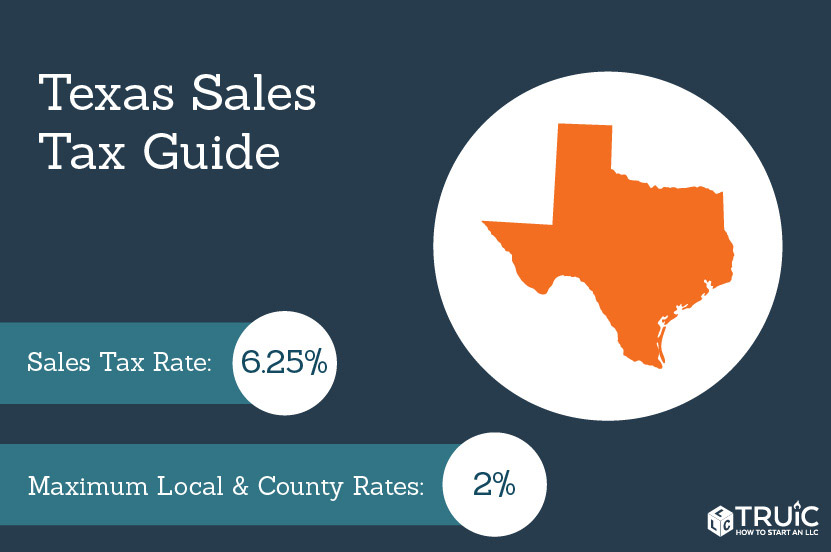
At its core, Texas levies a state sales tax rate of 6.25%. This is the baseline you can expect to pay on most taxable goods and services across the entire state. However, the story doesn’t end there. Local jurisdictions — including cities, counties, and various special purpose districts (such as metropolitan transit authorities or crime control and prevention districts) — have the authority to impose additional sales taxes. These local add-ons can increase the combined sales tax rate by up to 2%.
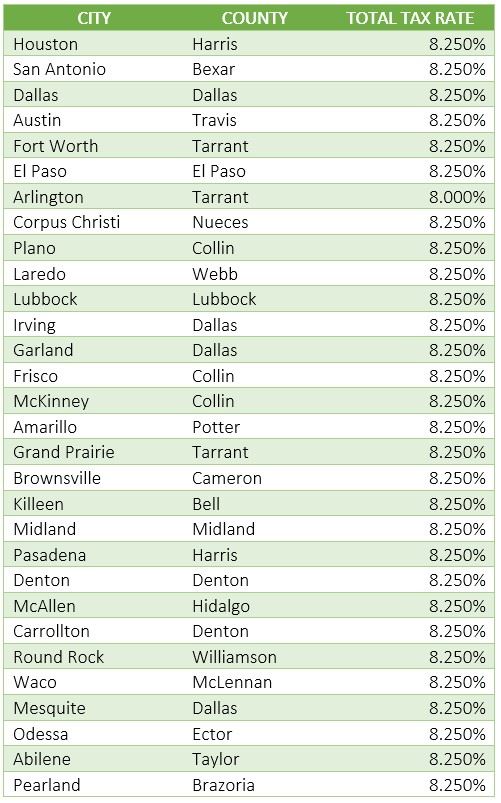
What does this mean for you, the traveler? It means that while the state rate is constant, the total sales tax you pay can vary significantly depending on where you are in Texas. Many of the most popular tourist destinations, such as downtown Houston, central Dallas, Austin’s vibrant entertainment districts, and San Antonio’s historic areas, impose the maximum local sales tax, bringing the combined rate to the highest possible 8.25%.
For instance, if you purchase a souvenir in the Riverwalk area of San Antonio or a fashionable item in a boutique in Dallas’s Uptown, expect that 8.25% to be added to your bill. Conversely, if you’re in a more rural or less densely populated area, the combined rate might be lower, perhaps only the state’s 6.25% or slightly higher if a county tax applies. Always remember that the sticker price or menu price rarely reflects the final amount you’ll pay. Factoring this into your travel budget is a key tip for any visitor to Texas.
What You’ll Pay Sales Tax On (and What You Won’t)
The general rule of thumb in Texas is that tangible personal property is subject to sales tax. This covers a wide array of items that travelers commonly purchase.
- Shopping and Souvenirs: From cowboy boots in Fort Worth to Texas-themed t-shirts, artwork, and gifts, nearly all retail purchases of physical goods will incur sales tax. If you’re planning a shopping spree, whether it’s for luxury brands or unique local crafts, remember to add that 6.25% to 8.25% to your expected cost.
- Dining Out: When you enjoy Texas Barbecue, Tex-Mex cuisine, or any meal at a restaurant, café, or food truck, the prepared food and beverages are subject to sales tax. This includes both dine-in and takeout orders. So, that delicious brisket plate or spicy taco platter will have sales tax tacked on.
- Admissions and Entertainment: Tickets to many attractions and entertainment venues are also taxable. This includes entry fees to theme parks, museums (though some non-profit museums may have exemptions), concerts, sporting events, and movie theaters. For example, a visit to Space Center Houston or an evening at a lively Austin music venue will typically include sales tax on the ticket price.
- Car Rentals: If you’re planning to rent a car to explore the vast landscapes of Texas, be aware that vehicle rentals are also subject to sales tax, in addition to other rental car-specific fees and taxes.
While sales tax applies to a broad range of items, there are notable exceptions that can be helpful for travelers:
- Groceries: Most unprepared food items purchased at grocery stores are exempt from sales tax. This means if you’re staying in an apartment or villa with kitchen facilities and plan to cook some of your own meals, you won’t pay sales tax on items like fresh produce, raw meat, or packaged pantry staples. This can be a savvy way for budget-conscious travelers to save money.
- Prescription Drugs: As is common in many places, prescription medications and certain medical devices are exempt from sales tax.
Knowing these distinctions helps you budget more accurately, especially if you’re considering a longer stay or a mixed lifestyle approach that combines dining out with self-catering.
The Essential Guide to Hotel Occupancy Tax (HOT) in Texas
Beyond the general sales tax, a critically important consideration for anyone planning accommodation in Texas is the Hotel Occupancy Tax (HOT). This is a separate tax specifically levied on hotel rooms, suites, resorts, vacation rentals, and any other lodging rented for less than 30 consecutive days. The HOT can significantly impact your overall travel expenses, often adding a substantial percentage to your nightly rate.
Understanding State and Local Hotel Taxes
Similar to general sales tax, the Hotel Occupancy Tax in Texas is a two-tiered system: a state tax combined with various local taxes.
- State Hotel Occupancy Tax: The State of Texas imposes a 6% HOT on the cost of your room. This rate is uniform across the entire state. The revenue generated from the state HOT primarily supports the state’s tourism promotion efforts, historic preservation, and grants for arts and cultural initiatives, indirectly benefiting the attractions and experiences travelers come to enjoy.
- Local Hotel Occupancy Taxes: This is where the rates can truly escalate. Cities, counties, and even some special districts (like convention center districts) can impose their own additional HOT rates. City HOT rates are often the highest, typically ranging from 7% to 9% or even higher in major metropolitan areas and popular tourist towns. County HOTs are generally lower, often around 2%.
When all these layers are combined, the total Hotel Occupancy Tax rate in a popular Texas destination can easily reach 13% to 17% or more of your room rate. For example, if you book a room in Houston, Dallas, Austin, or San Antonio, it’s not uncommon to see a combined HOT of 15% or higher. This means that a $150 per night hotel room could easily cost you an additional $22.50 to $25.50 in taxes, bringing the total closer to $175-$177.
It’s crucial to distinguish HOT from general sales tax. While general sales tax typically applies to goods and services, HOT is a specific tax on lodging. You won’t pay the general sales tax on your hotel room in addition to the HOT; rather, the HOT is the primary tax applied to your accommodation bill. However, other items purchased at the hotel, such as restaurant meals or gift shop items, would be subject to the general sales tax.
How HOT Impacts Your Accommodation Budget and Choices
The significant percentage added by the HOT can have a substantial impact on your overall travel budget, particularly for longer stays or when booking premium accommodation.
- Budgeting for Hotels and Resorts: When you’re comparing prices for hotels or resorts on booking websites, the initial price displayed is usually the room rate before taxes and fees. Always make sure to click through to see the “total price” or “final price” which should include the HOT. Failing to account for this can lead to an unwelcome surprise when you receive your final bill, especially at checkout.
- Vacation Rentals and Apartments: The HOT also applies to many vacation rentals and short-term apartment stays booked through platforms like Airbnb or Vrbo, provided the stay is for less than 30 consecutive days. Property owners or platforms are generally responsible for collecting and remitting these taxes, but it’s the guest who ultimately pays them. This is an important detail for travelers seeking alternative accommodation options beyond traditional hotels.
- Long-Term Stays: If you plan to stay in one place for 30 consecutive days or more, the lodging typically becomes exempt from the Hotel Occupancy Tax. This is a crucial distinction for individuals on extended business stays, digital nomads, or those taking a longer travel sabbatical. Always confirm this exemption with your accommodation provider if your stay qualifies, as it can result in significant savings.
- Amenities and Resort Fees: Beyond the HOT, many resorts and some hotels in Texas may also charge additional “resort fees” or “destination fees.” While these are not taxes, they are mandatory charges that further increase your total cost. Sometimes, the sales tax may apply to these fees as well, depending on how they are structured. Always read the fine print when booking to understand all potential charges.
For the savvy traveler, being aware of the HOT is paramount for accurate budgeting, comparing accommodation options, and making informed decisions about where to stay during your Texas adventure.
Sales Taxes and the Tourist Experience: From Landmarks to Luxury
The impact of sales taxes permeates almost every aspect of a tourist’s journey through Texas. From capturing memories at historical landmarks to indulging in local culinary delights, understanding how these taxes apply can help you manage your expectations and your wallet.
Shopping, Dining, and Attractions: Everyday Tax Encounters
Your daily activities as a tourist in Texas are likely to involve numerous transactions subject to sales tax:
- Retail Therapy: Whether you’re hunting for antique treasures in Fredericksburg, browsing the boutiques in Dallas’ Highland Park Village, or picking up beach essentials in Galveston, every clothing item, piece of jewelry, or electronics purchase will have sales tax applied. For instance, if you fall in love with a piece of art or a unique fashion item, remember that the price listed is not the final price you’ll pay at the register. This is especially relevant for luxury travel where higher-priced items mean a larger tax sum.
- Culinary Adventures: Texas is a foodie paradise, offering everything from award-winning fine dining in Houston to casual taco joints. Every time you order a meal or beverage at a restaurant, coffee shop, or bar, the sales tax will be added to your bill. This also applies to food delivery services. Tipping is customary in the United States (typically 15-20% for good service), and while sales tax isn’t applied to the tip itself, it is calculated on the pre-tax total of your meal.
- Experiencing Attractions and Landmarks: Admission fees to most commercial attractions are taxable. A visit to the historic Alamo in San Antonio, a rodeo show in Fort Worth, or a boat tour along the Austin river will typically include sales tax on the ticket price. Even participation in certain activities or guided tours can be subject to sales tax, depending on the nature of the service.
For travelers, being mindful of these everyday tax encounters can prevent overspending and ensure your budget travel plans remain on track. It encourages checking receipts and factoring in the additional percentage when mentally calculating costs.
Lifestyle and Travel Budgets: How Sales Tax Shapes Your Journey
Sales tax, while seemingly minor on individual purchases, can cumulatively influence your overall lifestyle and travel budget, prompting different strategies for different types of trips.
- Budget Travel and Family Trips: For those on a tighter budget or planning family trips where costs multiply quickly, understanding sales tax is vital. Choosing to buy tax-exempt groceries and preparing some meals at your accommodation can offer considerable savings compared to dining out three times a day. Opting for free attractions or public parks can also help mitigate the impact of taxed entertainment options. Savvy families might consider accommodation with kitchenettes, allowing them to capitalize on the grocery exemption.
- Luxury Travel and Business Stays: For luxury travel or business stays where spending is naturally higher, sales tax translates into a larger absolute dollar amount. A $1,000 luxury purchase will incur $82.50 in tax at the 8.25% rate. Similarly, expensive dinners, high-end hotel suites, and comprehensive business services will all see a significant portion added through taxes. While this might be less of a concern for those with generous budgets or expense accounts, it’s still a factor that impacts the total cost of high-end experiences. Business travelers should also be aware of how these taxes might affect their expense reports and company policies regarding reimbursed costs.
- Long-Term Stays and Planning: If your travel guide recommends an extended exploration of Texas, the cumulative effect of sales tax over weeks or months can be substantial. Planning helps. For example, knowing about the 30-day exemption for HOT can guide your accommodation booking if you’re staying longer. Similarly, understanding tax exemptions on certain goods can inform your shopping habits.
In essence, sales taxes are an omnipresent part of the consumer experience in Texas. By acknowledging their presence and understanding their application, travelers can integrate them into their financial planning, ensuring that their journey, regardless of its lifestyle or budget, remains enjoyable and free of financial surprises.
Planning Your Texas Adventure: Tax-Smart Tips for Travelers
Equipping yourself with knowledge about Texas sales taxes is key to a stress-free and enjoyable trip. By adopting a few “tax-smart” practices, you can effectively manage your budget and truly immerse yourself in the rich culture and exciting experiences Texas has to offer.
Navigating Purchases and Maximizing Value
Being proactive about understanding tax implications can help you make more informed decisions about your spending:
- Always Check the Final Price: Whether you’re booking a hotel room, reserving a rental car, or purchasing tickets online, always look for the “total price” or “final price” before confirming. This ensures all applicable taxes and fees (like HOT, resort fees, or other surcharges) are included, giving you a clear picture of the actual cost. When dining or shopping, be prepared for the addition of sales tax at the register.
- Factor Taxes into Your Budget: Instead of thinking of sales tax as an afterthought, build it into your initial budget. For general purchases, assume the highest possible combined rate (8.25%) for most urban areas. For accommodation, research the specific local HOT for your chosen city and add that to your nightly rate estimates. Over-budgeting slightly for taxes can prevent unpleasant surprises.
- Strategic Grocery Shopping: If your accommodation has kitchen amenities, take advantage of the sales tax exemption on most unprepared groceries. Stocking up on breakfast items, snacks, and ingredients for a simple meal can significantly reduce your daily food expenses, particularly beneficial for family trips or extended stays.
- Review Receipts: Make it a habit to quickly review your receipts, especially for larger purchases or hotel bills. This helps ensure that the correct sales tax or HOT rate has been applied and that you haven’t been double-charged or overcharged.
Staying Informed for a Seamless Trip
The best travel tip is always to be informed. A little bit of research before you arrive can save you both money and stress.
- Research Specific Local Rates: While 8.25% is a common combined sales tax rate in major cities, it’s not universal. Similarly, HOT rates vary by city. If you’re traveling to multiple cities or less common destinations within Texas, a quick online search for “sales tax rate in [City Name], Texas” or “hotel tax rate in [City Name], Texas” can provide precise information. The Texas Comptroller of Public Accounts website is an excellent resource for official rates.
- Consider Long-term Stay Exemptions: For those contemplating a long-term stay of 30 days or more in one lodging establishment, remember to inquire about the HOT exemption. This can lead to substantial savings on accommodation, making a longer Texas adventure more economically viable. Always confirm the details directly with your hotel or vacation rental provider.
- Focus on Experiences, Not Just Purchases: While shopping can be a fun part of travel, remember that many memorable experiences in Texas are either free (like exploring state parks, walking historical districts, or enjoying live music in Austin’s public spaces) or involve minimal, often tax-inclusive, costs. Prioritizing experiences over purely material purchases can enhance your trip while naturally managing your tax burden.
In conclusion, understanding sales taxes and Hotel Occupancy Taxes is an indispensable part of planning any visit to Texas. From selecting your ideal accommodation to savoring the local cuisine and discovering iconic landmarks, these taxes will be a constant factor. By factoring them into your budget, knowing what to expect, and making informed choices, you can ensure your Texas journey is as seamless, enjoyable, and financially predictable as possible. Armed with this knowledge, you’re now better prepared to embark on an unforgettable adventure in the Lone Star State.
LifeOutOfTheBox is a participant in the Amazon Services LLC Associates Program, an affiliate advertising program designed to provide a means for sites to earn advertising fees by advertising and linking to Amazon.com. Amazon, the Amazon logo, AmazonSupply, and the AmazonSupply logo are trademarks of Amazon.com, Inc. or its affiliates. As an Amazon Associate we earn affiliate commissions from qualifying purchases.